History of Bonsai in NZ: From Early Imports to Native Excellence
What You Will Learn
Explore the fascinating NZ bonsai history, from early post-WWII imports to the innovative rise of unique native New Zealand bonsai species and styles.
The art of bonsai, with its ancient roots deeply embedded in East Asian culture, has found a unique and flourishing home in Aotearoa New Zealand. Far from merely mimicking traditional Japanese styles, the NZ bonsai history is a captivating narrative of adaptation, innovation, and a profound connection to the country’s unparalleled native flora. This journey, from early imports to the emergence of a distinctive native aesthetic, mirrors New Zealand’s own evolving cultural identity, blending international influences with a strong sense of local pride and creativity. Join us as we explore the rich tapestry of bonsai’s development in this island nation, celebrating the pioneers, the passion, and the unparalleled beauty that defines New Zealand’s contribution to the global bonsai community.
Table of Contents
Early Introductions of Bonsai to NZ
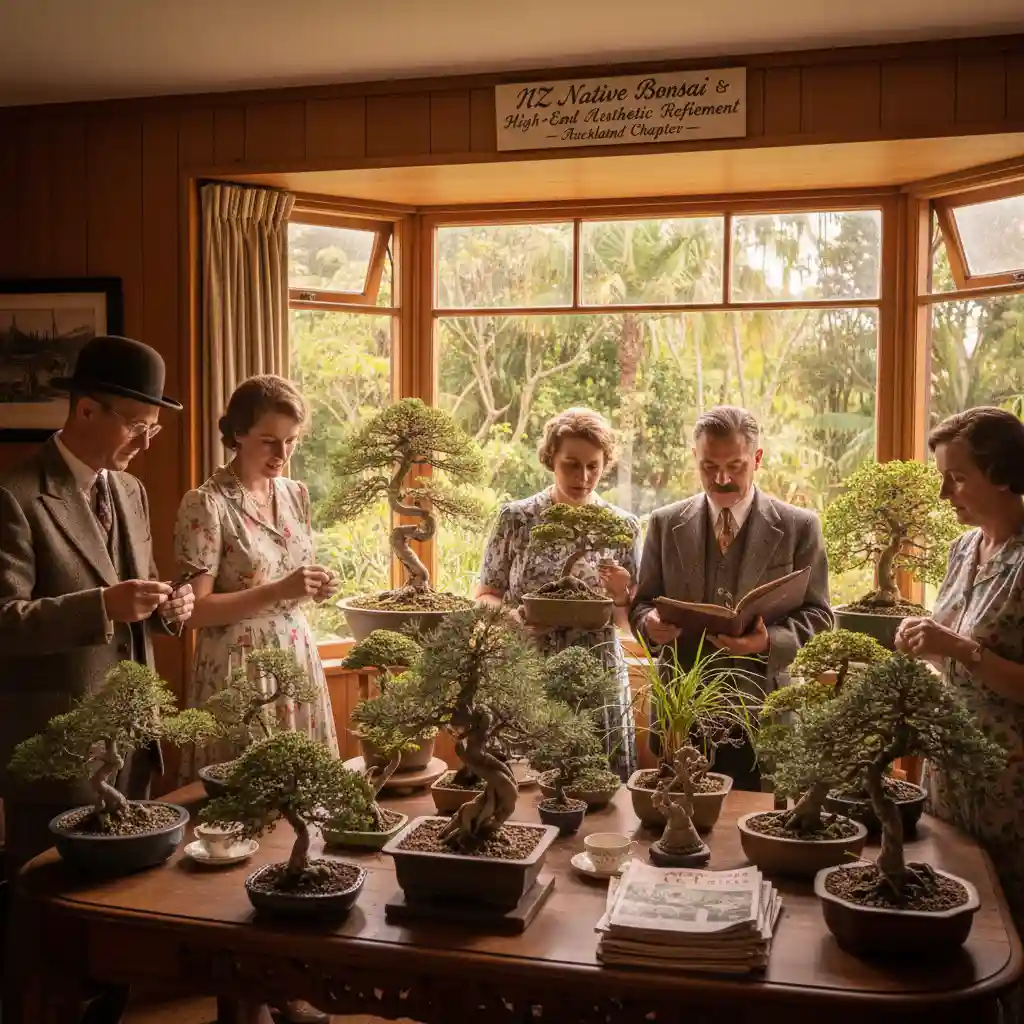
The seeds of bonsai cultivation in New Zealand were sown in the mid-20th century, largely following World War II. Returning servicemen, captivated by the intricate art they witnessed abroad, brought back not just memories but also early examples and knowledge of bonsai. Concurrently, a wave of post-war immigration introduced individuals from diverse cultural backgrounds, some of whom carried with them a nascent appreciation for the art form. These early enthusiasts, often working in isolation, faced significant challenges. Access to suitable plant material was limited, and much of the early experimentation involved exotic species better suited to temperate climates, or trial-and-error with local garden plants.
Despite these hurdles, a growing interest led to the formation of the first bonsai clubs. These informal gatherings, key to starting your own local bonsai study group, provided crucial platforms for sharing techniques, discussing challenges, and importing specialized tools and literature, including insights into general Spring Care for Bonsai SH. Early exhibitions, often small and local, showcased the burgeoning talent and sparked wider curiosity among the public. This period laid the foundational groundwork for what would become a vibrant and dedicated bonsai community, slowly but surely embedding the discipline into the cultural landscape of New Zealand. The resilience of these early pioneers is a testament to the enduring appeal of bonsai.
Influences from International Masters
As the interest in bonsai grew in New Zealand, so did the desire for deeper knowledge and refinement. The 1970s and 80s marked a significant period of international influence, as prominent Japanese bonsai masters began to visit New Zealand. These visits were pivotal, bringing world-class expertise, traditional techniques, and philosophical depth directly to local enthusiasts. Workshops and demonstrations by figures like John Naka, a hugely influential Japanese-American bonsai master, had a transformative effect. Naka’s approachable teaching style and emphasis on natural aesthetics resonated deeply with New Zealanders, who were keen to learn the classical principles.
The exchange wasn’t one-sided; many keen New Zealanders also travelled overseas to study at established bonsai nurseries and schools, bringing back invaluable insights. This period saw a strong emphasis on mastering traditional Japanese styles, including specialized methods like Grafting Techniques for Bonsai Development, alongside styles such as Chokkan (formal upright), Moyogi (informal upright), and Shakan (slanted). Imported juniper, pine, Maple Bonsai Care Tips, and even Ficus varieties became popular choices, mirroring the global bonsai trends. This immersion in international standards raised the overall quality of bonsai in New Zealand, setting the stage for the next exciting phase in the country’s unique bonsai evolution.
“The true spirit of bonsai is not to imitate nature, but to express our feelings about nature.”
The Rise of NZ Native Bonsai
While traditional bonsai flourished, a significant movement began to take root in the 1980s and 90s: the exploration and cultivation of New Zealand’s magnificent native flora as bonsai. This was a logical, yet challenging, progression. New Zealand boasts a unique biodiversity, with many endemic species perfectly suited for bonsai due to their small leaves, interesting bark, and natural resilience. The drive for native bonsai wasn’t just practical; it was an artistic declaration, a way for New Zealand artists to express a truly local aesthetic and identity within the global bonsai community.
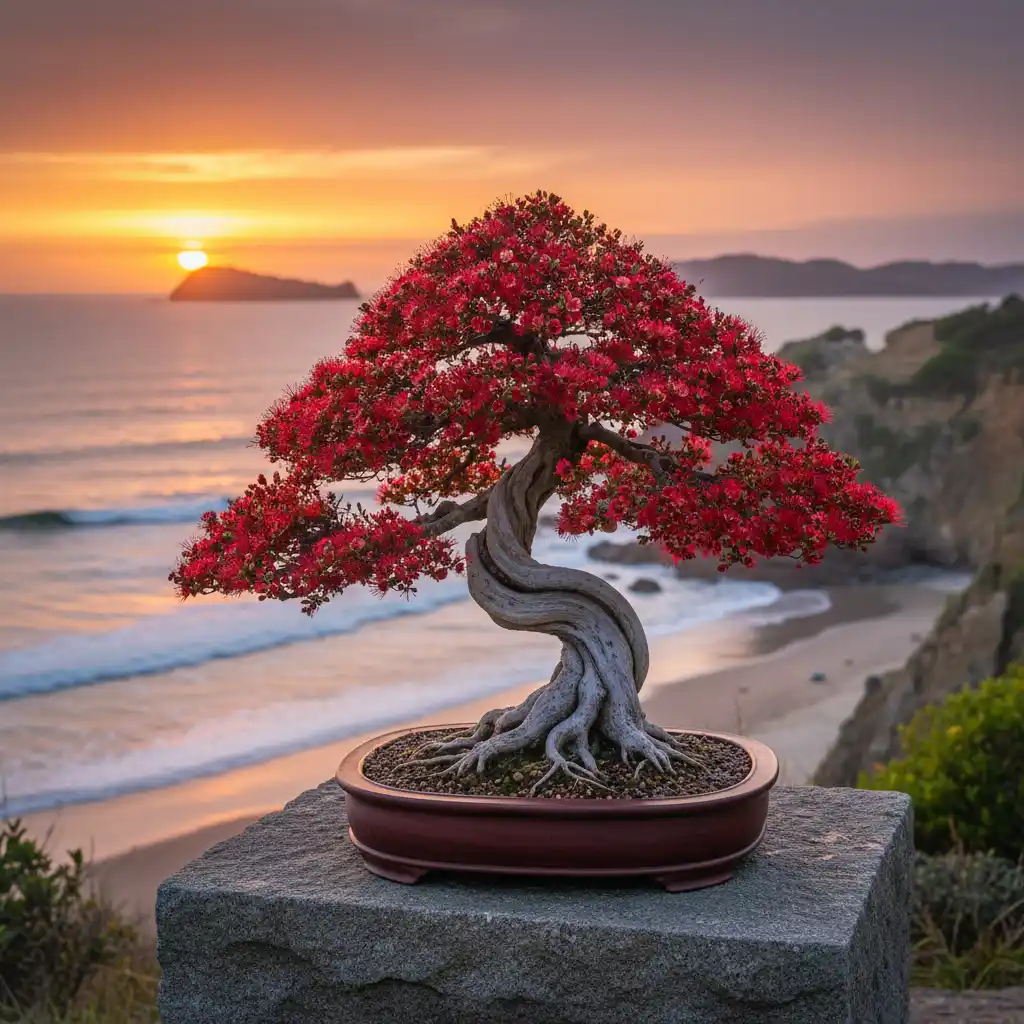
Pioneers in this field tirelessly experimented with species like Pohutukawa (Metrosideros excelsa), Totara (Podocarpus totara), Kahikatea (Dacrycarpus dacrydioides), and Manuka (Leptospermum scoparium). These species presented unique challenges – different growth habits, specific wiring techniques, including developing features like Creating Deadwood Effects: Jin and Shari, along with managing bonsai soil, fertilization & nutrition, and proper Bonsai Watering Techniques – but also offered unparalleled rewards in terms of texture, form, and cultural significance. The development of native bonsai techniques required a deep understanding of the local ecology and a willingness to break away from strictly traditional approaches, fostering innovation and a distinctly Kiwi style.
This movement has transformed the landscape of NZ bonsai history, creating a niche that is internationally recognised for its originality and beauty. It’s a testament to the adventurous spirit of New Zealand artists, who saw not just a plant, but a canvas for expressing the spirit of Aotearoa.
Key Figures and Milestones in NZ Bonsai
The journey of bonsai in New Zealand has been shaped by the dedication of numerous individuals. While it’s impossible to name every influential figure, certain names stand out for their pioneering efforts, teaching, and artistic contributions. Early champions such as Ivan Wilson, a true pioneer in the development of New Zealand bonsai, laid much of the groundwork. His passion and commitment helped inspire a generation. More recently, figures like Tony Gibson have continued to push the boundaries, particularly in refining techniques for native species, and sharing their expertise through workshops and publications.
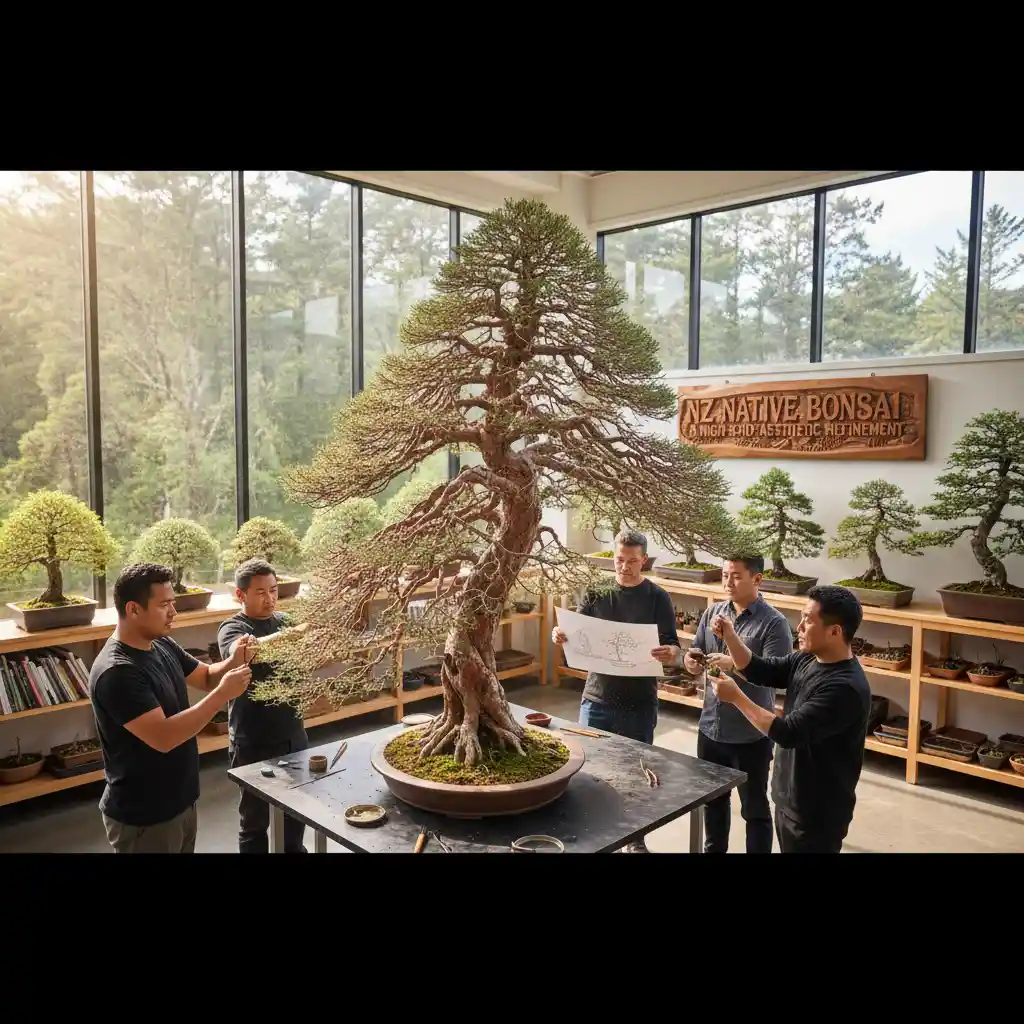
Milestones in NZ bonsai history include the formal establishment of the New Zealand Bonsai Association (NZBA) in 1982, which provided a national body for coordinating clubs, promoting standards, and organising larger national conventions. These conventions, held biennially, became crucial events for knowledge exchange, displaying national talent, and hosting international guests, further cementing New Zealand’s place on the global bonsai map. Publications, both local club newsletters and comprehensive books on native bonsai, have also played a vital role in documenting and disseminating unique local knowledge. The increasing recognition of NZ-styled bonsai in international competitions further highlights the maturity and distinctiveness of the craft here.
Documenting the Local Legacy
Preserving and documenting the rich NZ bonsai history is crucial for its continued growth and recognition. Many clubs and individuals actively maintain records, photographs, and even collections of historically significant trees. Online platforms, forums, and social media groups have become invaluable tools for sharing information, showcasing local talent, and connecting enthusiasts across the country and with the wider international community. These digital archives ensure that the unique stories, techniques, and artistic developments associated with New Zealand bonsai are not lost but rather become accessible to future generations.
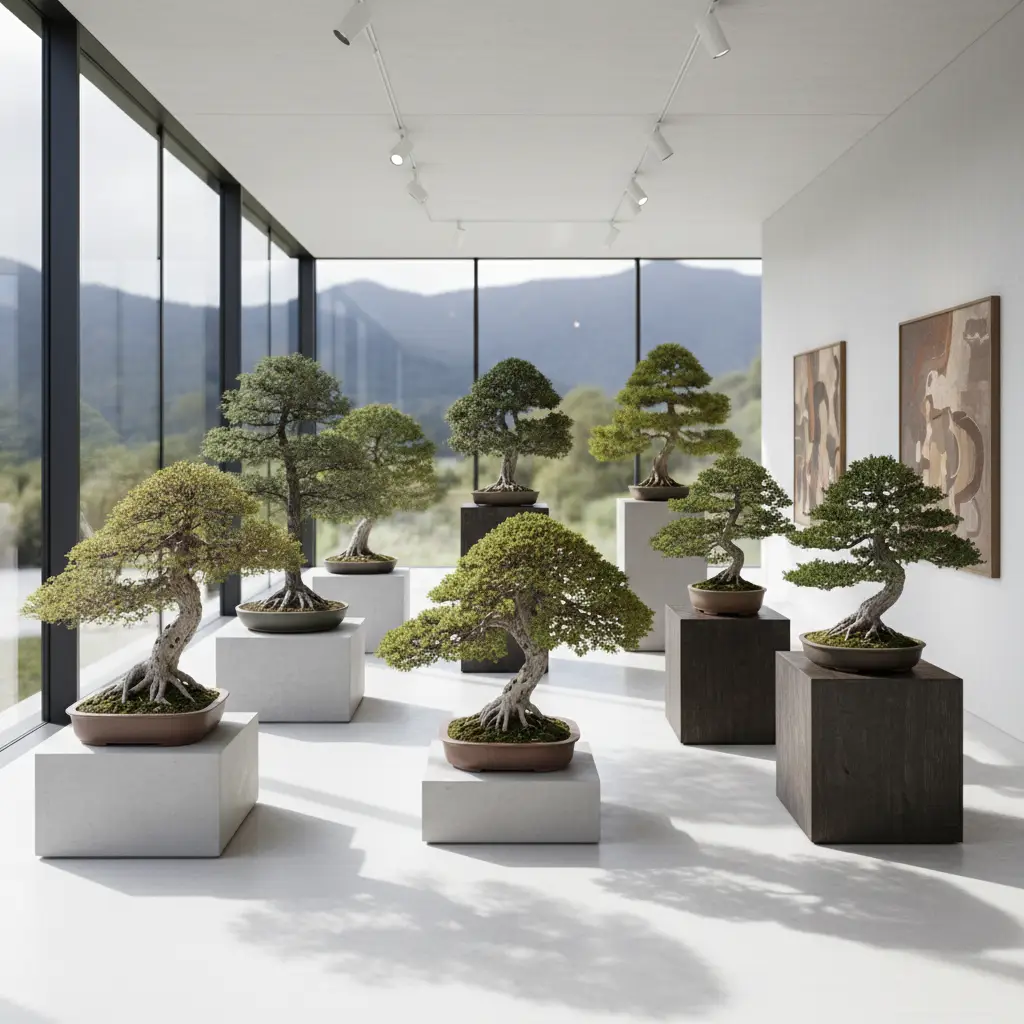
The future of bonsai in New Zealand looks incredibly promising. With a strong foundation built on both traditional techniques and innovative native styling, the community continues to thrive. Educational initiatives, mentorship programs, and ongoing research into native species ensure a vibrant future. As more people discover the meditative and creative joys of bonsai, especially with species that reflect the natural beauty of Aotearoa, the legacy of New Zealand bonsai will undoubtedly continue to evolve and inspire.
Frequently Asked Questions About NZ Bonsai History
When did bonsai first arrive in New Zealand?
Bonsai began to gain traction in New Zealand after World War II, primarily through returning servicemen and immigrants who brought the art form and its principles with them.
Who were some early pioneers in NZ bonsai?
While many contributed, early pioneers like Ivan Wilson were instrumental in laying the groundwork for the bonsai community in New Zealand, inspiring many with their dedication.
What are some popular native New Zealand species used for bonsai?
Popular native species include Pohutukawa, Totara, Kahikatea, Manuka, and various other broadleaf and conifer species unique to New Zealand, all adapted through specialized techniques.
When was the New Zealand Bonsai Association (NZBA) established?
The New Zealand Bonsai Association (NZBA) was formally established in 1982, providing a national body to promote and coordinate bonsai activities across the country.