Mastering Bonsai Deadwood Techniques: Jin and Shari
bonzai.co.nz
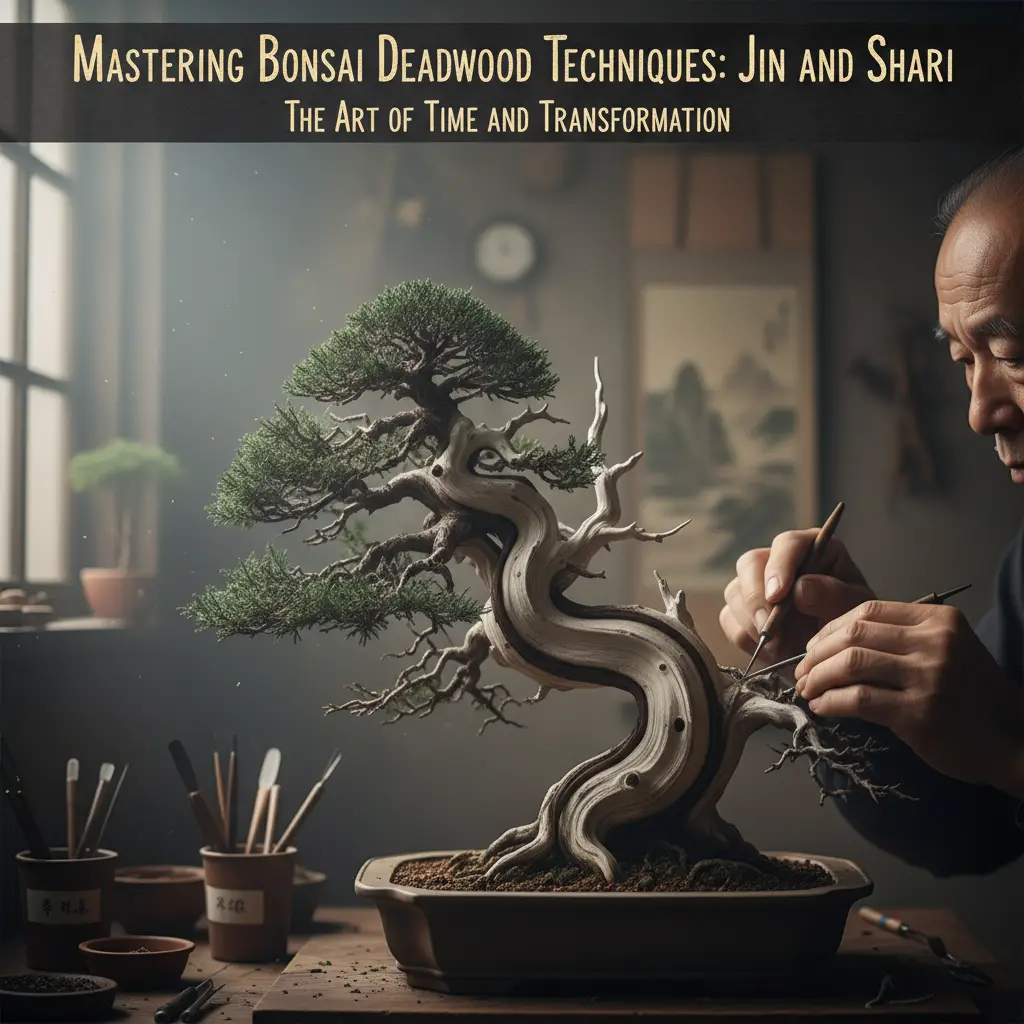
Bonsai deadwood techniques, including Jin and Shari, involve artistically shaping dead wood on a bonsai tree. Jin creates dead branches, while Shari forms dead sections of the trunk. These methods enhance the tree’s natural appearance, simulating advanced age and environmental struggle to add dramatic character.
The art of bonsai goes beyond simply growing miniature trees. For those just starting their journey, understanding Choosing Your First Bonsai Tree & Starter Kit is a crucial first step. It involves sculpting them to reflect nature’s beauty and resilience, often achieved through techniques like Bonsai Pruning & Wiring Techniques and a deep understanding of Classic Bonsai Styling Forms Explained.
Applying bonsai deadwood techniques is one of the most powerful ways to achieve this. These methods add character, age, and a sense of history to your trees. They transform trees into unique works of living art. Understanding Jin and Shari is crucial for mastering these dramatic effects.
Table of Contents
- The Allure of Deadwood in Bonsai
- The Jin Technique: Sculpting Dead Branches
- The Shari Technique: Emphasizing the Trunk’s Story
- Preserving Your Deadwood Features
- Cultural Significance and Display
- Species-Specific Considerations for Deadwood
- Conclusion: The Art of Aged Beauty
- References
The Allure of Deadwood in Bonsai
In nature, trees endure harsh conditions. Strong winds, lightning strikes, and heavy snow can strip bark, break branches, and carve sections of the trunk. This leaves behind stark, bleached wood.
This natural damage tells a story of survival and resilience. In bonsai, we intentionally recreate these effects. They enhance the tree’s visual appeal and artistic impact, making it more compelling. The goal is always to make the deadwood look as natural as possible, as if sculpted by time itself.
This conveys a sense of profound age and enduring spirit. Applying bonsai deadwood techniques requires both skill and a deep understanding of tree physiology. It’s more than just removing bark. It’s about shaping the underlying wood to flow harmoniously with the tree’s living structure. This process also involves protecting the exposed wood from decay, ensuring its longevity as a key feature of the bonsai. Deadwood serves as a dramatic focal point in artistic displays.
The Jin Technique: Sculpting Dead Branches
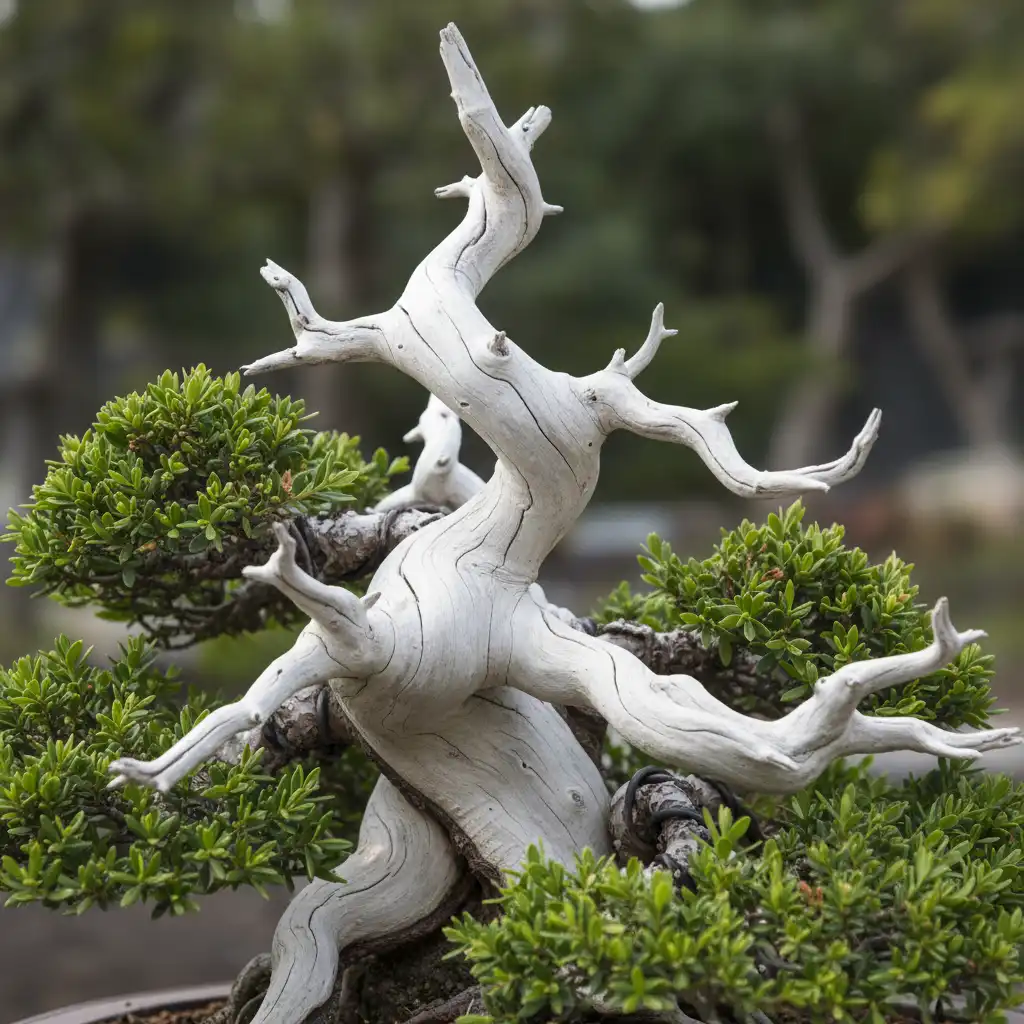
The Jin technique involves creating dead branches on a bonsai. These are not just cut-off stubs. They are carefully prepared, bark-stripped sections of wood. Their design makes them look like branches that died long ago.
Jin adds a sense of drama and age to a bonsai. It mimics the harsh environments where resilient trees thrive. This technique tells a story of struggle and endurance. It often complements the tree’s natural silhouette, greatly enhancing its artistic value. Certain species, such as Juniper and Pine, respond exceptionally well to this technique, showcasing stunning results.
How to Create Jin
Creating Jin starts with selecting the right branch. Choose branches that are weak, poorly placed, or would improve the tree’s overall silhouette by being removed. Use a sharp branch cutter to remove the living portion, leaving a stub of desired length. The length depends on your overall design and the desired aging effect. Always wear appropriate safety gear, like gloves and eye protection.
Next, carefully strip the bark from the remaining stub. You can use Jin pliers or a sharp knife for this process. Work slowly to avoid damaging the living cambium layer of the adjacent trunk. The exposed wood is then carved and shaped to look natural. Use small carving tools, files, or even a wire brush to create texture, cracks, and tapering. The goal is to make it appear weathered and ancient, not freshly cut, mimicking the effects of wind and weather over many years.
After shaping, the Jin must be preserved. Apply a lime sulfur solution to the exposed wood. This bleaches the wood to a whitish-gray color, mimicking bone. It also acts as a fungicide and insecticide, preventing decay. Reapply lime sulfur as needed to maintain its appearance and protective qualities. This vital step ensures the deadwood endures as a feature, becoming a testament to the tree’s resilience, rather than a point of decay.

The Shari Technique: Emphasizing the Trunk’s Story
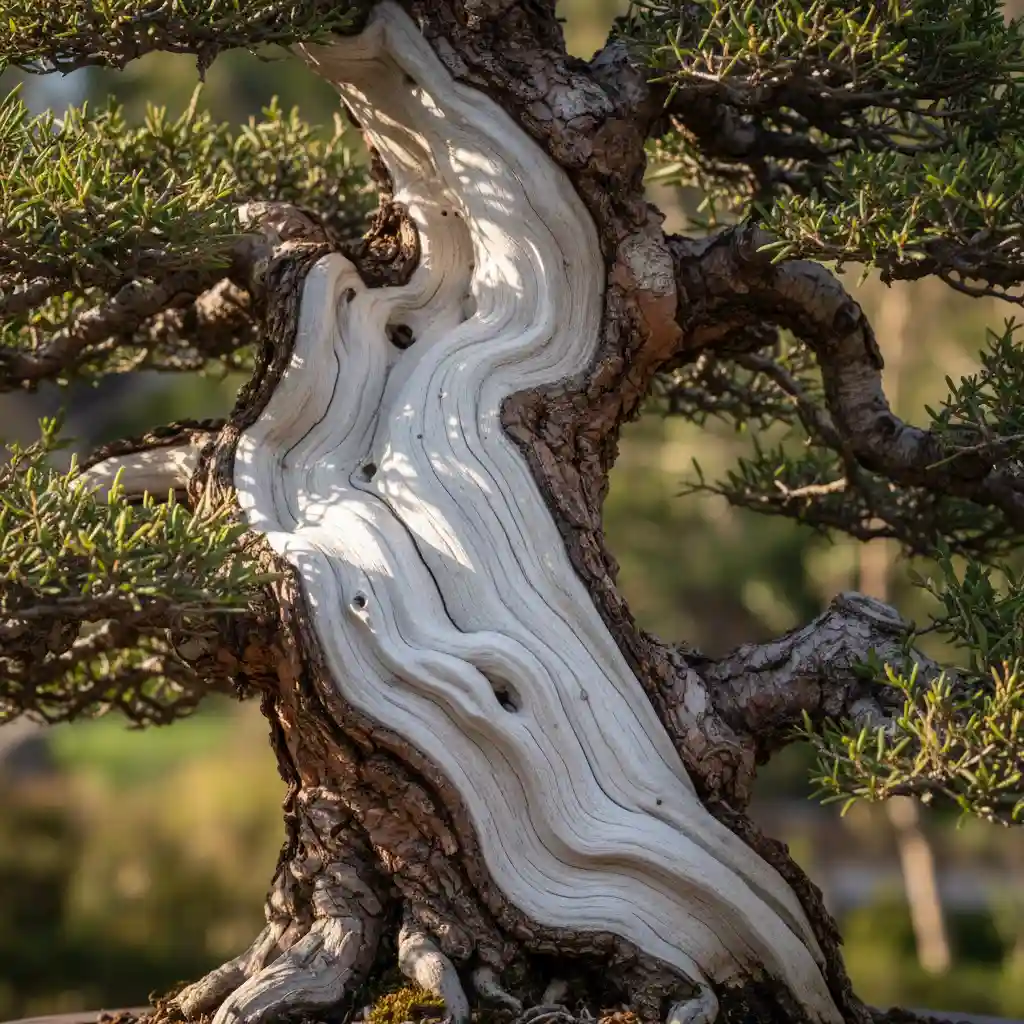
Shari refers to sections of deadwood on the main trunk of a bonsai. These sections are often created to look like lightning strikes, severe branch breaks, or old bark damage. A well-executed Shari exposes the beauty of the underlying wood grain, adding significant visual interest and a profound sense of age to the tree.
It highlights the tree’s journey and resilience over decades, often revealing the very heart of its being. Shari works best when it flows seamlessly with the natural lines of the tree, accentuating its form and movement. This technique is a crucial aspect of advanced bonsai deadwood techniques, bringing life to stillness.
Developing Shari Sections
To create Shari, begin by identifying a suitable section of the trunk. This often involves careful planning on how the deadwood will flow with the living veins of the tree. Using a sharp knife or specialized Shari tools, carefully outline the area of bark to be removed. Remember, Shari should always connect from top to bottom, avoiding isolated patches. This looks more natural and artistically coherent, resembling a natural scar or weathered stripe.
Gently peel or cut away the bark within the outlined area. Be extremely careful not to damage the living sapwood underneath that supplies nutrients to the rest of the tree. The living veins should remain intact and protected at all costs. Once the bark is removed, the exposed wood is then carved and refined. You can use chisels, rotary tools, or even a small hammer and chisel to create grooves, texture, and contours that suggest natural erosion and the passage of time. The goal is to make the Shari appear as old and natural as possible.
Like Jin, Shari also requires preservation with lime sulfur. The bleaching effect of lime sulfur accentuates the raw beauty of the wood, making it stand out against the living bark. Regular reapplication ensures the Shari remains clean, strong, and resistant to pests and decay. The interplay between the smooth living bark and the rough, bleached Shari is a hallmark of advanced bonsai artistry, creating a dynamic visual contrast and a deeper narrative for the tree.
Preserving Your Deadwood Features
Once you have carefully crafted your Jin and Shari, preserving them is crucial for their longevity and aesthetic appeal. Exposed deadwood is vulnerable to rot, pests, and discoloration if left untreated. This makes effective Disease Management for NZ Bonsai: Fungal, Bacterial & Viral Threats critical. Proper preservation ensures that your artistic efforts endure for many years, maintaining the striking contrast between living and dead elements and protecting the tree’s overall health.
This section focuses on essential seasonal care for deadwood, ensuring it remains a beautiful and integral part of your bonsai for decades. Neglecting preservation can lead to rapid deterioration of these carefully created features, undermining the entire artistic vision. Therefore, understanding and applying these techniques is as important as the creation itself.
Lime Sulfur Application
The primary method for preserving bonsai deadwood is the application of lime sulfur solution. This chemical compound serves multiple purposes. It bleaches the wood to a natural bone-white color, which enhances its visual appeal. It also acts as a powerful fungicide to prevent fungal decay, a common issue for exposed wood. Furthermore, it deters insect infestations.
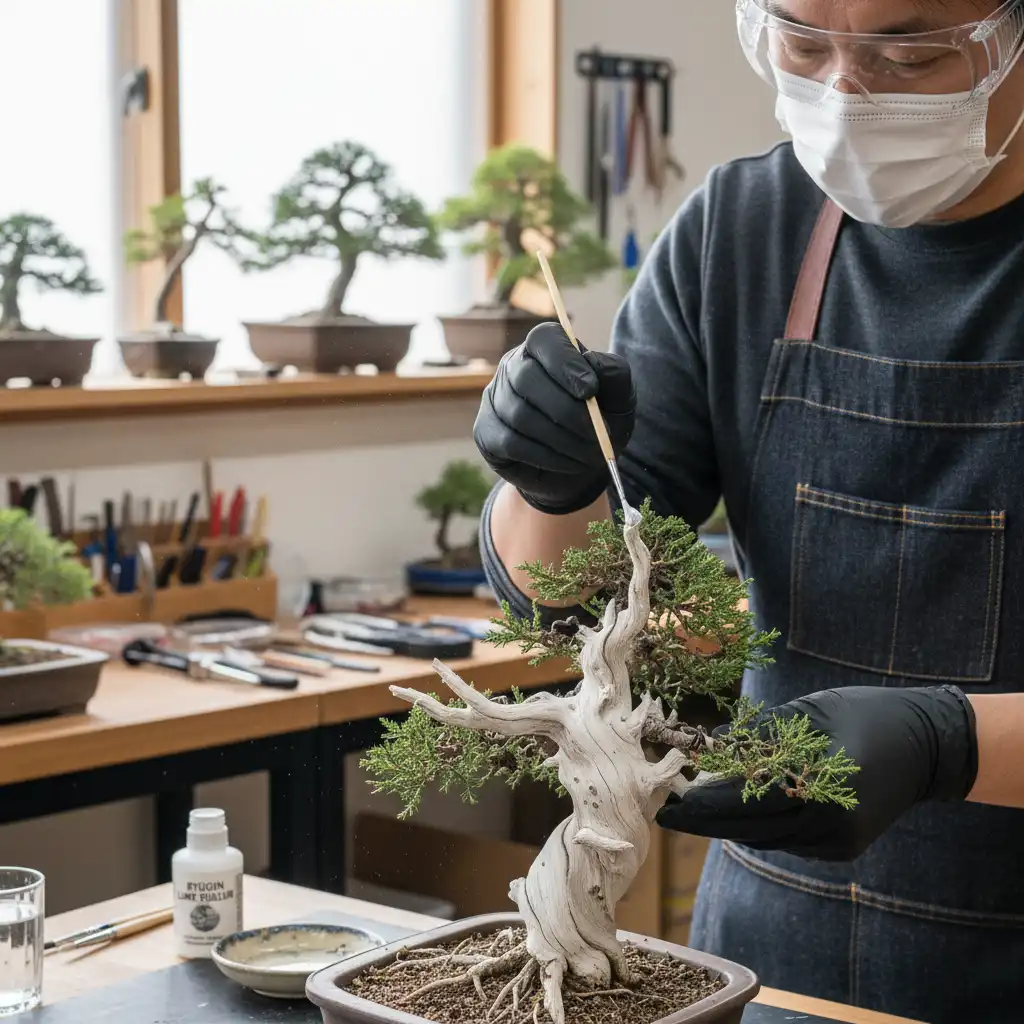
Lime sulfur is a crucial step in all bonsai deadwood techniques. It is often applied during dormant seasons to minimize impact on living foliage and the tree’s overall growth cycle. Mix lime sulfur according to the product instructions, which often involves diluting it with water. Use a small brush to carefully paint the solution onto all exposed deadwood areas, avoiding contact with living bark and foliage. This precision is important to protect the living parts of the tree.
Apply several coats, allowing each to dry thoroughly before the next application. Wear gloves and eye protection when working with lime sulfur, as it is an irritant and can cause skin or eye damage. Repeat this process annually or biennially, depending on your climate and how quickly the deadwood weathers. For more information on the chemical properties of lime sulfur, you can consult Wikipedia’s entry on Lime Sulfur. This practice is essential for maintaining the health and beauty of your deadwood features, securing their place as a long-lasting element of your bonsai design.
Ongoing Maintenance and Protection
Beyond lime sulfur, ongoing maintenance includes regular inspection of deadwood for any signs of decay, cracking, or pest activity. Early detection of issues can prevent more serious problems. Minor cracks can sometimes be filled with wood putty specifically designed for bonsai, or with a mixture of epoxy and sawdust. This helps maintain the integrity of the deadwood features.
In very damp climates, some artists also use specialized wood hardeners or clear sealants over the lime sulfur. This provides an extra layer of protection, though it is less common for traditional aesthetics. Protecting your deadwood contributes to the environmental resilience of your bonsai and helps it withstand various conditions.
Positioning your bonsai to protect its deadwood from excessive moisture is also helpful, especially during prolonged wet periods or harsh winters. While deadwood is meant to look weathered, constant dampness can accelerate decay. A little rain is fine, but continuous soaking might require moving the tree under cover. During dry, hot summers, ensure the deadwood doesn’t dry out excessively and crack, though this is less common with proper lime sulfur treatment. Seasonal care is vital for maintaining these delicate, artistic features, including specific considerations for Spring Care for Bonsai SH. Proper watering and humidity management, alongside understanding Bonsai Soil, Fertilization & Nutrition, are part of this broader care strategy.
Cultural Significance and Display
Deadwood in bonsai is more than just a technique; it is a profound artistic statement rooted in Japanese aesthetics. It embodies the concept of Wabi-Sabi, finding beauty in imperfection, transience, and natural aging. This philosophy values the rustic, the irregular, and the effects of time.
The stark contrast between living foliage and bleached deadwood often symbolizes the triumph of life over adversity. It represents the tree’s struggle and survival against the elements. This adds a deep philosophical layer to the visual art, inviting deeper contemplation from viewers.
When displaying bonsai with significant deadwood, artists carefully consider the viewing angle and accompanying elements. The deadwood should guide the eye, creating a sense of movement and drama within the composition. Paired with suitable accent plants or an aged ceramic pot, a bonsai featuring striking Jin or Shari becomes a focal point. It invites contemplation and admiration for its artistic and historical narrative. The cultural understanding of these effects elevates the appreciation of bonsai deadwood techniques, making each piece a living story.
Species-Specific Considerations for Deadwood
While bonsai deadwood techniques can be applied to many species, some trees are particularly well-suited due to their natural characteristics and wood density. Junipers (especially Shimpaku and Itoigawa varieties) are perhaps the most famous candidates. Their wood is extremely durable and takes on a beautiful white patina when treated. This makes them ideal for intricate Jin and Shari.
Pines, particularly Japanese Black Pine and Scots Pine, also make excellent candidates for both Jin and Shari. Their tough wood and natural tendency to shed bark lend themselves well to these techniques. Deciduous trees like Maples or Elms can have deadwood, but it often requires more rigorous preservation as their wood tends to decay faster. Their deadwood might also look less natural if not carefully crafted, requiring greater skill and maintenance.
Understanding the specific properties of your chosen species is crucial for successful and long-lasting deadwood features. Always research your tree type thoroughly before embarking on advanced bonsai deadwood techniques, ensuring both artistic success and the long-term health of your tree. Different woods react differently to carving and preservation, so preparation is key.
Conclusion: The Art of Aged Beauty
Mastering bonsai deadwood techniques like Jin and Shari is a rewarding journey that elevates your bonsai art. It transforms your trees, giving them an ancient, weathered character that speaks of resilience and time. By carefully selecting branches and trunk sections, expertly carving the wood, and diligently preserving it with lime sulfur, you can create breathtaking features that captivate observers.
Remember that practice and patience are key to this art form. Each tree is unique, and developing an eye for naturalistic deadwood comes with experience and observation, often accelerated by connecting with your community through resources like Finding Bonsai Mentors & Clubs in NZ: Connect with Your Community.
Embrace these powerful bonsai deadwood techniques to tell a richer story with your living sculptures, creating pieces that embody both fragility and enduring strength. This artistry connects deeply with nature’s enduring power.