History of Bonsai in NZ: From Early Imports to Native Excellence
What You Will Learn
Discover the fascinating NZ bonsai history, from its early imports to the innovative adoption of native New Zealand species and its unique local aesthetic.
History of Bonsai in NZ: From Early Imports to Native Excellence
Explore the rich and unique journey of bonsai in Aotearoa, from its ancient origins to its distinctive New Zealand native expression.
New Zealand, Aotearoa, a land renowned for its breathtaking landscapes and unique flora, has forged a distinctive path in the ancient art of bonsai. What began as a delicate imported tradition has blossomed into a vibrant local culture, celebrated for its innovative embrace of native species. This article delves into the fascinating NZ bonsai history, tracing its evolution from initial introductions to its current status as a unique blend of global influence and indigenous excellence.
Table of Contents
Early Introductions of Bonsai to NZ
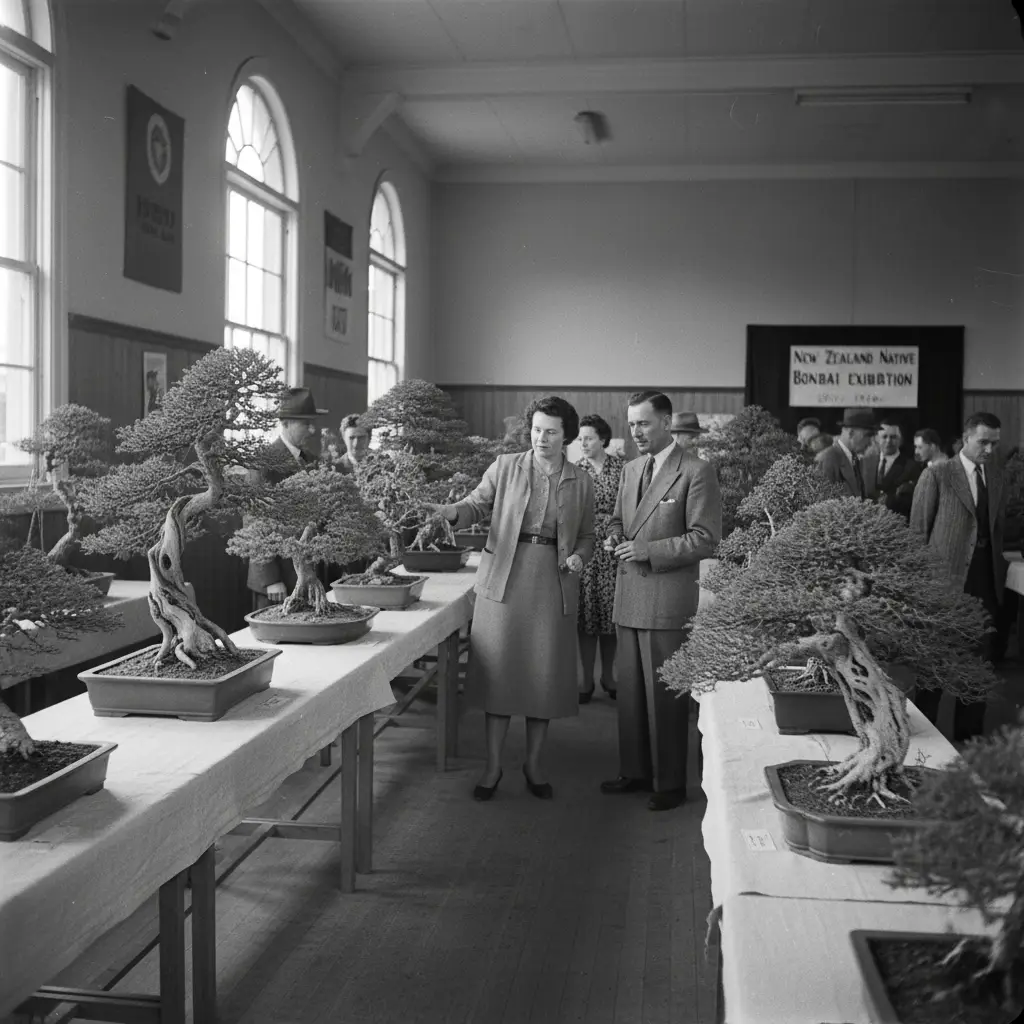
The seeds of bonsai arrived in New Zealand primarily in the mid-20th century, post-World War II. Returning servicemen and a wave of new immigrants, particularly from Asian countries, brought with them not just memories but also tangible elements of their cultures. Among these was the captivating art of bonsai. Initially, it was a niche hobby, practiced by a small but dedicated group of enthusiasts who often worked with imported trees or those traditionally used in other parts of the world.
Early practitioners faced significant challenges. Access to specialized tools, suitable pots, and most importantly, information, was limited. Books were scarce, and the internet was decades away. Knowledge was often passed down informally, through personal connections or from diligent study of any available imported literature. This foundational period was characterized by experimentation and a deep respect for the established Japanese traditions, which were then the primary reference point for the art form.
Influences from International Masters
As the interest in bonsai grew, so did the desire for deeper understanding and refined techniques. New Zealand practitioners began to seek out knowledge from international masters. Seminars, workshops, and visits from renowned bonsai artists, particularly from Japan and later from Australia and the USA, became pivotal events. These interactions provided invaluable insights into styling, horticulture, and the philosophical underpinnings of bonsai.
Enthusiasts learned advanced Bonsai Pruning & Wiring Techniques, and the aesthetic principles that govern classical bonsai styles. While these influences were foundational, a subtle shift was beginning to occur – a growing awareness of New Zealand’s unique environmental context and its potential for a distinct bonsai identity.
“The early exposure to international masters was like laying a strong foundation. It taught us the ‘rules’ before we could truly begin to ‘break’ them and explore our own local expression.” – A notable NZ bonsai pioneer.
The Rise of NZ Native Bonsai
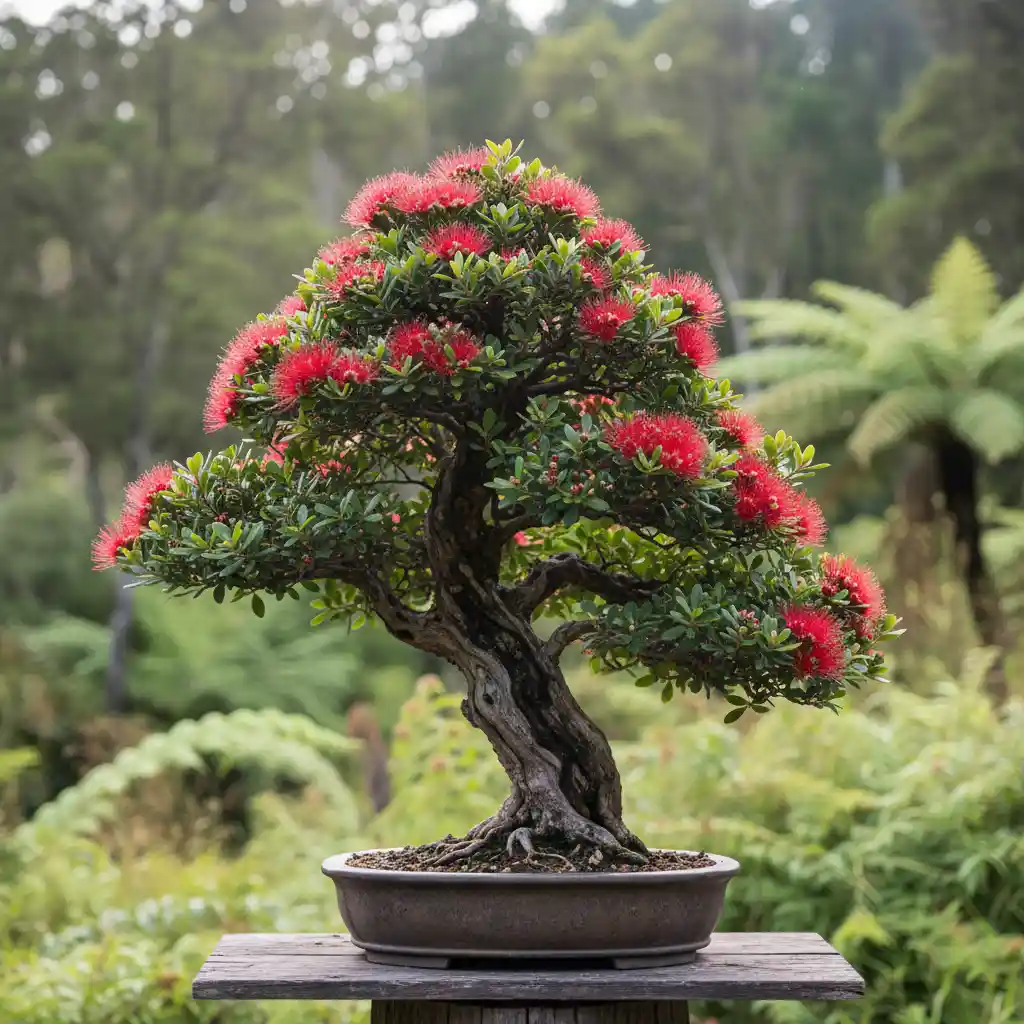
Perhaps the most significant chapter in NZ bonsai history is the emergence and proliferation of native bonsai. Early practitioners, initially focused on traditional imports, began to cast their eyes on the rich tapestry of New Zealand’s indigenous flora. Species like the sturdy Pohutukawa (Metrosideros excelsa), the ancient Totara (Podocarpus totara), the delicate Manuka (Leptospermum scoparium), and many others, presented both unique challenges and unparalleled opportunities.
Styling native trees required innovation. Their growth habits, leaf structures, and flowering patterns often differed significantly from traditional Japanese species. This led to the development of new techniques and an evolving aesthetic that celebrated the rugged beauty, resilience, and distinct character of New Zealand’s natural environment. This movement fostered a sense of national pride and a unique contribution to the global bonsai community.
Did You Know?
New Zealand boasts approximately 80% endemic plant species, meaning they are found nowhere else in the world. This botanical uniqueness provides an extraordinary palette for native bonsai artists.
Key Figures and Milestones in NZ Bonsai
The growth of bonsai in New Zealand owes much to the dedication of pioneering individuals. Figures like Grant Douglas, John Buckley, and many others, through their tireless efforts in teaching, exhibiting, and advocating for native species, helped shape the current landscape. They established clubs, organized national conventions, and published early guides tailored to the New Zealand context.
- 1970s-1980s: Formation of the first formal bonsai clubs across major cities, fostering community and knowledge sharing.
- 1990s: Increased international exchanges and the growing prominence of New Zealand artists on the world stage.
- Early 2000s: The establishment of the Bonsai Association of New Zealand (BANZ), providing a national body for promotion and education.
- Present: A thriving community with numerous clubs, workshops, and exhibitions showcasing both traditional and innovative native bonsai.
Milestone Stat
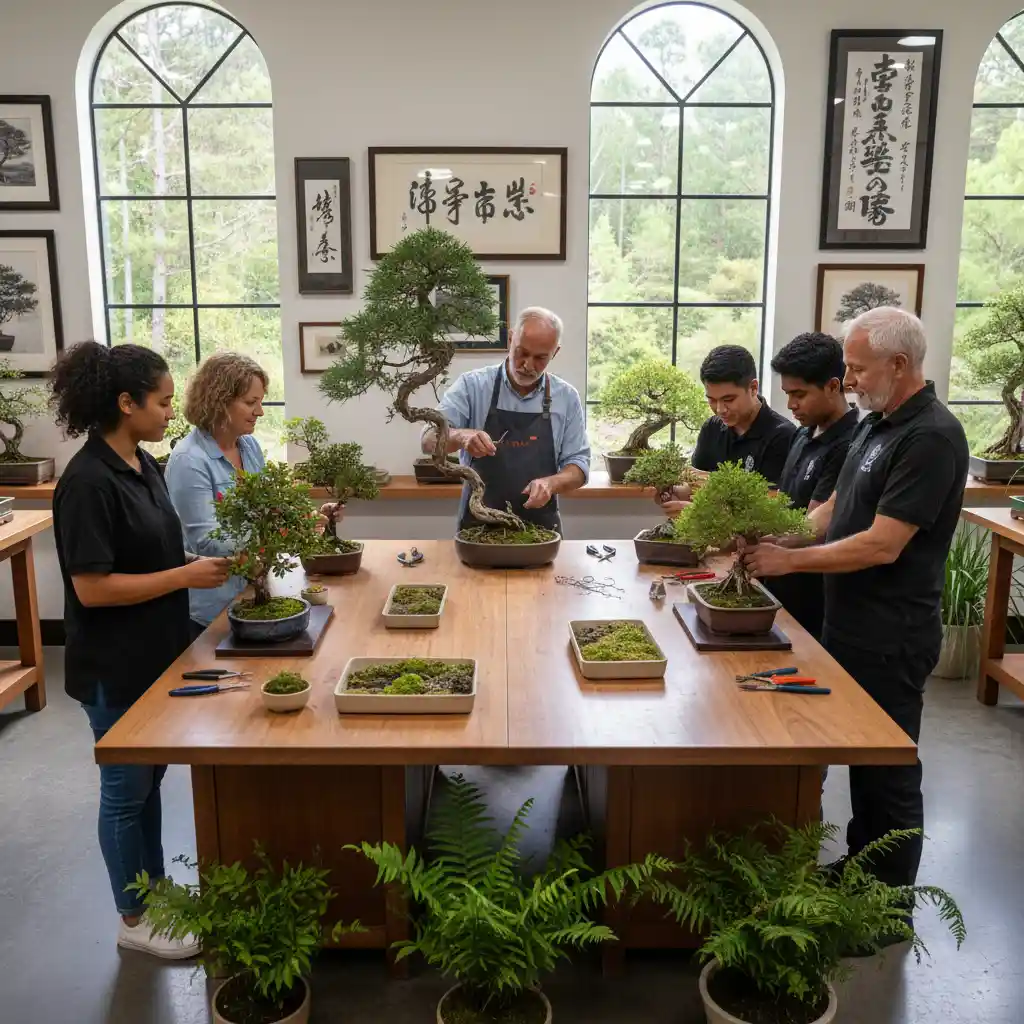
The Bonsai Association of New Zealand (BANZ) was officially formed in 1999, uniting numerous regional clubs and significantly boosting the national profile and coordination of bonsai activities.
Documenting the Local Legacy
Preserving the NZ bonsai history is vital for future generations. Efforts are continuously made to document the journey, from the early days of experimentation to the sophisticated artistry seen today. This includes photographic archives of significant trees, records of pioneering artists, and the collection of historical texts and club newsletters. Workshops and educational initiatives play a crucial role in passing down both traditional knowledge and innovative techniques for working with native species.
The future of bonsai in New Zealand looks bright, with a new generation of artists embracing the challenges and rewards of this ancient art form. The unique New Zealand aesthetic, characterized by a deep connection to the land and its distinctive flora, continues to evolve, promising a legacy that is both globally recognized and uniquely Aotearoa.
Frequently Asked Questions (FAQ)
What are some popular native NZ species for bonsai?
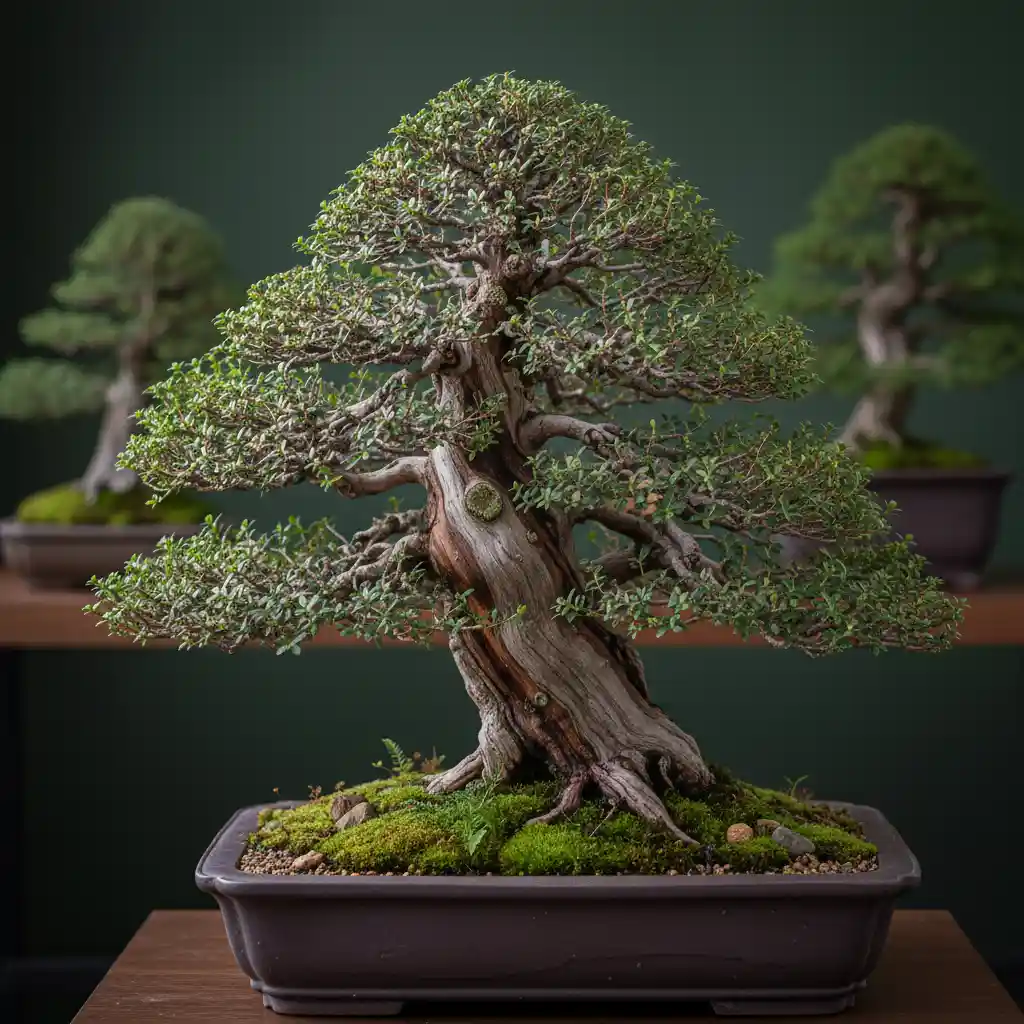
Popular native New Zealand species for bonsai include Pohutukawa (Metrosideros excelsa), Totara (Podocarpus totara), Manuka (Leptospermum scoparium), Kanuka (Kunzea ericoides), and various species of Hebe. Each offers unique characteristics for styling.
When did bonsai first arrive in New Zealand?
Bonsai first gained traction in New Zealand after World War II, primarily in the 1950s and 60s, brought by returning servicemen and new immigrants.
Are there specific challenges to growing native NZ bonsai?
Yes, native species often have unique growth habits, specific pruning responses, and sometimes slower growth rates or particular environmental needs. Understanding Bonsai Soil Mixes is also crucial. Addressing challenges like Bonsai Fungal Disease Solutions and learning specific traits, such as proper Spring Care for Bonsai, is key to successful native bonsai cultivation.
How can I learn more about NZ bonsai history?
You can learn more by Finding Bonsai Mentors & Clubs in NZ: Connect with Your Community, attending national conventions organized by the Bonsai Association of New Zealand (BANZ), reading local bonsai publications, and seeking out experienced practitioners.
Is there a national bonsai organization in NZ?
Yes, the Bonsai Association of New Zealand (BANZ) serves as the national body for bonsai enthusiasts, clubs, and artists, promoting the art and providing resources.