Understanding Bonsai Soil Mixes
bonzai.co.nz
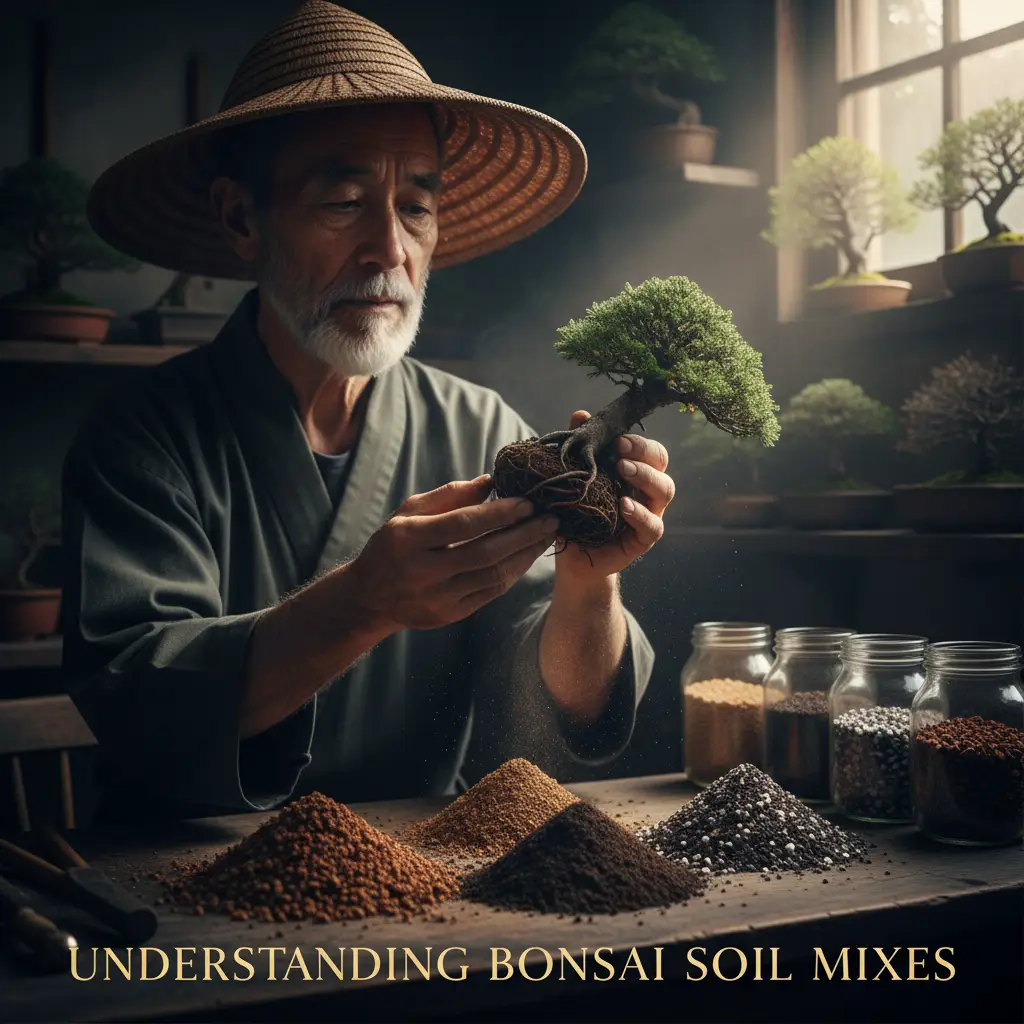
Bonsai soil is a specialized potting medium crafted to provide optimal drainage, aeration, and water retention for miniature trees. It differs significantly from regular garden soil, preventing root rot and promoting strong, healthy root development, crucial for the long-term vitality of your bonsai.
Choosing the right soil is one of the most important decisions you’ll make for your bonsai tree. Far from being simple dirt, bonsai soil is a carefully engineered blend designed to meet the unique needs of these miniature masterpieces. It’s essential for healthy root development and the overall well-being of your tree.
This guide will walk you through everything you need to know about selecting and mixing the ideal bonsai soil for beginners. We’ll cover the core components, discuss pre-made options, and even provide simple recipes for creating your own mixes.
Why Traditional Soil Doesn’t Work for Bonsai
Regular garden soil or standard potting mix is too dense for bonsai trees. It compacts easily, which limits air circulation and retains too much water. This leads to poor drainage, suffocating the delicate root system and encouraging root rot, a common killer of bonsai. Understanding common issues, including Common Pests of NZ Native Bonsai: Identification & Organic Solutions, is vital for long-term health.
Bonsai trees require a medium that provides excellent drainage and aeration. This allows their fine feeder roots to breathe and prevents them from sitting in stagnant water. At the same time, the soil must retain enough moisture and nutrients to support growth.
Key Components of Ideal Bonsai Soil for Beginners
A good bonsai soil mix balances several crucial properties: drainage, aeration, and water retention. Achieving this balance often requires a blend of inorganic and organic materials. Understanding these components is the first step to mastering bonsai care.
Inorganic Components
These materials provide structure, promote drainage, and ensure proper aeration. They don’t break down quickly, offering long-term stability for the root system.
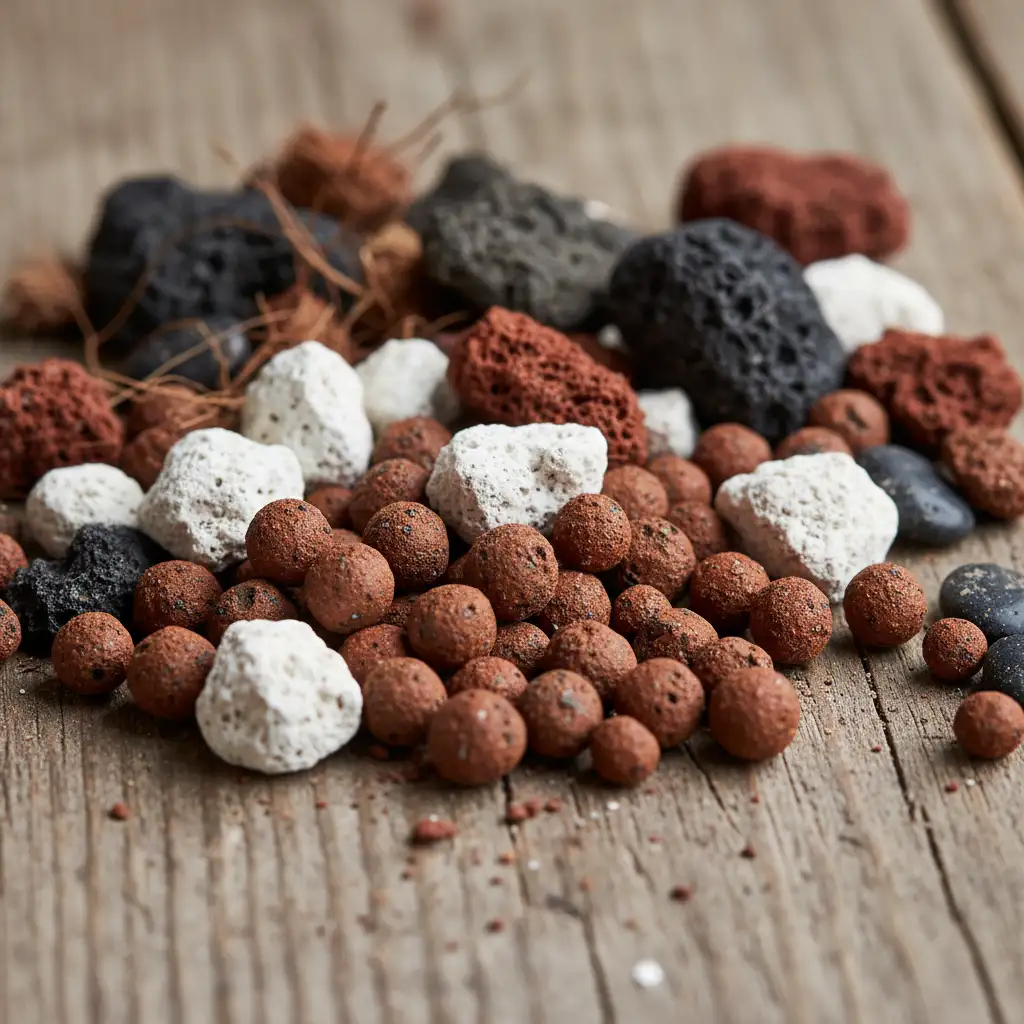
- Akadama: A hard-baked clay granule from Japan, Akadama is the cornerstone of many bonsai mixes. It offers good drainage, retains water, and changes color when wet, indicating when to water. As it ages, it breaks down, signaling the need for repotting. For more information on Akadama, visit Source.
- Pumice: A lightweight, porous volcanic rock. Pumice provides excellent aeration and water retention due to its sponge-like structure. It’s often used to lighten mixes and improve overall drainage.
- Lava Rock: Another volcanic material, lava rock offers strong structure, good drainage, and aeration. Its irregular surfaces can also help anchor roots. It comes in various sizes and colors.
- Kiryu: A volcanic gravel, Kiryu is particularly favored for conifers like pines and junipers. It provides exceptional drainage and aeration, crucial for species that prefer drier conditions.
Organic Components
Organic materials are vital for providing nutrients and enhancing water retention. They also help to slightly lower the pH, which many bonsai species prefer.
- Pine Bark Fines: Small pieces of aged pine bark provide some water retention and help to break down slowly, releasing nutrients. Ensure they are composted and free of large chunks.
- Sphagnum Peat Moss: While good for water retention, peat moss can compact easily. It should be used sparingly, if at all, in most bonsai mixes to avoid excessive moisture.
- Coconut Coir: A sustainable alternative to peat moss, coir also offers good water retention and aeration. It’s less prone to compaction and provides a more stable pH.
The Importance of Particle Size
The size of the individual soil particles is extremely important. Most experts recommend using particles between 1/8 and 1/4 inch (3-6mm) for mature trees. Smaller particles are sometimes used for younger trees or very fine-rooted species. Consistent particle size creates air pockets and allows water to flow through, preventing compaction.

Pre-Mixed Bonsai Soil for Beginners
For those new to bonsai, commercial pre-mixed soils offer a convenient starting point. These mixes are formulated to provide a balanced environment, saving you the hassle of sourcing individual components. They are a great way to begin your bonsai journey without worrying about complex ratios.
Advantages of Commercial Mixes
- Convenience: Ready to use right out of the bag.
- Balanced Formula: Designed by experts to suit a wide range of bonsai trees.
- Reliability: Consistent quality and composition.
When to Use Pre-Made Options
Pre-made bonsai soil for beginners is ideal for your first few trees. As you gain experience, you might explore custom mixes tailored to specific species or local climate conditions. Always choose reputable brands known for quality. Look for mixes that clearly list their ingredients, ensuring they contain the inorganic components discussed earlier.
DIY Bonsai Soil Recipes
Once you understand the basic components, you can create your own custom soil mixes. This allows you to fine-tune the drainage and water retention for specific tree species and your local environment. Understanding these nuances is crucial, and you can find a useful Bonsai Species Comparison for Different Climates to guide your choices. For example, learning about Soil & Fertilization for NZ Native Bonsai: Custom Blends & Feeding can significantly improve your results. Here are a few common starting points for different types of trees.
General Purpose Mix
This mix is a good all-rounder for many common bonsai species, offering a balance of drainage and water retention. For specific guidance on popular indoor varieties, you might explore Ficus Bonsai Care: Indoor Growing and Shaping.
- 2 parts Akadama
- 1 part Pumice
- 1 part Lava Rock
You can add a small amount of pine bark fines (up to 10%) if you need slightly more water retention, especially in very hot or dry climates.
Mix for Conifers
Conifers like pines, junipers, and spruces often prefer sharper drainage. This mix helps prevent the excess moisture that can lead to fungal issues.
- 2 parts Akadama
- 1 part Kiryu
- 1 part Lava Rock or Pumice
The Kiryu enhances drainage significantly, making it perfect for these drought-tolerant species. Ensure good particle size for optimal root health.
Mix for Deciduous Trees
Deciduous trees such as maples and elms generally require a bit more water retention than conifers, especially during their growing season. This mix supports their vigorous growth.
- 3 parts Akadama
- 1 part Pumice
- 1 part Lava Rock
- 0.5 parts Pine Bark Fines (optional, for added water retention)
The slightly higher Akadama content and optional bark provide the extra moisture needed, while still maintaining excellent drainage to prevent root issues.
Repotting and Watering Considerations
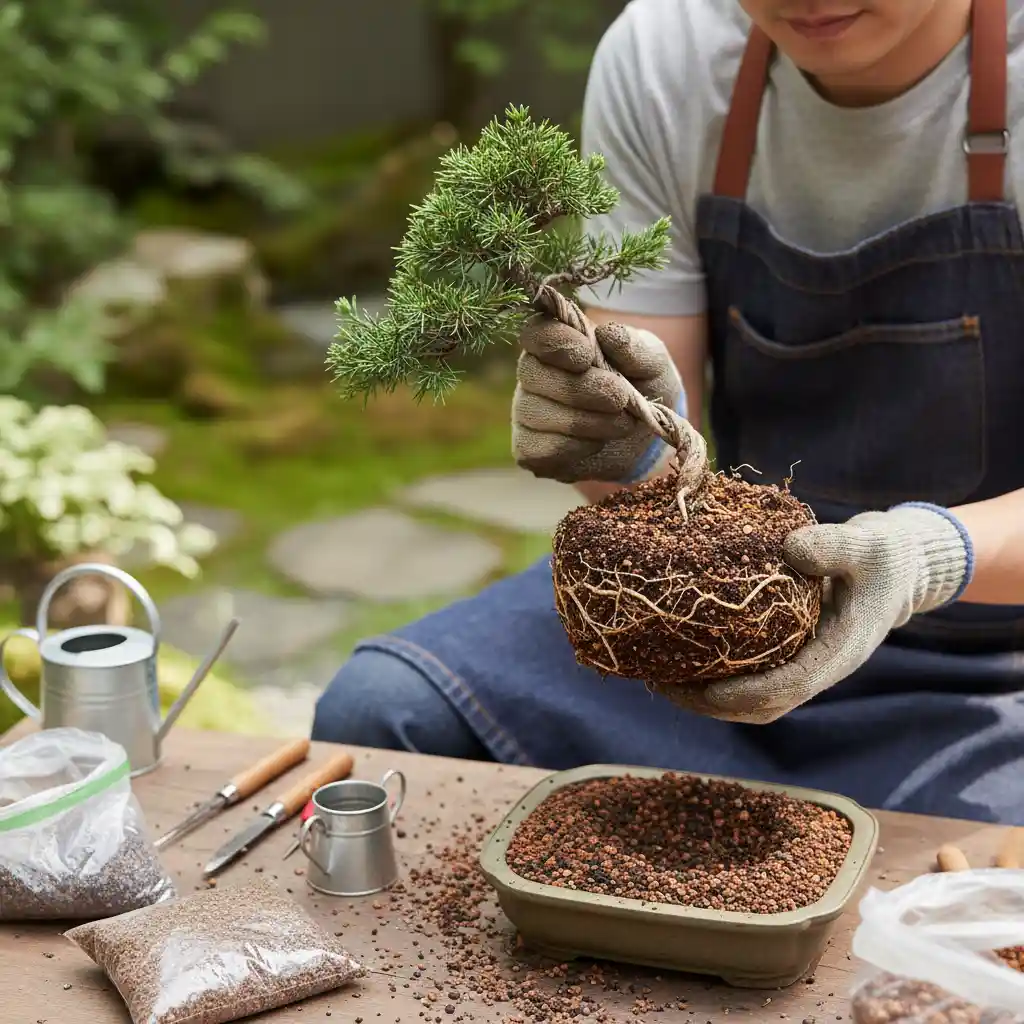
Regardless of your chosen mix, proper repotting is key. When repotting, gently remove old soil and prune any circling or damaged roots. Always use fresh soil when moving your bonsai to a new pot. This ensures the tree has access to a renewed supply of vital nutrients and a healthy growing environment. For comprehensive seasonal guidance, including watering and pruning strategies, delve into Spring Care for Bonsai SH. Watering frequency will depend on your soil mix, climate, and tree species. A well-draining soil means you may need to water more often, but it also reduces the risk of overwatering. For detailed guidance, learn more about Bonsai Watering Techniques. Always check the soil moisture before watering; if the top inch feels dry, it’s likely time to water thoroughly until water drains from the bottom of the pot.
Conclusion
Understanding Bonsai Soil, Fertilization & Nutrition is fundamental to the art of bonsai. By providing your tree with the right potting medium, you ensure healthy root development, robust growth, and a thriving miniature landscape. To further your journey and connect with fellow enthusiasts, explore Social Media for Bonsai Enthusiasts: Groups & Hashtags. Whether you start with a pre-mixed bag or venture into creating your own custom blend, prioritizing drainage, aeration, and water retention will set your bonsai up for success.