Common Pests of NZ Native Bonsai: Identification & Organic Solutions
What You Will Learn
Protect your NZ native bonsai! Learn to identify common pests like aphids, scale, and mites, and discover effective organic solutions for a thriving, beautiful miniature tree.
Unmasking the Tiny Adversaries: A Guide to NZ Native Bonsai Pests & Organic Solutions
Crafting and nurturing a bonsai from New Zealand’s unique native flora is a deeply rewarding art. These miniature trees, like their larger counterparts, bring a piece of our stunning natural landscape into our homes and gardens. However, even the most meticulously cared-for specimens can fall prey to unwelcome guests: common pests. Understanding these tiny adversaries is the first step in protecting your living masterpiece.
This comprehensive guide will equip you with the knowledge to identify the most prevalent NZ native bonsai pests and provide you with effective, organic strategies to combat them. We believe in fostering a healthy ecosystem, not just for your bonsai, but for your entire garden. Let’s delve into securing the vitality and aesthetic beauty of your cherished native bonsai.
Table of Contents
Identifying Common NZ Native Bonsai Pests
Early detection is your most powerful weapon against NZ native bonsai pests. Regularly inspecting your bonsai allows you to catch infestations before they escalate, making organic treatments far more effective. Know what to look for and where these common culprits hide.
1. Aphids: The Sap Suckers
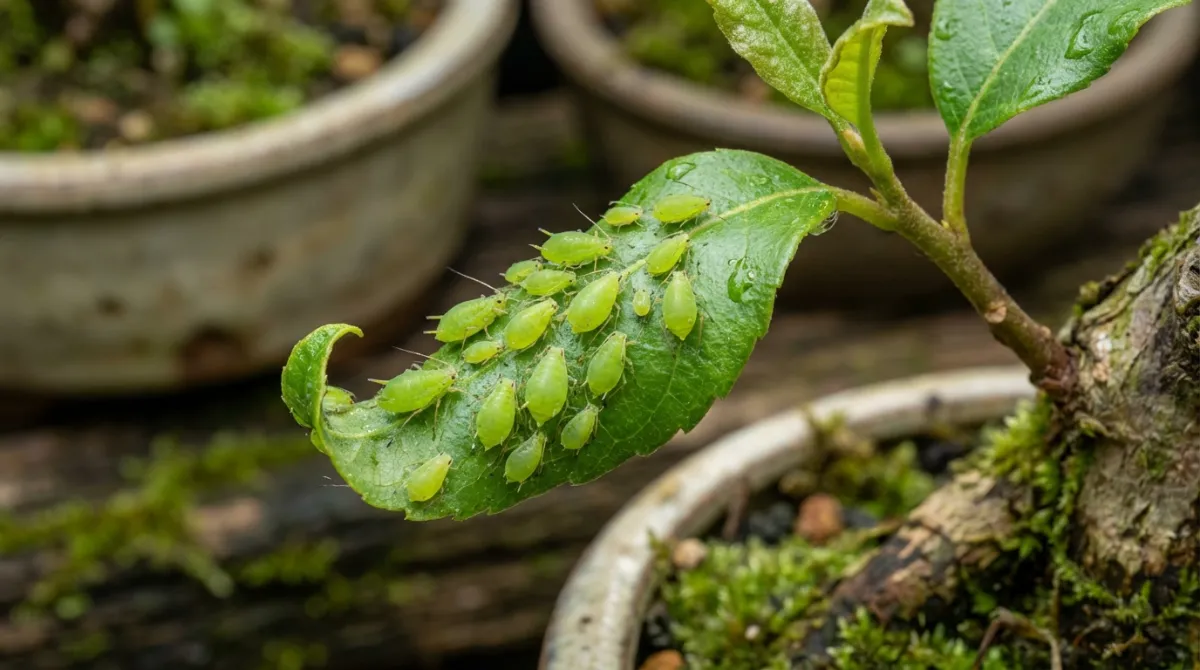
Appearance: Small, pear-shaped insects, often green, black, yellow, or pink. They can be winged or wingless. Typically found in clusters on new growth.
Damage Signs: Look for distorted, curled, or yellowing leaves, especially on tender new shoots. Aphids excrete a sticky substance called honeydew, which can lead to sooty mold growth (a black fungal coating) on leaves and branches. Ants are often attracted to honeydew, so their presence can also indicate an aphid problem.
2. Scale Insects: Armored Invaders
Appearance: These pests are masters of camouflage. They appear as small, immobile bumps or discs on stems, branches, and leaf undersides. Their protective waxy coating comes in various colors (brown, white, black) and shapes (oval, round). They can be hard or soft-bodied.
Damage Signs: Similar to aphids, scale insects feed on plant sap, leading to yellowing leaves, stunted growth, and branch dieback. They also produce honeydew, so look for sticky residue and sooty mold. Scraping a ‘bump’ with your fingernail can reveal the insect underneath.
3. Spider Mites: Microscopic Menace
Appearance: These are tiny arachnids, barely visible to the naked eye. Often red or brown. You’re more likely to spot their damage or tell-tale webbing than the mites themselves.
Damage Signs: Look for fine stippling (tiny dots) on leaves, often yellowish or bronze. As the infestation worsens, you’ll see fine, silken webbing, especially at leaf axils and on the undersides of leaves. Leaves may become bleached or turn bronze. A quick test involves shaking a suspected branch over a white piece of paper; tiny moving dots indicate mites.
Natural and Organic Pest Control Methods
Once you’ve identified the specific NZ native bonsai pests threatening your tree, it’s time to implement effective organic solutions. These methods focus on minimal environmental impact while maximizing pest eradication.
1. Manual Removal & Pruning
For small infestations, nothing beats hands-on removal. Gently wipe off aphids and soft-bodied scale with a damp cloth or cotton swab dipped in rubbing alcohol. For more stubborn scale, a soft brush can help dislodge them. If specific branches or leaves are heavily infested, carefully prune them away and dispose of them far from your other plants. Always sterilize your pruning shears before and after use.
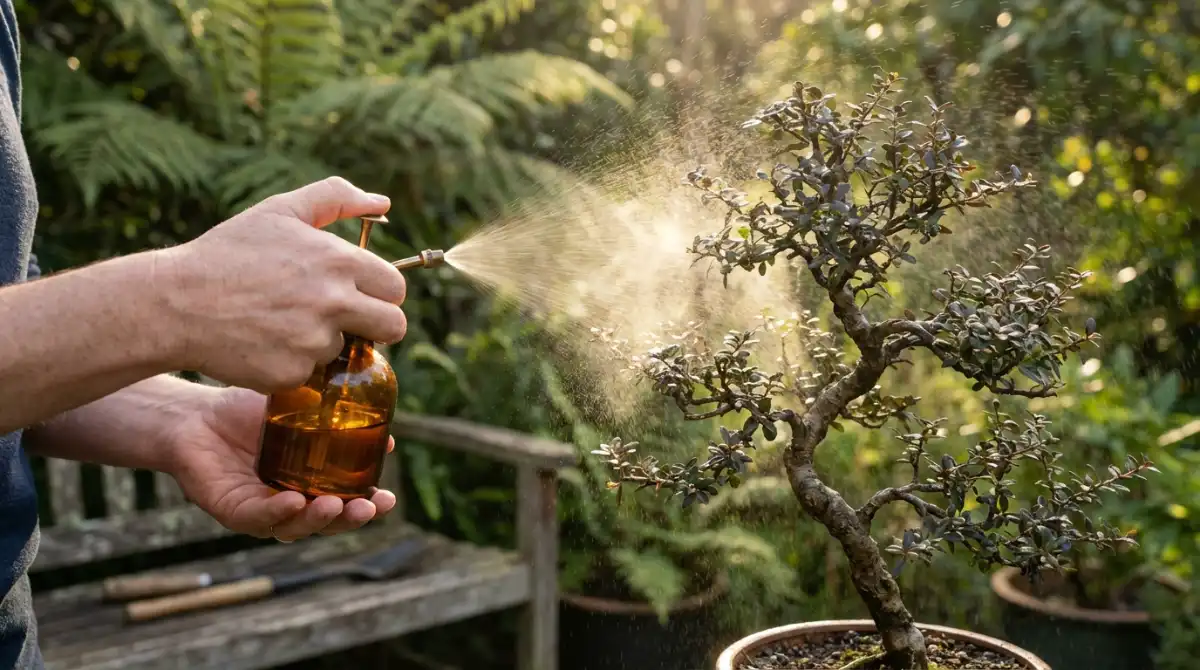
2. Horticultural Oil & Neem Oil Sprays
Horticultural Oils: These light, refined oils suffocate pests by blocking their breathing pores. They are effective against aphids, scale (especially crawlers), spider mites, and whiteflies. Apply thoroughly, ensuring complete coverage of all plant surfaces, including undersides of leaves. Always follow dilution instructions on the product label and avoid spraying in direct sun or extreme heat.
Neem Oil: A natural extract from the neem tree, this oil acts as an antifeedant, growth disruptor, and repellent. It’s effective against a broad spectrum of pests, including aphids, scale, and mites. Neem oil is systemic, meaning the plant absorbs it, offering longer-lasting protection. Again, follow product instructions diligently.
3. Insecticidal Soaps
These specially formulated soaps work by disrupting the cell membranes of soft-bodied insects like aphids, spider mites, and thrips. They are contact killers, so thorough coverage is crucial. Ensure you spray the undersides of leaves where many pests hide. Insecticidal soaps break down quickly and generally have low toxicity to beneficial insects once dry. Do not use household detergents, which can harm your bonsai.
4. Beneficial Insects
Nature provides its own pest control! Introducing beneficial insects like ladybugs (ladybirds), lacewings, or predatory mites can be an excellent long-term strategy, especially in an outdoor bonsai collection. These natural predators feed on aphids, scale crawlers, and spider mites, keeping populations in check. Ensure your environment is free of chemical pesticides before releasing beneficial insects.
Integrated Pest Management (IPM) Strategies for Long-Term Health
Integrated Pest Management (IPM) isn’t just about reacting to infestations; it’s a holistic approach to plant health that minimizes pest issues. For NZ native bonsai pests, IPM combines cultural practices, organic controls, and biological solutions for sustainable results.
Regular Inspection Routine
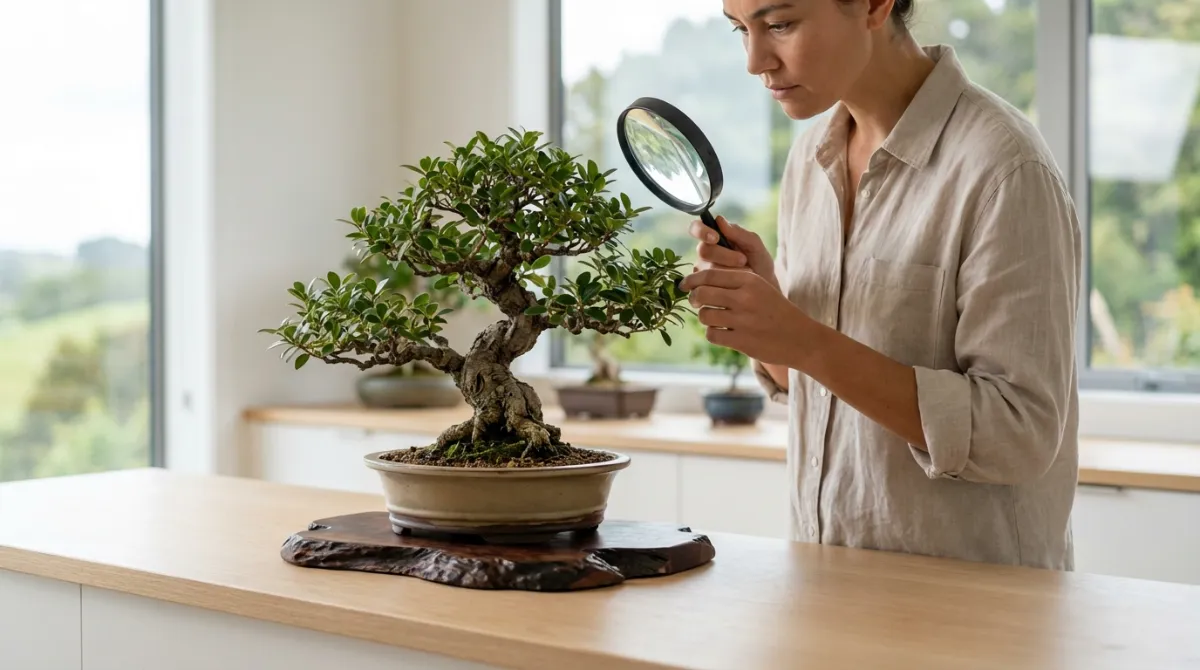
Make a routine of thoroughly inspecting your bonsai at least once a week. Pay close attention to new growth, leaf undersides, and crevices in the bark. A small magnifying glass can be incredibly helpful for spotting spider mites or early signs of scale. Early detection means smaller infestations, which are much easier to control organically.
Environmental Control
Many pests thrive in specific conditions. Spider mites, for instance, prefer hot, dry environments. Increasing humidity around your bonsai (e.g., through misting or pebble trays) can help deter them. For more detailed seasonal advice, especially on managing warm conditions, explore our guide on Summer Bonsai Care: Heat & Humidity Management. Ensure good air circulation to prevent fungal issues and create less hospitable conditions for some pests. Proper light exposure is also crucial; stressed plants are more susceptible to infestations.
Using Organic Solutions Judiciously
Even organic solutions should be used thoughtfully. Apply horticultural oils or insecticidal soaps only when necessary, and always follow recommended dosages and application frequencies. Overuse, even of organic products, can stress your plant or negatively impact beneficial insects. Rotate different types of organic treatments to prevent pests from developing resistance.
“Patience and persistence are key in organic pest management. Understand your plant and its environment, and empower it to thrive naturally.” – Leading Bonsai Expert
Prevention Through Good Husbandry
The best defense against NZ native bonsai pests is a strong offense: ensuring your bonsai is as healthy and vigorous as possible. A healthy plant, nurtured with consistent care and seasonal attention, such as that outlined in our Spring Care for Bonsai guide, is naturally more resistant to pest attacks.
- Proper Watering: Avoid overwatering or underwatering. Consistent, appropriate moisture levels are vital for root health and overall plant vigor. For comprehensive guidance on optimal watering practices, explore our Bonsai Watering Techniques.
- Optimal Fertilization: Feed your bonsai with a balanced, organic fertilizer suited for native plants. Avoid excessive nitrogen, which can lead to soft, sappy growth that is particularly attractive to aphids. For comprehensive guidance on Bonsai Soil, Fertilization & Nutrition, refer to our detailed guide.
- Adequate Light: Provide the correct amount of light for your specific native species. Plants stressed by too much or too little light become vulnerable.
- Quarantine New Plants: Always isolate new bonsai or nursery stock for at least 4-6 weeks before introducing them to your collection. This prevents hitchhiking pests from spreading.
- Cleanliness: Keep your growing area tidy. Remove fallen leaves and debris where pests can hide or overwinter. Regularly clean pots and tools.
- Air Circulation: Good air flow discourages many fungal diseases and makes conditions less favorable for some pests.
Conclusion: Nurturing a Healthy NZ Native Bonsai
Dealing with NZ native bonsai pests can be a challenge, but with a keen eye for identification and a commitment to organic, integrated pest management, your precious trees can thrive. Remember that every tiny pest issue is an opportunity to learn more about your bonsai’s health and its environment.
By implementing these preventative measures and organic treatment strategies, you’re not just fighting pests; you’re cultivating resilience, promoting ecological balance, and ultimately, enhancing the unparalleled beauty of your NZ native bonsai collection for years to come. Developing foundational skills like Bonsai Wiring, understanding appropriate materials through a Bonsai Wire Gauge Guide: Aluminum vs. Copper, and mastering aesthetic techniques like Creating Deadwood Effects (Jin & Shari) on Bonsai are crucial for shaping and maintaining their aesthetic appeal and structural integrity. For further discussions and shared experiences, consider exploring Top Online Bonsai Forums and Communities.
Frequently Asked Questions
What are the most common pests for NZ native bonsai?
The most common pests for NZ native bonsai include aphids, various types of scale insects, and spider mites. These pests feed on plant sap, leading to various forms of damage like stunted growth, yellowing leaves, and honeydew production.
How do I know if my bonsai has spider mites?
Spider mites are tiny and often hard to see. Look for fine stippling (tiny dots) on leaves, yellowish or bronze discoloration, and fine silken webbing, especially on leaf undersides or in branch junctions. A quick test is to shake a suspected branch over a white paper; tiny moving dots indicate mites.
Are organic pest control methods really effective for bonsai?
Yes, organic pest control methods are highly effective for bonsai, especially when applied early and consistently as part of an Integrated Pest Management (IPM) strategy. Methods like manual removal, horticultural oils, neem oil, and insecticidal soaps can successfully eliminate common pests without harmful chemicals.
How often should I inspect my NZ native bonsai for pests?
It is recommended to thoroughly inspect your NZ native bonsai at least once a week. Regular inspections allow for early detection of pests, making them much easier to control organically before an infestation becomes severe.
Can I use household soap to control pests on my bonsai?
No, it is strongly advised not to use household detergents or soaps on your bonsai. These products often contain harsh chemicals, degreasers, and additives that can severely damage or kill your plant. Always use insecticidal soaps specifically formulated for plants.