Seasonal Inversion for Bonsai Care
What You Will Learn
Master Southern Hemisphere bonsai seasonal inversion with expert tips from Bonzai. Learn to adjust care, watering, pruning, & repotting for thriving trees.
Key Takeaways (TL;DR)
- Southern Hemisphere bonsai care requires a complete reversal of Northern Hemisphere seasonal advice.
- Ignoring seasonal inversion can lead to mistimed dormancy, improper pruning, and ultimately, tree health decline.
- Adjust your watering, fertilisation, repotting, and pruning schedules to align with the SH summer (December-February) and winter (June-August).
- Focus on species-specific needs and observe your tree’s natural cycles rather than blindly following calendar dates.
- Seeking advice from local Southern Hemisphere specialists is crucial for long-term bonsai success.
For bonsai enthusiasts in the Southern Hemisphere, the art of cultivating these miniature trees presents a unique challenge: the world is quite literally upside down. While most foundational bonsai literature originates from Northern Hemisphere traditions, directly applying their seasonal guidance can be disastrous for trees south of the equator. Understanding and implementing bonsai seasonal inversion is not just recommended; it’s absolutely essential for the health and longevity of your cherished collection.
At Bonzai, we specialise in the unique demands of Southern Hemisphere bonsai. This comprehensive guide will navigate you through the critical adjustments needed, ensuring your bonsai thrive in their true seasonal context.
The Profound Impact of Inverted Seasons on Bonsai
The Earth’s tilt means that when it’s summer in the Northern Hemisphere, it’s winter in the Southern Hemisphere, and vice versa. For deciduous and temperate evergreen bonsai, this inversion directly impacts their fundamental biological rhythms. Trees don’t recognise calendar months; they respond to environmental cues like day length, temperature, and light intensity. When these cues are reversed, their natural cycles of growth, dormancy, flowering, and fruiting are also reversed.
“Applying Northern Hemisphere care schedules to Southern Hemisphere bonsai is akin to telling a bear to hibernate in spring – it goes against its very nature and can lead to severe stress or even death.”
Consider a Japanese maple, a popular bonsai species. In its native Northern Hemisphere, it enters dormancy in autumn (September-November), rests through winter (December-February), and bursts forth with new growth in spring (March-May). In the Southern Hemisphere, these exact physiological processes occur six months later: dormancy from March-May, winter rest from June-August, and spring growth from September-November. Misinterpreting these cues can lead to:
- Mistimed Dormancy: Forcing dormancy in the wrong season exhausts the tree.
- Improper Pruning: Pruning new growth during its vulnerable ‘winter’ (actual summer) can weaken the tree significantly.
- Nutrient Imbalance: Fertilising a tree that should be dormant can burn roots or stimulate weak, out-of-season growth.
- Weakened Health: Overall stress makes the bonsai more susceptible to pests and diseases.
Adjusting Care Routines for Southern Hemisphere Bonsai
Successfully cultivating bonsai with seasonal inversion means meticulously recalibrating your entire care regimen. It requires a shift in mindset, moving away from calendar dates and towards the actual environmental signals your trees are experiencing. Here’s how to adjust your core care routines, paying special attention to comprehensive Spring Care for Bonsai SH:
Your Southern Hemisphere Bonsai Care Checklist
- Watering:
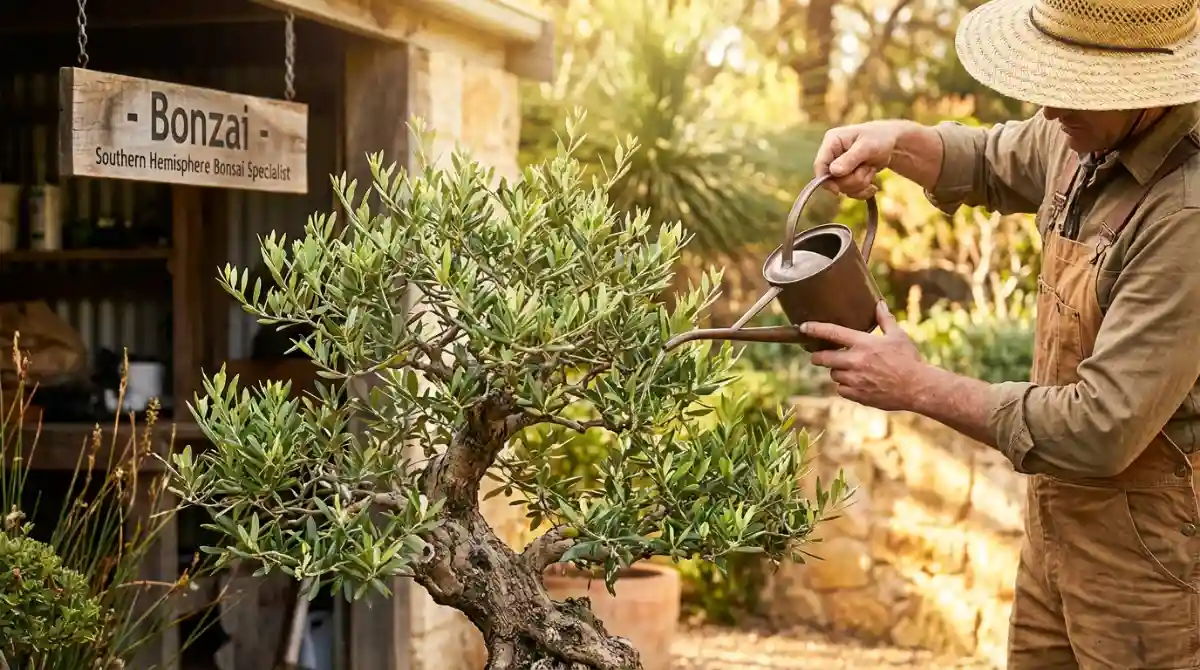
Watering needs directly correlate with growth. During our Southern Hemisphere summer (Dec-Feb), trees are actively growing and transpirate heavily, requiring frequent watering. Conversely, during our winter (June-Aug), when most deciduous trees are dormant and evergreens are growing slowly, watering should be significantly reduced to prevent root rot. Always check soil moisture before watering.
- Fertilisation:
Fertilise to support active growth. For deciduous and temperate evergreen species, this means a robust feeding schedule during our spring (Sep-Nov) and summer (Dec-Feb). Reduce or cease fertilisation as temperatures drop in autumn (Mar-May) and throughout winter (June-Aug), especially for dormant trees. Tropical species may require year-round feeding at reduced rates. For comprehensive guidance on these aspects, check out our guide on Bonsai Soil, Fertilization & Nutrition.
- Pruning & Wiring:
Structural pruning for deciduous trees is best done in late winter (Aug) before spring growth hardens, or after the first flush of spring growth has matured. Defoliation, if practiced, should occur in early to mid-summer (Dec-Jan). Pinching and maintenance pruning for shaping can continue throughout the active growing season, and for specific guidance on refining your trees, see our guide on Bonsai Pruning for Refinement and Ramification. Wiring is generally safest during the dormant period or on hardened growth to avoid scarring. For more advanced styling, explore techniques like Advanced Bonsai Carving & Shaping Methods, Creating Deadwood Effects: Jin and Shari, and Air Layering for New Bonsai Trees.
- Repotting:
The optimal time for repotting most deciduous and temperate evergreen bonsai in the Southern Hemisphere is late winter (July-August), just as the buds begin to swell. For those just starting, our guide on Repotting Your First Bonsai Tree offers foundational advice. This allows the tree to recover and establish new roots quickly with the onset of spring growth. Tropical species may be repotted in early spring or even mid-summer if vigorous.
- Pest & Disease Management:
Vigilance is key year-round, but specific seasonal pressures may shift. During our warm, humid summer, fungal issues and sap-sucking insects can proliferate. In winter, scale and mites might be more prevalent on protected trees. Regular inspection is paramount.
- Environmental Protection:
Protect tender species from our winter frosts (June-August) and provide shade and increased humidity during our intense summer heatwaves (Dec-Feb). Strong winds can also be an issue at any time.
Key Differences from Northern Hemisphere Guides
The vast majority of traditional bonsai literature, online tutorials, and even advanced masterclasses originate from Japan, China, Europe, and North America – all located in the Northern Hemisphere. This creates a significant disparity for Southern Hemisphere practitioners. Here are the crucial divergences:
- Calendar Flip: This is the most obvious, yet most commonly overlooked, difference. A ‘spring’ activity for a Northern Hemisphere guide (e.g., April) becomes a ‘spring’ activity for the Southern Hemisphere (e.g., October). It’s not just swapping months; it’s understanding the underlying climate and photoperiod that drives the tree’s response.
- Climate Zone Nuances: While both hemispheres have temperate and tropical zones, specific microclimates and native flora vary greatly. Southern Africa, Australia, New Zealand, and South America each possess unique environmental conditions that influence species selection and care. For instance, an Australian native like a Port Jackson Fig (Ficus rubiginosa) will respond differently to seasonal changes than a Japanese Black Pine (Pinus thunbergii).
- Species Adaptation: Many common Northern Hemisphere bonsai species (like Japanese maples, pines, junipers) still behave similarly in the Southern Hemisphere, but their timelines are inverted. However, the rise of native species as bonsai in the Southern Hemisphere introduces new care considerations that simply aren’t covered in traditional NH guides. These trees have evolved for Southern Hemisphere conditions and often have unique dormancy or growth patterns.
- Pest and Disease Cycles: The seasonal reversal also impacts the lifecycle and prevalence of pests and diseases. Specific pests might emerge at different times of the year compared to Northern Hemisphere norms, requiring adjusted preventative and treatment strategies.
Why Southern Hemisphere Specific Advice Matters for Your Bonsai
In the world of bonsai, precision and timing are paramount. Ignoring the realities of bonsai seasonal inversion by blindly following Northern Hemisphere guidelines is a surefire path to struggling trees and disappointing results. Here’s why specialized Southern Hemisphere advice from experts like Bonzai is indispensable:
- Optimised Health & Vigor: Correctly timed care routines align with the tree’s natural energy cycles, promoting stronger growth, better resistance to stress, and overall superior health.
- Achieving Artistic Goals: Proper seasonal timing is critical for techniques like defoliation (to promote smaller leaves), flowering (to ensure bloom set), and structural pruning (to encourage desired branch development). Missteps here can set back artistic progress by years.
- Preventing Catastrophes: Repotting at the wrong time, or fertilising a tree entering dormancy, can severely damage or even kill a bonsai. Localized, accurate advice mitigates these significant risks.
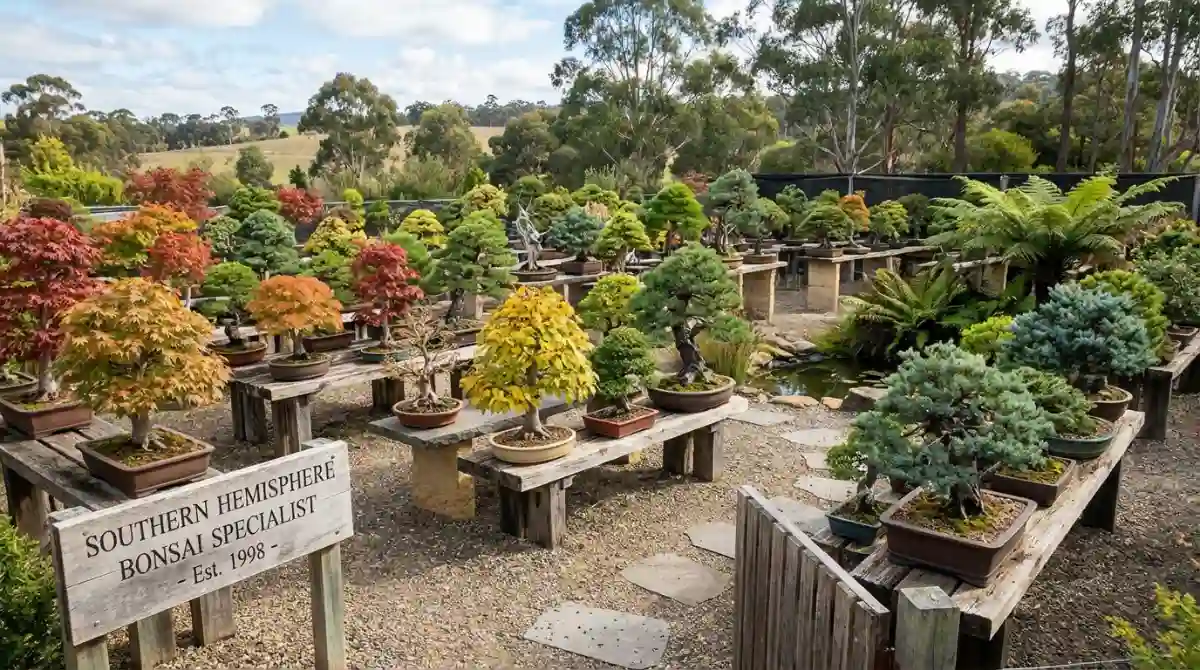
- Leveraging Native Species: The Southern Hemisphere boasts an incredible array of unique flora suitable for bonsai, including those sourced through NZ Yamadori Principles: Ethical Collection & Cultivation of Wild Stock. Understanding their specific needs, which are often vastly different from traditional Asian species, requires local expertise.
- Community & Support: Engaging with a community and specialists who understand your specific environmental context provides invaluable support, shared knowledge, and resources tailored to your conditions.
Embracing the reality of seasonal inversion is not just a technical adjustment; it’s an an acceptance of your unique place in the global bonsai community. It empowers you to become a more attuned and successful bonsai artist, working in harmony with nature’s true rhythms.
Frequently Asked Questions (FAQ)
Q: What exactly is ‘seasonal inversion’ for bonsai?
A: Seasonal inversion refers to the opposite seasonal cycles experienced in the Southern Hemisphere compared to the Northern Hemisphere. For bonsai, it means that traditional care advice (e.g., repotting in Northern Hemisphere spring) must be flipped to align with the Southern Hemisphere’s true spring, six months later. This impacts dormancy, growth, watering, and feeding schedules.
Q: When should I repot my bonsai in the Southern Hemisphere?
A: The optimal time to repot most deciduous and temperate evergreen bonsai in the Southern Hemisphere is in late winter (typically July to August), just before the buds start to swell and new growth emerges for spring. This allows the tree to recover quickly as it enters its active growth phase.
Q: How does fertilisation differ with Southern Hemisphere seasonal inversion?
A: Fertilisation should support active growth, which in the Southern Hemisphere occurs primarily during spring (September-November) and summer (December-February). Reduce or cease fertilisation during autumn and winter when trees are slowing down or dormant. This is the opposite timing to Northern Hemisphere guidelines.
Q: Can I simply ‘flip’ a Northern Hemisphere bonsai calendar?
A: While the general concept of seasonal inversion involves reversing timings, simply flipping a calendar isn’t always sufficient. It’s crucial to understand the underlying biological reasons for each task and adapt it to your local climate’s specific conditions and the species of your tree, rather than just adjusting dates mechanically.
Q: What are the biggest risks of ignoring seasonal inversion for my bonsai?
A: Ignoring seasonal inversion can lead to severe stress, weakened health, susceptibility to pests and diseases, and potentially the death of your bonsai. Key risks include mistimed repotting (leading to root damage), incorrect fertilisation (causing root burn or weak growth), and improper pruning that disrupts natural cycles.