Bonsai Pruning for Refinement and Ramification
bonzai.co.nz
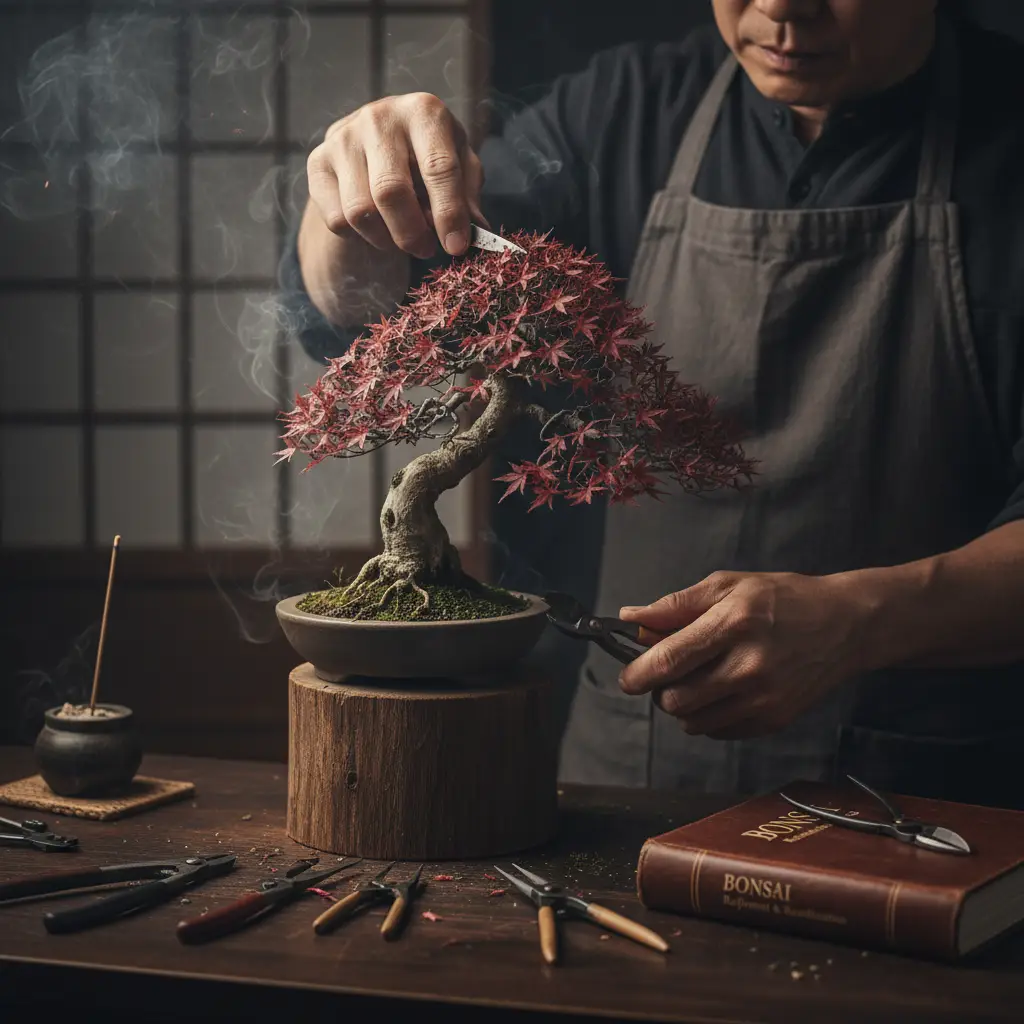
Bonsai ramification pruning is the art of developing an intricate network of fine branches and twigs, creating dense foliage and a mature appearance. It involves strategic cuts to encourage new growth, optimize light penetration, and sculpt the tree’s canopy.
Achieving a truly refined bonsai requires more than just basic care; it demands a deep understanding of bonsai ramification pruning. This advanced artistic styling technique transforms a simple tree into a miniature masterpiece, rich with intricate details and a sense of age. It’s about guiding nature to create a vision of ancient wisdom in miniature.
Understanding Bonsai Ramification
Ramification refers to the development of increasingly finer branches and twigs. Think of it as creating a natural tree canopy, but in miniature. This process is crucial for aesthetic appeal, providing the dense foliage that makes a bonsai look old and established. Beyond beauty, it also ensures proper light distribution throughout the tree, promoting overall health.
Without careful ramification, a bonsai can look sparse or develop weak inner growth. It’s a key part of controlling the tree’s natural tendency towards apical dominance, where growth concentrates at the top and outer edges. Through specific pruning, we redistribute the tree’s energy, encouraging new growth closer to the trunk and on inner branches.
Seasonal Pruning Strategies
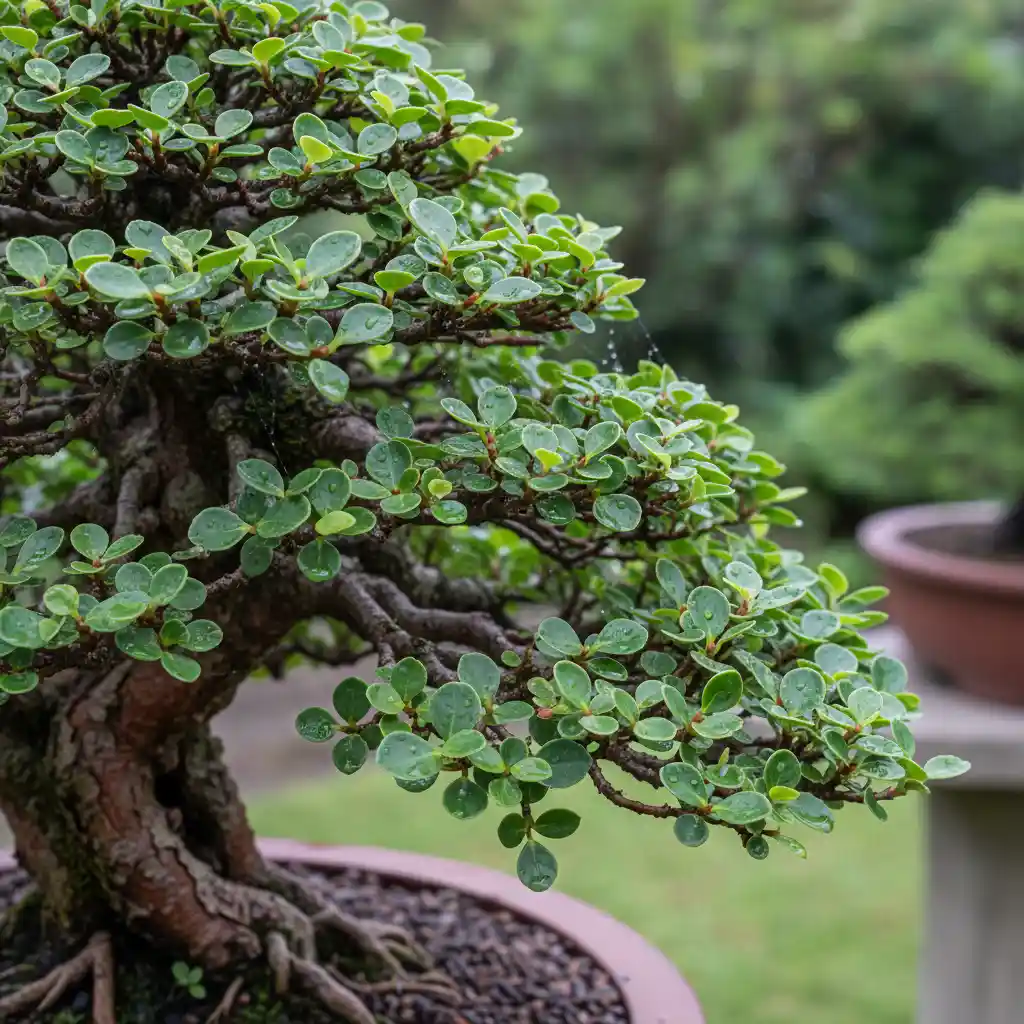
The timing of your pruning cuts significantly impacts the tree’s response. Understanding your tree’s growth cycles and applying species-specific cultivation knowledge is vital for successful ramification.
Spring Pruning: The Growth Surge
Spring is when most bonsai experience their most vigorous growth. For comprehensive guidance on preparing your trees for this crucial season, refer to our guide on Spring Care for Bonsai SH. For deciduous bonsai, heavier structural pruning can be done as buds begin to swell. This sets the stage for the year’s growth. For coniferous bonsai, spring often means candling or decandling, a specialized technique for needle reduction and creating denser pads.
Initial cuts focus on establishing primary and secondary branches. Remove any unwanted shoots, or branches growing downwards, or crossing branches. Be decisive, but always consider the future shape and balance of the tree.
Summer Pruning: Controlling Vigor
During the active growing season, summer pruning is about managing excessive growth and encouraging back-budding. Pinching new shoots on deciduous trees helps balance vigor and promotes ramification closer to the trunk. Techniques like defoliation (removing some or all leaves) can also stimulate a new flush of smaller leaves and finer twigs.
For conifers, summer pruning might involve continued candling or light trimming to maintain pad density. Always be mindful of your specific species’ needs, as some react differently to summer cuts.
Autumn Pruning: Preparation and Refinement
As the growing season winds down, autumn pruning becomes more about minor adjustments and preparing the tree for dormancy. Remove any stray shoots, weak growth, or branches that have grown out of proportion. This is a good time to refine the overall silhouette and ensure all parts of the tree receive adequate light.
Focus on maintaining the shape achieved through spring and summer efforts. Light trimming helps to consolidate the branch structure and refine the final outline of the foliage pads.
Winter Pruning: Dormant Season Structure
The dormant season, typically winter, is ideal for major structural pruning, especially for coniferous bonsai where sap flow is reduced. With no leaves, the entire branch structure is visible, allowing for a clear assessment of the tree’s design. This is when larger branches can be removed, or deadwood techniques applied.
This period allows for bold changes without stressing the tree as much as active season heavy pruning. Review your overall bonsai design, identify areas for improvement, and make cuts that support your long-term vision for the tree’s development. Always remember to adapt techniques for various species; for example, specific guidance is available for Jade Bonsai Winter Care. Additionally, ensure your trees are protected from the elements during the coldest months with proper Winter Protection for NZ Bonsai: Ensuring Health Through Colder Months.
Inner Branch Development: Building Density
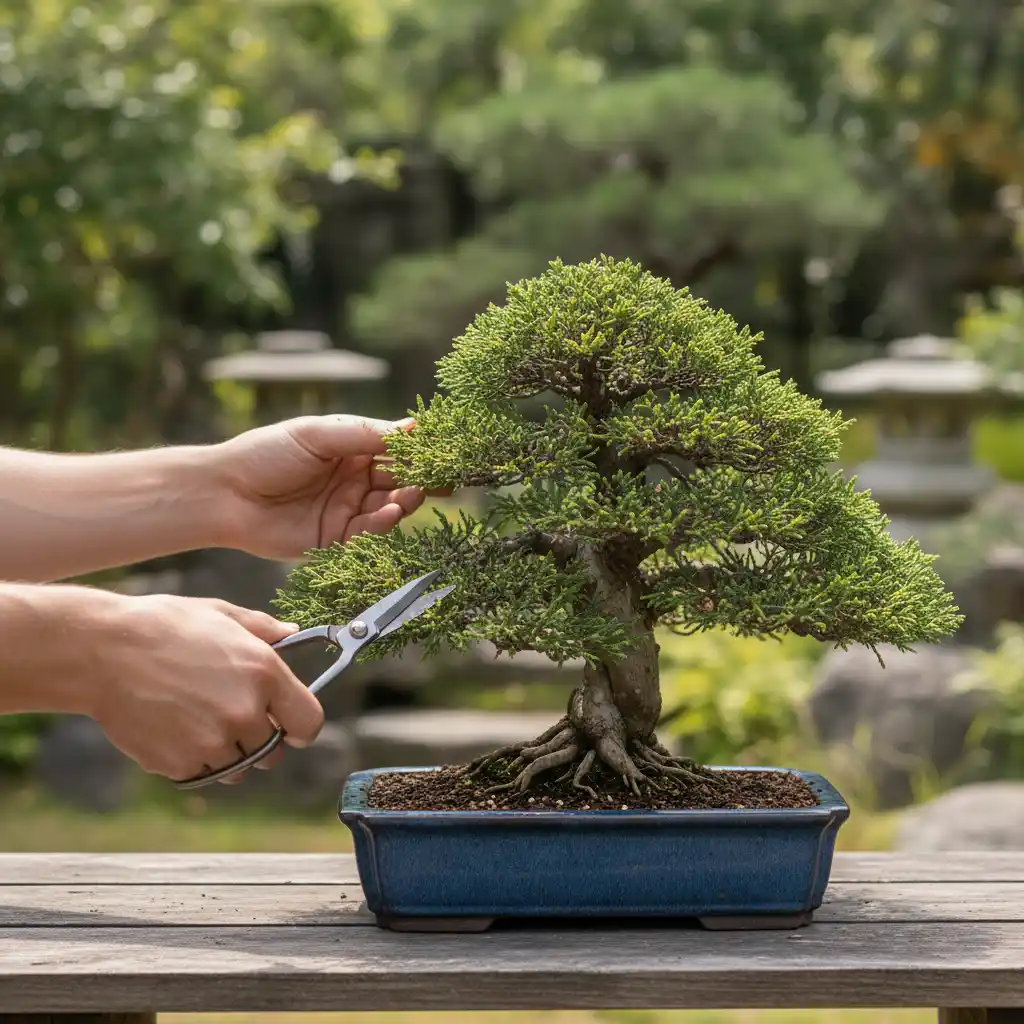
A common challenge in bonsai is maintaining density in the inner canopy. Strong growth often occurs at the tips, leaving inner branches weak or bare. To stimulate inner branch development, you must redirect energy.
Cutting back longer, stronger branches forces the tree to produce new buds closer to the trunk. This encourages back-budding and fills out the interior of the tree. Adequate light and air circulation are also critical for these inner shoots to thrive. Regularly remove any weak or crossing twigs that might impede airflow.
Balance is key; you want to promote growth without creating a cluttered mess. Proper *bonsai care* ensures the tree has enough energy reserves to respond to these cuts with healthy new growth.
Fine Twig Ramification: The Art of Detail
Once you have established primary and secondary branches, the next step in bonsai ramification pruning is to develop tertiary and quaternary branches. This is where the true artistry of bonsai styling shines.
Techniques like pinching and shearing are used to achieve this fine detail. Pinching involves removing new growth tips with your fingers or fine shears. Shearing is cutting back the entire foliage pad to a uniform level. Both methods encourage the proliferation of tiny twigs, creating a dense, refined canopy.
Understanding hormone flow is vital. By repeatedly cutting back, you break apical dominance, signaling the tree to produce more branches lower down and closer to the cut. Specialized tools, like precision bonsai shears and concave cutters, are indispensable for making clean, accurate cuts that heal well. This intricate work truly embodies *advanced artistic styling techniques*.
Watering, Fertilization, and Light: Supporting Ramification
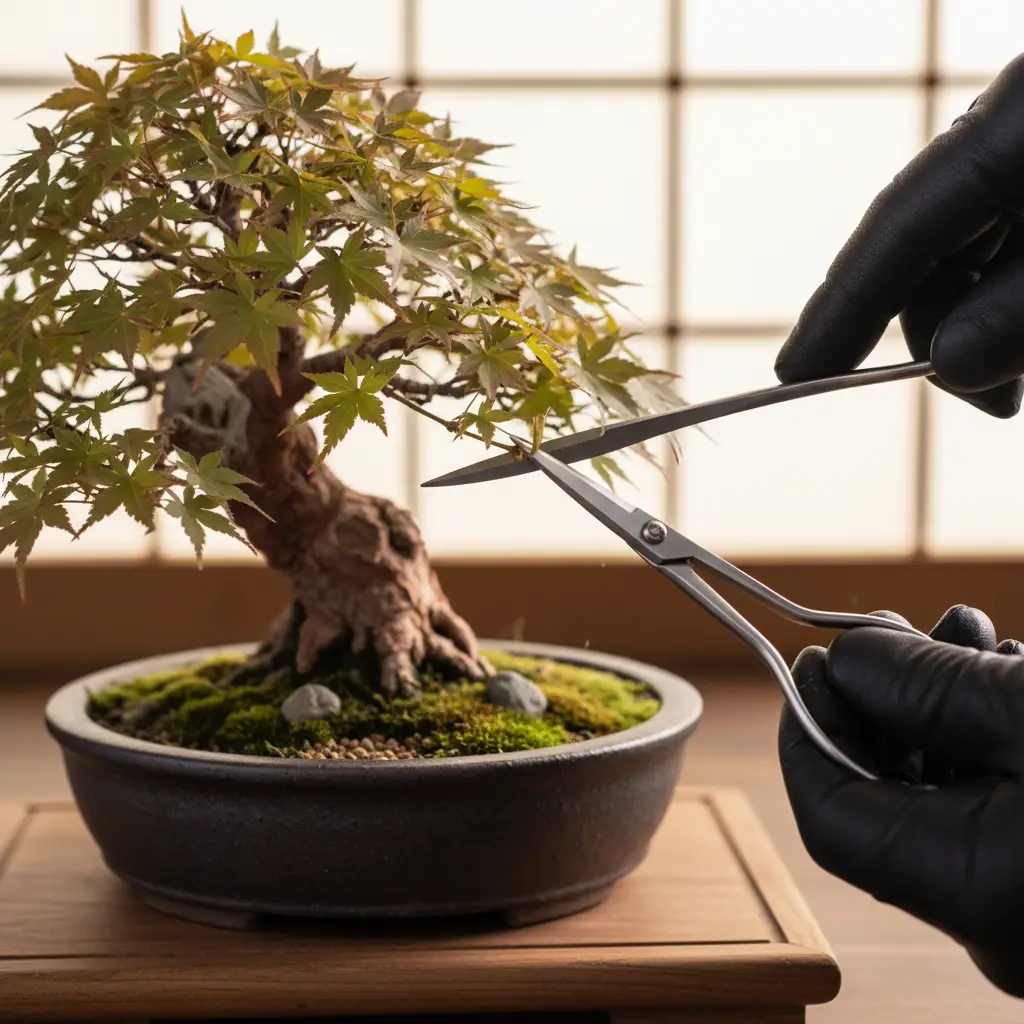
Pruning is only one aspect of promoting ramification. A healthy bonsai is a responsive bonsai. Proper *bonsai care* routines, including meticulous Bonsai Soil, Fertilization & Nutrition, and essential practices like Repotting Bonsai: When, Why, and How-to, are fundamental.
Consistent watering is essential. The tree needs moisture to support new growth flushes after pruning. For detailed advice, our Bonsai Fertilizer Recommendations: Organic vs. Chemical guide provides insights into providing the nutrients necessary for strong, healthy shoots and leaves. Without adequate nutrients, the tree will struggle to produce new growth.
Light is perhaps the most critical factor. Good light penetration throughout the entire canopy ensures that inner branches receive enough energy for *photosynthesis*. If parts of the tree are too shaded, they will weaken and eventually die back. Optimizing your *bonsai ecosystem* means managing all these factors in harmony.
Common Challenges and Troubleshooting
Even experienced enthusiasts encounter challenges. Weak growth, dieback of inner branches, or uneven ramification are common issues. Often, these stem from inconsistent watering, insufficient light, or incorrect pruning timing for the specific *species-specific cultivation* needs.
Over-pruning can stress the tree, leading to a lack of vigor. Under-pruning results in leggy growth and sparse foliage. Patience and close observation are your best tools. Learn to read your tree’s signals. Adjust your *bonsai ramification pruning* strategy as needed, and always consider the long-term health of your specimen. Be vigilant for pests and diseases, as they can also severely impact a tree’s ability to ramify. Implementing Advanced Bonsai Pest and Disease Management is crucial for maintaining tree health.
The Cultural Aspect of Bonsai
Beyond the technical skills, bonsai ramification pruning is an exercise in patience and dedication. It connects us to a centuries-old art form, originating in Japanese culture. The continuous process of shaping and nurturing a bonsai fosters a deeper appreciation for nature and the passage of time. Each cut is a thoughtful decision, influencing the tree’s aesthetic and vitality for years to come. For more on the history and cultural significance, you can visit Wikipedia on Bonsai.
Mastering bonsai ramification pruning transforms a simple tree into a living sculpture. It requires a blend of horticultural knowledge, artistic vision, and unwavering patience. By understanding seasonal strategies, encouraging inner branch development, and meticulously refining fine twigs, you can achieve the dense, mature foliage that is the hallmark of a truly exceptional bonsai. This journey is continuous, offering endless learning and profound rewards.