Winter Protection for NZ Bonsai: Ensuring Health Through Colder Months

What You Will Learn
Learn expert strategies for winterizing bonsai NZ natives. Protect your cherished trees from frost, manage watering, and ensure health through colder months with this comprehensive guide.
As the vibrant New Zealand summer fades (for year-round care, also see Summer Bonsai Care: Heat & Humidity Management) and the crisp air of winter approaches, a unique challenge emerges for enthusiasts of NZ native bonsai: ensuring the health and survival of these miniature masterpieces through the colder months. Unlike their exotic counterparts, such as various species of Pine Bonsai: Needles, Candles, and Advanced Techniques, many New Zealand native species have evolved to thrive in our specific climatic conditions, yet winter still demands a thoughtful and strategic approach to care. Proper Winter Protection for NZ Bonsai: Ensuring Health Through Colder Months isn’t just about protection; it’s about understanding the delicate balance required for dormancy, preparing your trees for a successful spring awakening. This includes a careful regimen for Bonsai Soil, Fertilization & Nutrition.
This comprehensive guide will equip you with the expert knowledge and practical steps needed to safeguard your precious NZ native bonsai, transforming winter from a period of anxiety into one of confident care. From identifying species sensitivities to implementing robust frost protection strategies, we’ll cover everything you need to ensure your trees not only survive but thrive.
Table of Contents
- The Critical Importance of Winter Care for NZ Native Bonsai
- Identifying Cold-Hardy vs. Sensitive NZ Bonsai Species
- Step-by-Step Strategies for Frost Protection & Shelter
- Reduced Watering & Feeding Regimes in Winter
- Monitoring Health During Dormancy
- Frequently Asked Questions About NZ Bonsai Winter Care
The Critical Importance of Winter Care for NZ Native Bonsai
Winter in New Zealand, particularly in southern and inland regions, can present significant challenges for bonsai. While our native flora is resilient, bonsai are contained in shallow pots, making their roots far more vulnerable to extreme temperatures than trees rooted deep in the ground. Freezing temperatures can cause water in the soil to expand, damaging delicate feeder roots, a condition known as frost heave. Prolonged cold can also lead to desiccation if the ground freezes, preventing water uptake while the tree continues to transpire.
“The small volume of soil in a bonsai pot offers minimal insulation, making thoughtful winterizing a non-negotiable step for the longevity and health of your NZ native bonsai collection.”
Failing to provide adequate winter protection can lead to severe stress, stunted growth, weakened immunity to pests and diseases (for specific remedies, see Bonsai Fungal Disease Solutions), and in worst-case scenarios, the demise of your cherished tree. Conversely, proper winter care for NZ bonsai ensures they enter dormancy safely, conserve energy, and emerge robust and ready for a spectacular spring flush.
Identifying Cold-Hardy vs. Sensitive NZ Bonsai Species
Understanding the natural hardiness of your specific NZ native bonsai species is the first step in effective winterizing bonsai NZ. While many native species are remarkably adaptable, their tolerance to cold varies significantly. Knowing whether your tree is naturally accustomed to alpine frosts or prefers warmer coastal climes will dictate your protection strategy.
Generally Cold-Hardy NZ Native Species (Require less extreme protection):
- Totara (Podocarpus totara): Highly robust, can withstand significant frosts.
- Matai (Prumnopitys taxifolia): Generally hardy once established.
- Kahikatea (Dacrycarpus dacrydioides): Tolerates cold but appreciates some shelter from harsh winds.
- Manuka & Kanuka (Leptospermum scoparium, Kunzea ericoides): Very tough, can handle cold and wind.
- Mountain Beech (Nothofagus solandri var. cliffortioides): Naturally found in colder, higher elevations.
More Cold-Sensitive NZ Native Species (Require diligent protection):
- Pohutukawa (Metrosideros excelsa): Especially vulnerable to frost, prefers warmer conditions.
- Ngaio (Myoporum laetum): Can suffer frost damage, particularly younger trees.
- Kauri (Agathis australis): Young kauri are very frost tender; mature trees have better tolerance but still need care.
- Fuchsia procumbens (Creeping Fuchsia): Deciduous, but its delicate branches and roots are sensitive to hard freezes.
- Some Hebes: While many Hebes are hardy, some specific cultivars can be more susceptible to frost damage.
If you’re unsure about a specific species, err on the side of caution and provide extra protection. Observing your trees in autumn for signs of dormancy (slower growth, leaf hardening) can also offer clues about their preparedness for winter.
Step-by-Step Strategies for Frost Protection & Shelter
Implementing effective frost protection is crucial for successful winterizing bonsai NZ. This multi-faceted approach combines careful placement with physical barriers to shield your trees from the harshest winter conditions.
1. Choose the Right Location
Relocate sensitive bonsai to a sheltered spot. This could be against the north-facing wall of your house (which retains warmth), under the eaves, or in a carport. Ensure they are protected from strong, biting winds, which can desiccate foliage and chill roots.
2. Elevate Bonsai Off the Ground
Placing pots directly on cold concrete or soil exacerbates root chilling. Use wooden benches, overturned terracotta pots, or purpose-built stands to elevate your bonsai. This allows for better air circulation and prevents direct heat loss into the ground.
3. Insulate Pots Effectively
The roots are the most vulnerable part. Wrap pots with insulating materials such as burlap, bubble wrap, old blankets, or even thick layers of newspaper. You can also place pots inside larger, empty containers and fill the gaps with straw, bark chips, or peat moss for added insulation. Grouping trees together can also create a microclimate, offering mutual protection.
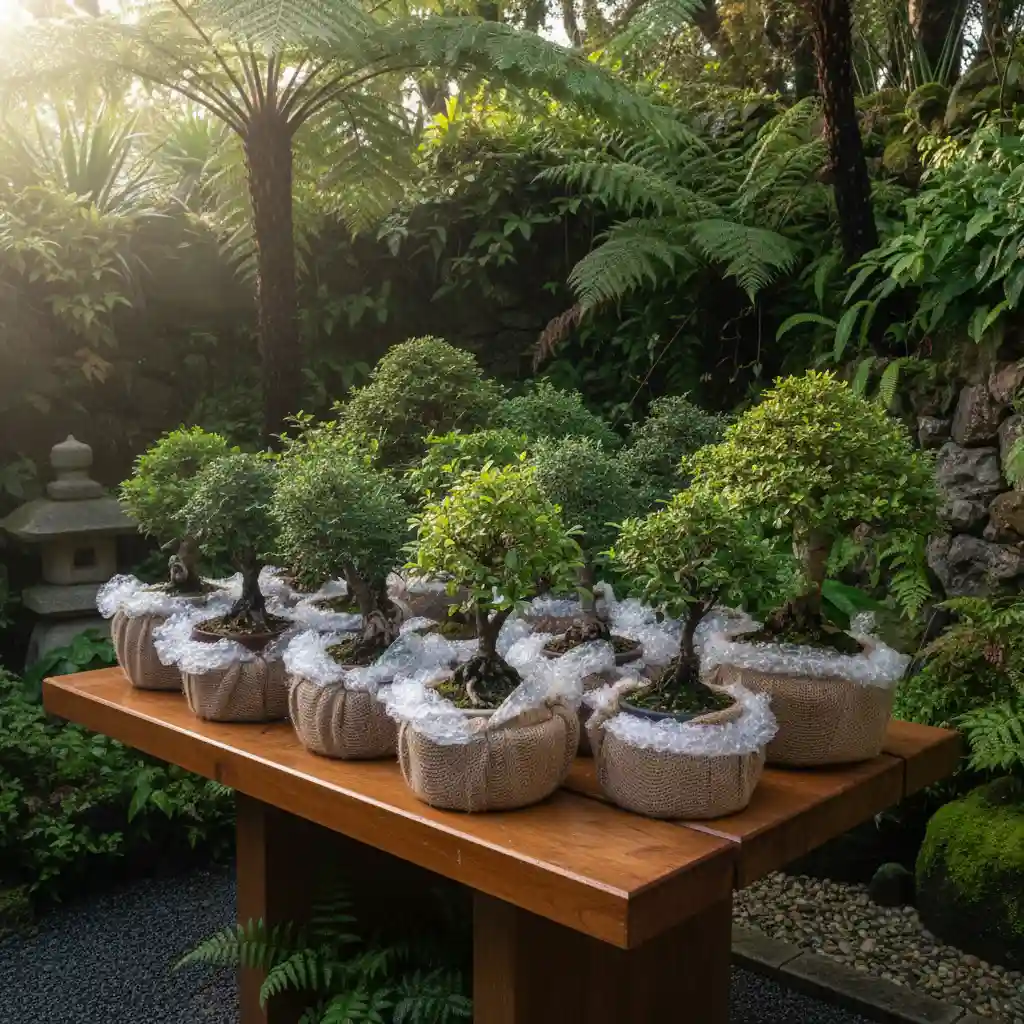
4. Provide Overhead Protection
While some rain is beneficial, prolonged periods of wetness combined with cold can lead to root rot. A simple lean-to, an overhang, or even a temporary clear plastic sheet can protect trees from excessive rain, hail, and heavy frosts. Ensure there’s still adequate airflow to prevent fungal issues.
5. Utilize Cold Frames or Unheated Greenhouses
For highly sensitive species or during severe cold snaps, an unheated greenhouse or cold frame offers ideal protection. These structures buffer temperature fluctuations, provide shelter from wind, and protect from heavy precipitation without raising temperatures too high, which could disrupt dormancy.
Winter Protection Action Checklist:
- Relocate: Move sensitive species to sheltered, northern exposures.
- Elevate: Place all bonsai on benches or stands to avoid ground chill.
- Insulate: Wrap pots with burlap, bubble wrap, or place in larger insulated containers.
- Group: Cluster trees together to create a warmer microclimate.
- Overhead Cover: Protect from heavy rain, hail, and direct frost with an overhang or temporary cover.
- Monitor Forecasts: Be prepared to provide extra protection during severe frost warnings.
Reduced Watering & Feeding Regimes in Winter
As temperatures drop and daylight hours shorten, the metabolic activity of your bonsai slows dramatically. They enter a period of dormancy, requiring significantly less water and no fertiliser. Adjusting these regimes is a cornerstone of effective winterizing bonsai NZ.
Watering: Overwatering in winter is a common cause of root rot. The soil stays wet for longer, and the roots are not actively taking up moisture. Water only when the top inch or two of the soil feels dry to the touch. For insights into selecting the best mediums, refer to our Bonsai Soil Reviews: Akadama, Pumice, Lava Rock. On warmer winter days, check your trees carefully. Water thoroughly, allowing excess to drain, but ensure pots don’t sit in standing water. Morning watering is best, allowing any excess moisture to evaporate before colder night temperatures set in.

Feeding: Cease all fertilisation during the winter months. Fertilising a dormant tree can stimulate unwanted growth at a time when the tree needs to rest, depleting its energy reserves and making it more susceptible to cold damage. Resume a gentle feeding schedule only when you observe clear signs of new growth in spring.
Monitoring Health During Dormancy
Even though your NZ native bonsai appear dormant, they still require occasional attention throughout winter. Regular monitoring is vital to catch any issues early and ensure a healthy transition into spring.
- Pest and Disease Checks: While pests are less active, inspecting your trees for scale, aphids, or fungal spots can prevent outbreaks later. Good air circulation is key to preventing fungal issues in sheltered areas.
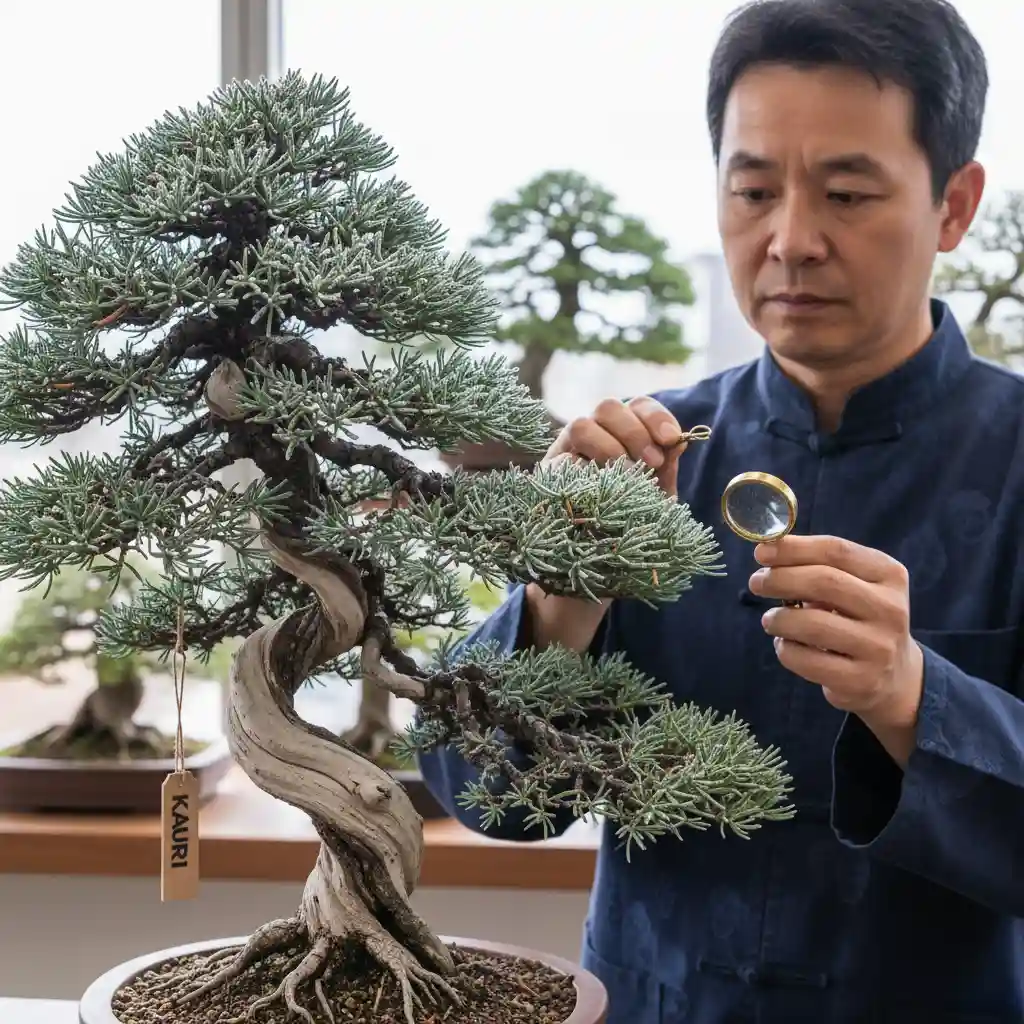
- Frost Damage: After a severe frost, inspect foliage (if evergreen) and branches for damage. Blackened leaves or soft, mushy branches indicate frost bite. Avoid pruning damaged areas immediately; wait until spring to assess the full extent and allow the tree to recover naturally.
- Wind Damage: Strong winter gales can cause branches to snap or pots to fall. Ensure your trees are securely placed or tied down if necessary.
- Snow and Ice: If snow accumulates on your bonsai, gently brush it off to prevent branch breakage from weight and prolonged cold contact.
“Dormancy is not a period of neglect, but a time of quiet vigilance. Your consistent, gentle monitoring ensures your NZ bonsai are truly resting, not struggling.”
Frequently Asked Questions About NZ Bonsai Winter Care
Q1: Can I bring my NZ native bonsai indoors for winter?
A: Generally, no. Most NZ native bonsai require a period of cold dormancy to remain healthy. Bringing them indoors, where temperatures are consistently warm, can disrupt this natural cycle, leading to weakened growth, pest infestations, and eventual decline. If protection is needed, an unheated greenhouse or cold frame is preferable to a heated indoor environment.
Q2: How do I know if my bonsai is dormant?
A: Deciduous NZ natives will lose their leaves. Evergreen natives will show a significant slowdown in growth; new shoots will harden off, and the foliage may take on a slightly duller or darker hue. Overall, the tree will appear to be ‘resting,’ with no new vigorous growth occurring.
Q3: What if I forget to winterize my bonsai and a hard frost hits?
A: If a hard frost catches you unprepared, immediately move your bonsai to a sheltered location (e.g., garage or covered porch) as soon as possible, but avoid bringing it into a warm house. Do not water immediately unless the soil is bone dry. Allow the tree to thaw slowly. Assess for damage in spring; avoid pruning until new growth appears.
Q4: Should I prune my NZ bonsai in winter?
A: Generally, heavy pruning is best avoided during winter dormancy, especially for deciduous species. Winter is a time of rest and recovery. Minor aesthetic pruning on evergreens can be done, but significant structural work should wait until late winter or early spring when the tree begins to show signs of waking up, allowing it to heal more effectively. For guidance on the next critical season, explore our Spring Care for Bonsai SH guide.