Wiring Techniques for Complex Forms
bonzai.co.nz
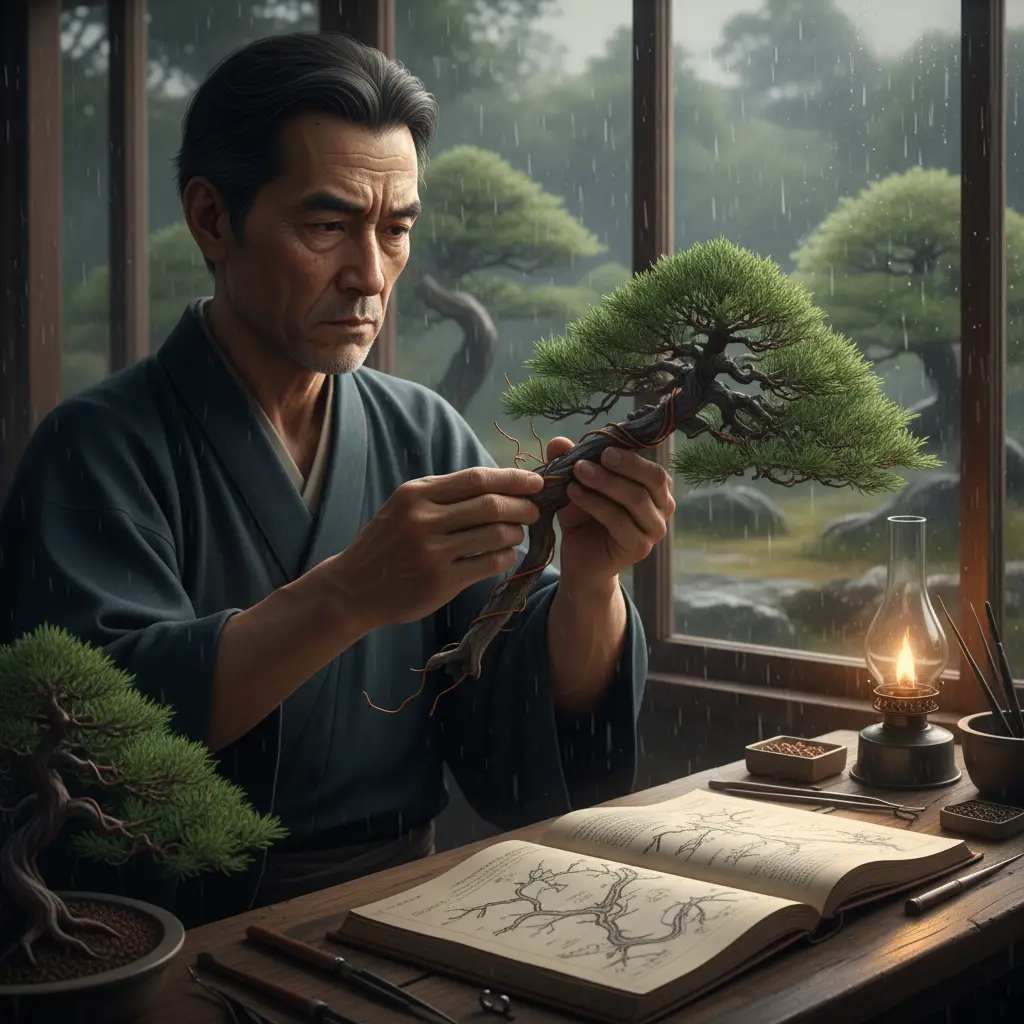
Advanced bonsai wiring involves using metal wires to gently guide and set the position of branches and trunks over time, creating highly refined and aesthetically pleasing forms. This process allows practitioners to develop a tree’s structure, control growth patterns, and achieve specific artistic designs, transforming raw material into living sculptures.
Wiring is a fundamental technique in bonsai. It allows us to shape and style trees into miniature masterpieces. While basic wiring focuses on simple bends, advanced bonsai wiring takes your skills to the next level. It lets you create intricate designs and complex forms.
This guide will explore advanced methods. We will look at shaping primary branches, placing secondary branches, and knowing when to remove wires. Mastering these steps will help you achieve stunning bonsai aesthetics.
Understanding Your Tree’s Potential
Before you begin wiring, it is crucial to understand your tree. Each species has unique `growth patterns` and `species-specific needs`; for instance, mastering Ficus Bonsai Care: Tropical Species Mastery requires specific considerations. Some trees are more flexible than others. Observing your tree will help you visualize its future form.
Take time to study the tree’s natural shape. Imagine the `trunk movement` and how the branches will flow. This vision guides your wiring decisions. A well-thought-out plan saves time and prevents damage to your bonsai. Consider the root system and overall health before styling.
Preparing for Advanced Wiring
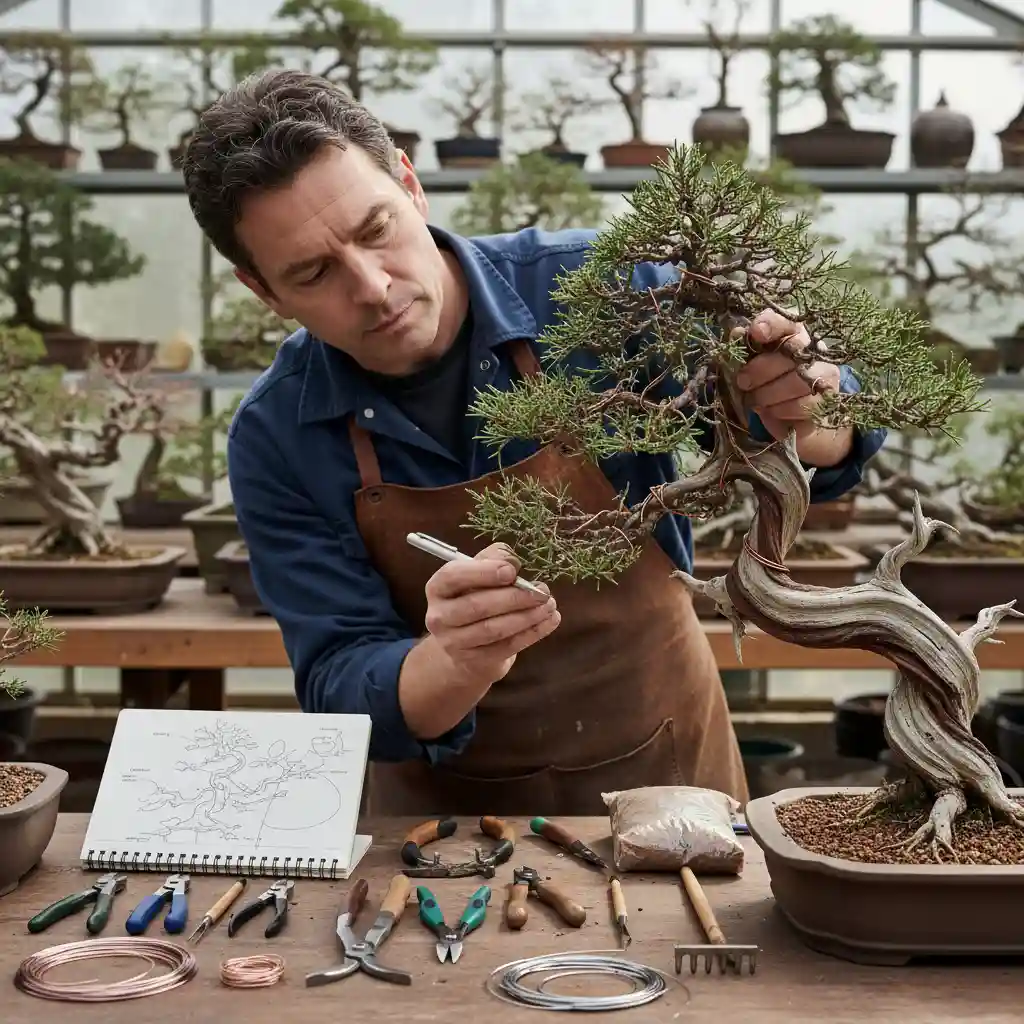
Start with a healthy tree. A stressed bonsai will not respond well to wiring, and a crucial aspect of overall health involves managing issues like Common Pests of NZ Native Bonsai: Identification & Organic Solutions. Ensure it has been `repotting` at the right time and is receiving proper Soil & Fertilization for NZ Native Bonsai: Custom Blends & Feeding. Gather your tools: Bonsai Wire Gauge Guide: Aluminum vs. Copper, wire cutters, and pliers. The wire you choose depends on the branch thickness and desired hold.
1. Primary Branch Shaping for Dramatic Effect
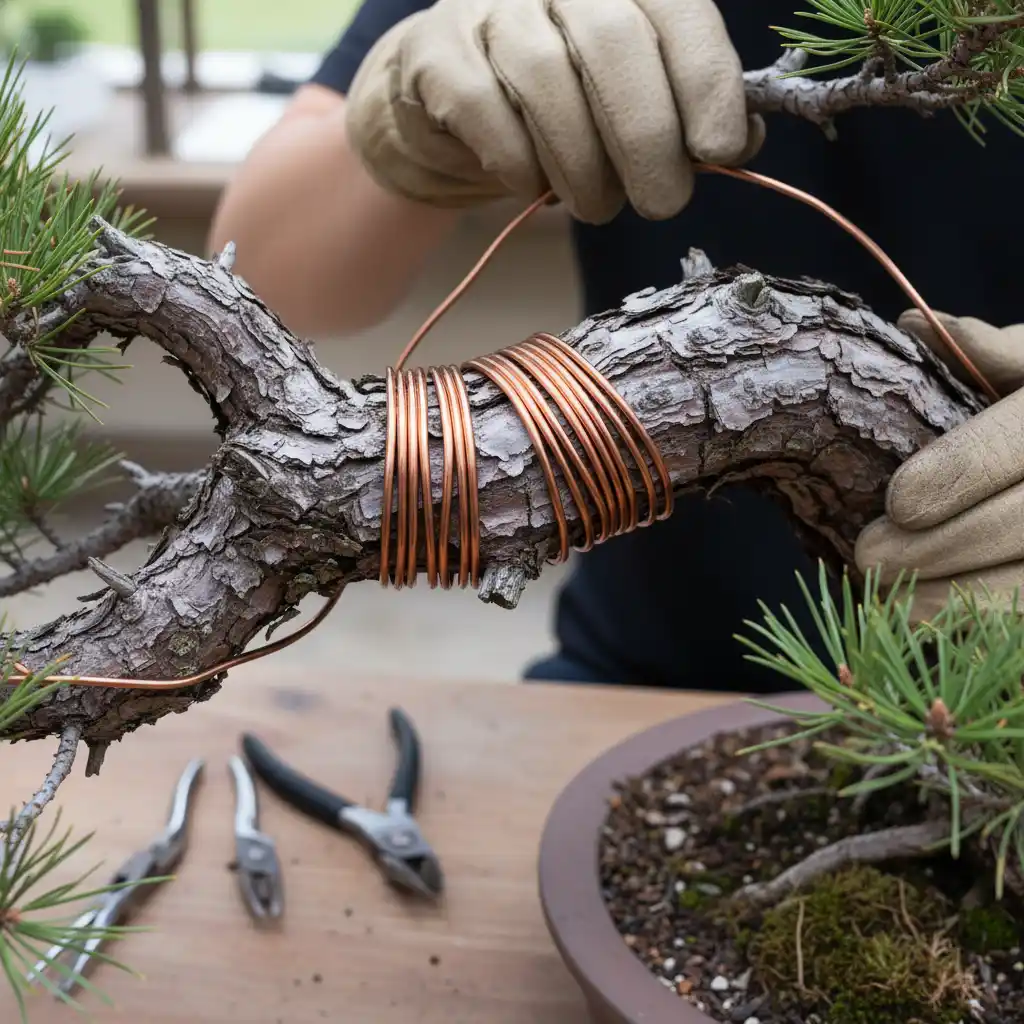
Primary branches set the main structure of your bonsai. For advanced bonsai wiring, you aim for strong, dramatic `trunk movement` and clear branch separation. Start wiring from the base of the branch, working outwards. Ensure the wire is tight enough to hold, but not so tight it cuts into the bark.
When shaping primary branches, consider the overall design. Each branch should contribute to the tree’s `bonsai aesthetics`. Think about depth and perspective. Avoid flat, two-dimensional designs. Instead, create a sense of three-dimensionality with branches extending in different directions.
For very thick branches, you might need heavier `copper wire`. Sometimes, multiple wires or guy wires are used to achieve significant bends. Always protect the bark with raffia or rubber if extreme bending is required. This prevents damage as you apply force.
Creating Apex and Crown
The `apex` is the highest point of your bonsai. It completes the tree’s silhouette. Wiring the apex requires careful attention. It should flow naturally from the trunk and primary branches. The crown should be dense but not heavy, creating a balanced appearance. This is a critical part of advanced bonsai wiring techniques.
2. Secondary Branch Placement for Refined Detail
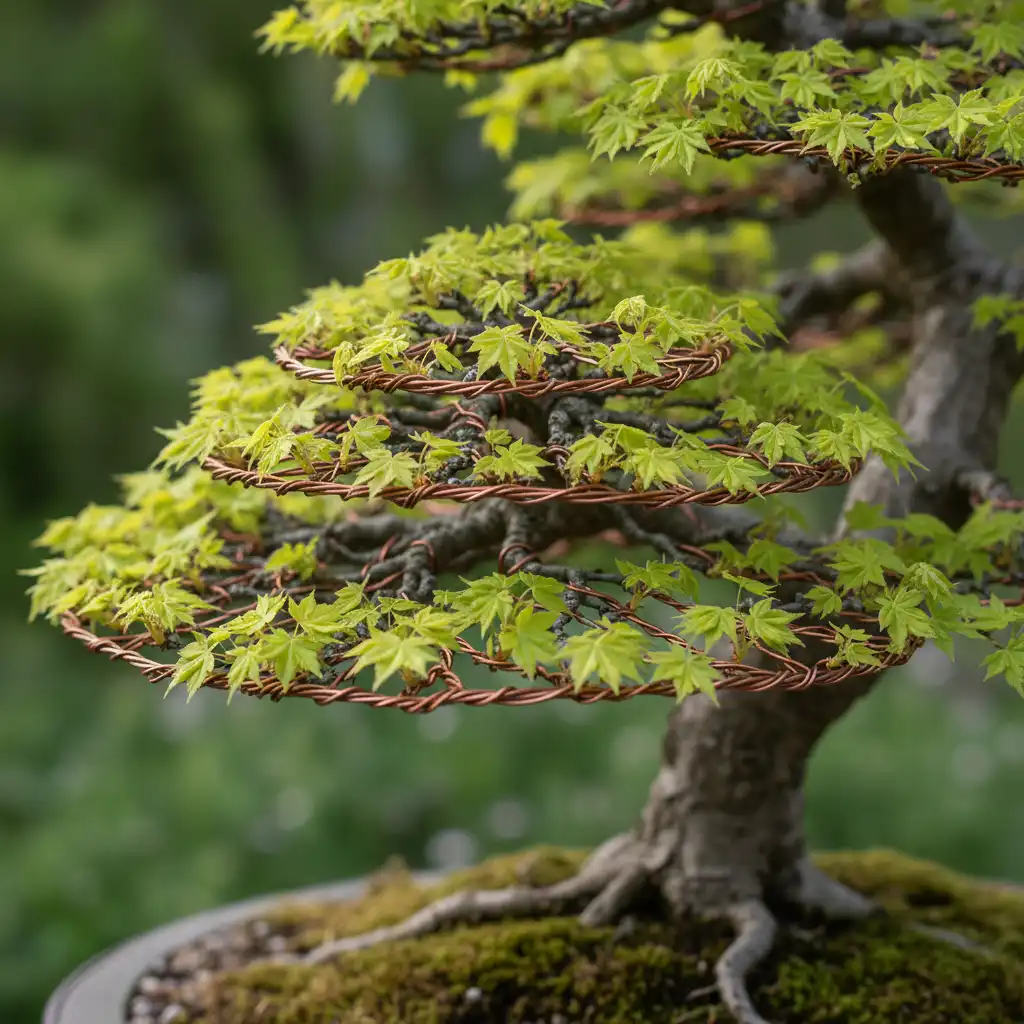
Once primary branches are set, focus on secondary branches. These create the `branch pads` and fill out the canopy. This stage is crucial for advanced bonsai wiring to achieve a refined look. The goal is to achieve fine ramification, meaning many small branches and twigs. This gives the tree a mature, aged look.
Wire secondary branches to grow horizontally or slightly downwards. This helps create the illusion of age and weight. Space the branches evenly. Allow light and air to reach all parts of the tree. Overlapping branches can lead to weak growth and poor airflow.
Consider the tree’s `species-specific needs`. For `deciduous` trees, `branch pads` can be fuller and rounder. For `coniferous` trees, they might be more angular or layered. Each small wire adjustment contributes to the overall `bonsai aesthetics`.
Developing Ramification
Ramification is key to a mature bonsai. It involves repeatedly pruning and wiring small branches to create dense foliage. This process takes many years. It requires patience and a keen eye for detail. Proper secondary branch placement is vital for successful ramification.
Regular pruning encourages back-budding. This creates more options for wiring and shaping. Always remove unwanted shoots to direct energy to the desired branches. This continuous effort is part of the `bonsai ecosystem` you cultivate.
3. Wire Removal Timing: Preventing Scars
Knowing when to remove wire is as important as applying it. Wires left on too long can cut into the bark. This leaves permanent `wire scars` that detract from the tree’s beauty. Check your wired branches often, especially during periods of strong growth.
The general rule is to remove wire when the branch has set in its new position. This can take anywhere from a few months to over a year, depending on the species and branch thickness. For `deciduous` trees, wire might need to be removed before leaves fully emerge or after they fall. For `coniferous` trees, it might stay on longer.
To check if a branch is set, gently try to bend it back to its original position. If it resists and holds its new shape, the wire can be removed. Always cut the wire into small sections rather than unwrapping it. This prevents accidental damage to the bark or tearing off small twigs. Be especially careful when dealing with advanced bonsai wiring on delicate structures.
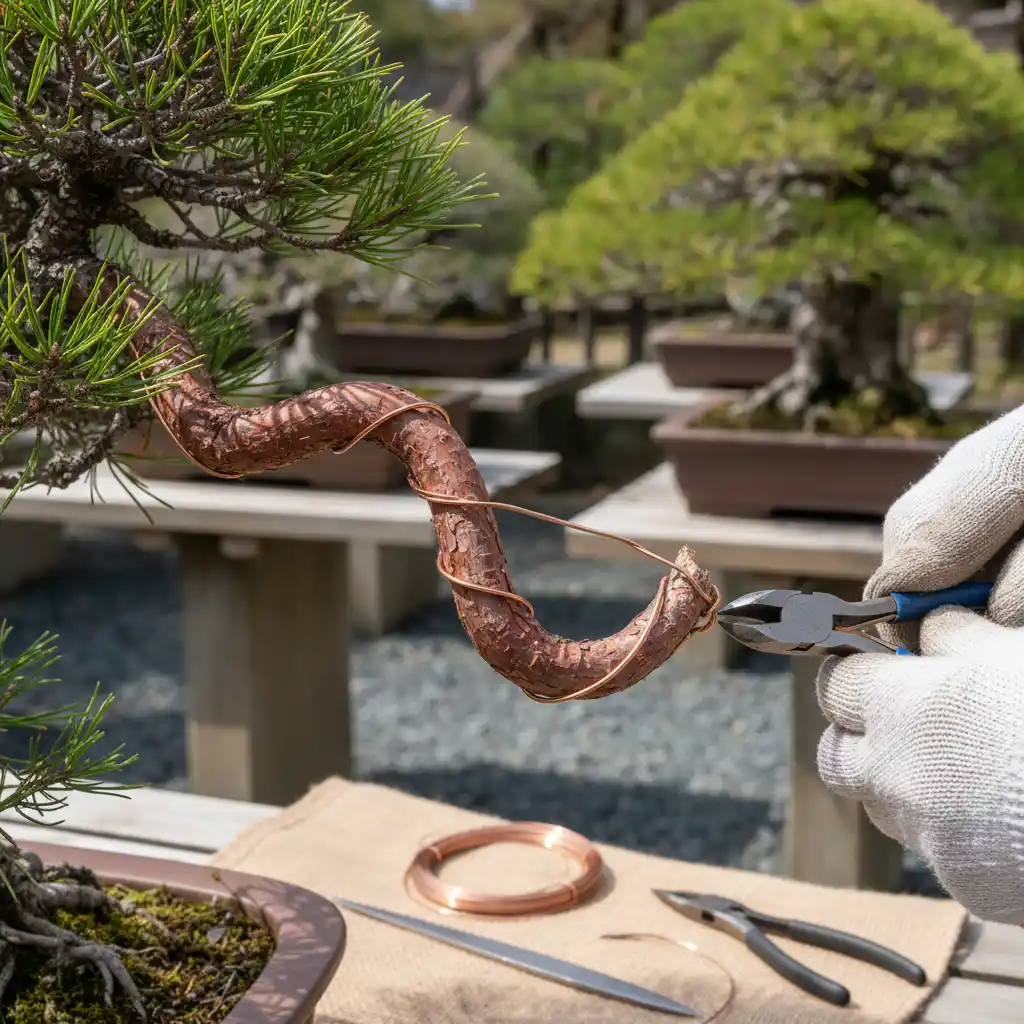
After Wire Removal
After removing wire, continue to monitor the branches. They might try to spring back slightly. If this happens, you may need to re-wire them. Or, use a heavier gauge wire for a short period. Consistent observation and minor adjustments are part of ongoing `bonsai care`.
Advanced Techniques and Considerations
Beyond basic wiring, advanced bonsai wiring includes specialized techniques. These include creating `jin` (deadwood branches) and `shari` (deadwood trunks). These elements add drama and age to a bonsai. They mimic natural processes found in old trees.
Consider the `cultural aspects` of bonsai. Each style, like formal upright or windswept, has principles. Wiring is the tool to achieve these styles. Researching traditional `bonsai aesthetics` can inspire your designs. Learn from master artists and adapt their techniques.
Sourcing quality material is also vital. A well-grown tree with good basic `tree structure` provides a better starting point for advanced styling. Seek out nurseries or specialized growers for suitable raw material. The journey of creating a bonsai is long and rewarding. For more general information on bonsai, you can visit Source.
Common Mistakes to Avoid
- Wiring Too Tight: This causes wire scars and chokes the branch.
- Wiring Too Loosely: The wire will not hold the branch in place.
- Ignoring Species Needs: Different trees require different approaches.
- Impatience: Bonsai styling is a slow art. Rushing leads to mistakes.
- Over-Wiring: Too much wire can stress the tree.
Conclusion
Mastering advanced bonsai wiring transforms your ability to shape living art. It demands patience, keen observation, and a deep understanding of your tree. By carefully shaping primary and secondary branches and timing wire removal, you can create bonsai with incredible depth and character. Embrace the journey of continuous learning and artistic expression in `bonsai care`, including seasonal tasks like Spring Care for Bonsai SH.