Wiring Techniques for Bonsai Branches
bonzai.co.nz
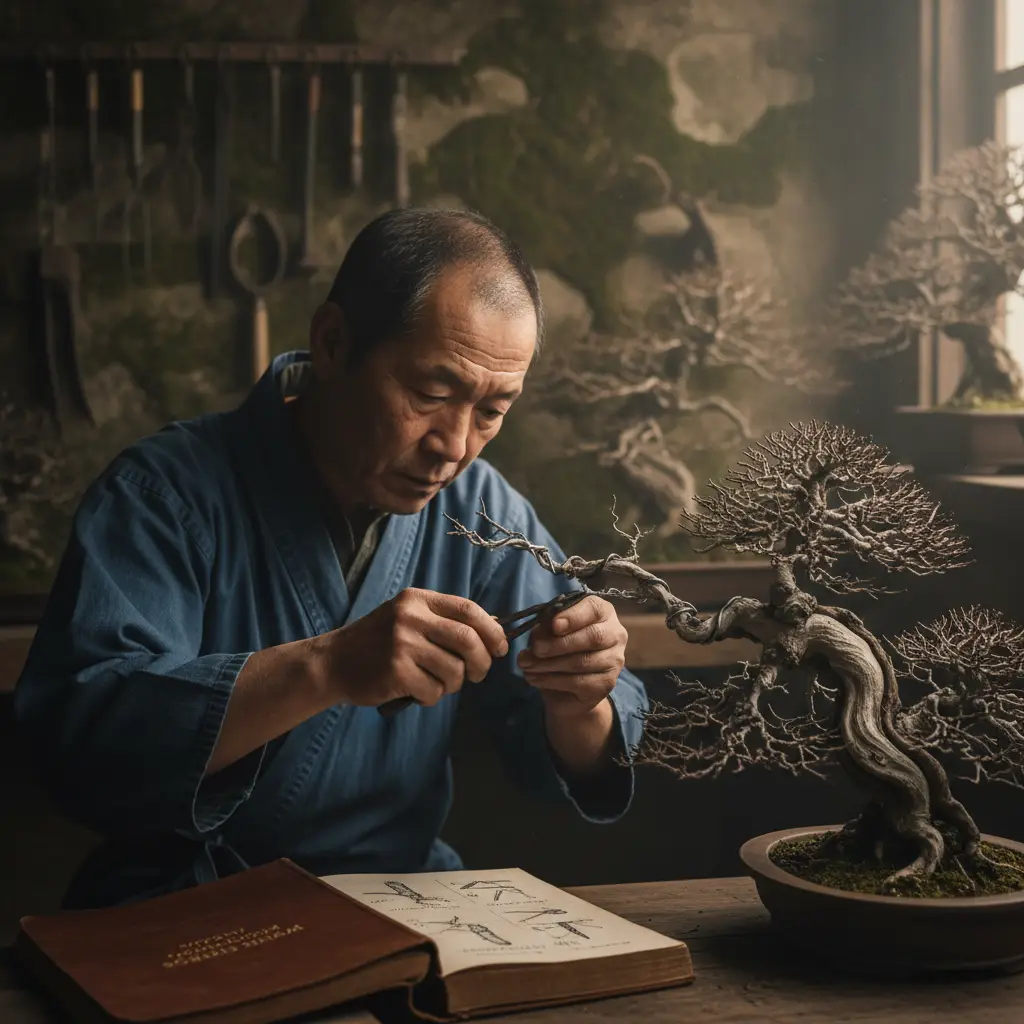
Bonsai wiring is the practice of wrapping wire around branches and trunks to guide their growth direction. This technique allows you to shape your miniature trees into desired aesthetic forms, mimicking nature’s artistry in a controlled environment.
Bonsai wiring is the practice of wrapping wire around branches and trunks to guide their growth direction. This technique allows you to shape your miniature trees into desired aesthetic forms, mimicking nature’s artistry in a controlled environment. Mastering this skill is key to creating a truly stunning bonsai specimen.
The Art of Shaping with Wire
Wiring is a core part of bonsai styling. It helps create the unique shapes and movements seen in traditional bonsai. Without wiring, many bonsai trees would grow in an uncontrolled, often less appealing, manner. It’s about working with nature to achieve an artistic vision.
This bonsai wiring guide explores the various aspects of this delicate yet powerful technique. From choosing the right materials to applying and removing wire, each step is crucial for the health and beauty of your tree. Proper technique ensures your bonsai thrives while developing its unique character.
Choosing the Right Wire
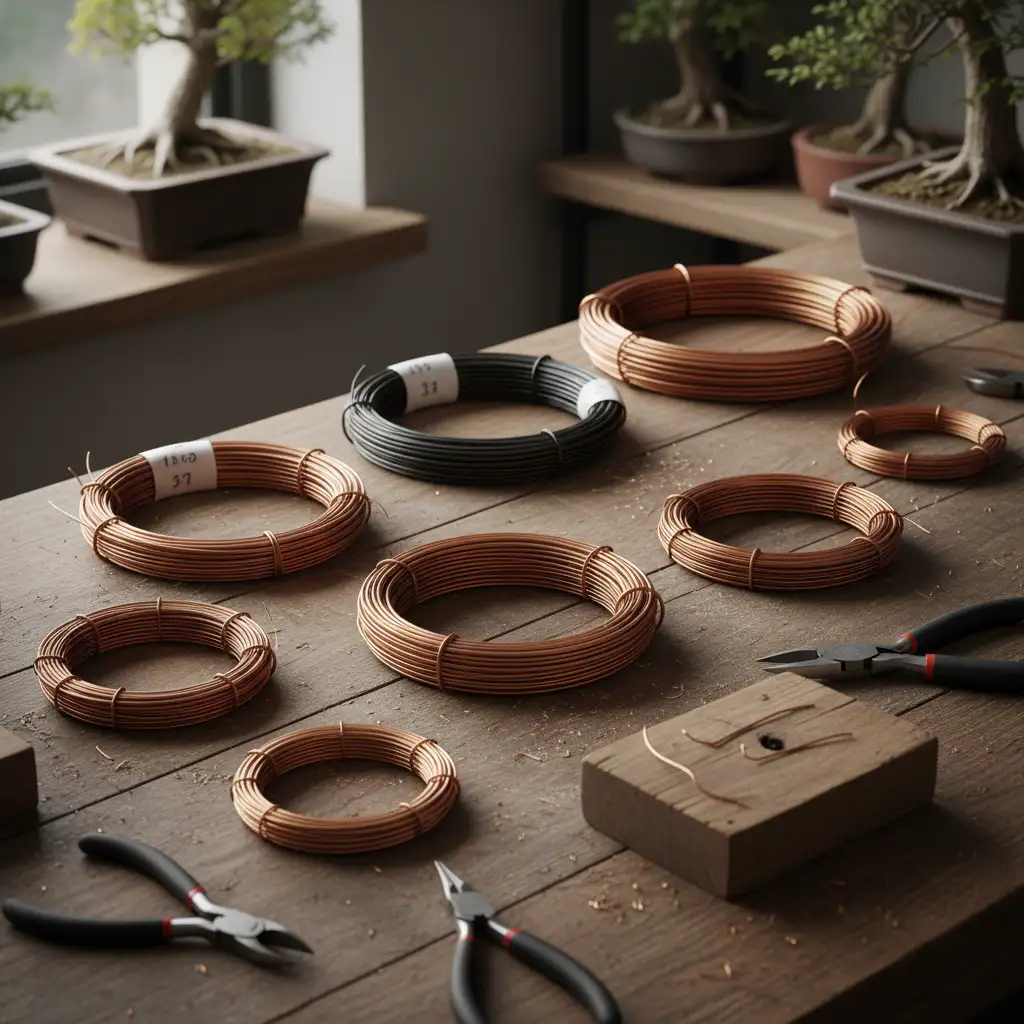
Selecting the correct type and thickness of wire is fundamental to successful bonsai wiring. The wrong wire can damage your tree or fail to hold branches in place. There are two main types of wire used in bonsai:
Aluminum Wire
Aluminum wire is the most common choice for beginners and many enthusiasts. It is flexible, easy to apply, and less likely to cause deep scarring compared to copper. Anodized aluminum wire is treated to prevent corrosion and comes in various colors, with dark brown or black being popular as they blend well with bark.
Its softness means it can be adjusted and re-applied with relative ease. This makes it forgiving for those still learning the ropes. Aluminum wire is ideal for most deciduous trees and younger, less rigid branches.
Copper Wire
Copper wire, particularly annealed copper wire, is stronger and holds its shape better than aluminum. Annealing is a heat treatment process that makes the copper softer and more pliable when first applied, but it hardens over time. This increased strength means you can use a thinner gauge of copper wire to achieve the same hold as a thicker aluminum wire.
Due to its strength and greater potential for marking the bark if not removed promptly, copper wire is often preferred by experienced bonsai artists. It’s particularly useful for conifers, such as those requiring Pine Bonsai Care: Needles, Candles & Wiring, and older, stiffer branches that require a firm hold.
Wire Gauges and Thickness
Wire comes in various thicknesses, known as gauges. Choosing the right gauge is vital. A good rule of thumb is to use wire that is about one-third to one-half the thickness of the branch you are wiring. Thicker branches need thicker wire, and thinner branches need thinner wire.
Having a selection of different gauges on hand is recommended. This allows you to tackle various branches on a single tree. Always start with a wire that feels strong enough to hold the branch in its new position but not so thick that it is difficult to bend or could damage the branch.
Essential Wiring Application Methods
Applying the wire correctly ensures effective shaping and minimizes harm to the tree. Precision and care are paramount in this stage of the bonsai wiring guide.
Preparation and Planning
Before you begin wiring, take time to observe your bonsai. Study its natural growth patterns and envision the desired final shape. Identify which branches need to be moved and in what direction. This planning phase prevents unnecessary wiring and potential mistakes.
Avoid wiring during extreme heat or cold, as these are some of the Environmental Stressors Affecting Bonsai Health, or when the tree is actively putting on new, delicate growth. This ensures the tree can withstand the slight stress of the wiring process.
Single Wiring Method
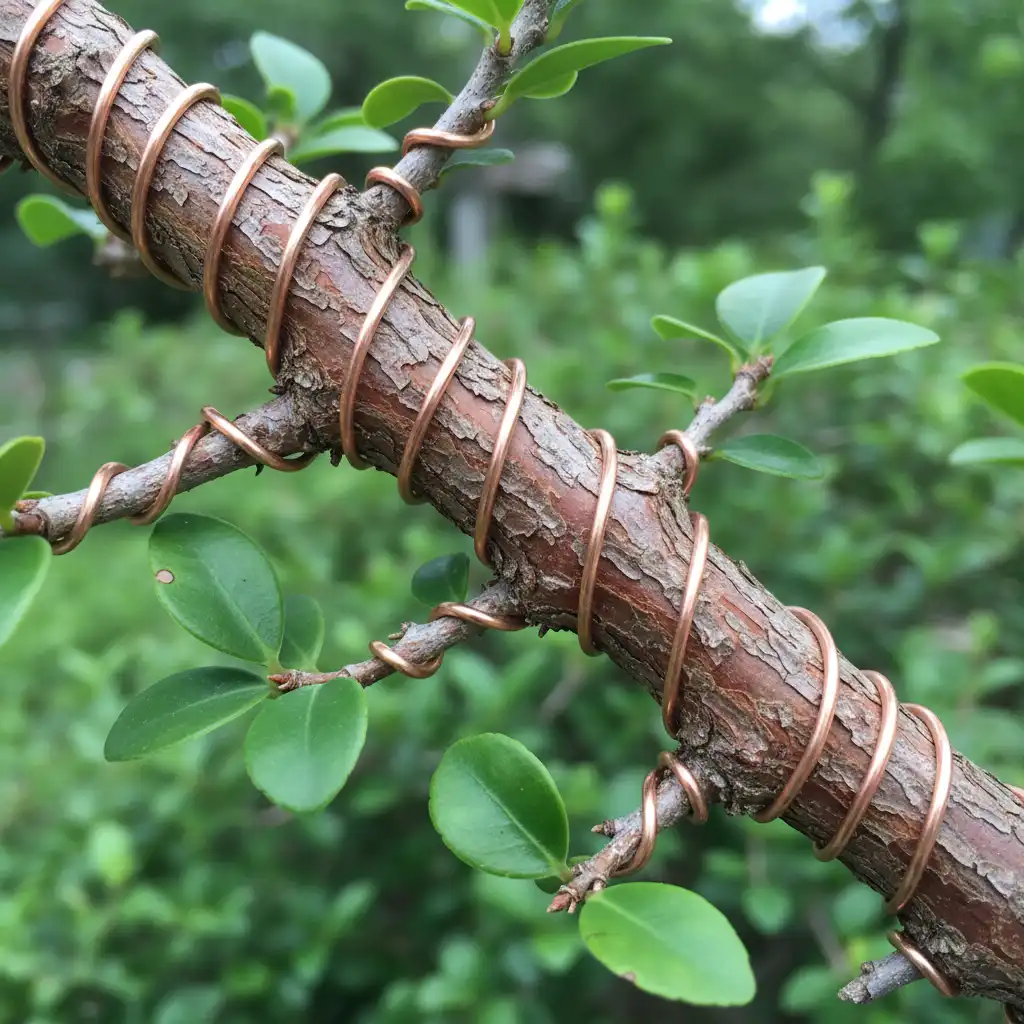
For most individual branches, the single wiring method is used. Begin by anchoring the wire securely around the trunk or a larger branch. Make sure the anchor point is stable and won’t slip. Then, wrap the wire around the branch you wish to shape.
Wrap the wire at a 45-degree angle to the branch. This angle provides the best grip and allows for effective bending. The wraps should be even, close together, and snug against the branch, but never so tight that they cut into the bark. If the wire is too loose, it won’t hold the branch in place.
Double Wiring Method
The double wiring method is useful for stronger branches or for wiring two branches that are close together. You can anchor one piece of wire between two branches, then spiral each end around a different branch. This provides extra stability and saves wire.
Alternatively, a single, longer piece of wire can be anchored to the trunk and then coiled around two separate branches that originate near each other. This method creates a strong leverage point and is particularly effective for shaping a main trunk or thick secondary branches.
Anchoring and Tension
Proper anchoring is crucial. The wire must start by being firmly secured, usually around the trunk or a sturdy primary branch. This provides the base for applying tension. When wrapping, ensure the wire is consistently tight enough to hold the branch’s new position, but not so tight that it restricts the cambium layer or leaves immediate marks.
The goal is to gently persuade the branch into its new direction. If you hear cracking sounds, you’re applying too much force. Always bend the branch after the wire is applied, using the wire to support the bend. This is a critical step in any effective bonsai wiring guide.
Monitoring and Wire Removal
Wiring is not a permanent solution. As the tree grows, the wire must be monitored and eventually removed to prevent damage and scarring. This part of the bonsai journey requires regular attention.
Timely Removal Prevents Damage
The time a wire stays on a branch varies greatly depending on the tree species, its growth rate, and the time of year. Fast-growing trees might need wire removed in a few weeks or months. Slower-growing conifers might keep wire for a year or even longer. You must constantly check for signs of the wire digging into the bark or forming growth marks.
If you see the wire starting to cut into the branch, it’s time for removal. Ignoring this can lead to deep scars that remain visible for many years, impacting the aesthetic value and health of your bonsai. Pay close attention during periods of strong growth.
How to Safely Remove Wire
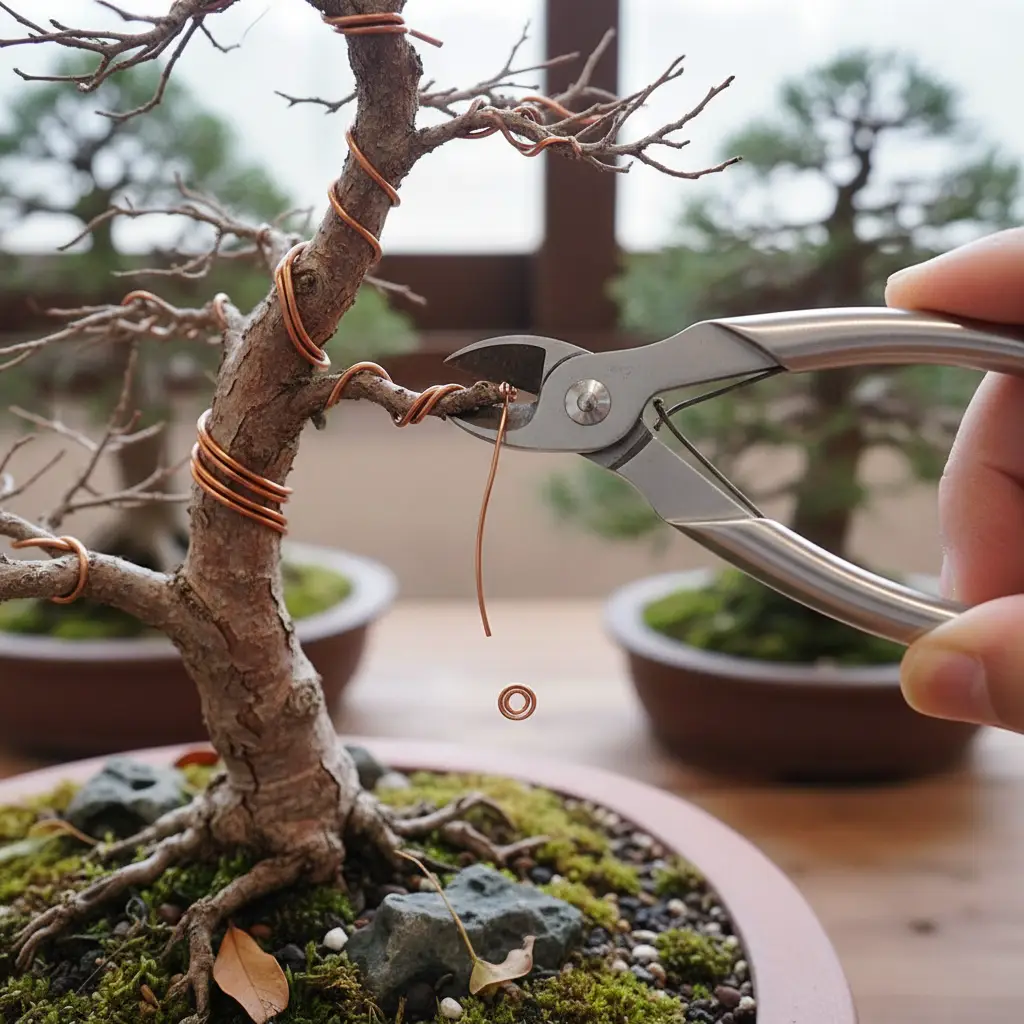
Always use specialized bonsai wire cutters for removal. These tools are designed with blunt tips that prevent damage to the bark. Never try to unwind the wire, as this can easily tear the bark and injure the branch. Instead, cut the wire into small sections.
Cut the wire at each coil, carefully lifting it away from the branch. Work slowly and methodically. This method ensures minimal disturbance to the tree. After removal, inspect the branch for any marks. If minor marks are present, they will usually heal over time.
Refining Your Bonsai Wiring Skills
Wiring is a skill that improves with practice. The more you work with different trees and various situations, the more intuitive the process becomes. Don’t be afraid to experiment on less valuable trees first.
Practice Makes Perfect
Start with trees that are less precious to you. This reduces the fear of making mistakes and allows for a more relaxed learning process. You’ll develop a feel for the wire’s tension and the tree’s flexibility. With each tree, your understanding of how different species respond to wiring will grow, including specific guidance like Maple Bonsai Care: Seasonal Needs & Pruning.
Combining Techniques
Wiring is just one part of comprehensive bonsai care, which includes important aspects like Spring Care for Bonsai SH. It works hand-in-hand with pruning, repotting, and defoliation. A holistic approach to bonsai development will yield the best results. Understand how wiring affects future growth and how it integrates with other styling methods, such as those found in resources like Maple Bonsai Cultivation: Seasonal Care and Styling.
Continuous Learning
The world of bonsai is vast and rewarding. Continue to learn from books, experienced practitioners, and online resources. Understanding the principles of bonsai design will greatly enhance your wiring abilities. For more in-depth knowledge, consider exploring resources like Wikipedia’s Bonsai section.
Mastering the techniques in this comprehensive bonsai wiring guide will empower you to create breathtaking miniature landscapes. With patience and practice, your bonsai will reflect your artistic vision, embodying grace and strength for years to come.