Maple Bonsai Cultivation: Seasonal Care and Styling
bonzai.co.nz
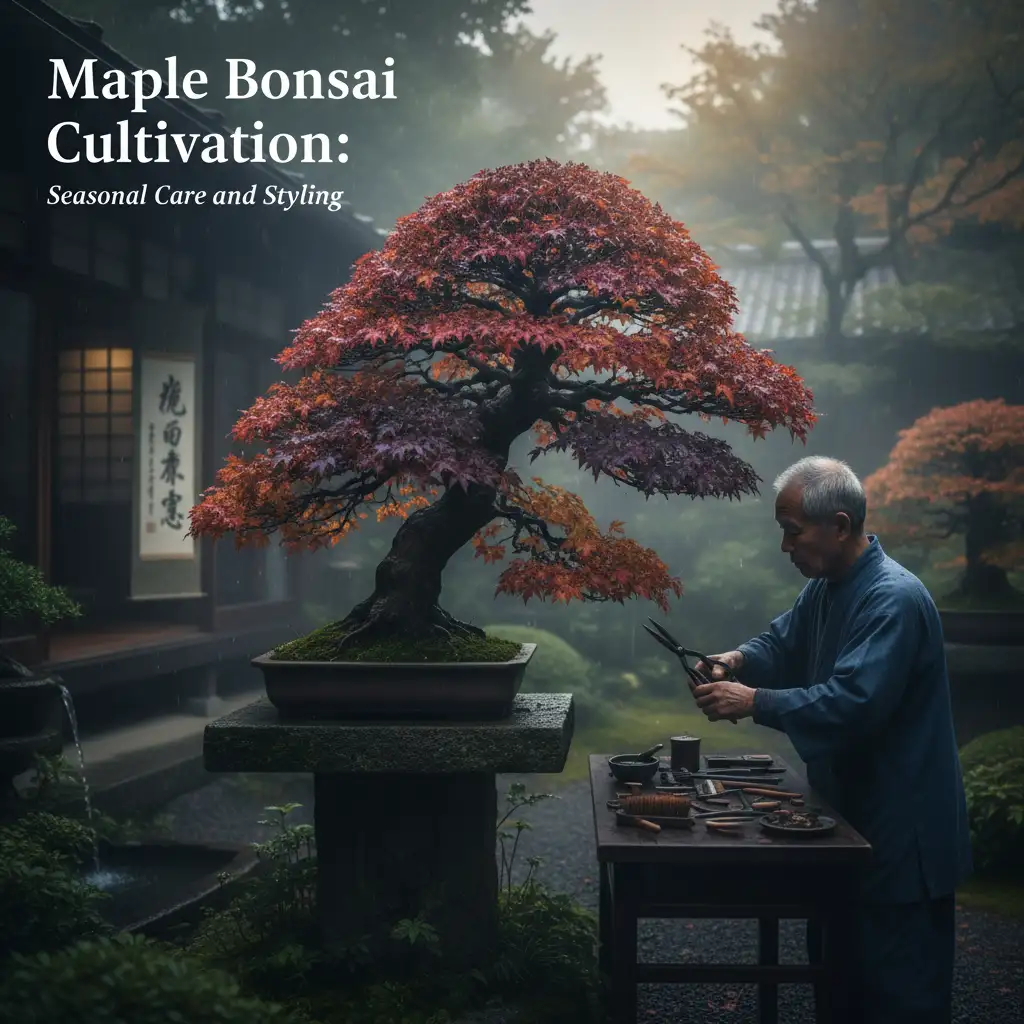
Maple bonsai seasonal care involves adjusting watering, feeding, pruning, and protection strategies throughout the year to align with the tree’s natural growth cycles. This ensures optimal health, vibrant foliage, and structural development, crucial for maintaining these miniature trees.
Maple bonsai are among the most revered and beautiful subjects in the art of bonsai. Their vibrant seasonal transformations, from delicate spring leaves to fiery autumn colors, captivate enthusiasts worldwide. To truly appreciate and maintain these living sculptures, understanding the nuances of maple bonsai seasonal care is paramount. Each season brings unique requirements for their health and artistic development.
The Allure of Maple Bonsai
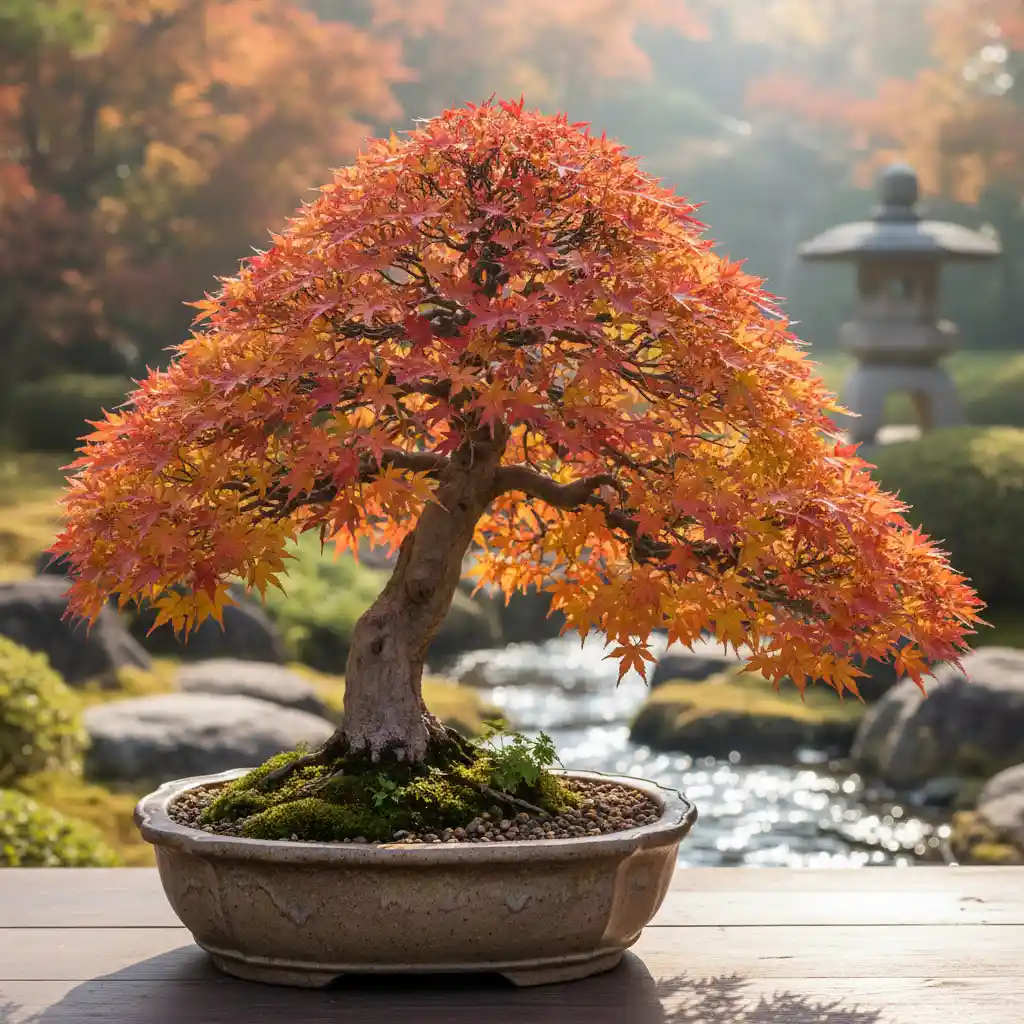
Maples, especially `Japanese maple` varieties (`Acer palmatum`), are celebrated for their diverse leaf shapes, bark textures, and dramatic seasonal displays. Cultivating them as bonsai allows for a deep connection with nature’s cycles, requiring patience and keen observation. Mastering `maple bonsai seasonal care` ensures your tree thrives year after year, rewarding you with its exquisite beauty.
Spring: Awakening and Vigorous Growth
Spring marks a period of intense activity for maple bonsai. For detailed insights on Spring Care for Bonsai SH, this is a critical time as temperatures rise, dormant buds swell and burst forth with new growth, crucial for shaping and encouraging strong development.
Early Spring Pruning and Repotting
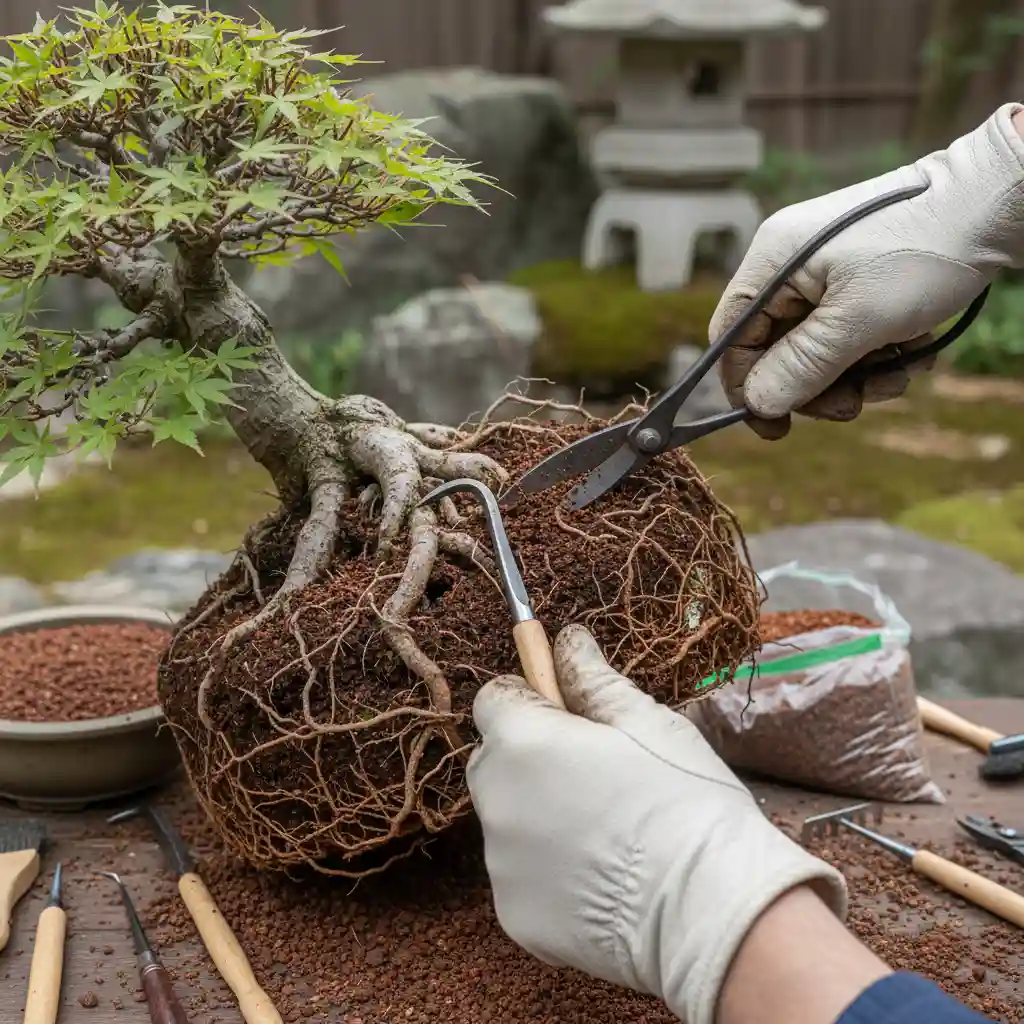
Before new leaves fully emerge, early spring is ideal for `repotting` and `root pruning`. Gently remove the tree from its pot, untangle and trim about one-third of the root ball. Replace old `soil mix` with fresh, well-draining substrate. This process revitalizes the tree, encouraging new root growth and preventing it from becoming root-bound. For comprehensive Bonsai Soil, Fertilization & Nutrition, including guidance on Choosing & Applying Bonsai Fertilizer Brands, begin with a balanced formula once new growth appears.
Managing New Shoots and Defoliation
As spring progresses, maples produce vigorous shoots. Pinching back new growth helps control the tree’s shape and encourages ramification. For advanced artists, `defoliation` (removing some or all leaves) can be performed in late spring to reduce leaf size and promote a second flush of growth. However, this technique should only be applied to healthy, strong trees.
Summer: Sustaining Health Through Warmth
Summer brings warmth and intense sunlight, requiring careful attention to prevent stress. Maintaining consistent moisture and providing protection from extreme heat are key aspects of `maple bonsai seasonal care` during these months.
Watering and Humidity Strategies
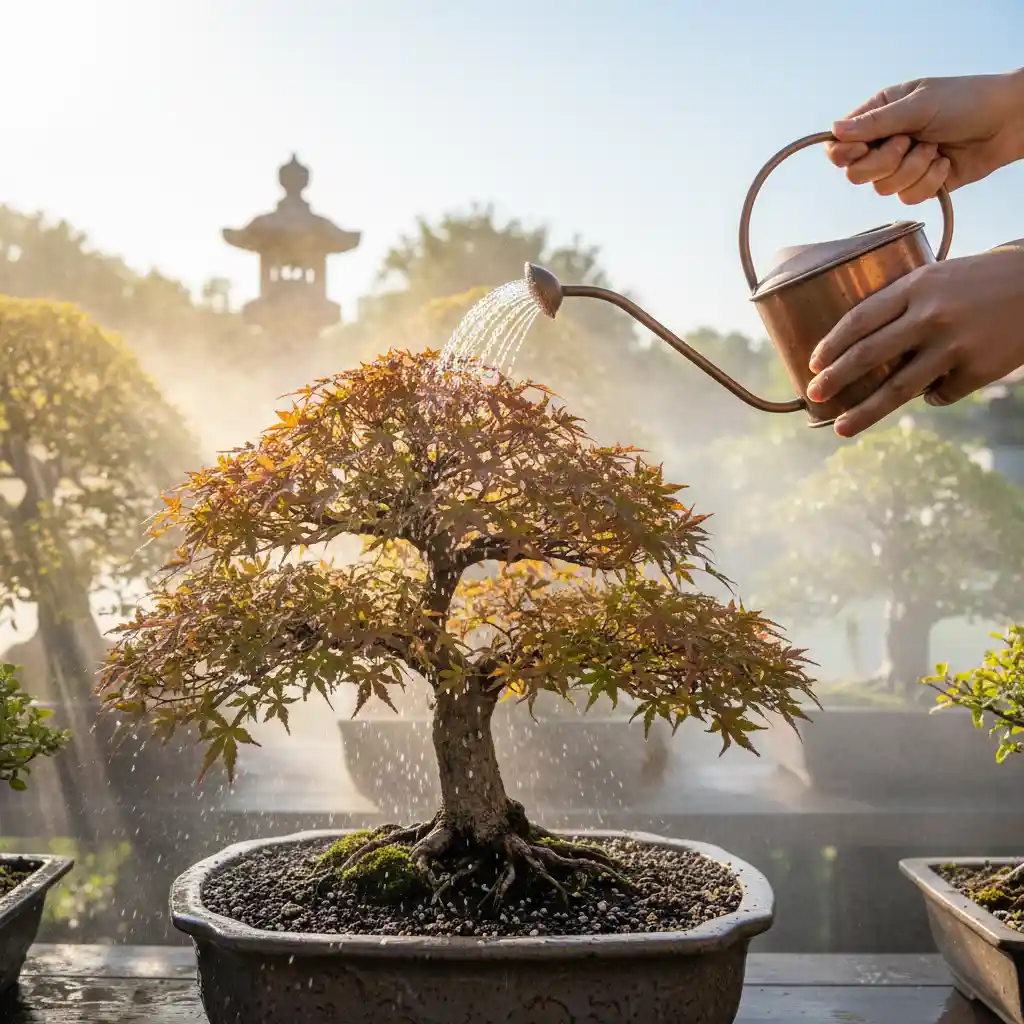
Increased temperatures mean increased `watering`. Check the soil daily, watering thoroughly as the top layer begins to dry. Provide afternoon shade to protect delicate leaves from scorching. Placing the pot on a humidity tray with pebbles can help maintain local `humidity` around the tree, preventing leaf crisping, especially for species like the `Japanese maple`.
Pest Control and Leaf Protection
Summer is also a prime time for `pests` like aphids and spider mites. Regular inspection and prompt treatment with organic pesticides are crucial. Ensure good air circulation to deter fungal diseases. Avoid strong `fertilization` during the hottest part of summer, as it can stress the tree.
Autumn: Preparing for Dormancy
As summer transitions to autumn, maple bonsai begin their spectacular display of fall colors. This period is vital for preparing the tree for its winter rest.
Reduced Fertilization and Watering
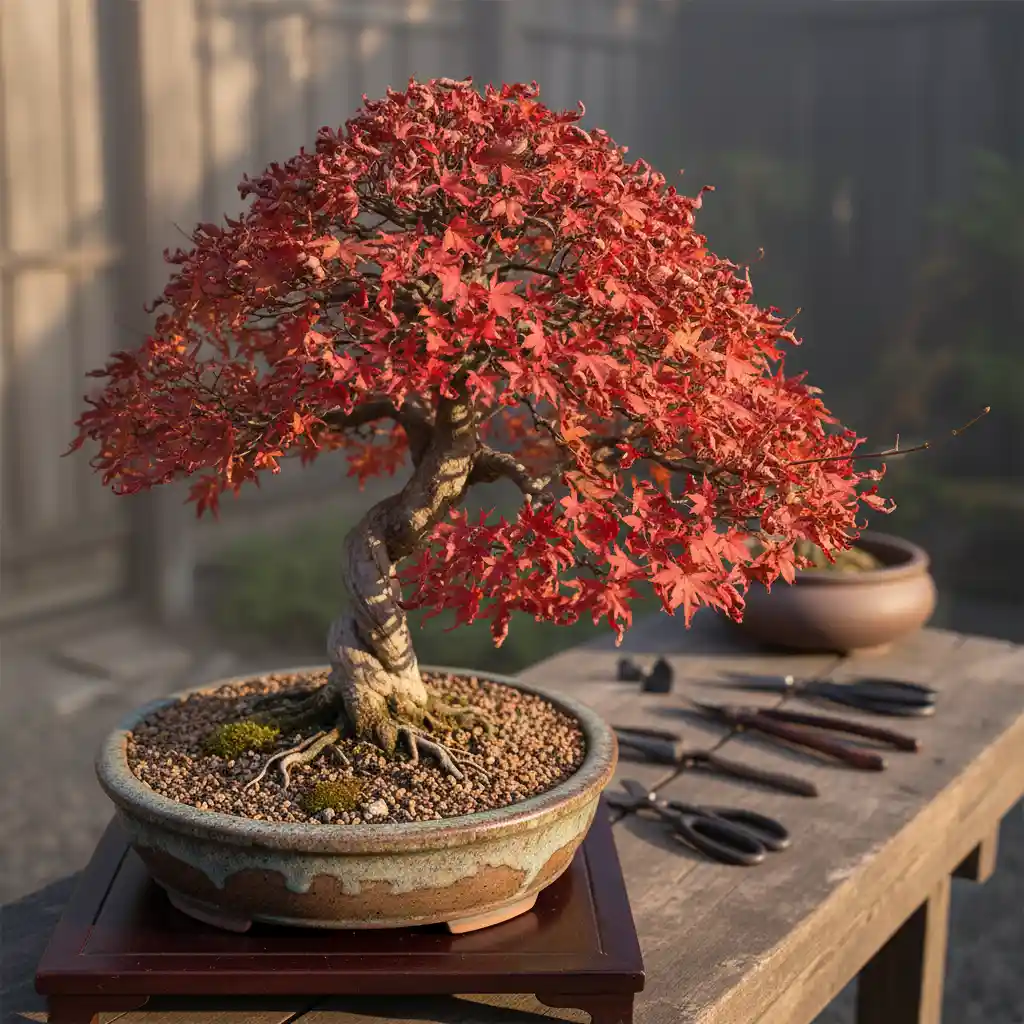
Gradually reduce `fertilization` and `watering` frequency as the weather cools and leaves begin to change color. This signals to the tree to harden off its growth and prepare for `dormancy`. Allowing the soil to dry slightly between waterings is beneficial, but never let it become bone dry.
Enjoying Fall Colors
The `Acer palmatum` varieties are particularly known for their breathtaking red, orange, and gold foliage in autumn. Proper summer care contributes to a more vibrant fall display. This is a time to appreciate the aesthetic beauty before the leaves drop, signaling the start of winter.
Winter: Essential Rest and Protection
Winter is a period of rest and recuperation for maple bonsai. While seemingly inactive, proper `winterization` is critical for the tree’s survival and vigor in the coming spring. This phase is an integral part of `maple bonsai seasonal care`.
Providing Adequate Winterization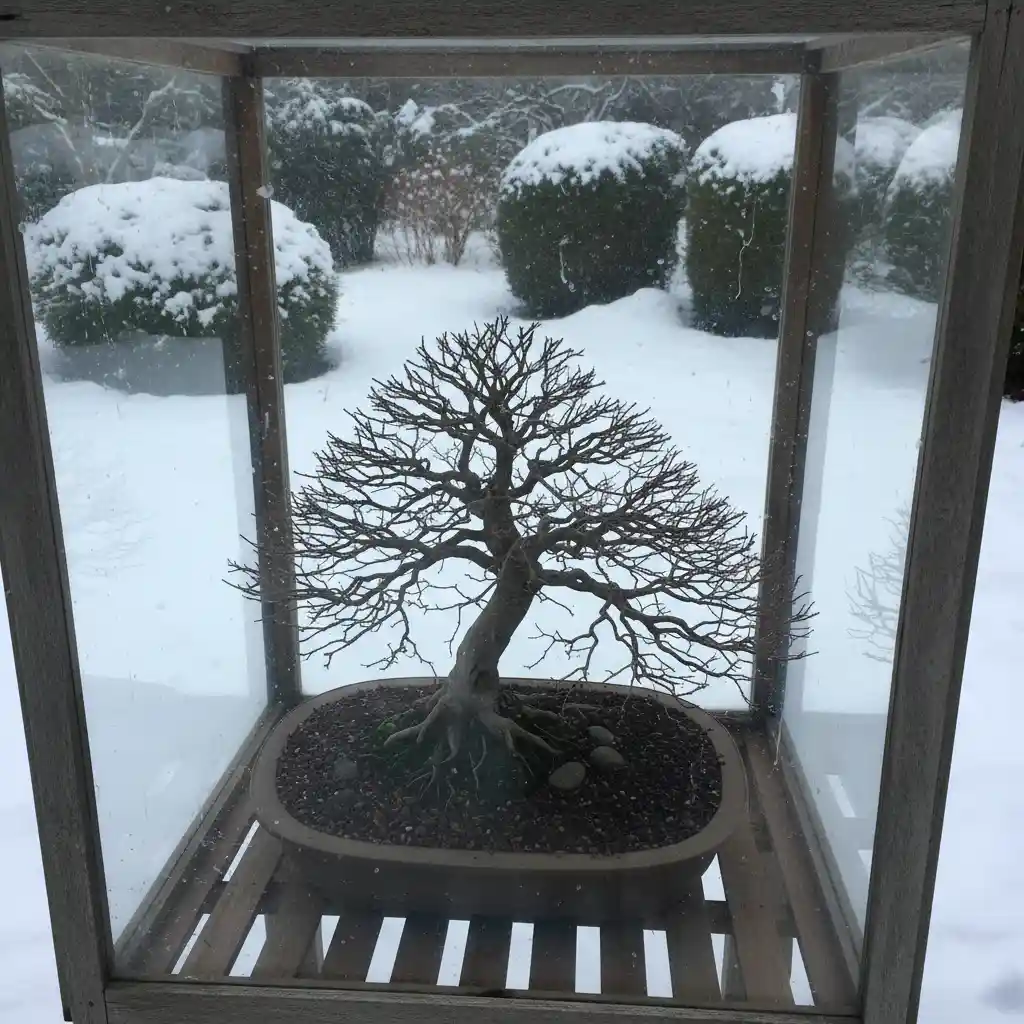
Protect your maple bonsai from freezing temperatures and harsh winds. Unheated garages, cold frames, or burying the pot in mulch are common methods for `winterization`. Keep the soil slightly moist, but avoid overwatering, as the tree’s water demands are minimal during `dormancy`.
Understanding Dormancy Needs
Maples require a period of cold `dormancy` to thrive. Without it, they may fail to bud properly in spring, leading to weakened growth or even death. Ensure the roots are protected from freezing solid, which can damage the delicate `root system`.
Advanced Styling: Shaping Your Maple Bonsai
Beyond seasonal care, the artistic development of maple bonsai involves precise styling techniques that evolve over many years. This commitment to shaping is what truly defines bonsai as a living art form.
Wiring and Branch Placement
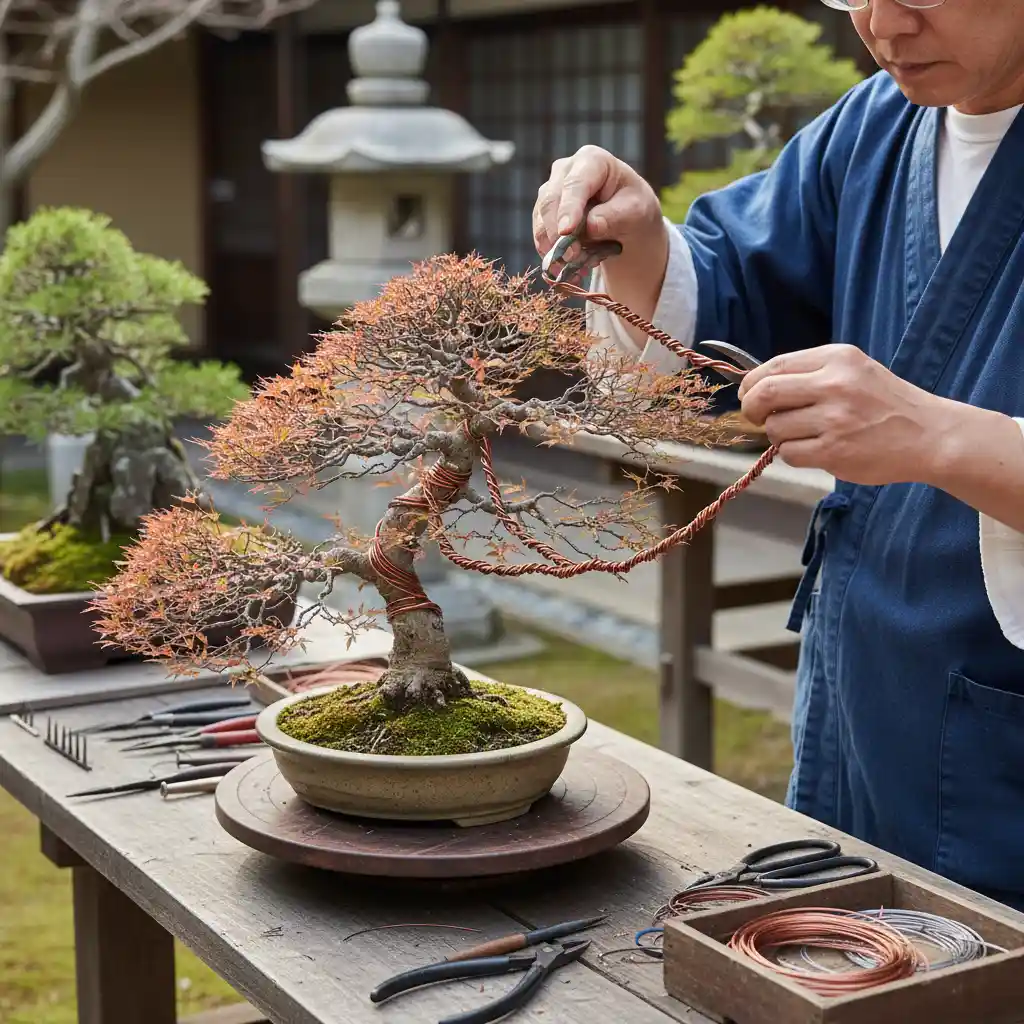
Beyond general care, mastering advanced Bonsai Pruning & Wiring Techniques is crucial. `Wiring techniques` are used to position branches and twigs, guiding them into desired shapes and directions. Aluminum or copper wire can be carefully applied, typically after `defoliation` in late spring or during the dormant season. Regular monitoring is essential to prevent wires from biting into the bark. Alongside these methods, advanced practices like Grafting Techniques for Bonsai Development can be employed to achieve specific aesthetic goals or address structural challenges.
Trunk Development and Aesthetics
Developing a strong, tapered `trunk` and a well-flared base (`nebari`) are fundamental to creating compelling `bonsai aesthetics`. This often involves initial training in the ground or in large grow pots, followed by successive pruning and refinement over decades. The overall structure should convey age and natural beauty.
Species-Specific Maple Considerations
While general care principles apply, different maple species and varieties may have specific needs due to their growth habits or environmental tolerances.
Japanese Maples (Acer Palmatum)
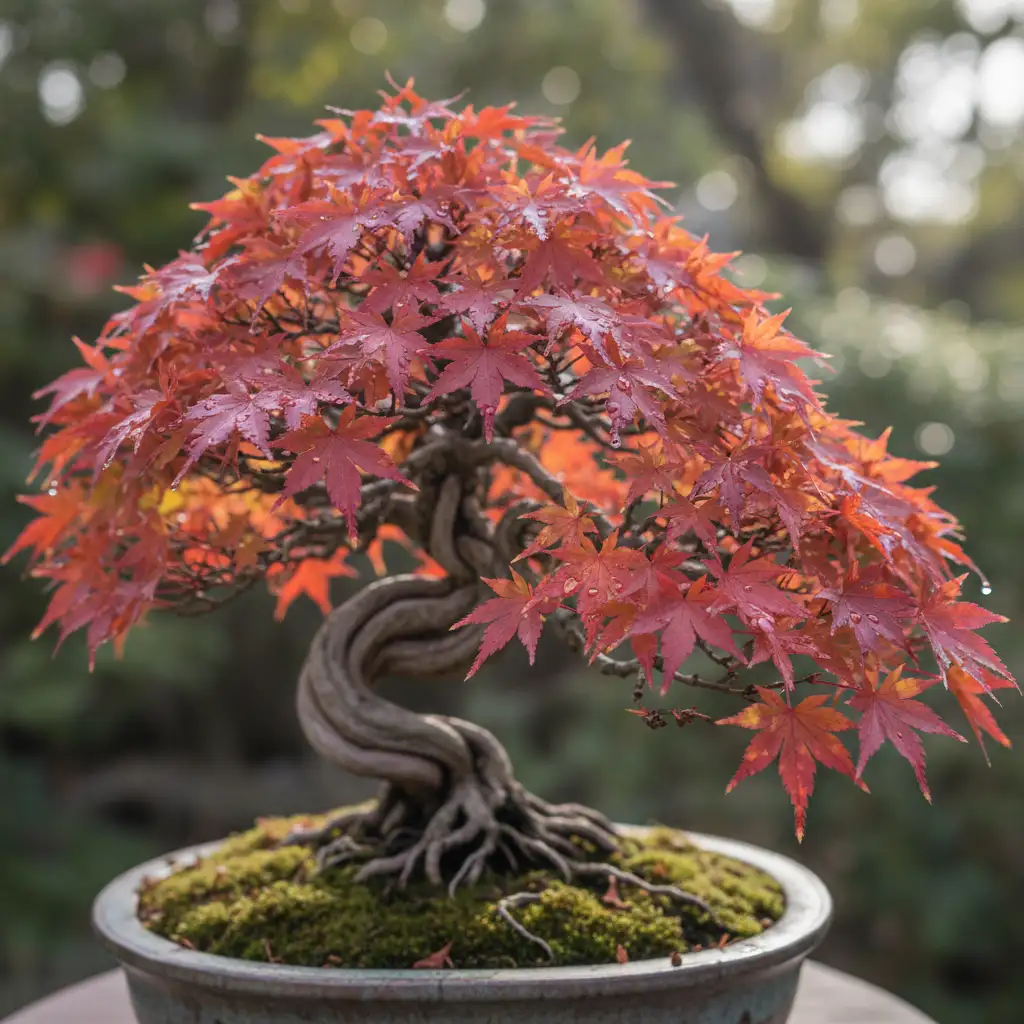
The `Japanese maple` (`Acer palmatum`) is perhaps the most popular for bonsai due to its small leaves, fine branching, and spectacular fall color. Varieties like ‘Deshojo’ (bright red spring foliage) or ‘Seigen’ (delicate pink new growth) require particular attention to sun exposure and protection from strong winds to prevent leaf burn.
Other Maple Varieties
Other maples, such as Trident maple (`Acer buergerianum`), Field maple (`Acer campestre`), or even Sugar maple (`Acer saccharum`) can also be cultivated as bonsai. Trident maples are known for their vigorous growth and excellent `nebari` development, making them a robust choice, though they may require more frequent pruning and `repotting`. For those interested in expanding their collection with indigenous species, exploring Rata Bonsai Cultivation: Techniques for a Hardy Native offers unique challenges and rewards. Additionally, to understand the broader context and progression of local species in the art, delve into The Future of NZ Native Bonsai: Innovation, Sustainability & Global Recognition.
Nurturing the Maple Bonsai Ecosystem
A healthy maple bonsai is supported by a balanced `ecosystem` within its pot. This includes the right `soil mix`, proper `drainage`, and appropriate environmental conditions.
Soil Mix and Drainage
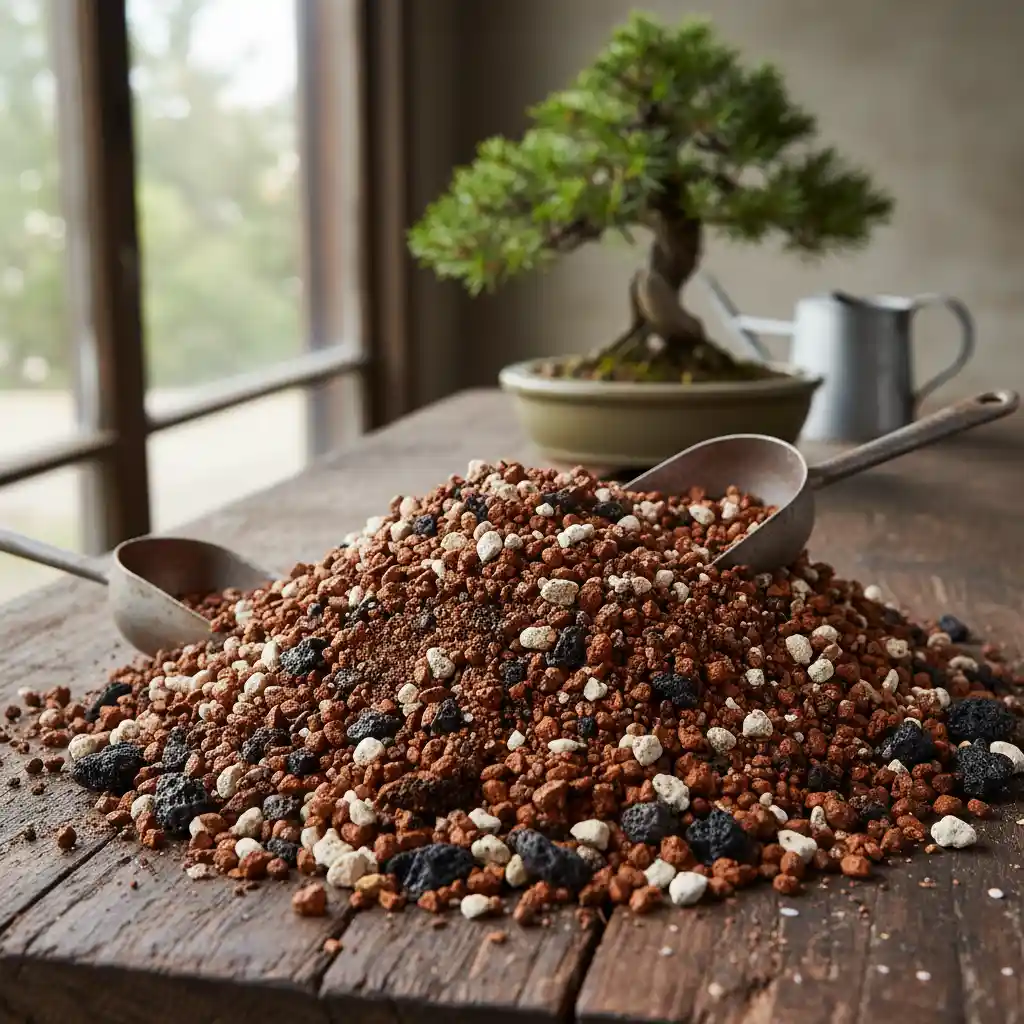
An ideal `soil mix` for maples typically consists of inorganic components like akadama, pumice, and lava rock, often with a small percentage of organic material. This ensures excellent `drainage` and aeration, crucial for preventing `root rot` and promoting healthy `root growth`. Good `drainage` is essential for effective `maple bonsai seasonal care`.
Environmental Factors
Maples thrive with good air circulation and adequate light. While many appreciate morning sun, afternoon shade is vital in hotter climates. Protecting them from strong, drying winds can also prevent leaf scorch and stress, particularly during summer.
Finding Your Perfect Maple Bonsai
Sourcing high-quality material is the first step toward creating a magnificent maple bonsai. Whether starting from seed, a cutting, or a nursery plant, selecting healthy stock is crucial.
Choosing Quality Stock
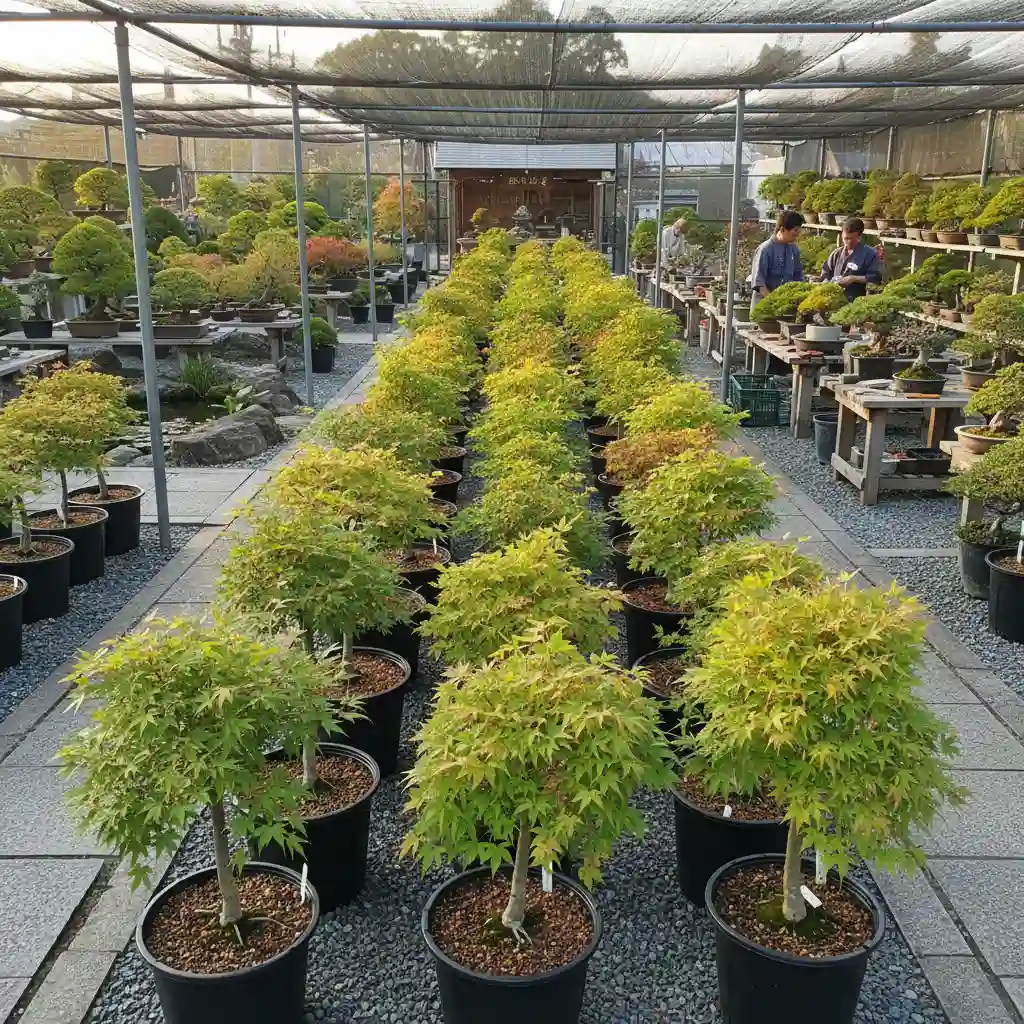
Look for trees with a strong `trunk`, good `nebari`, and healthy `foliage`. Reputable `bonsai nurseries` or specialized growers are the best places to find pre-bonsai or young maples suitable for training. Consider the species and its suitability for your local climate.
Ethical Sourcing
Always prioritize `ethical sourcing` of trees, ensuring they are grown sustainably. Buying from local nurseries not only supports local businesses but often provides trees better adapted to your region’s conditions. For more information on bonsai history and care, you can visit Source. Additionally, to connect with a wider network of enthusiasts and deepen your knowledge, consider exploring Top Online Bonsai Forums and Communities.
The Cultural Significance of Bonsai
Bonsai is more than just horticulture; it is an art form deeply rooted in `cultural aspects` and philosophical traditions. The practice of `maple bonsai seasonal care` connects us to ancient wisdom and artistic discipline.
History and Philosophy
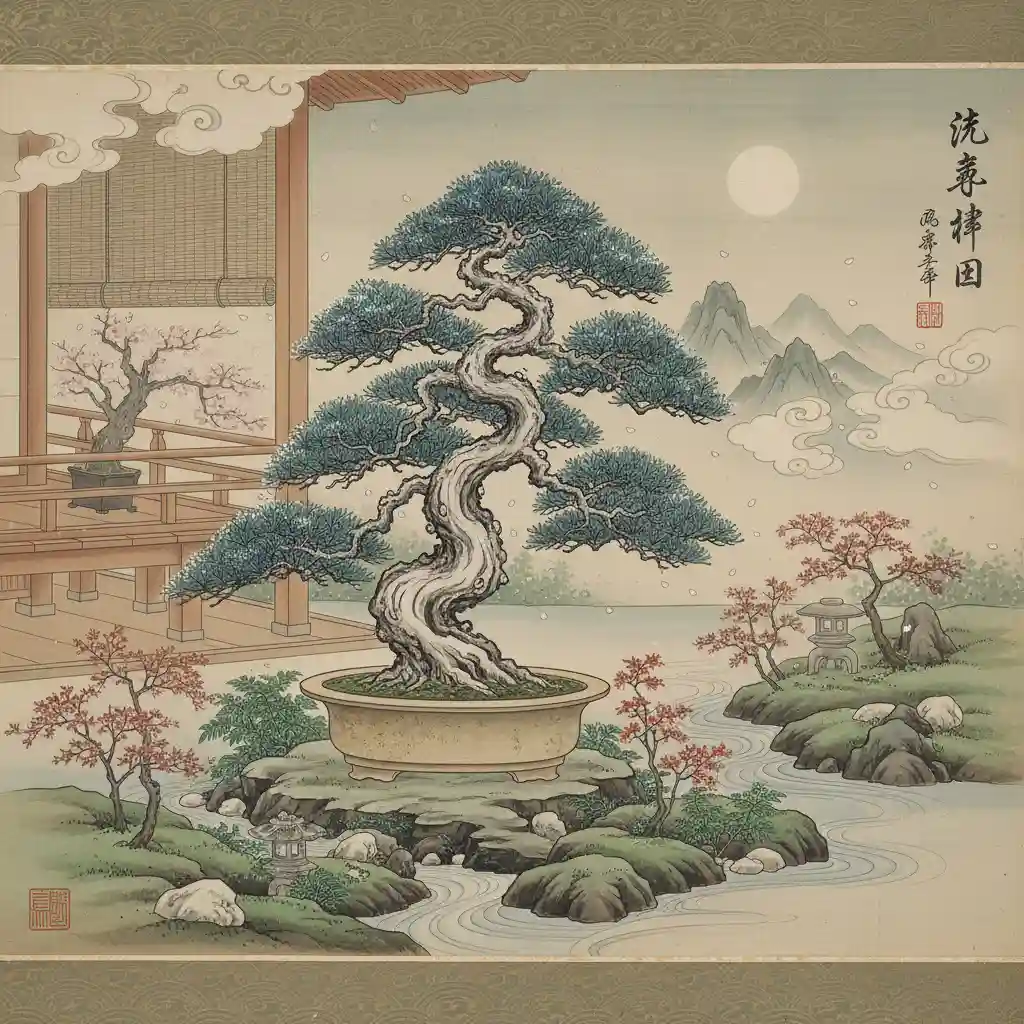
The art of bonsai originated in China (penjing) and was later refined in Japan. It embodies principles of patience, harmony, and meditation. Caring for a bonsai is a journey of continuous learning and artistic expression, reflecting the beauty of nature in miniature.
Bonsai as Art and Tradition
Each maple bonsai tells a story, shaped by human hands and guided by natural growth. It represents the passage of time and the enduring beauty of trees, connecting the caretaker to a rich artistic tradition that spans centuries.
Conclusion: A Rewarding Journey
Cultivating maple bonsai is a deeply rewarding endeavor that challenges and inspires. By diligently applying `maple bonsai seasonal care` techniques throughout the year, you ensure your tree’s health, vibrancy, and continued artistic evolution.
Embrace the seasonal rhythms, observe your tree closely, and enjoy the profound beauty that these living works of art bring to your life. The journey of `bonsai cultivation` is one of continuous growth, both for the tree and for the artist.