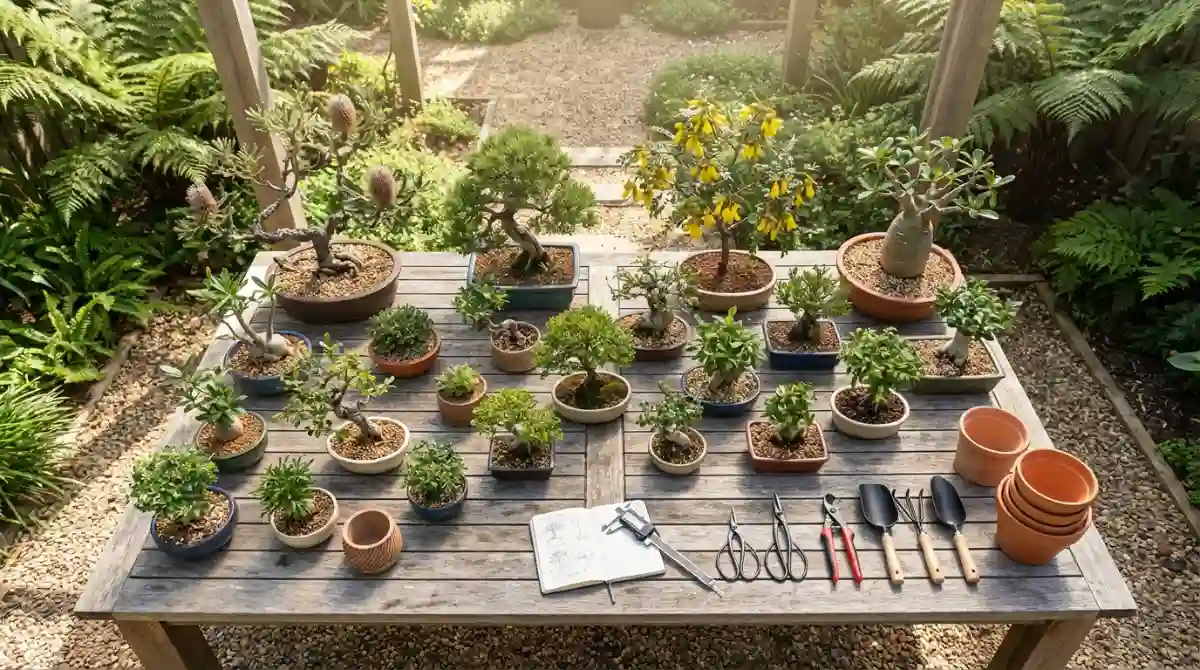
Regional Bonsai Species Guides
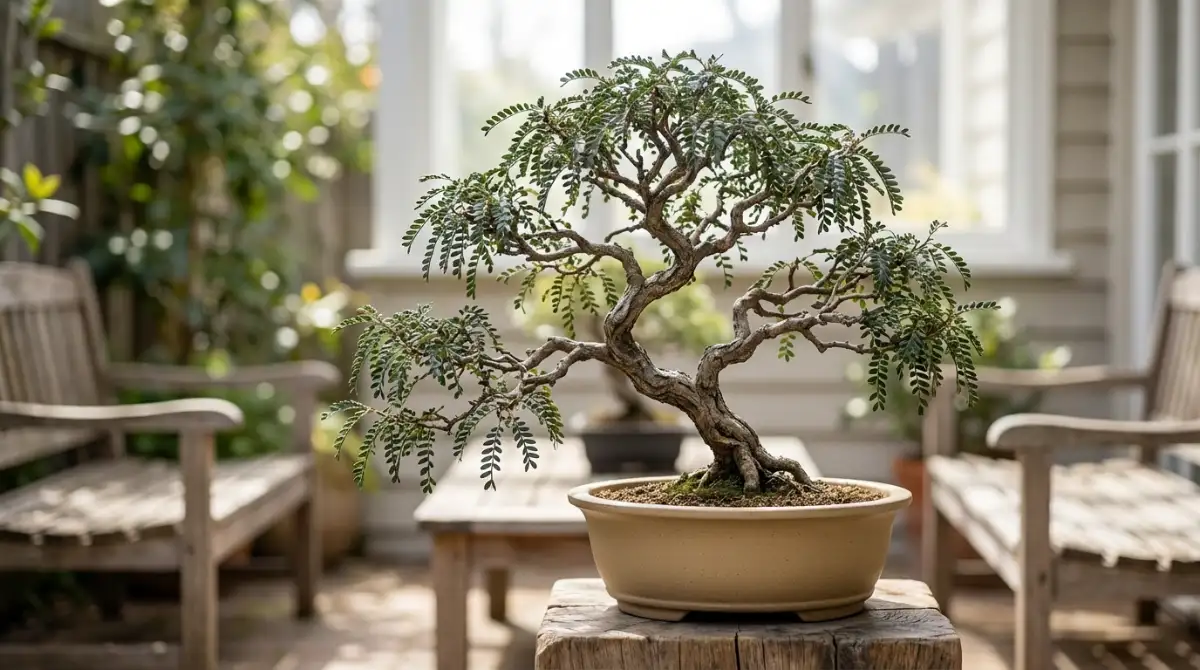
bonzai.co.nz
What You Will Learn
Explore native Australian bonsai species like Acacia, Eucalyptus, and Banksia, alongside New Zealand’s Pohutukawa and Manuka, and South African varieties. Learn cultivation, styling tips, and how to choose the right species for your climate zone.
Native Australian Bonsai Species: Cultivation & Styling
The art of bonsai transcends geographical boundaries, offering a unique blend of traditional botany and modern maker-culture. For enthusiasts in the Southern Hemisphere, a wealth of incredible native species provides exciting opportunities for cultivation and styling. This guide delves into the specifics of caring for and shaping these remarkable trees, focusing on the unique challenges and rewards they present, including their growing appreciation in specimen valuation and broader ecological understanding.
Table of Contents
- Acacia, Eucalyptus, and Banksia for Bonsai
- New Zealand Native Bonsai: Pohutukawa and Manuka
- South African Bonsai Species and Care
- Selecting the Right Species for Your Climate Zone
Acacia, Eucalyptus, and Banksia for Bonsai
Australia boasts an incredible diversity of flora, with many species perfectly suited for bonsai. Among the most popular native Australian bonsai species are Acacia, Eucalyptus, and Banksia, each offering distinct characteristics for the dedicated artist.
Acacia Bonsai
Acacias, often known as wattles, are renowned for their fine foliage and vibrant flowers. Species like Acacia pycnantha (Golden Wattle) or Acacia longifolia (Sydney Golden Wattle) adapt well to pot culture. They respond vigorously to pruning, making them excellent candidates for various styling techniques. Regular watering and protection from extreme frosts are key to their success.
Eucalyptus Bonsai
Eucalyptus trees, or gum trees, present a fascinating challenge. Their robust growth and often gnarly bark make for dramatic bonsai specimens. Smaller-leafed varieties like Eucalyptus pauciflora (Snow Gum) or Eucalyptus parvula (Small-leaved Gum) are more manageable. Eucalypts appreciate plenty of sun and good drainage, and their tendency to shed bark can add to their aged appearance. Wiring should be done carefully as their branches can be brittle.
Banksia Bonsai
Banksias, with their distinctive flower spikes and serrated leaves, offer a unique aesthetic. Species such as Banksia serrata (Saw Banksia) or Banksia spinulosa (Hairpin Banksia) can be transformed into stunning bonsai. They prefer well-drained, acidic to neutral soils and are relatively drought-tolerant once established. Pruning after flowering helps maintain shape and encourage new growth.
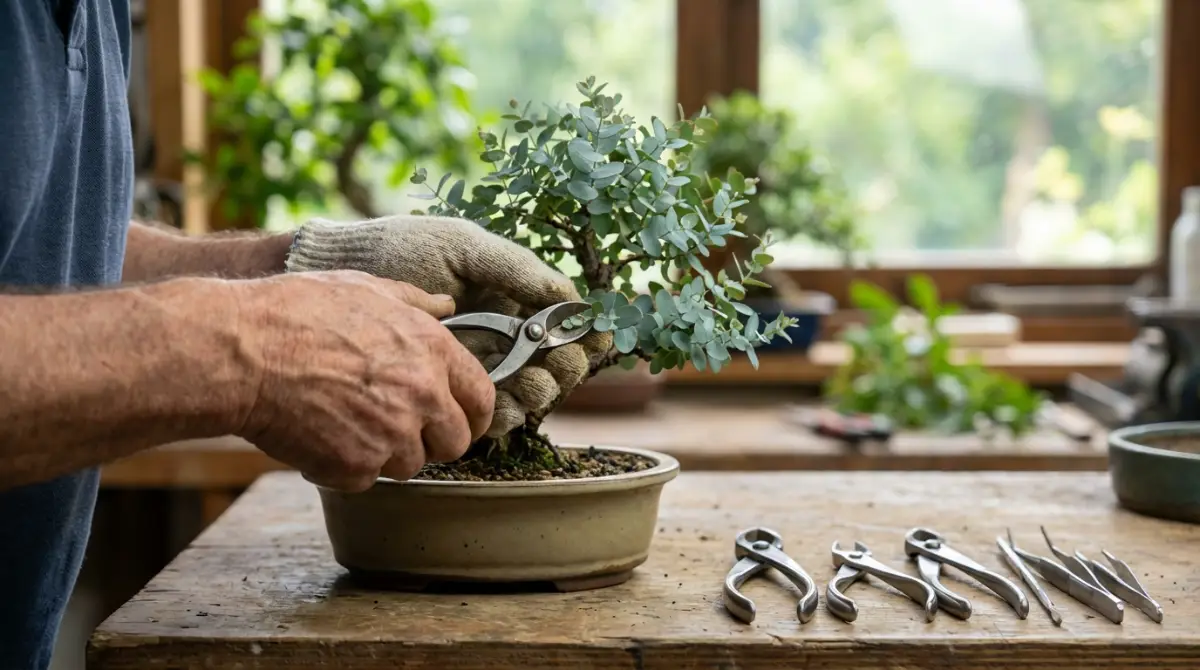
New Zealand Native Bonsai: Pohutukawa and Manuka
Across the Tasman, New Zealand offers equally captivating native species for bonsai. The Pohutukawa and Manuka are particularly favored for their beauty and resilience.
Pohutukawa Bonsai
The iconic Metrosideros excelsa, or Pohutukawa (New Zealand Christmas Tree), is a magnificent choice. Its vibrant red flowers in summer and robust trunk development make it a showstopper. Pohutukawas thrive in full sun and require protection from severe frosts. Their ability to develop aerial roots can add an extra dimension to their styling.
Manuka Bonsai
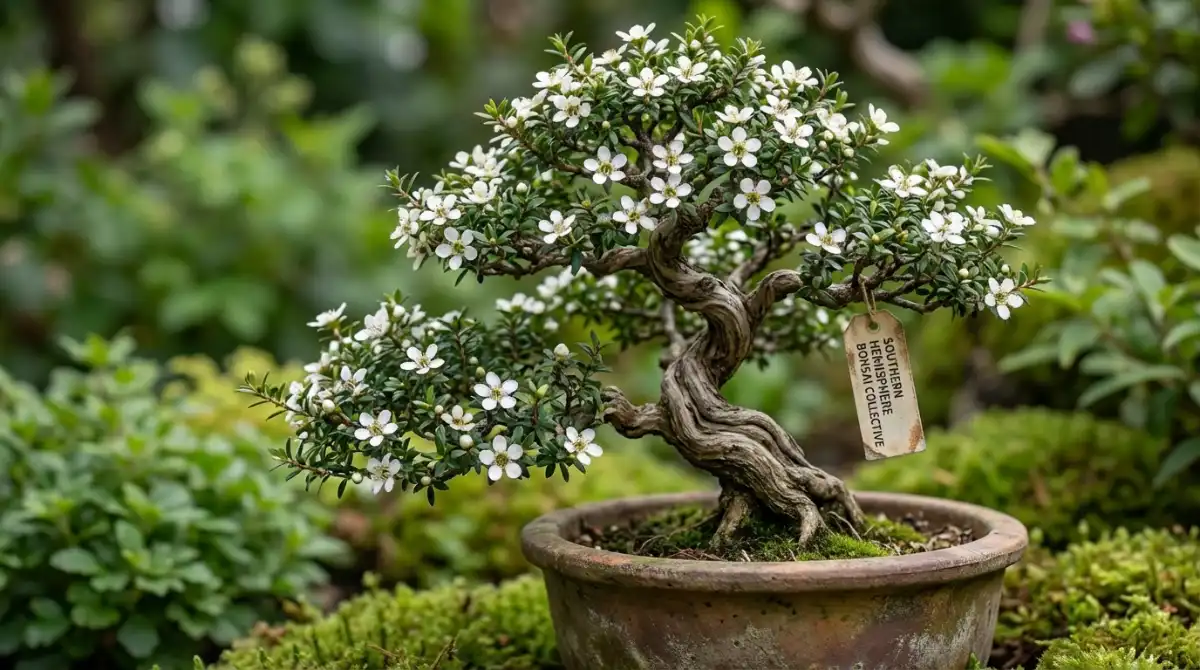
Leptospermum scoparium, or Manuka, is a versatile and popular choice for bonsai. Known for its small, delicate leaves and profuse white or pink flowers, Manuka responds very well to pruning and wiring. It prefers sunny positions and well-drained soil, making it relatively low-maintenance once established.
South African Bonsai Species and Care
South Africa’s diverse landscapes provide a rich source of plant material suitable for bonsai, embodying the spirit of resilient nature. From ancient Ficus species to unique succulents, the possibilities are vast.
Key species include the Natal Fig (Ficus natalensis), which boasts impressive aerial root potential and a strong trunk. The Spekboom (Portulacaria afra) is a succulent often used for bonsai due to its easy propagation, rapid growth, and drought tolerance, making it an excellent choice for beginners. African Olive (Olea europaea subsp. africana) also makes for striking bonsai with its gnarled trunks and fine foliage.
Care for South African species often involves ensuring good drainage, ample sunlight, and protection from frost, depending on the specific species’ native habitat. Understanding the unique growing habits of these plants is crucial for successful cultivation and styling, bridging traditional methods with regional botanical insights.
Selecting the Right Species for Your Climate Zone
The success of your bonsai journey, particularly with native species, hinges on selecting trees that are well-suited to your local climate. Consider your region’s average temperatures, humidity, and rainfall. For instance, a species accustomed to the dry Australian outback may struggle in a humid, temperate New Zealand climate without significant environmental control.
Research the natural habitat of your chosen species: does it prefer full sun or partial shade? Is it frost-tolerant or does it need winter protection? Understanding these fundamental requirements will guide your watering, fertilizing, and positioning strategies, ensuring your bonsai thrives. Embracing these regional species not only enriches your collection but also fosters a deeper connection to the unique botanical heritage of the Southern Hemisphere, elevating the craft from a hobby to an investment in living art and ecological appreciation.