Mastering Bonsai Styling: Techniques for Exquisite Trees
Welcome to the ultimate guide for bonsai styling NZ enthusiasts. Discover the art and science behind shaping beautiful miniature trees that thrive in New Zealand’s unique climate. Our experts at Bonzai New Zealand share essential techniques to help you create stunning bonsai masterpieces. This guide offers insights for both beginners and experienced growers, ensuring your trees grow with grace and form.
Bonsai styling is the artistic practice of cultivating miniature trees by shaping them through various techniques like pruning, wiring, and repotting. The goal is to mimic the natural forms of mature trees in a smaller scale, creating living art that reflects nature’s beauty and resilience for any setting.
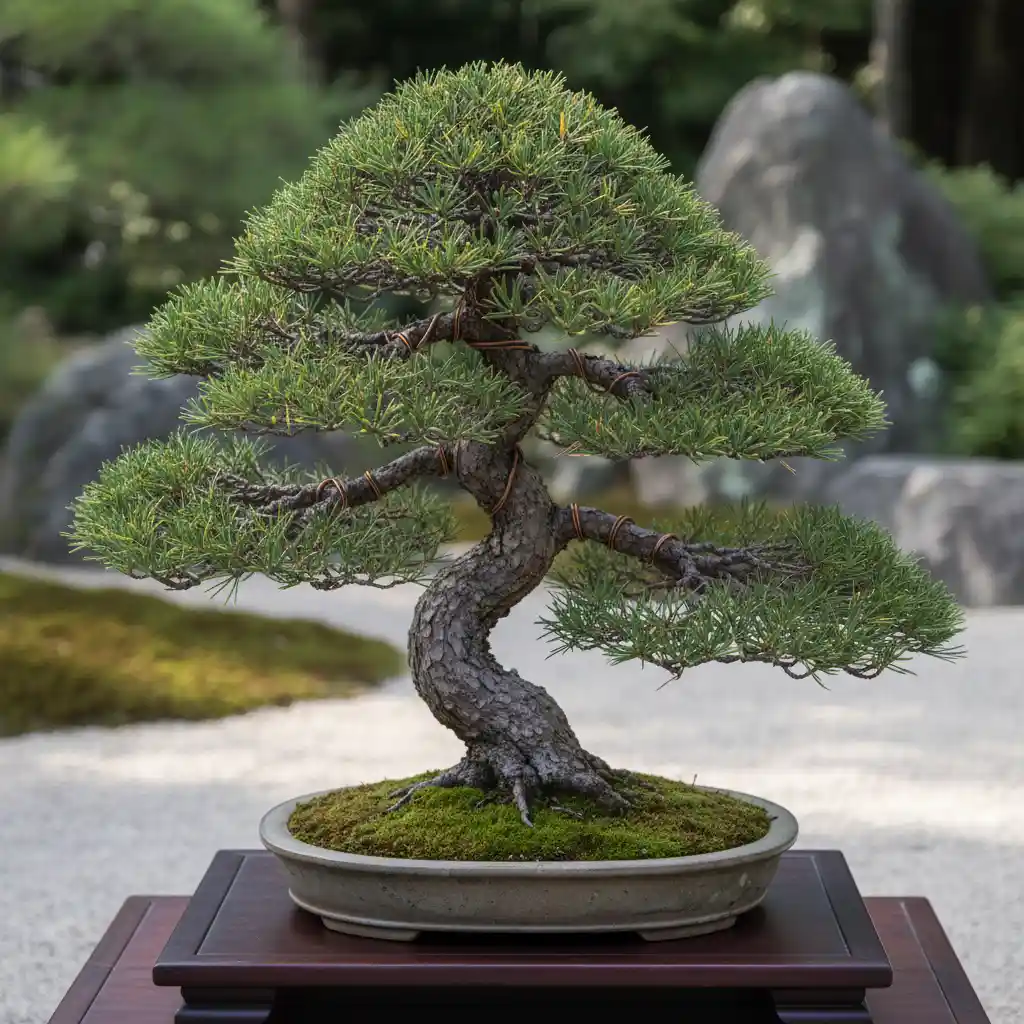
Essential Pruning Methods for Bonsai Health & Shape
Pruning is fundamental to effective bonsai styling. It controls growth, refines shape, and promotes the overall health of your tree. Regular pruning encourages ramification, which means more fine branches, and helps maintain the tree’s miniature scale.
Understanding the different types of pruning is key to success. Each method serves a specific purpose in developing a balanced and aesthetically pleasing bonsai. Always use clean, sharp tools to ensure precise cuts and minimize damage to the tree.
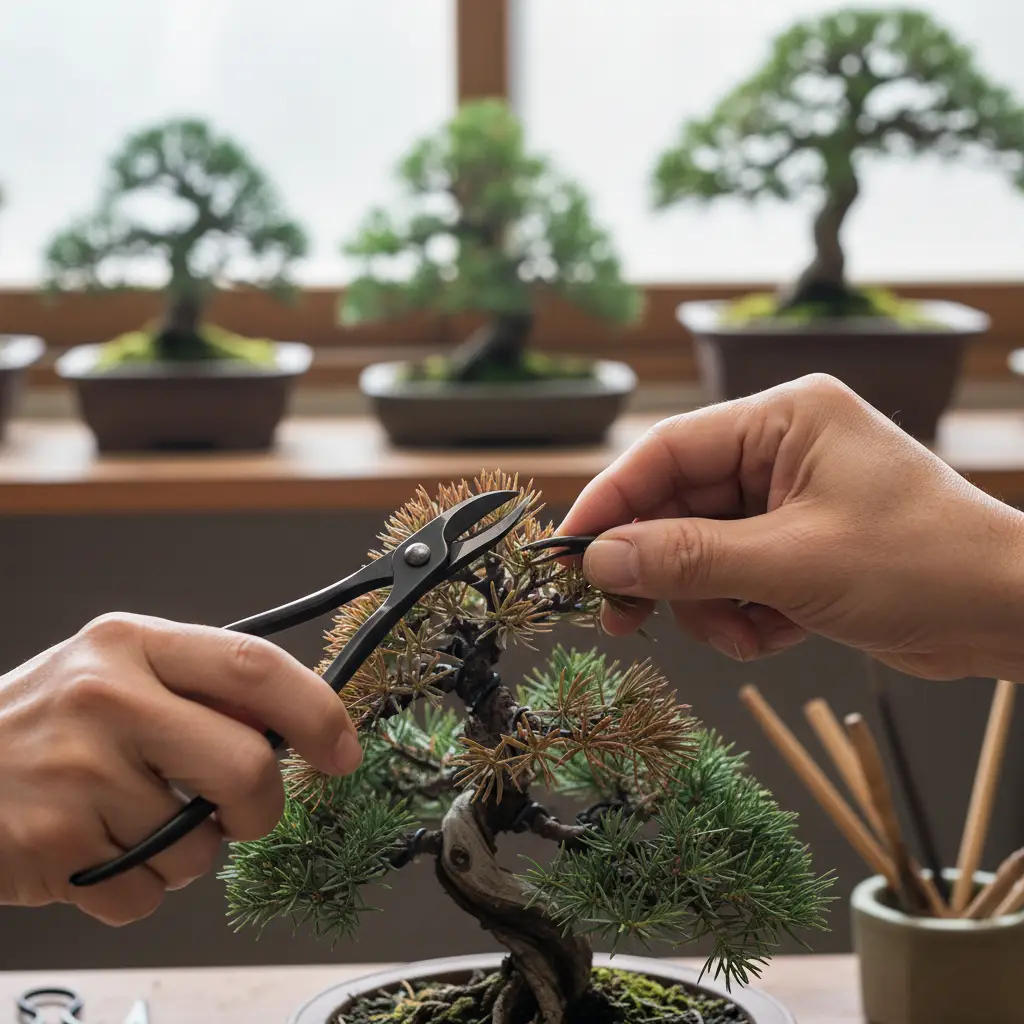
Structural Pruning: Defining the Framework
Structural pruning involves removing larger, undesirable branches to establish the tree’s overall silhouette. This is often done during the tree’s dormant period, typically in late winter or early spring. The goal is to create the desired taper and movement.
Carefully identify and remove any branches that cross, grow downwards, or create inverse taper. This foundational work sets the stage for all future refined styling. It ensures a strong, balanced framework for your bonsai.
Maintenance Pruning: Keeping the Shape
Maintenance pruning is an ongoing process performed throughout the active growing season. It involves regularly nipping back new shoots, thinning dense areas, and removing spent flowers or fruits. This keeps the tree’s established shape.
This type of pruning also helps to balance vigor across the entire tree, allowing adequate light and air to penetrate the canopy. Consistent maintenance is vital for sustaining the artistic form of your bonsai over time.
Defoliation: A Unique Technique
Defoliation is an advanced pruning technique where all or most leaves are carefully removed from a healthy tree. This forces the tree to produce a new flush of smaller leaves, which enhances ramification and improves overall scale.
This technique is usually performed in mid-summer on strong, healthy specimens. It requires careful research into the specific species, as not all bonsai respond well to defoliation. Always proceed with caution and preparation.
Mastering Wiring Techniques for Elegant Bonsai Form
Wiring is an indispensable method in bonsai styling, allowing you to precisely bend and position branches and trunks. It provides the structural guidance that pruning alone cannot achieve, guiding growth towards your artistic vision.
Proper wiring ensures that your bonsai develops natural-looking movement and density. It’s a key technique for shaping the tree into its desired style, reflecting the elegance found in mature trees in nature.

Choosing the Right Wire and Tools
Bonsai wire typically comes in anodized aluminum or annealed copper. Aluminum is softer and easier to work with, making it ideal for beginners and most deciduous trees. Copper is stronger and holds its shape better, often preferred for conifers and larger branches.
Select a wire thickness that is approximately one-third the diameter of the branch you intend to bend. You will also need specialized wire cutters and concave pliers for clean removal and precise adjustments during the process.
Applying Wire Safely and Effectively
The primary goal of wiring is to hold a branch in a new position without causing damage to the bark. Wrap the wire at a consistent 45-degree angle, snugly but never too tightly, to ensure firm support against the desired bend.
Always anchor the wire properly, either to the main trunk or a thicker branch for stability. Work methodically from the trunk outwards, wiring thicker branches first, then progressing to finer ones. This ensures a balanced and natural aesthetic.
Monitoring and Wire Removal
Regularly monitor your wired branches. As the tree grows, the wire can begin to bite into the bark, potentially causing unsightly scars. It is crucial to remove the wire before this happens, typically after 3-12 months depending on the species and growth rate.
If a branch springs back to its original position after wire removal, it can be re-wired. Consistent observation and timely wire removal are crucial for successful bonsai styling NZ, preserving the health and beauty of your tree.
Exploring Advanced Bonsai Styling and Aesthetics
Once you’ve mastered the foundational techniques of pruning and wiring, you can delve into more advanced bonsai styling NZ styles. These intricate styles often draw profound inspiration from nature, mimicking trees found in diverse and challenging environments.
Understanding these established aesthetics deepens your appreciation and skill in the art of bonsai. Each style tells a unique visual story, requiring a keen artistic eye and a deep understanding of natural tree forms.

Classic Japanese Bonsai Styles
There are many established bonsai styles, each with specific characteristics that evoke different natural settings:
- Formal Upright (Chokkan): This style features a perfectly straight, upright trunk with symmetrical branching, symbolizing strength and resilience.
- Informal Upright (Moyogi): The trunk of this style has gentle, graceful curves, still growing upwards, with branches alternating on each side, reflecting natural growth.
- Slanting (Shakan): The entire trunk leans strongly to one side, suggesting a tree that has been exposed to persistent strong winds or harsh elements.
- Cascade (Kengai): In this dramatic style, the trunk and branches extend significantly below the pot rim, similar to a tree clinging to the side of a cliff.
- Semi-Cascade (Han-Kengai): Similar to the cascade, but the trunk does not drop below the very bottom of the pot, creating a gentler, flowing effect.
- Wind-Swept (Fukinagashi): All branches and foliage are swept to one side, powerfully depicting a tree enduring constant, strong winds.
Literati and Root-Over-Rock Styles
The Literati (Bunjingi) style is highly minimalist and elegant, featuring a tall, slender trunk with sparse foliage, often evoking a sense of refined beauty and quiet strength. This style prioritizes artistic impression over strict natural representation.
Root-Over-Rock (Sekijoju) styles involve the tree’s roots growing dramatically over a natural rock formation, anchoring deeply into the soil beneath. This style symbolizes incredible resilience and the enduring power of nature. These advanced forms require significant patience and a highly developed artistic eye. For more information on the history and cultural significance of bonsai, you can visit Wikipedia’s Bonsai article.
Choosing the Right Bonsai Species for New Zealand Climates
Selecting the correct tree species is absolutely crucial for successful bonsai cultivation in New Zealand. Our country’s diverse climate, ranging from subtropical in the north to temperate in the south, significantly influences which trees will thrive.
Before making a choice, it is important to consider your specific local conditions and the available space where your bonsai will live. Matching the tree to its environment is key for its long-term health and vitality.

Native New Zealand Trees for Bonsai
Many native New Zealand species are excellent choices for bonsai. The vibrant Pohutukawa (Metrosideros excelsa) is popular for its striking red flowers and rugged bark, making it a dramatic subject. Totara (Podocarpus totara) and Kahikatea (Dacrycarpus dacrydioides) offer unique foliage and elegant growth habits.
These indigenous trees are naturally adapted to local conditions, often making them easier to cultivate and style for beginners and experienced growers alike. They bring a unique New Zealand character to your bonsai collection.
Popular Exotic Species in NZ
Alongside natives, many exotic species thrive wonderfully in New Zealand. Japanese Maples (Acer palmatum) are highly cherished for their stunning autumn colors and delicate, intricate foliage. Their seasonal changes add great beauty to any display.
Junipers (Juniperus chinensis ‘Shimpaku’) are versatile and exceptionally well-suited for intricate wiring and deadwood techniques. Ficus species are also popular for indoor bonsai, especially in cooler regions where they require protection from frost. Always research the specific needs of your chosen species.
Key Bonsai Care Tips for Long-Term Health
Beyond the artistic aspects of styling, consistent and diligent care is essential to ensure your bonsai remains healthy and vibrant for many years to come. These crucial tips apply to all bonsai enthusiasts in New Zealand, ensuring your trees thrive.
Proper environmental management, watering, and feeding are just as important as the shaping techniques. A well-cared-for bonsai will better respond to styling and display greater vigor and beauty.

Watering and Fertilizing
Proper watering is paramount for bonsai survival. Due to their shallow pots, bonsai trees dry out much faster than garden plants. Water thoroughly when the topsoil feels slightly dry to the touch, allowing excess water to drain completely from the pot.
Avoid overwatering, as this can lead to root rot, a common cause of bonsai demise. Fertilize your bonsai during its active growing season, typically from spring to autumn, using a balanced liquid or slow-release granular fertilizer. Adjust feeding based on the tree’s vigor and species requirements.
Repotting and Pest Management
Repotting is essential to refresh the soil medium and prune the roots, promoting new, healthy growth. This critical task is typically performed every 1-3 years, depending on the tree’s age, species, and growth rate. Always use a well-draining bonsai-specific soil mix.
Regularly inspect your bonsai for any signs of pests or diseases. Early detection allows for prompt and effective treatment, using organic sprays or systemic solutions as needed. Healthy trees are significantly less susceptible to pest and disease issues.
Location and Protection
The ideal location for your bonsai largely depends on its specific species. Most outdoor bonsai require plenty of sunlight to thrive, but some may need protection from intense midday sun, particularly during New Zealand’s hot summer months.
In winter, sensitive species must be protected from frost. Indoor bonsai require bright, indirect light and often benefit from increased humidity. Rotate your trees regularly to ensure even growth and exposure to light on all sides.
Elevate Your Bonsai Journey with Bonzai New Zealand
Whether you are just starting or are an experienced artist, understanding bonsai styling NZ techniques is a profoundly rewarding path. Explore more resources and connect with our vibrant community at Bonzai New Zealand to continue learning and perfecting your craft. Happy styling!
We are dedicated to providing the best knowledge and resources for bonsai enthusiasts across New Zealand, always looking ahead to new techniques and insights for the art of bonsai.