Pohutukawa Bonsai: Care & Styling for NZ’s Christmas Tree
What You Will Learn
Master pohutukawa bonsai care with our expert guide. Learn selecting stock, watering, fertilizing, pruning, wiring, and pest control for NZ’s iconic Christmas tree.
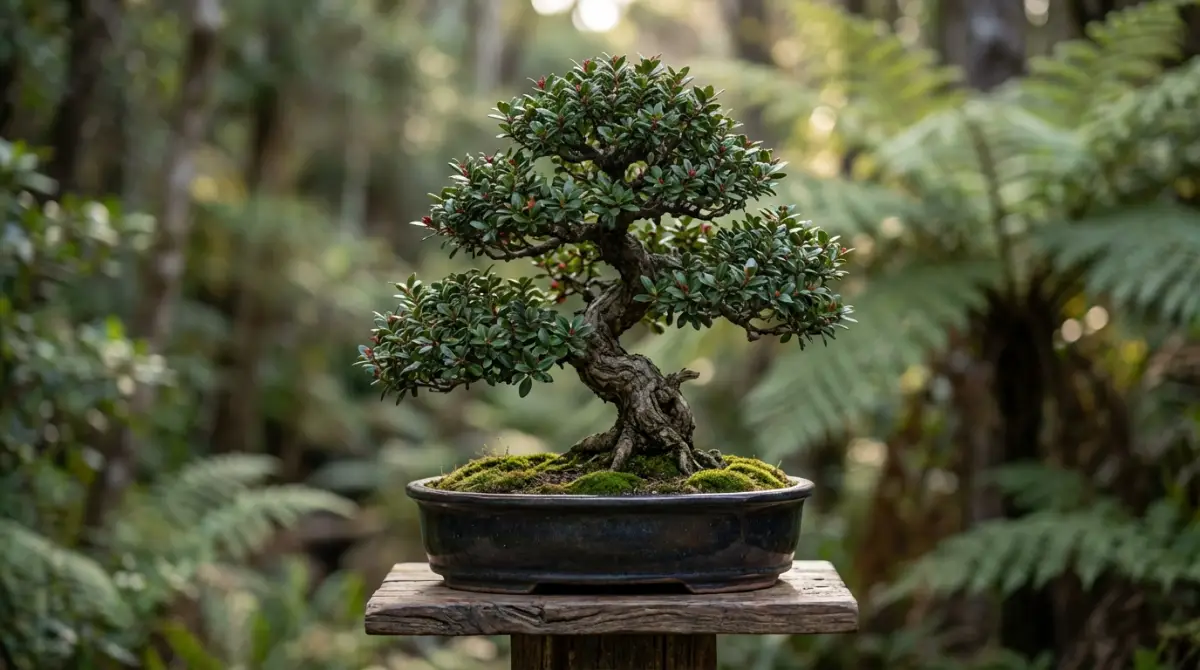
Among the vibrant tapestry of New Zealand’s native flora, the iconic Pohutukawa (Metrosideros excelsa) stands as a symbol of resilience, beauty, and national identity. Known affectionately as ‘New Zealand’s Christmas Tree’ for its dazzling crimson blooms that herald the summer, this coastal evergreen also possesses extraordinary potential as a bonsai subject. Crafting a Pohutukawa bonsai is a deeply rewarding journey, merging horticultural skill with artistic vision to capture the spirit of these magnificent trees in miniature form. If you’re looking to cultivate a piece of Aotearoa’s natural heritage, mastering pohutukawa bonsai care is your first step towards a stunning living sculpture. For those just embarking on their bonsai journey, exploring Essential Bonsai Starter Kits Explained can provide a solid foundation.
This comprehensive guide will walk you through every essential aspect of nurturing and styling your Pohutukawa bonsai, from selecting the perfect stock to intricate pruning and wiring techniques. Prepare to delve into the expert knowledge required to keep your mini Christmas tree thriving and aesthetically refined.
Introduction to Pohutukawa as Bonsai
The Pohutukawa is revered for its gnarled branches, thick bark, and spectacular flowers. These characteristics translate beautifully into bonsai, allowing for the creation of ancient-looking specimens with dense foliage and vibrant seasonal displays. While robust in its natural habitat, the Pohutukawa requires specific care when confined to a bonsai pot, particularly regarding its water and nutrient needs, and its response to pruning and shaping.
Its evergreen nature provides year-round interest, and with careful attention, it can develop a commanding presence, making it a prized addition to any bonsai collection. Understanding its growth habits and adapting traditional bonsai techniques to suit this unique species is crucial for success.
Selecting Healthy Pohutukawa Stock
The foundation of a great bonsai lies in selecting healthy, vigorous stock. For Pohutukawa, you have several options: growing from seed, taking cuttings, or purchasing nursery-grown saplings. Each method has its pros and cons, but starting with robust material significantly impacts your journey in pohutukawa bonsai care.
1. Sourcing Quality Material
- Nursery Stock: Look for saplings with a good nebari (root flare), a tapering trunk, and healthy, pest-free foliage. Avoid trees with reverse taper or significant scarring unless you have a specific design in mind to mitigate these issues.
- Collected Material: If legally and ethically sourced, collecting Pohutukawa can yield aged trunks with fantastic character. However, this is advanced, requires permits, and a deep understanding of aftercare to ensure survival. For a detailed guide on responsible collection, explore NZ Yamadori Principles: Ethical Collection & Cultivation of Wild Stock.
- Cuttings/Seedlings: Starting from scratch allows full control over development but requires patience, as it can take many years to achieve a substantial trunk.
2. Initial Health Check
Before committing, thoroughly inspect your potential stock. Ensure there are no signs of pests (e.g., scale, mealybugs) or diseases (e.g., fungal spots). The leaves should be a healthy, vibrant green without yellowing or wilting. If you observe yellowing leaves, our guide on Yellow Leaves Bonsai Fix offers practical solutions. A strong root system is paramount for long-term bonsai health.
Watering and Fertilizing Schedules for Pohutukawa
Proper watering and fertilizing are critical pillars of successful pohutukawa bonsai care. Pohutukawa naturally thrives in coastal environments, adapting to periods of both moisture and relative dryness, but as a bonsai, its needs are more precise due to the confined root space. This also makes understanding processes like Repotting Bonsai: When, Why, and How-to particularly important for their long-term health.
1. Watering Regimen
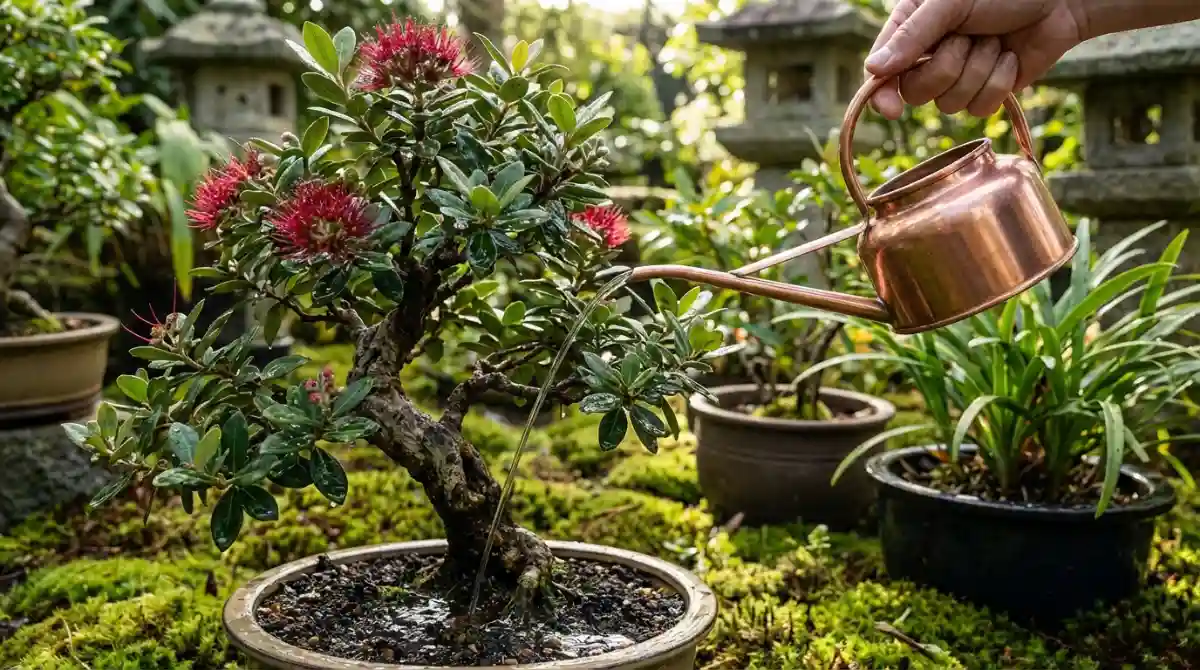
- Frequency: Water thoroughly when the top inch of soil feels dry. This often means daily in hot, windy summer conditions, and less frequently in cooler, wetter months. For more detailed insights into efficient water management, consider exploring Advanced Bonsai Watering Systems & Tips. Never let the soil become bone dry, nor let it sit in standing water.
- Method: Water until it drains freely from the pot’s drainage holes. Multiple applications might be needed to ensure the entire root ball is saturated.
- Water Quality: Pohutukawa generally tolerates a range of water qualities, but rainwater or filtered water is always ideal.
2. Fertilizing Strategy
Pohutukawa are moderate feeders. A balanced fertilization program will support healthy growth and vibrant flowering.
- Growing Season (Spring/Summer): Apply a balanced liquid fertilizer (e.g., NPK 10-10-10) at half strength every two to four weeks. Alternatively, slow-release organic pellets can be used.
- Flowering Period (Late Spring/Early Summer): Switch to a fertilizer with a higher potassium (K) content to encourage abundant blooms.
- Dormancy (Autumn/Winter): Reduce or stop fertilizing as growth slows.
Always follow the specific instructions on your chosen fertilizer. Over-fertilizing can be detrimental to bonsai health. For an in-depth understanding of how to optimize your tree’s foundation, consider our guide on Bonsai Soil, Fertilization & Nutrition.
Pruning and Wiring Techniques for Shape
Shaping your Pohutukawa bonsai is where artistry meets horticulture. Pruning and wiring are the primary tools to develop its structure, ramification, and overall aesthetic. Patience and a clear vision are key to achieving a compelling design.
1. Structural Pruning
The aim of structural pruning is to establish the basic silhouette and branch structure. Pohutukawa are vigorous growers and respond well to hard pruning.
- Timing: Major pruning is best done in late winter or early spring, just before the new growth flush. For a broader perspective on seasonal needs, particularly as the growing season begins, explore our guide on Spring Care for Bonsai. For more comprehensive insights into seasonal care, you might also find our pillar guide on Spring Care for Bonsai invaluable. This allows the tree to recover quickly.
- Technique: Remove unwanted branches, crossing branches, and those growing inward. Cut back long, leggy shoots to promote denser growth and ramification. Always make clean cuts with sharp bonsai tools.
- Pinching: Throughout the growing season, pinch back new shoots to two or three leaves to maintain shape and encourage fine branching.
2. Wiring Guidelines
Wiring is used to bend and position branches into desired shapes. Pohutukawa branches can be stiff, so wire them carefully.
- Timing: Wiring can be done at any time, but branches are more pliable when actively growing. Be gentle.
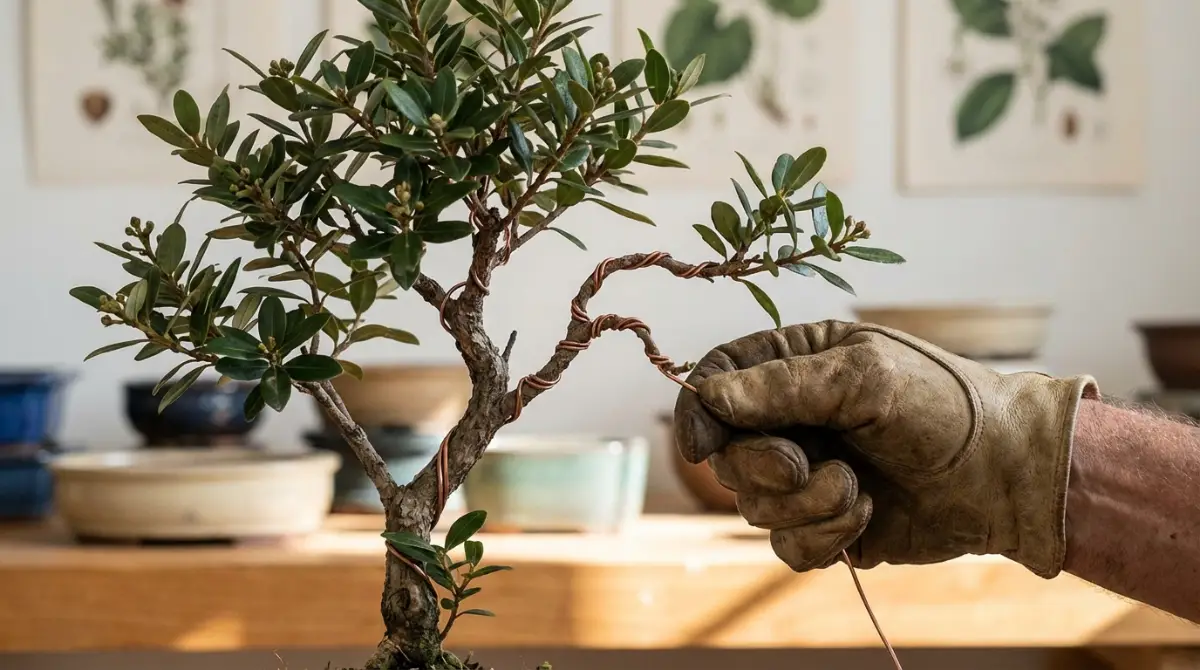
- Wire Type: Anodized aluminum wire is preferred as it’s less likely to cut into the bark. Choose a wire thickness that is about 1/3 the thickness of the branch you are wiring.
- Application: Wrap the wire firmly, but not too tightly, at a 45-degree angle. Check wired branches regularly (every 2-3 months) to ensure the wire isn’t digging into the bark. Remove wire before it causes damage.
- Hardening Off: Allow branches to ‘set’ in their new position for several months to a year before removing the wire.
Common Pests and Diseases
Even with the best pohutukawa bonsai care, your tree might occasionally encounter pests or diseases. Vigilance and early intervention are key to preventing major issues.
Action Checklist: Pest and Disease Prevention & Treatment
- Regular Inspection: Examine your Pohutukawa weekly for any signs of trouble. Check both the top and underside of leaves, and inspect the bark.
- Good Air Circulation: Ensure your bonsai isn’t overcrowded, allowing for good airflow, which helps prevent fungal diseases.
- Quarantine New Plants: Always isolate new bonsai or nursery stock for several weeks before introducing them to your collection to prevent spreading pests.
- Common Pests:
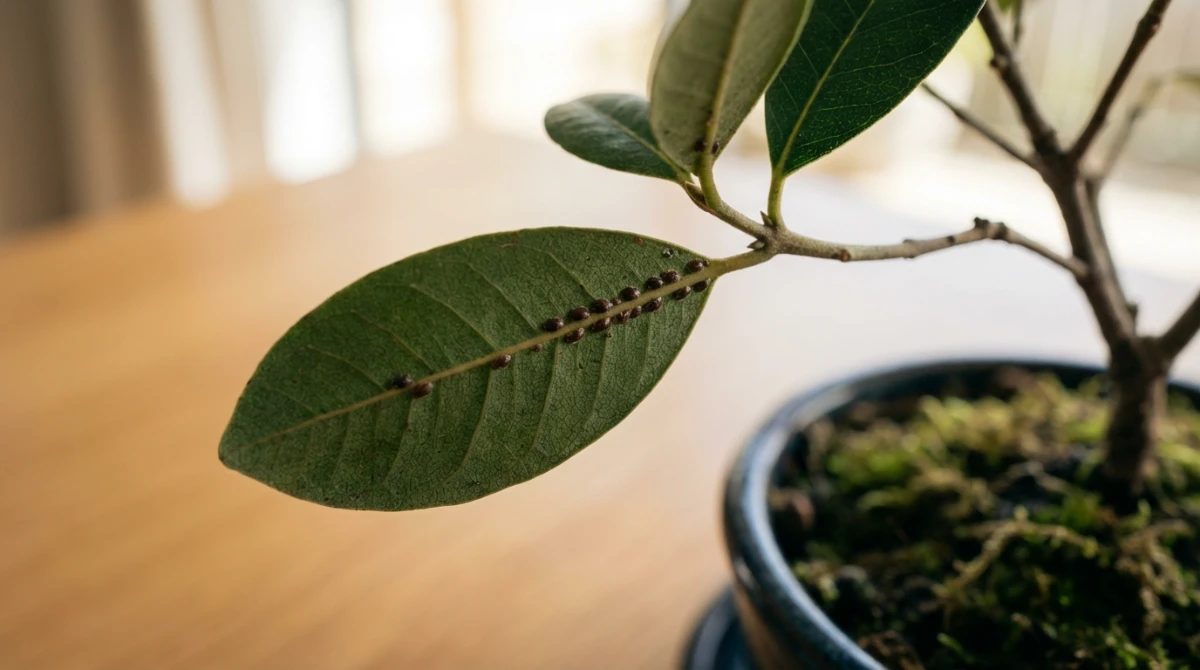
- Scale Insects: Small, immobile bumps on stems and leaves. Scrape them off or treat with horticultural oil.
- Mealybugs: White, cottony masses in leaf axils. Treat with rubbing alcohol on a cotton swab or insecticidal soap.
- Aphids: Small, green or black insects on new growth. Wash off with strong water spray or use insecticidal soap.
- Common Diseases:
- Sooty Mould: A black, powdery growth caused by honeydew excretions from sap-sucking insects. Treat the underlying pest infestation.
- Fungal Spots: Circular spots on leaves. Improve air circulation and reduce overhead watering. Fungicides can be used in severe cases.
- Prompt Treatment: Act quickly at the first sign of pests or disease. Organic solutions are often effective for minor infestations.
Conclusion
Cultivating a Pohutukawa bonsai is a rewarding endeavor that connects you deeply with New Zealand’s natural heritage. By diligently following these guidelines on pohutukawa bonsai care—from selecting robust stock and implementing precise watering and fertilizing schedules, to mastering the art of pruning and wiring, and staying vigilant against pests and diseases—you can transform this magnificent native tree into a breathtaking miniature landscape. Your Pohutukawa bonsai will not only be a testament to your horticultural skill but also a living, breathing piece of Aotearoa’s unique beauty, blooming its crimson glory year after year. For those interested in exploring different species, our Juniper Bonsai Care Guide offers comprehensive advice on another popular bonsai subject.
Frequently Asked Questions
How often should I water my Pohutukawa bonsai?
You should water your Pohutukawa bonsai thoroughly when the top inch of soil feels dry. This typically means daily during hot, dry summer periods and less frequently during cooler months. Ensure water drains freely from the pot to prevent root rot.
When is the best time to prune a Pohutukawa bonsai?
Major structural pruning is best performed in late winter or early spring, just before new growth emerges. Light pinching and trimming of new shoots can be done throughout the growing season to maintain shape and encourage ramification.
Can Pohutukawa bonsai be grown indoors?
Pohutukawa are primarily outdoor trees and thrive in full sun. While they can tolerate very short periods indoors, they generally will not flourish long-term inside due to insufficient light and air circulation. For optimal health and vigorous growth, keep your Pohutukawa bonsai outdoors.
What kind of fertilizer is best for Pohutukawa bonsai?
During the growing season (spring and summer), use a balanced liquid fertilizer (e.g., NPK 10-10-10) at half strength every 2-4 weeks. When the tree is about to flower, you can switch to a fertilizer with a higher potassium content to encourage more blooms. Reduce or stop fertilizing during autumn and winter dormancy.
How do I protect my Pohutukawa bonsai from pests?
Regular inspection is crucial. Check your bonsai weekly for signs of common pests like scale insects, mealybugs, or aphids. Good air circulation helps, and if pests are found, treat promptly with appropriate organic solutions like horticultural oil, insecticidal soap, or rubbing alcohol on a cotton swab.