Essential Bonsai Starter Kits Explained
bonzai.co.nz
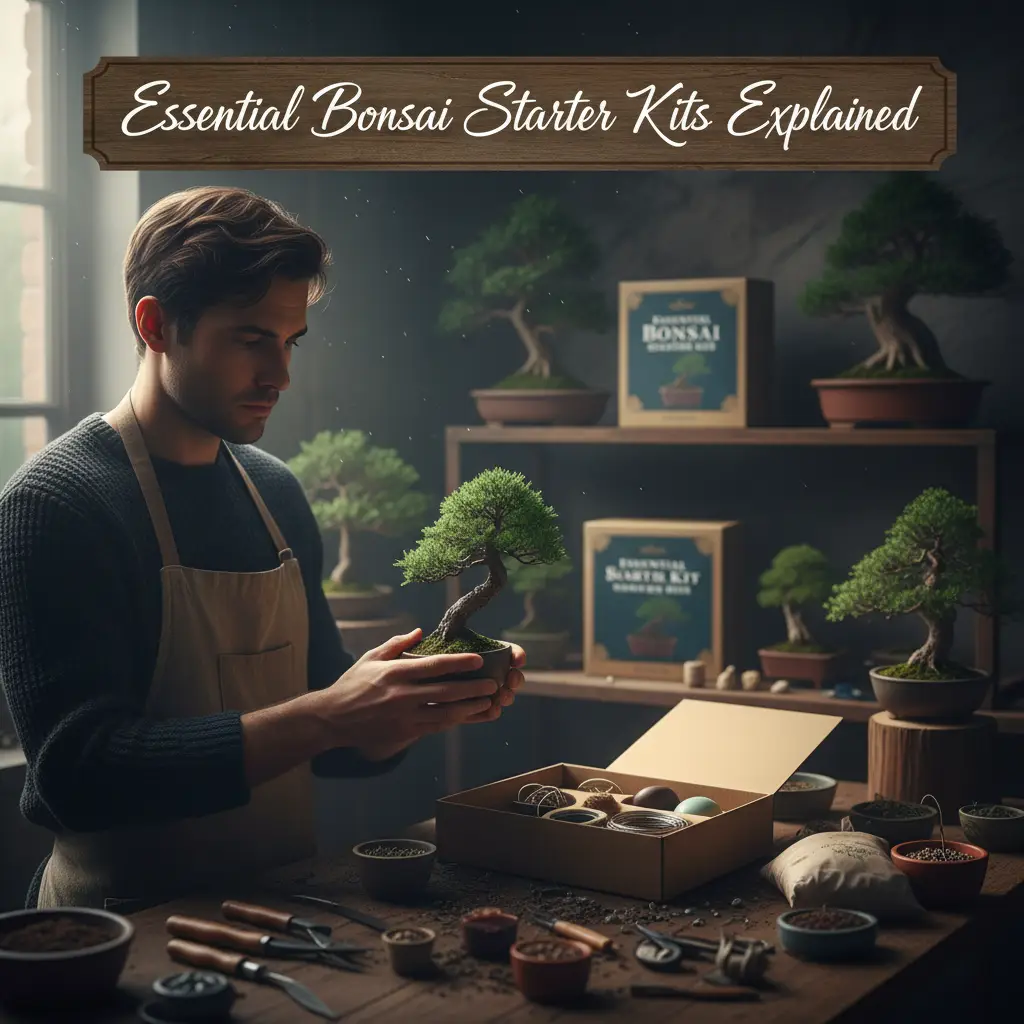
A bonsai beginner kit provides all the fundamental items needed to start your first miniature tree, including a young tree, a pot, specialized soil, basic tools, and a care guide. It simplifies the initial setup, making the art of bonsai accessible for new enthusiasts.
The world of bonsai is ancient and rewarding, offering a unique connection to nature. Many new enthusiasts feel overwhelmed by where to start. A bonsai beginner kit is the perfect solution, simplifying initial steps and making this beautiful art form approachable for everyone. These kits provide a solid foundation for your journey.
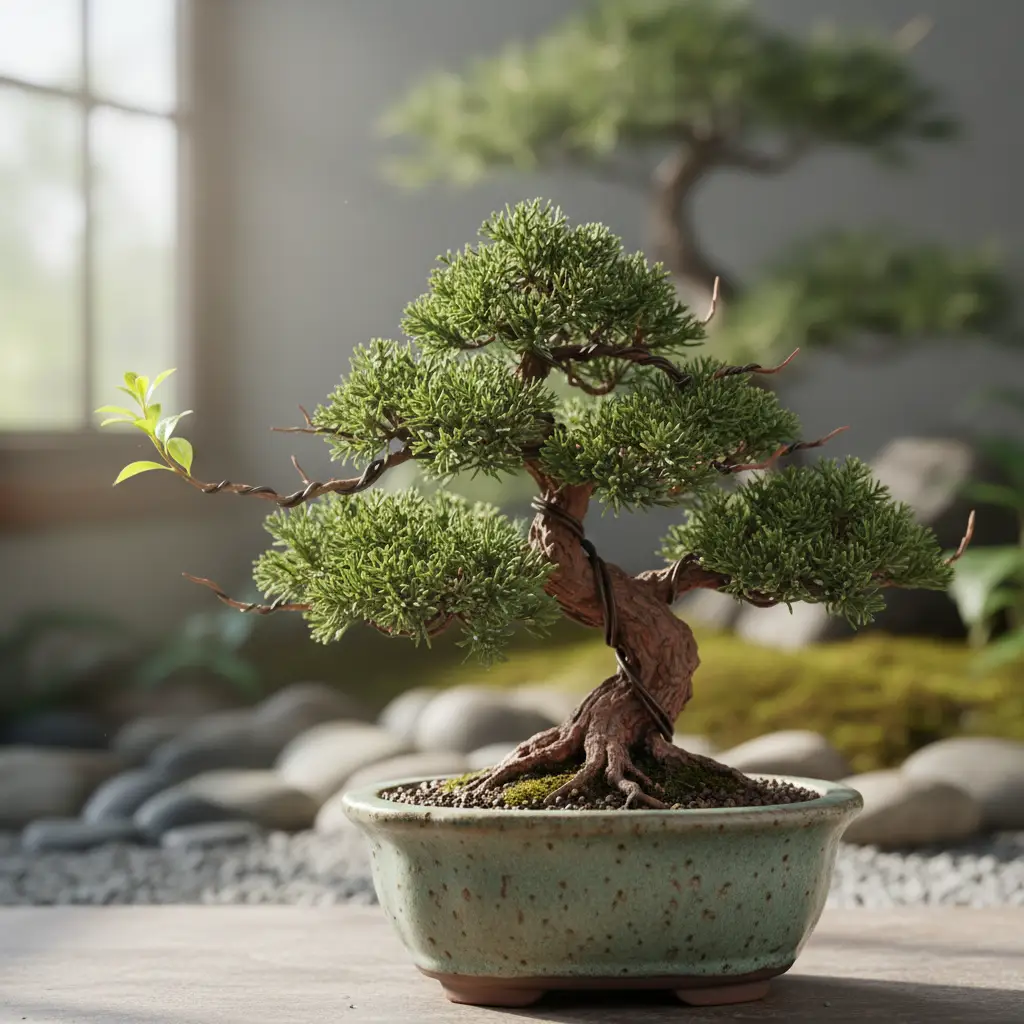
Choosing the right kit sets you up for success. We will explore what makes a great bonsai beginner kit, how to set up your first tree, and how to keep it thriving. This guide covers everything from components to initial care. Get ready to cultivate your own living art.
Understanding Your Bonsai Beginner Kit
A complete bonsai beginner kit is more than just a tree in a pot. It’s a carefully curated collection of items, each vital for your bonsai’s health. Knowing what each item is for will help you use it effectively.
What’s Included in a Quality Kit?
Most quality bonsai beginner kits include several core items for a successful start:
- The Bonsai Tree: Often a resilient species like a Ficus, Juniper, or Chinese Elm, chosen for beginner forgiveness.
- Bonsai Pot: A specialized ceramic pot with drainage holes, crucial for preventing waterlogging.
- Bonsai Soil Mix: A unique, porous blend for miniature trees, ensuring aeration and proper water retention.
- Basic Tools: Small shears for pruning, sometimes a small rake or scoop.
- Care Guide: Essential instructions for watering, light, and initial care.
Selecting Your First Bonsai Tree
The tree is the heart of your kit. For beginners, species like Ficus bonsai are popular due to their hardiness and ability to recover. To delve deeper into their specific needs, explore Ficus Bonsai Care: Tropical Species Mastery. Juniper bonsai are also common, known for their distinct aesthetic. Chinese Elms are another excellent choice, adapting well to various conditions. Consider your climate; some trees thrive indoors, others outdoors. The kit description usually specifies the ideal environment.
The Essential Pot and Drainage
Bonsai pots are shallow with large drainage holes to prevent waterlogging. Your kit’s pot will be perfectly sized for your starter tree. Some kits include mesh screens to cover drainage holes, preventing soil loss. Good drainage is foundational to proper bonsai care.
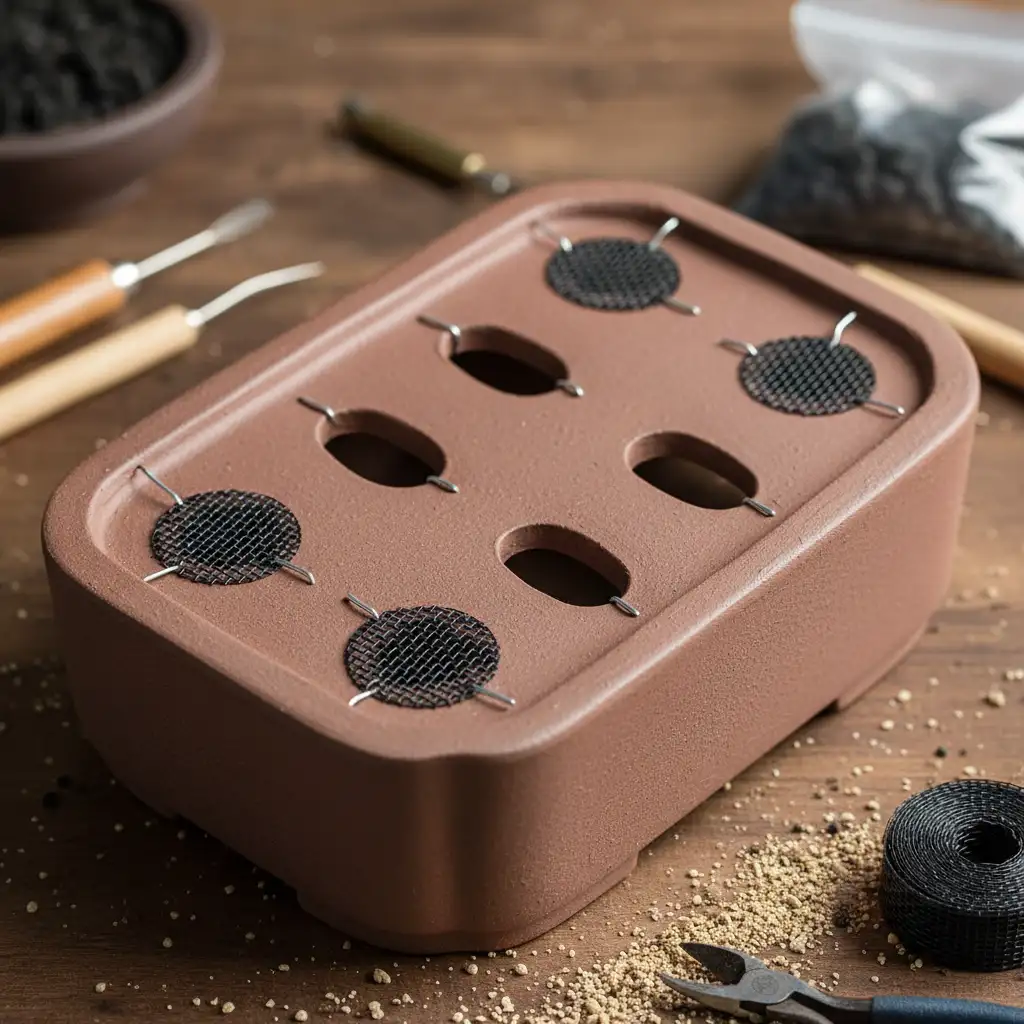
Standard garden soil is too heavy for bonsai. A specialized bonsai soil mixture is porous, allowing air to roots and quick water drainage, preventing root rot. Common ingredients include akadama, pumice, and lava rock. Your kit’s soil will be pre-mixed and ready to use, supporting healthy root growth.
Basic Bonsai Tools
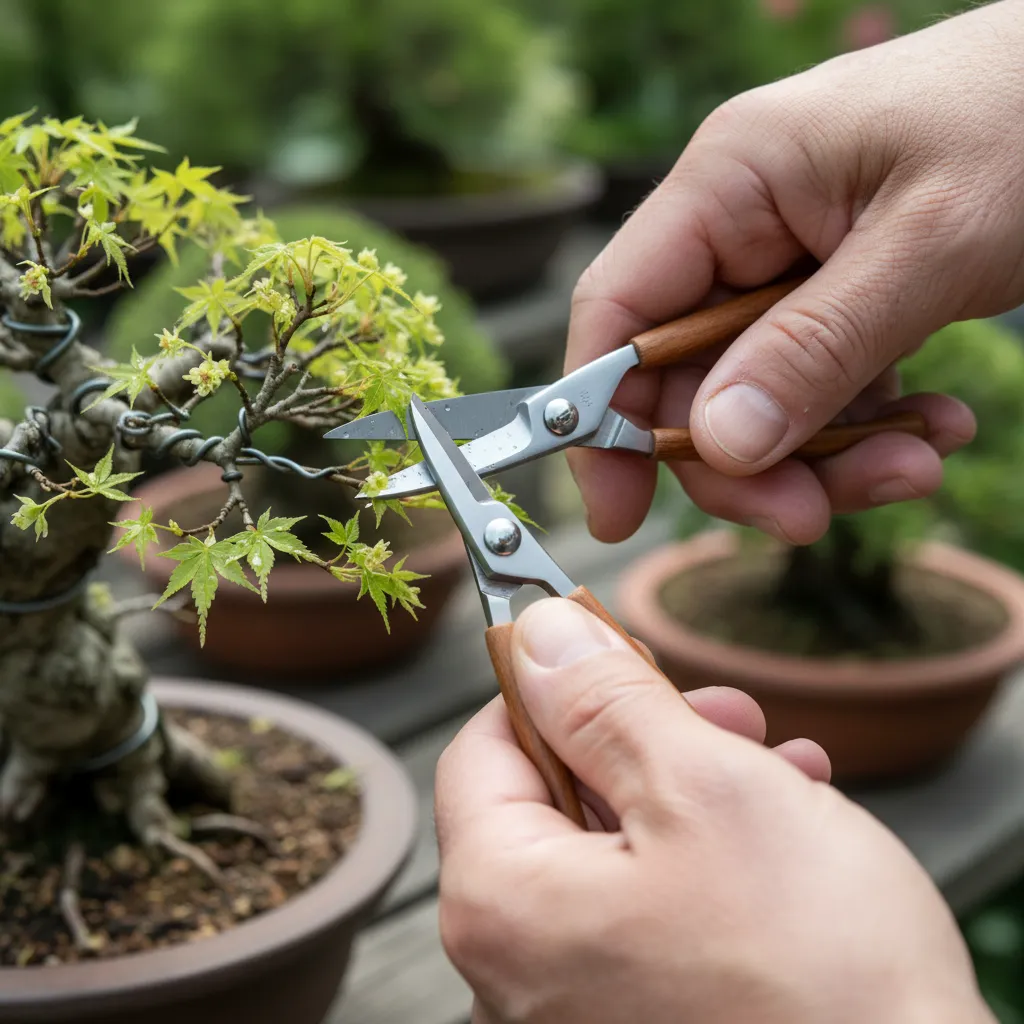
Even a basic bonsai beginner kit includes essential tools. Small shears are used for delicate pruning and shaping. A small rake helps untangle roots during repotting. A scoop assists with soil placement. These tools are key to effective bonsai styling and maintenance. For those looking to expand their toolkit, understanding Professional Bonsai Styling Tools and Their Use can be invaluable.
Setting Up Your Bonsai: Step-by-Step Guide
Once you have your bonsai beginner kit, the next step is assembly. This process is straightforward and rewarding. Follow these steps carefully to give your new bonsai the best start.
Unpacking and Initial Inspection
Gently remove all items. Inspect your tree for any transit damage, checking leaves, branches, and the nursery soil. This initial check helps assess health. Lightly hydrate the tree if the soil feels dry.
Potting Your Bonsai
If your tree isn’t already potted, this is crucial.
- Place drainage mesh over the pot’s holes.
- Add a thin layer of your specialized bonsai soil mixture.
- Carefully remove the tree from its nursery pot. Gently tease out any circling roots. Light root trimming may be needed if roots are overly dense.
- Position the tree for an aesthetically pleasing angle.
- Fill the pot with more bonsai soil, covering all roots. Leave a small gap from the rim.
- Gently pat the soil down to remove air pockets.
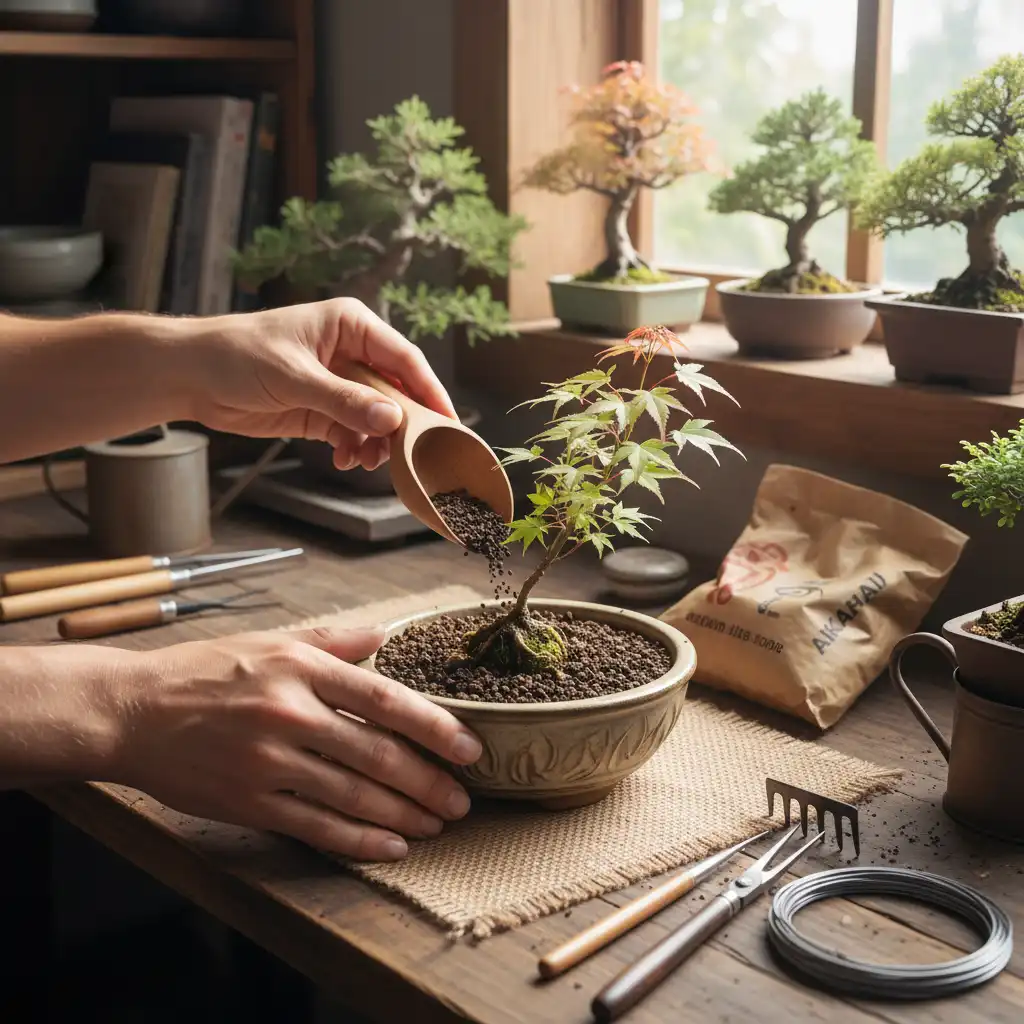
After potting, thorough watering is essential until it drains freely from the bottom. This settles the soil. For the first few days, keep your bonsai in a slightly shaded spot to help it recover from repotting stress. Avoid immediate, intense sunlight.
Essential First Care Steps
Caring for your bonsai is a continuous journey. Your bonsai beginner kit will guide you through the basics. Consistency is key to a healthy and beautiful tree. For more specific seasonal advice, such as Spring Care for Bonsai SH and Summer Bonsai Care: Heat & Humidity Management, always consult dedicated resources.
Light and Ideal Location
Most bonsai need ample light. Place your tree where it receives plenty of sunlight, such as a south-facing window indoors or a partially shaded spot outdoors. Avoid harsh midday sun, especially after repotting. Rotate your tree for even growth. Consult your kit’s guide for species-specific light requirements.
Mastering Watering Techniques
Watering is perhaps the most critical aspect of bonsai care. Water when the topsoil feels dry to the touch, not on a strict schedule. Water thoroughly until it drains from the bottom. Avoid overwatering, which causes root rot. A watering can with a fine rose prevents soil disturbance. A humidity tray with pebbles can also be beneficial. To learn more about the foundational methods, consult our guide on Basic Bonsai Watering Techniques. To further refine your approach, consider advanced techniques discussed in Advanced Bonsai Watering Systems & Tips.
Basic Pruning and Shaping
Use the shears from your bonsai beginner kit for basic pruning to maintain shape and health. Remove dead or yellowing leaves. Trim new growth that disrupts the desired form. This early bonsai styling helps direct the tree’s energy. For advanced techniques like wiring, Advanced Bonsai Carving & Shaping Methods, or even intricate methods such as Creating Deadwood Effects: Jin and Shari, research thoroughly.
Bonsai trees require regular feeding, but wait about four to six weeks after repotting. Use a balanced, slow-release fertilizer designed for bonsai, following product instructions carefully. Over-fertilizing can harm your tree. During winter, most bonsai need less or no fertilizer as growth slows. For a deeper dive into optimal soil and feeding strategies, explore our guide on Bonsai Soil, Fertilization & Nutrition.
Troubleshooting Common Beginner Issues
Even with a great bonsai beginner kit, challenges can arise. Knowing how to react helps keep your tree healthy.
Yellowing Leaves Solutions
Yellow leaves often signal a watering issue. Both overwatering and underwatering can cause this. Check soil moisture: consistently wet soil indicates overwatering, while quick drying suggests underwatering. Adjust your watering techniques accordingly. Insufficient light can also contribute to yellowing.
Pest and Disease Prevention
Regularly inspect for common pests like aphids or spider mites. Early detection is crucial. If found, gently wipe them off or use an organic insecticidal soap. Ensure good air circulation to prevent fungal diseases. A healthy, well-cared-for tree naturally resists problems.
Expanding Your Bonsai Knowledge
Starting with a bonsai beginner kit is just the first step. The art of bonsai offers endless learning. Explore different tree species, advanced bonsai styling techniques, and deeper philosophical aspects. Reading books, joining local clubs, or engaging with Top Online Bonsai Forums and Communities can greatly enhance your journey. For more detailed information, consider resources like the Bonsai article on Wikipedia. This beautiful art form encourages patience and observation.
Conclusion
A bonsai beginner kit is an excellent entry point into the serene and rewarding world of bonsai. By understanding its components, following setup instructions, and committing to consistent care, you can cultivate a beautiful miniature tree. This ancient art teaches patience and offers a profound connection to nature. Embrace the journey, and watch your tiny tree flourish into a magnificent living sculpture. Enjoy the process of learning and growing with your bonsai.