Mastering Juniper Bonsai Care: Styling & Maintenance for Stunning Trees
Embark on the rewarding journey of juniper bonsai care. This comprehensive guide helps you cultivate a healthy and beautiful juniper bonsai, from specific pruning to essential outdoor requirements for lasting beauty. For hands-on learning and support, consider Finding Bonsai Mentors & Clubs in NZ: Connect with Your Community.
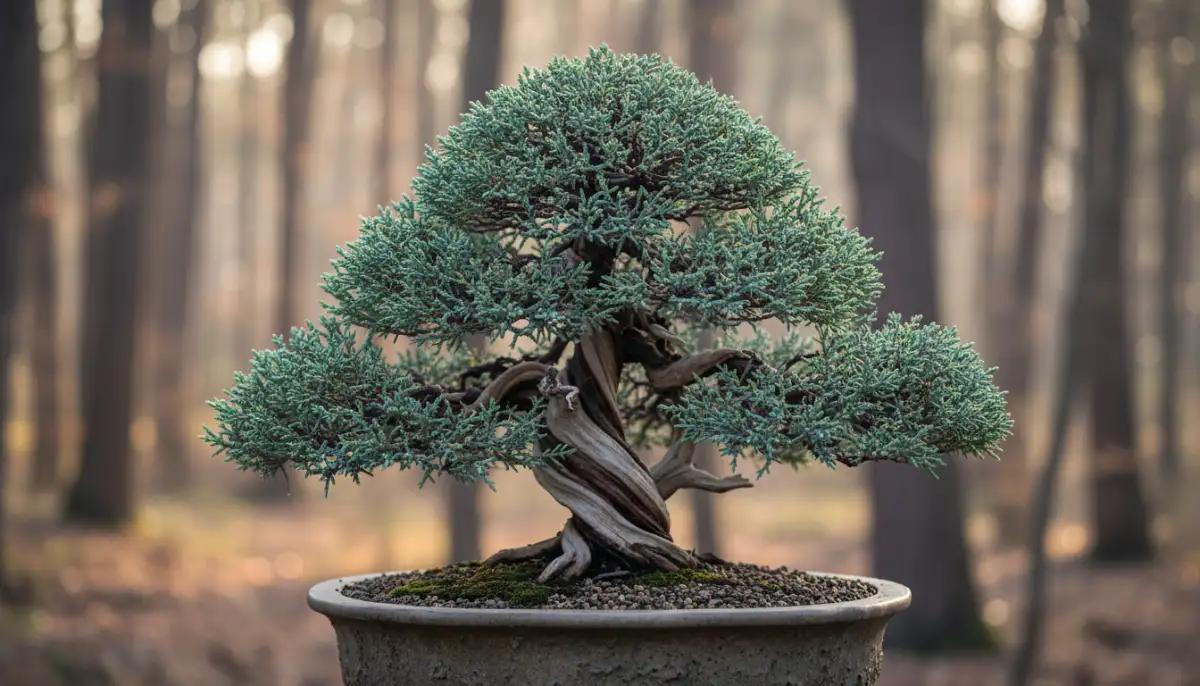
Table of Contents
Understanding Juniper Bonsai Care
Junipers are a popular choice for bonsai due to their hardy nature and dramatic forms. Their small, scale-like leaves and flexible branches make them ideal for various styles. Proper juniper bonsai care is crucial for their long-term health and beauty.
These trees thrive with specific attention to their environment. Understanding their unique needs is the first step toward a magnificent living sculpture. Junipers are evergreen, keeping their foliage year-round.

Why Junipers Make Great Bonsai
Junipers offer incredible versatility. They handle extensive styling and tolerate various conditions. Their dense foliage allows for intricate pad development, and their wood creates impressive deadwood features. This resilience makes juniper bonsai care rewarding for dedicated practitioners.
Even beginners can achieve stunning results with proper techniques. They are a testament to patience and artistic vision. For general bonsai information, visit Wikipedia’s Bonsai page. For those just starting, understanding Essential Bonsai Starter Kits Explained can be incredibly helpful. If you’re interested in the ethical collection and cultivation of wild stock, delve into NZ Yamadori Principles: Ethical Collection & Cultivation of Wild Stock. To further enhance your learning and connect with other enthusiasts, consider exploring local Bonsai Clubs and Societies, engaging with the broader Bonsai Community & Events, or actively Finding Bonsai Mentors & Clubs in NZ: Connect with Your Community.
Essential Juniper Specific Pruning Techniques
Pruning is a cornerstone of effective juniper bonsai care. Unlike deciduous trees, junipers are often “pinched” instead of cut. This maintains dense foliage and encourages branching.
Timing is vital. Major structural pruning, a key aspect of Spring Care for Bonsai, is best in spring or early summer during active growth. For maintenance pinching, do it throughout the growing season to control shape and density.

Pinching for Dense Foliage
Use your fingers to remove new, soft growth tips. This encourages growth to branch closer to the trunk, creating fuller, more compact pads, essential for achieving desirable Ramification and Fine Branching in Bonsai. Only remove soft tips, leaving older foliage. Over-pinching can weaken the tree, so do it in moderation.
Structural Pruning
Structural pruning removes larger branches to define the tree’s overall shape. Do this carefully, considering the long-term design. Always use sharp, sterile tools. Allow the tree to recover after significant pruning before other stressful procedures.
The Art of Wiring and Deadwood Creation
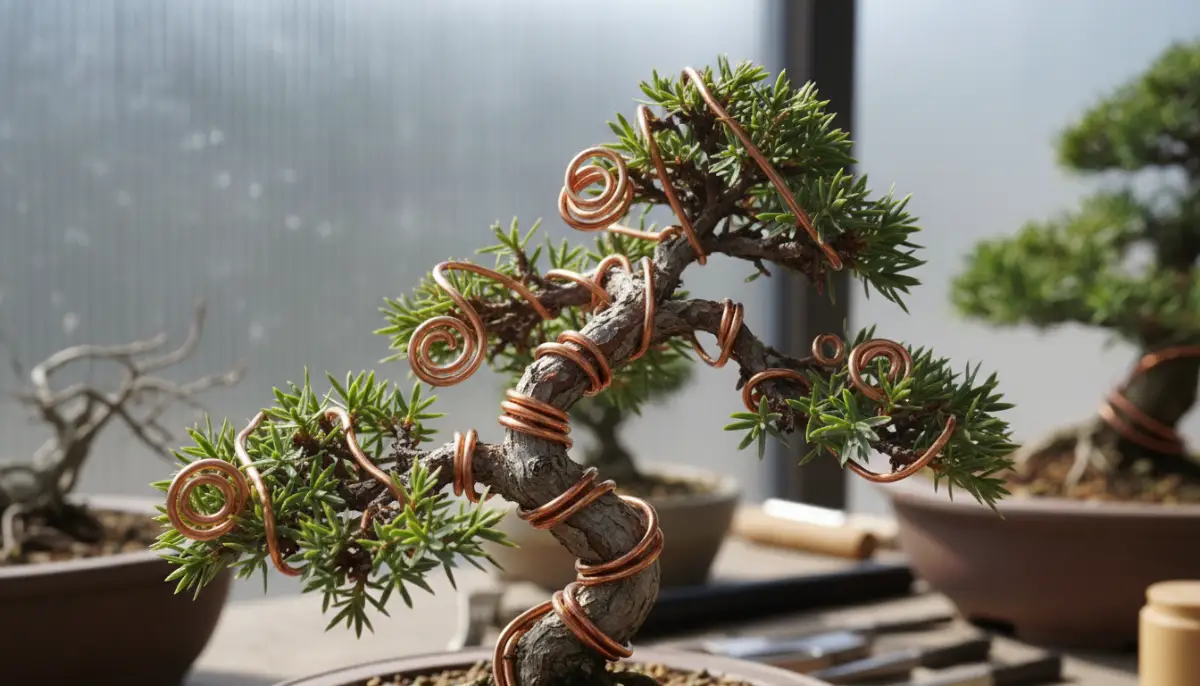
Wiring is fundamental to shaping junipers, positioning branches precisely. Use aluminum or annealed copper wire, applied snugly but not too tightly. For a more detailed walkthrough, consult this Bonsai Wiring Techniques: Step-by-Step Guide. Leave wire on only long enough for the branch to set (months to a year), crucial for detailed juniper bonsai care.
Deadwood (jin and shari) adds age and character, mimicking natural conditions. Creating deadwood is a delicate art, involving carving tools and lime sulfur application.
Proper Wiring Techniques
When wiring, start from the trunk and work outwards. Apply wire at a 45-degree angle. Ensure it’s secure but not digging into the bark. Check wire regularly to prevent constriction. Remove wire carefully by unwrapping.
Crafting Jin and Shari
Jin are branches with stripped bark, carved to look weathered. Shari are stripped trunk sections. After stripping, treat exposed wood with lime sulfur for preservation and a bleached look. This enhances the tree’s dramatic appeal.
Optimal Outdoor Care Requirements for Junipers
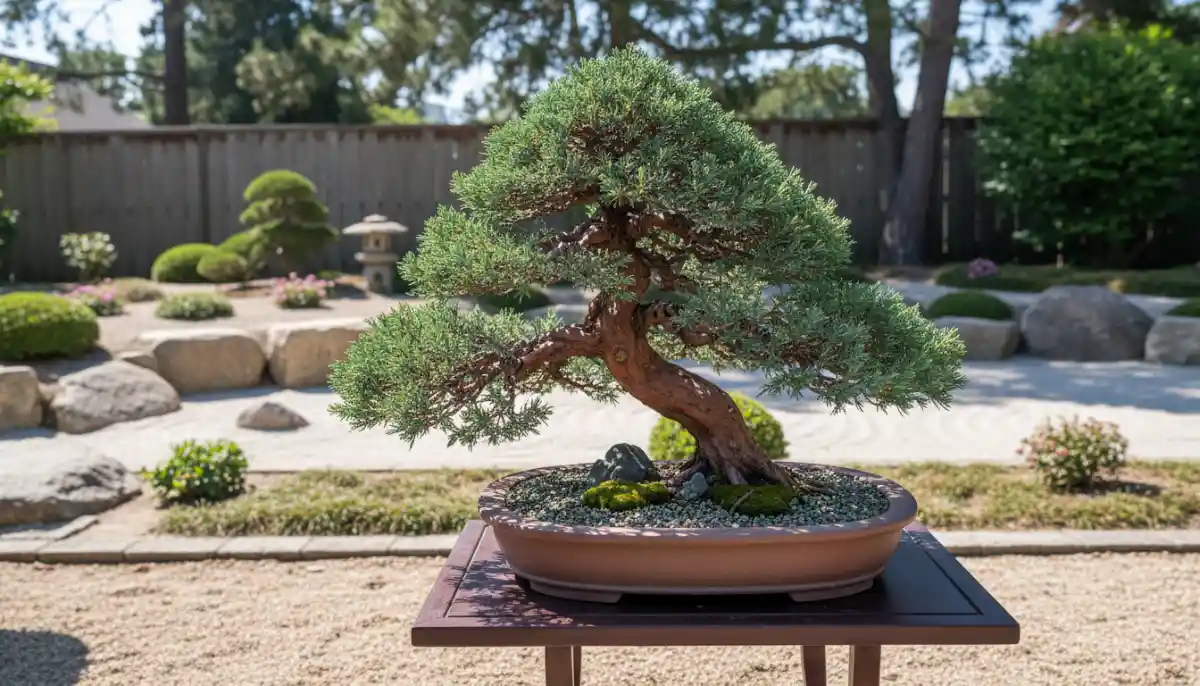
Junipers are outdoor trees needing significant sunlight. Place your bonsai where it gets at least 6 hours of direct sun daily. Good air circulation prevents fungal diseases. Proper outdoor placement is a critical aspect of successful juniper bonsai care.
Protection from extreme weather is essential, especially in winter. Strong winds and prolonged freezing can damage them in shallow pots. In cold climates, move them to an unheated garage or cold frame.
Sunlight and Air Circulation
Ample sunlight promotes dense, healthy growth and vibrant foliage color. Ensure enough space for air to move freely, deterring pests and diseases. Yellowing needles can signal insufficient light.
Winter Protection for 2026
As we look towards 2026, proper winterization remains key for junipers. For regions with harsh winters, consider these strategies:
- Cold Frames: Unheated structures protecting from wind and frost.
- Burial: Bury the pot in the ground or a larger container with insulation.
- Unheated Garage/Shed: Shelter from extreme cold, with some light and air.
- Mulch: Apply a thick layer over the soil for extra root insulation.
Monitor soil moisture during winter. The soil should not dry out completely, even with r… (truncated)
When preparing for your juniper’s long-term health, selecting the right container is paramount. A proper understanding of Bonsai Pot Selection Guide: Material, Size, Drainage, also consider Repotting a New Bonsai for Beginners, alongside comprehensive knowledge of Bonsai Soil, Fertilization & Nutrition, ensures optimal root development and aesthetic harmony.