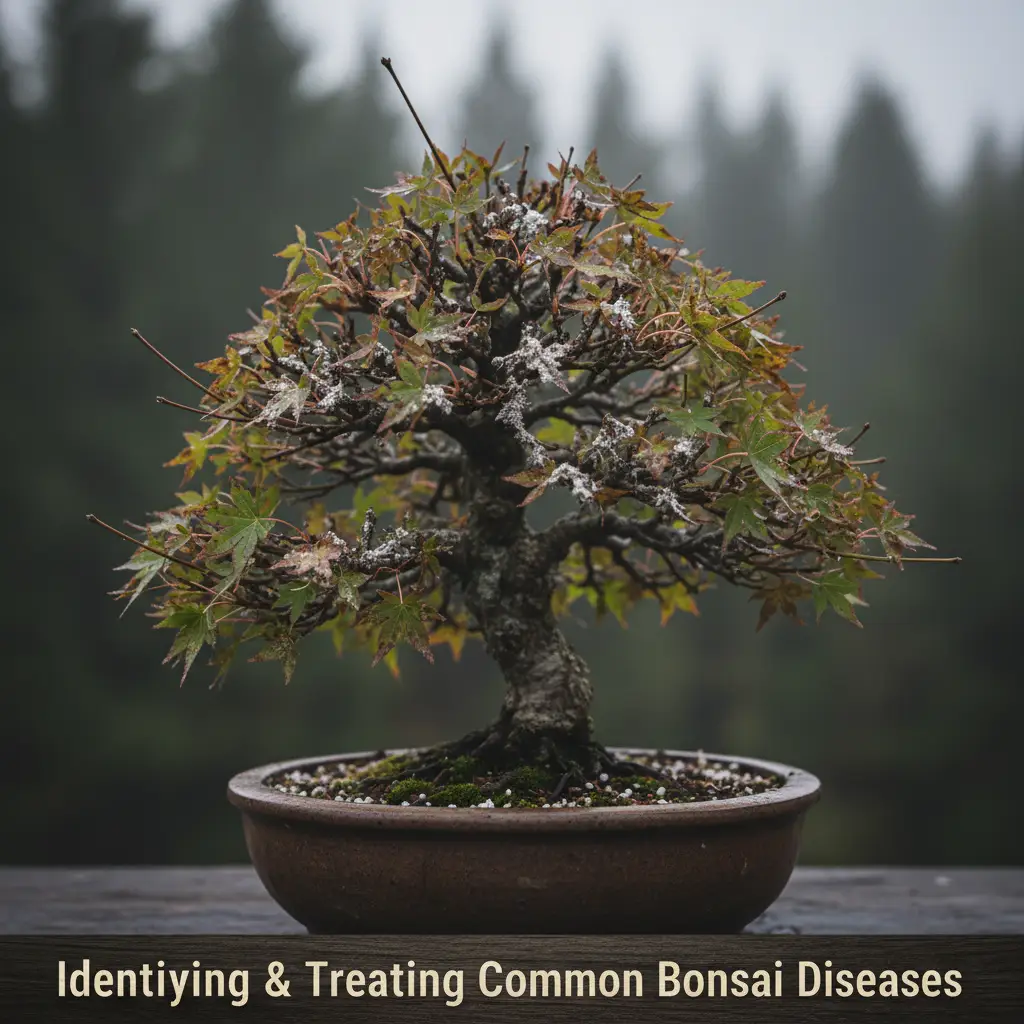
Identifying & Treating Common Bonsai Diseases
bonzai.co.nz
Identifying and treating common bonsai diseases involves recognizing symptoms like discolored leaves, stunted growth, or unusual spots. Effective bonsai diseases treatment requires understanding the specific ailment and applying appropriate remedies, from environmental adjustments to fungicides, to restore plant health.
Table of Contents
- Recognizing Fungal Infections in Bonsai
- Diagnosing Root Rot: Key Symptoms
- Effective Treatment Strategies for Bonsai Diseases
- Advanced Care for Disease Prevention
- Ensuring Long-Term Bonsai Health
- References
Keeping a bonsai healthy is a rewarding challenge. These miniature trees are delicate and can suffer from various ailments. Early detection and proper care are vital for their survival. Learning to identify common problems helps you act quickly, saving your prized plant from severe damage.
Recognizing Fungal Infections in Bonsai
Fungal infections are among the most common threats to bonsai health. They thrive in damp, poorly ventilated conditions. Recognizing the signs early is crucial for effective bonsai diseases treatment. These conditions often arise from incorrect watering practices or inadequate air flow around the foliage and soil.
Leaf Spot Disease
Leaf spot appears as small, circular lesions on leaves, typically brown, black, or reddish-purple with distinct borders. Untreated, spots merge, causing leaves to yellow and drop prematurely. This fungal disease thrives in humid conditions and affects many bonsai species. Ensure good air circulation and avoid overhead watering to prevent it. Prune affected leaves promptly and use a fungal spray if needed.
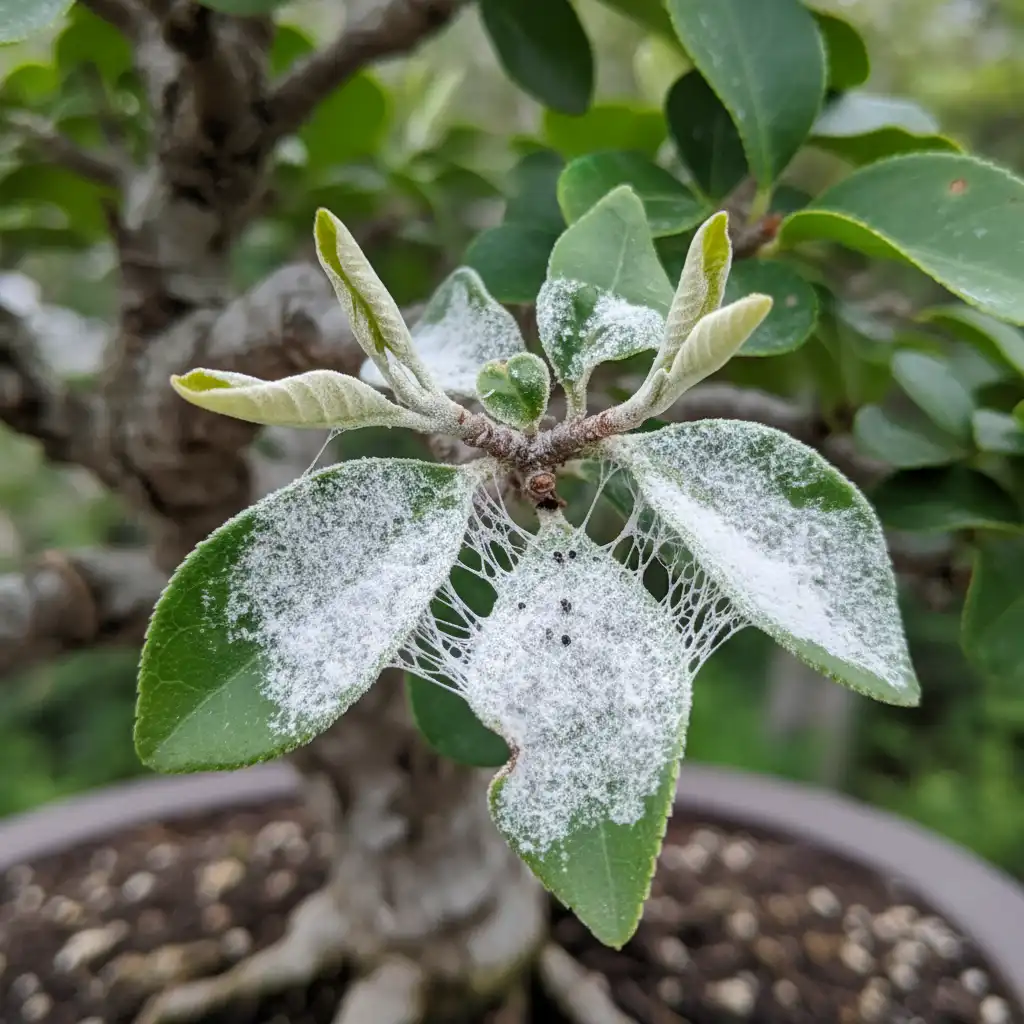
Powdery Mildew
Powdery mildew shows as a white, flour-like coating on leaves and stems. It weakens the plant, hindering photosynthesis and causing leaves to curl. Good air circulation and humidity control prevent its spread. Treat by wiping off mildew or applying neem oil. Severe cases may need fungicide. Ensure adequate light and avoid overcrowding.
Canker
Cankers are sunken, discolored lesions on branches or trunks, resembling open wounds. They can girdle a branch, cutting off nutrients and causing dieback. Prune affected areas into healthy wood using sterile tools. Canker often results from bark injury. Practice good pruning hygiene and use cut paste on wounds to prevent spread.
Sooty Mold
Sooty mold is a black, velvety coating growing on honeydew from sap-sucking pests (aphids, scale). While not directly harmful, it blocks sunlight, reducing photosynthesis. The primary treatment is to eliminate the underlying pest infestation. Once pests are controlled, gently wipe the mold off leaves; improved air circulation also helps inhibit growth.
Diagnosing Root Rot: Key Symptoms
Root rot is perhaps the most dangerous bonsai disease, often caused by overwatering or poor drainage. It can be hard to spot until significant damage has occurred. Understanding its symptoms is vital for timely intervention and effective bonsai diseases treatment. This condition starves the roots of oxygen, leading to their decay.
Visual Cues on Leaves and Branches
The first visible signs of root rot often appear in the foliage. Leaves may turn yellow or brown and drop prematurely. The plant might show general wilting, even if the soil feels wet. Branches may become brittle and die back. These symptoms can sometimes be confused with underwatering, making a root inspection crucial.
Examining the Root Ball
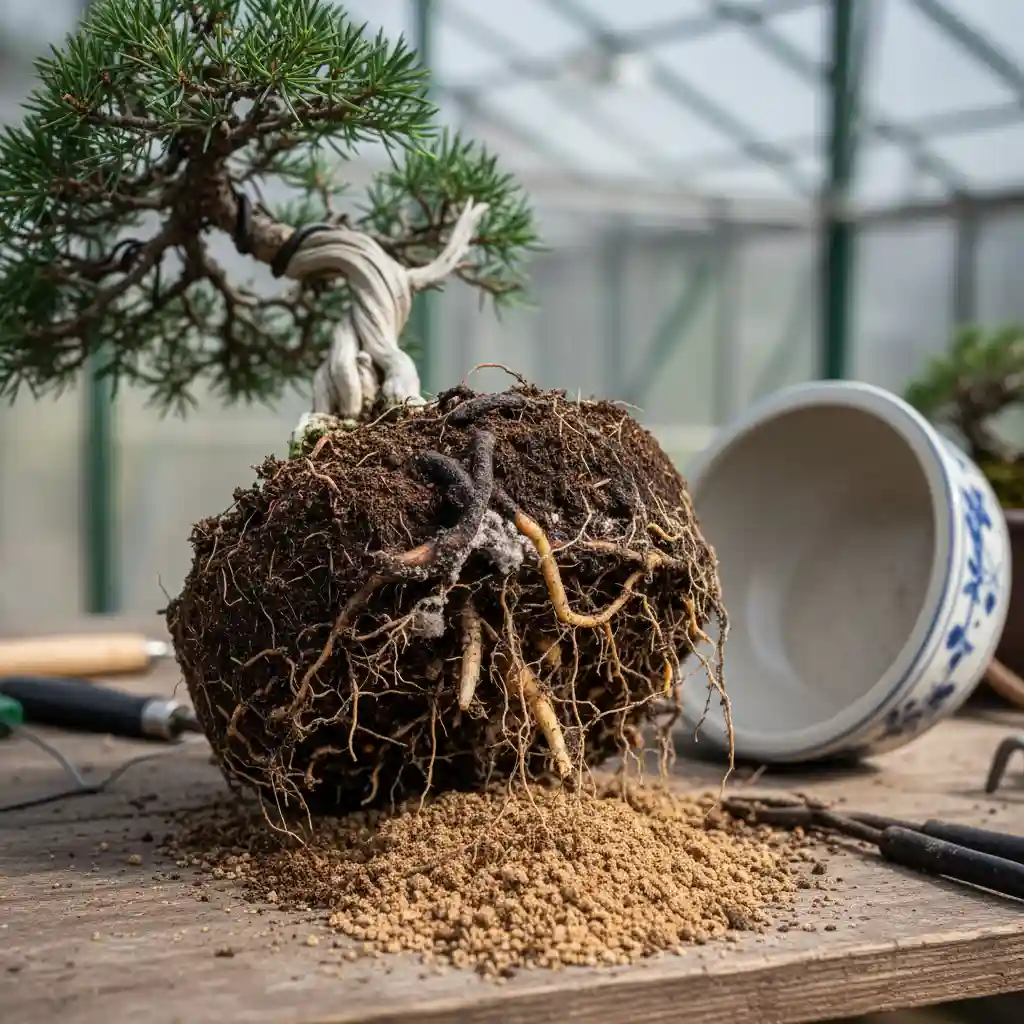
If you suspect root rot, gently remove the bonsai from its pot. Healthy roots are typically firm and white or tan, often smelling earthy. Roots affected by rot will be dark, mushy, and often have a foul smell, akin to rotten eggs. This direct inspection confirms the diagnosis and indicates the severity of the problem.
Effective Treatment Strategies for Bonsai Diseases
Once a disease is identified, prompt and appropriate action is necessary. The right bonsai diseases treatment plan can reverse damage and restore your tree’s vitality. Always ensure you use sterile tools when pruning to prevent spreading pathogens.
Fungal Treatments
For leaf spots and powdery mildew, remove affected leaves and debris. Improve air circulation. Apply a suitable fungicide per instructions; systemic types offer broader protection. Repeat applications may be necessary.
Root Rot Treatment
Unpot the bonsai and carefully trim diseased, mushy roots with sterile scissors. Rinse healthy roots. Repot into fresh, well-draining soil with good drainage. Adjust watering to allow soil to dry between waterings, preventing recurrence. Root stimulants can aid new growth. For a detailed guide on this critical process, see Repotting Bonsai: When, Why, and How-to.
Pest Management
Treat pests like aphids or scale with organic pesticides such as neem oil or insecticidal soap. For comprehensive guidance on identifying and treating pests, refer to Common Pests of NZ Native Bonsai: Identification & Organic Solutions. This prevents secondary issues like sooty mold and reduces plant stress. Regular inspection and early intervention are crucial for effective control.

General Care Adjustments
Review watering habits; overwatering often causes root rot. Ensure adequate light, avoiding harsh direct sun on stressed plants. Maintain proper humidity, especially for tropical species, to support recovery. Regularly clean leaves for efficient photosynthesis.
Advanced Care for Disease Prevention
Prevention is always better than cure. By understanding the specific needs of your bonsai and maintaining optimal conditions, you can greatly reduce the risk of disease. This proactive approach strengthens your tree’s natural defenses and promotes robust growth.
Understanding Your Bonsai Species
Each bonsai species has unique needs for light, water, temperature, and dormancy. Researching your specific tree (e.g., juniper, maple, or ficus) helps provide a tailored environment. This knowledge is fundamental for preventing stress and anticipating vulnerabilities that lead to disease.
Optimal Soil and Fertilization
Use well-draining bonsai soil for aeration and moisture retention. Proper fertilization builds resilience to disease and stress. Avoid over-fertilizing, which can burn roots and weaken the plant. Follow a balanced feeding schedule suitable for your species and season. For comprehensive details on these crucial aspects, consult our guide on Bonsai Soil, Fertilization & Nutrition.
Proper Pruning and Wiring Techniques
Regular pruning removes dead branches, improving air circulation and reducing pest/fungal habitats. Use clean, sharp tools for precise cuts that heal quickly, minimizing disease entry. For guidance on selecting the right equipment, consult Best Bonsai Tools for Beginners: A Starter Guide. When wiring, avoid tightness to prevent scarring or inhibited growth, which stresses the tree.

Ensuring Long-Term Bonsai Health
Consistent observation is your best tool for ensuring long-term bonsai health. Check your bonsai daily for any subtle changes in leaf color, texture, or growth patterns. Early detection makes any bonsai diseases treatment far more effective and less invasive. A healthy bonsai is a happy bonsai, reflecting the care and dedication of its owner. Building a routine of inspection and care is key.
Stay informed about general plant care and disease prevention through reliable sources, such as dedicated guides on topics like Spring Care for Bonsai SH. Continuous learning helps you adapt your care practices over time, especially as your bonsai matures or environmental conditions change. This ongoing education is part of the fulfilling journey of bonsai cultivation.
References
For broader insights into the art and science of bonsai cultivation, consider resources like Wikipedia’s Bonsai article. This provides a foundational understanding that complements specific disease management.
By implementing these strategies, you equip yourself to tackle common bonsai diseases head-on. A robust care routine, combined with vigilant observation, ensures your miniature tree thrives for many years. Enjoy the journey of cultivating these living works of art. To enhance your bonsai display, explore the use of Companion Plants & Display Elements for a True NZ Bonsai Scene.