Flowering Bonsai Care: Cultivating Abundant Blooms
Bringing the beauty of nature into miniature form, flowering bonsai trees offer a unique spectacle. Their delicate blossoms transform these small trees into living works of art. Understanding proper flowering bonsai care is key to enjoying vibrant displays year after year. This guide will help you nurture your flowering bonsai, ensuring it thrives and blooms profusely.
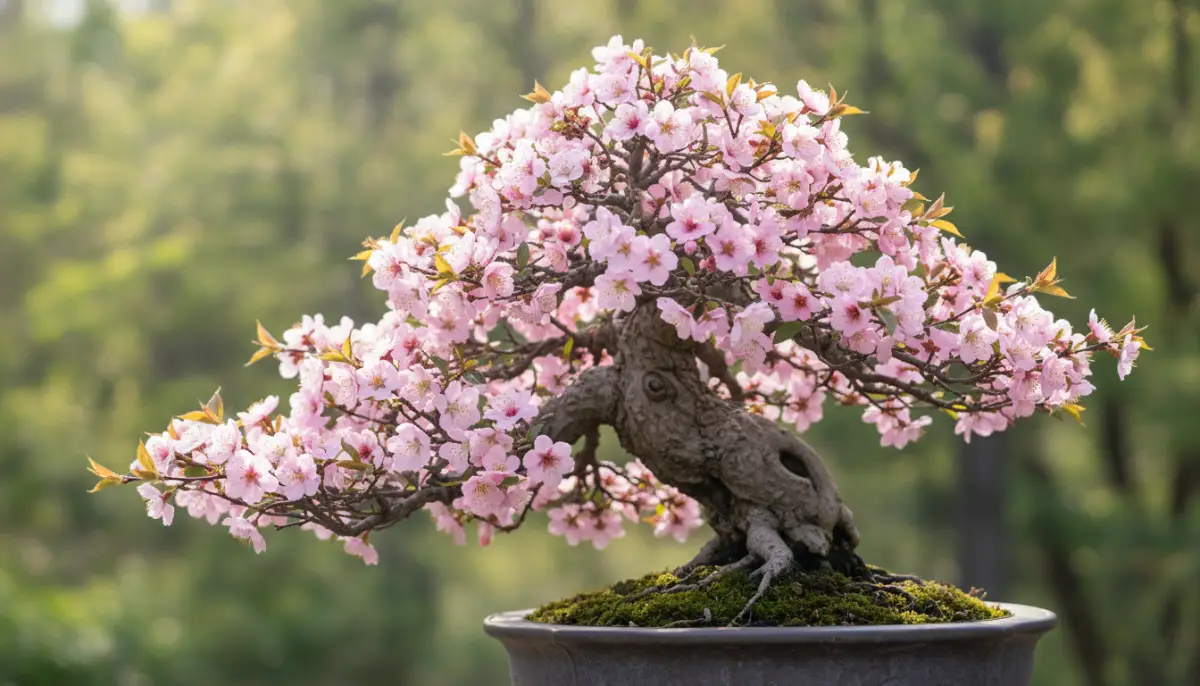
Table of Contents
Choosing the Right Flowering Bonsai for Your Climate
Selecting the correct species is the first crucial step in successful flowering bonsai cultivation. Different trees have unique environmental needs. Knowing your local climate and how it affects your bonsai is paramount. Some species thrive outdoors, while others need protection or can even flourish indoors. If you’re new to bonsai, finding the right starting point is essential, and a thorough Bonsai Starter Kit Comparison: What to Look For can guide your initial choices.
Popular Flowering Species
- Azalea (Rhododendron spp.): Famous for their spectacular, vibrant blooms. Azaleas prefer acidic soil and consistent moisture. They are often cultivated outdoors in temperate regions but may require winter protection.
- Wisteria (Wisteria sinensis/floribunda): Known for long, fragrant flower clusters. Wisteria needs strong support and regular pruning. It is an outdoor bonsai that demands full sun.
- Japanese Cherry (Prunus serrulata): Celebrated for delicate pink or white blossoms in spring. Cherry bonsai require a distinct dormancy period and thrive outdoors.
- Flowering Plum (Prunus mume): Offers early winter or early spring flowers, often fragrant. Like cherry, it needs a cold dormancy.
- Crabapple (Malus spp.): Produces small, apple-like fruits after its delicate spring flowers. A hardy outdoor species.
Research your chosen species thoroughly. Understand its natural habitat and try to mimic those conditions. This foundation sets you up for successful flowering bonsai care.
Essential Flowering Bonsai Care for Vigorous Blooms
Consistent, attentive care is the bedrock of a healthy flowering bonsai. Neglecting basic needs can quickly lead to a lack of blooms or even tree decline. Pay close attention to light, water, and nutrients, as these are critical for flower production.
Light Requirements
Most flowering bonsai require abundant sunlight to produce flowers. Aim for at least 6 hours of direct sunlight per day. If grown indoors, a south-facing window is ideal. Consider using grow lights if natural light is insufficient, especially during darker winter months. Proper light exposure ensures robust growth and the energy needed for blooming.
Watering Techniques
Watering is perhaps the most frequent task. The goal is to keep the soil consistently moist but never waterlogged. Overwatering can lead to root rot, while underwatering stresses the tree and can cause bud drop. Check the soil daily. Water thoroughly until water drains from the bottom of the pot. Adjust frequency based on weather, pot size, and tree species. For instance, understanding a dedicated Pine Bonsai Watering Schedule can provide insights into species-specific needs. For the best tools to accomplish this, explore Bonsai Watering Cans & Misters: Top Picks.
Nutrient & Fertilization Strategies for 2025
Fertilizing provides the essential nutrients for growth and flowering. Use a balanced fertilizer during the growing season. Switch to a fertilizer with a higher phosphorus content before and during the blooming period to encourage more flowers. Reduce or stop fertilizing during dormancy. For optimal results in 2025, consider slow-release organic fertilizers which provide a steady nutrient supply without shocking the delicate root system. For a complete guide on managing your tree’s nutritional needs and soil health, delve deeper into Bonsai Soil, Fertilization & Nutrition.
Soil and Repotting
Good bonsai soil offers excellent drainage and aeration while retaining enough moisture. A common mix includes akadama, pumice, and lava rock. Repotting is essential every 1-3 years, depending on the tree’s age and growth rate. This refreshes the soil and allows for root pruning, which is vital for maintaining the tree’s health and size. Repot when the tree is dormant, typically in early spring before new growth begins. For detailed seasonal guidance, especially concerning the critical first growth phase, consult comprehensive resources on Spring Care for Bonsai. For an even more comprehensive guide on managing your trees during this vital season, delve into the pillar resource on Spring Care for Bonsai SH. Understanding the right Bonsai Pot Selection Guide: Material, Size, Drainage is also crucial for your tree’s health and aesthetic appeal.
Encouraging Abundant Blooms: Tips and Tricks
Beyond basic care, specific techniques can significantly boost flower production. These methods often mimic natural environmental cues that trigger flowering in full-sized trees. Mastering these aspects of flowering bonsai care will lead to spectacular displays.
Dormancy and Chill Periods
Many flowering bonsai, especially temperate species, require a period of cold dormancy to set flower buds for the following season. This means exposing them to temperatures between 35-45°F (2-7°C) for several weeks or months. Without this chill, the tree might grow leaves but fail to produce flowers. Always research the specific dormancy requirements of your chosen species.
Flower Bud Formation
Proper light exposure and adequate nutrient levels are also vital for strong bud development. Flower buds often form on old wood, at the tips of new growth, or in leaf axils, depending on the species. Knowing where your tree forms its buds is crucial for correct pruning. Avoid aggressive pruning just before the flowering season if buds form on last year’s growth. Once your flowering bonsai bursts into magnificent bloom, you’ll want to capture its beauty. Learning Bonsai Photography Tips for Sharing Your Trees can help you showcase your hard work and the stunning artistry of your living masterpieces with the world.
Pruning for Optimal Flowering
Pruning is an art and a science in bonsai, directly impacting both the tree’s shape and its ability to bloom. Understanding when and how to prune for flowers is different from pruning for general shape. Incorrect pruning can remove potential blooms. A well-executed pruning strategy is integral to successful flowering.
Structural Pruning
Structural pruning establishes the tree’s overall shape. This is usually done during dormancy or immediately after flowering. Remove dead or crossing branches, and any growth that detracts from the desired aesthetic. This type of pruning creates an open canopy, allowing more light and air to reach interior branches, which benefits flower production. To truly master the intricate development of your tree’s structure and achieve delicate aesthetics, exploring techniques for Ramification and Fine Branching in Bonsai is highly recommended. To further refine the form and guide growth, mastering techniques discussed in the Bonsai Wire Gauge Guide: Aluminum vs. Copper is essential.
Pinch Pruning for Buds
Pinch pruning involves removing the tips of new shoots. For flowering species, this needs careful timing. If flowers form on new growth, pinching too early can remove the buds. If flowers form on older wood, pinching new growth can redirect energy into existing flower buds. While focusing on blooms, the overall artistry of bonsai also includes techniques like Creating Deadwood Effects (Jin & Shari) on Bonsai, which can add striking character to your tree.
Mastering the art of flowering bonsai is a journey of continuous learning and observation. By providing consistent care, understanding your tree’s specific needs, and employing targeted techniques, you can cultivate an abundance of beautiful blooms year after year. For ongoing support, inspiration, and to share your own experiences, consider connecting with the broader Bonsai Community & Events, where enthusiasts gather to learn and grow together.