Ramification and Fine Branching in Bonsai

bonzai.co.nz
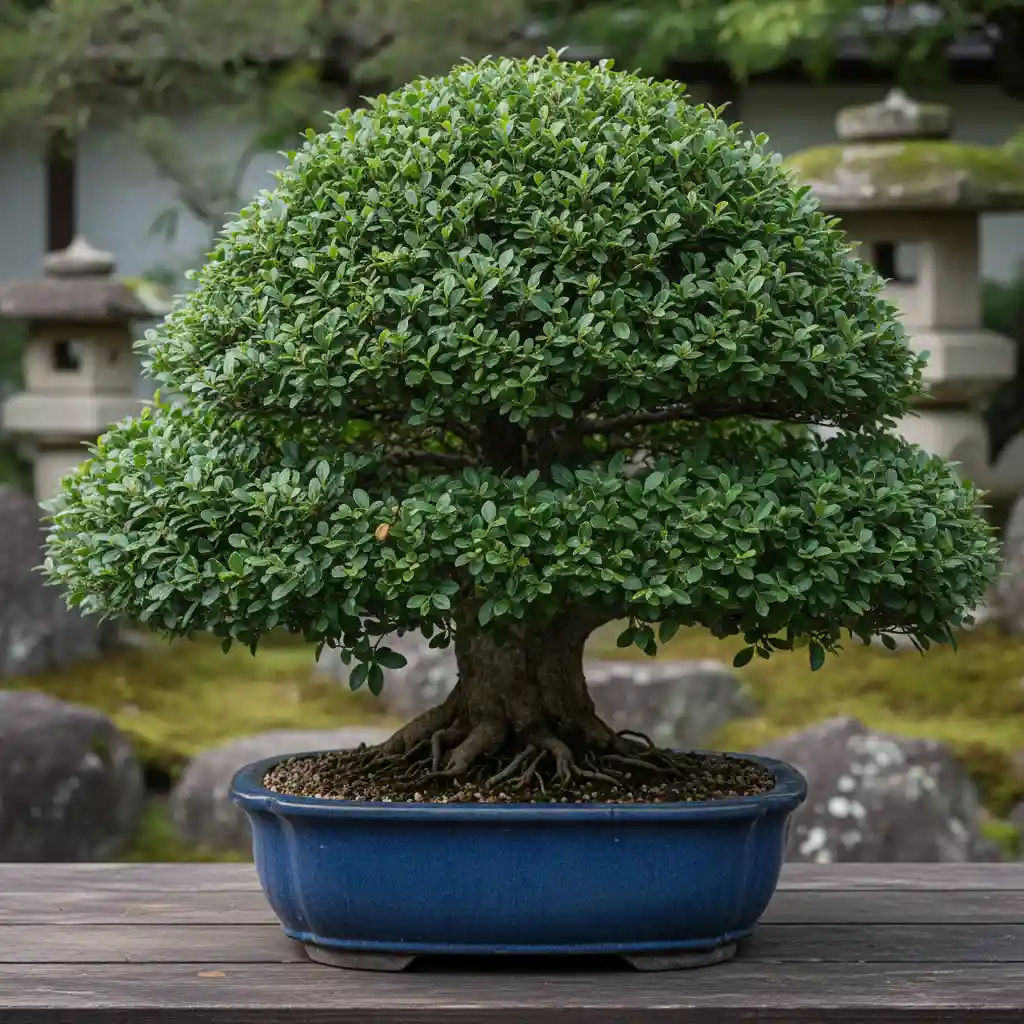
Ramification in bonsai refers to the horticultural practice of encouraging a tree to develop a highly dense, intricate network of fine branches and twigs. It’s essential for creating full, lush foliage pads and a realistic miniature tree aesthetic, giving the illusion of great age and maturity. This process involves specific bonsai ramification techniques like detailed pruning and pinching.
What is Bonsai Ramification?
Ramification is more than just pruning; it’s a deliberate strategy to refine your bonsai tree. It involves encouraging existing branches to divide into smaller, finer ones. This creates a dense, complex structure that mirrors the majestic appearance of a mature, full-sized tree, shrunk down to a miniature scale. Without proper ramification, a bonsai might look sparse or juvenile.
The goal is to develop many tiny twigs and leaves, forming distinct foliage pads. These pads are crucial for the overall aesthetic balance and proportion of your bonsai. They give the tree its characteristic “cloud” or tiered appearance, greatly enhancing its visual appeal, much like how different aesthetic principles guide various Bonsai Styles, including cascade and semi-cascade forms.

The Goal of Fine Branching
Achieving fine branching is a continuous journey. It starts with developing primary branches, then secondary, and eventually tertiary branches. Each stage requires patience and precise intervention. The denser the branching, the more light it needs to penetrate, which influences how you manage your tree’s health and growth. This careful development contributes significantly to the tree’s overall canopy development and its perceived age.
Ultimately, fine branching contributes to the illusion of age. An old tree in nature has many years of growth and division, creating countless small branches. Replicating this in a bonsai is the essence of ramification. It’s a mark of advanced skill and understanding in NZ Yamadori Principles: Ethical Collection & Cultivation of Wild Stock, transforming a simple plant into a living sculpture.
Core Bonsai Ramification Techniques
Mastering Bonsai Pruning for Refinement and Ramification is fundamental to shaping healthy, aesthetically pleasing trees. These methods focus on controlling growth and encouraging new shoots to develop in desired areas. The primary tools are pruning and pinching, each serving a distinct purpose in achieving fine branching and dense foliage.

Strategic Pruning for Density
Pruning is perhaps the most critical technique. For a comprehensive guide on shaping and maintaining the health of your bonsai, see Pruning for Bonsai Shape and Health. It involves cutting back branches and shoots to redirect the tree’s energy. When you prune a branch, you remove the apical bud, which is responsible for apical dominance. This dominance is where the highest bud on a branch grows most vigorously. By removing it, you encourage latent buds further down the branch to sprout, leading to more lateral growth and an increase in branch division.
Always use sharp, clean pruning shears to make precise cuts. For developing ramification, focus on removing crossing branches, inward-growing branches, and any shoots that are growing too strongly in an undesirable direction. This selective removal promotes balanced growth and helps maintain the tree’s overall shape while encouraging finer growth.
The Art of Pinching
Pinching is a gentler form of pruning, typically done with your fingers or small scissors. It involves removing new, soft growth tips (candles on conifers, or new shoots on deciduous trees). This technique is vital for controlling vigor and promoting back-budding. When you pinch off a growing tip, the energy that would have gone into elongating that shoot is redirected to dormant buds along the stem, causing them to awaken and produce new shoots.
Pinching regularly throughout the growing season helps to maintain the compact size of foliage pads and encourages a denser twig structure. It is particularly effective for encouraging new growth closer to the trunk, filling in gaps within the branch structure. Different species respond differently to pinching, so understanding your tree’s specific growth habits is crucial. For example, some conifers benefit from candle pinching, while deciduous trees respond well to leaf pinching or shoot reduction.
Developing Intricate Branch Structures
Beyond basic pruning and pinching, advanced bonsai ramification techniques involve more detailed approaches to truly refine your tree’s aesthetic. These methods help to guide growth and ensure a harmonious, balanced appearance. The goal is not just density, but also proper spacing and natural flow of branches.

Wiring and Branch Placement
Wiring is an indispensable technique for shaping a bonsai. Flexible anodized aluminum or copper wire is wrapped around branches, allowing them to be gently bent and held in a desired position. This helps to create natural-looking curves and ensures that branches are spaced correctly, avoiding overlaps and promoting better light penetration to inner foliage. Properly placed branches contribute significantly to the overall visual appeal and depth of the tree.
Effective wiring techniques ensure that branches develop at appropriate angles, creating a sense of natural movement and age. Always remember to remove wires before they bite into the bark, which can scar the tree. This often means re-wiring periodically as the tree grows. Combined with regular pruning, wiring helps solidify the branch structure and directs growth energy where it’s most needed for ramification.
Encouraging Radial Branching
Radial branching refers to the desired growth pattern where branches emerge from the trunk or a main branch in an all-around fashion, not just on two sides. This creates a much more natural and three-dimensional appearance. To encourage this, remove any branches that are growing directly towards or away from the viewer, or those that are too low on the trunk.
The practice of carving and jin/shari can also subtly influence where new buds will form, though these are more about creating deadwood features. Ensuring balanced light exposure and even watering can also promote more uniform growth around the tree, aiding in the development of beautiful radial branching. Good horticultural practices ensure the tree has the energy to produce new shoots in all directions.
For more detailed information on tree biology, you can consult Source.
Long-Term Care for Ramified Bonsai
Maintaining a well-ramified bonsai is an ongoing commitment. It requires consistent attention to its growth patterns and seasonal needs. Understanding the specific requirements of your bonsai species is crucial for long-term health and the preservation of its intricate form. For detailed guidance on seasonal care, especially during the crucial spring period, refer to our article on Spring Care for Bonsai SH.
Seasonal Considerations
The timing of your bonsai ramification techniques varies significantly between tree types. For deciduous bonsai, heavy pruning is often done in late winter or early spring when the tree is dormant. This allows new growth to emerge in spring, which can then be pinched and refined throughout the summer. For coniferous bonsai, like pines and junipers, candle pinching is typically performed in spring and early summer to control vigor and induce back-budding.
Regular observation throughout the year helps you identify when and where new growth needs to be managed. Overgrowth can quickly undo months of careful ramification work, so consistency is key. Understanding the tree’s natural growth cycle helps you make timely decisions that support dense branching.
Feeding and Health
Bonsai Soil, Fertilization & Nutrition is vital to provide the energy needed for new growth after pruning and pinching. Use a balanced fertilizer during the growing season, adjusting the strength and frequency based on the tree’s species and stage of development. Over-fertilizing can lead to leggy, coarse growth, counteracting your ramification efforts.
Good overall tree health, including appropriate watering, soil drainage, and pest control, ensures the tree has the vigor to respond positively to your shaping interventions. A strong root system supports a strong canopy. Therefore, comprehensive horticultural practices are inseparable from achieving and maintaining exquisite ramification and creating truly beautiful miniature trees.