Creating Cascade and Semi-Cascade Bonsai Styles
bonzai.co.nz
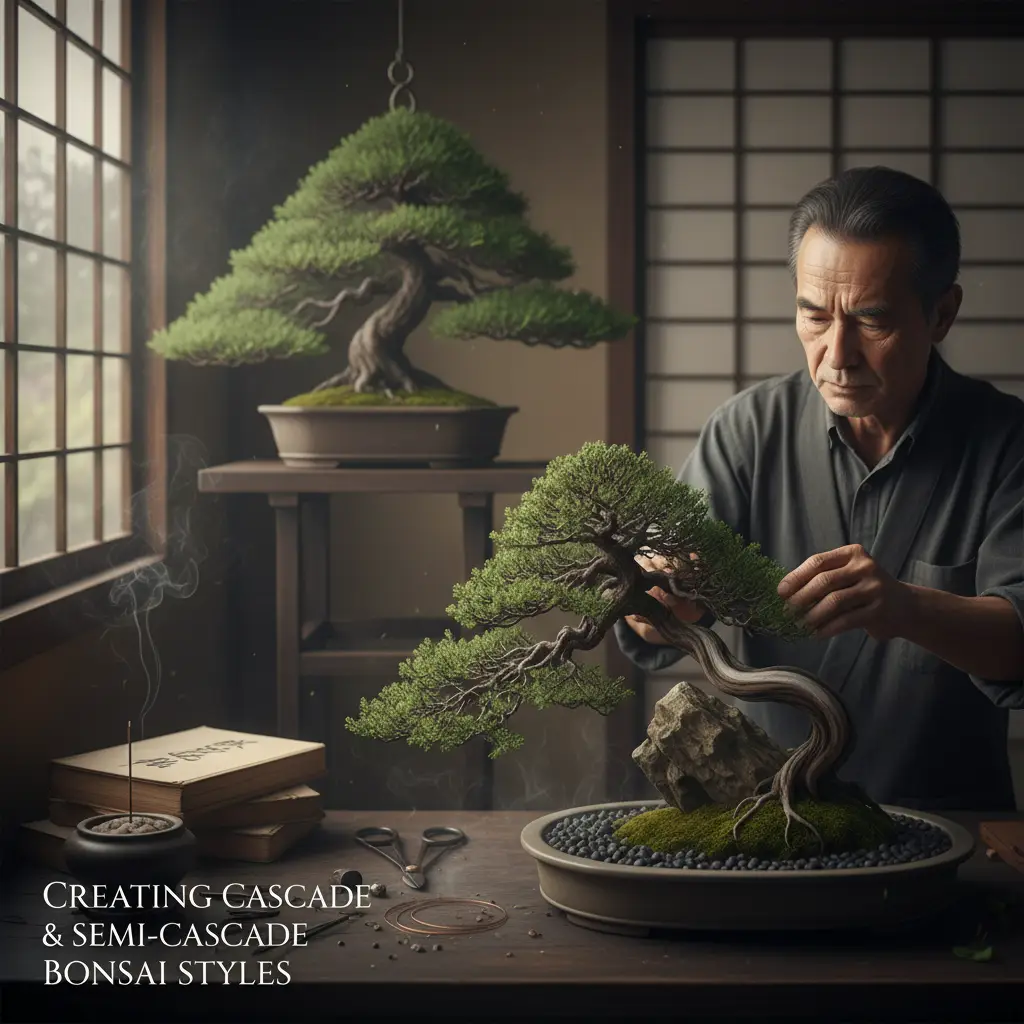
Cascade bonsai styling creates a dramatic tree form where the main trunk descends below the rim of its pot, mimicking trees growing on cliffsides. This artistic technique involves careful wiring, pruning, and species selection to achieve a visually striking and natural-looking downward flow, embodying resilience and grace.
Cascade bonsai styling is an art form that replicates trees clinging to sheer cliff faces, with trunks and branches dramatically cascading downwards. This unique style, often seen in nature, captures a sense of enduring strength and elegance. Learning to create these captivating forms requires patience, specific techniques, and a deep understanding of bonsai principles.
The goal of cascade bonsai styling is to evoke the natural environment where a tree might grow over a precipice, battered by elements, yet thriving. This guide will walk you through species selection, essential training methods, and the crucial potting considerations to master this dramatic aesthetic.
The Allure of Cascade Bonsai
Cascade bonsai designs are among the most visually striking in the art of bonsai. They challenge traditional perceptions of tree growth, often appearing to defy gravity. The dramatic fall of the trunk and branches offers a powerful visual narrative, making them a centerpiece in any collection. This style truly showcases the artist’s skill in manipulating nature.
Defining Full Cascade
In a full cascade (Kengai) style, the main trunk extends well below the bottom of the pot. The apex of the tree is typically above the pot rim, but the primary cascade branch dips significantly. This style often has secondary branches that balance the overall composition, reaching outwards and downwards.
Understanding Semi-Cascade
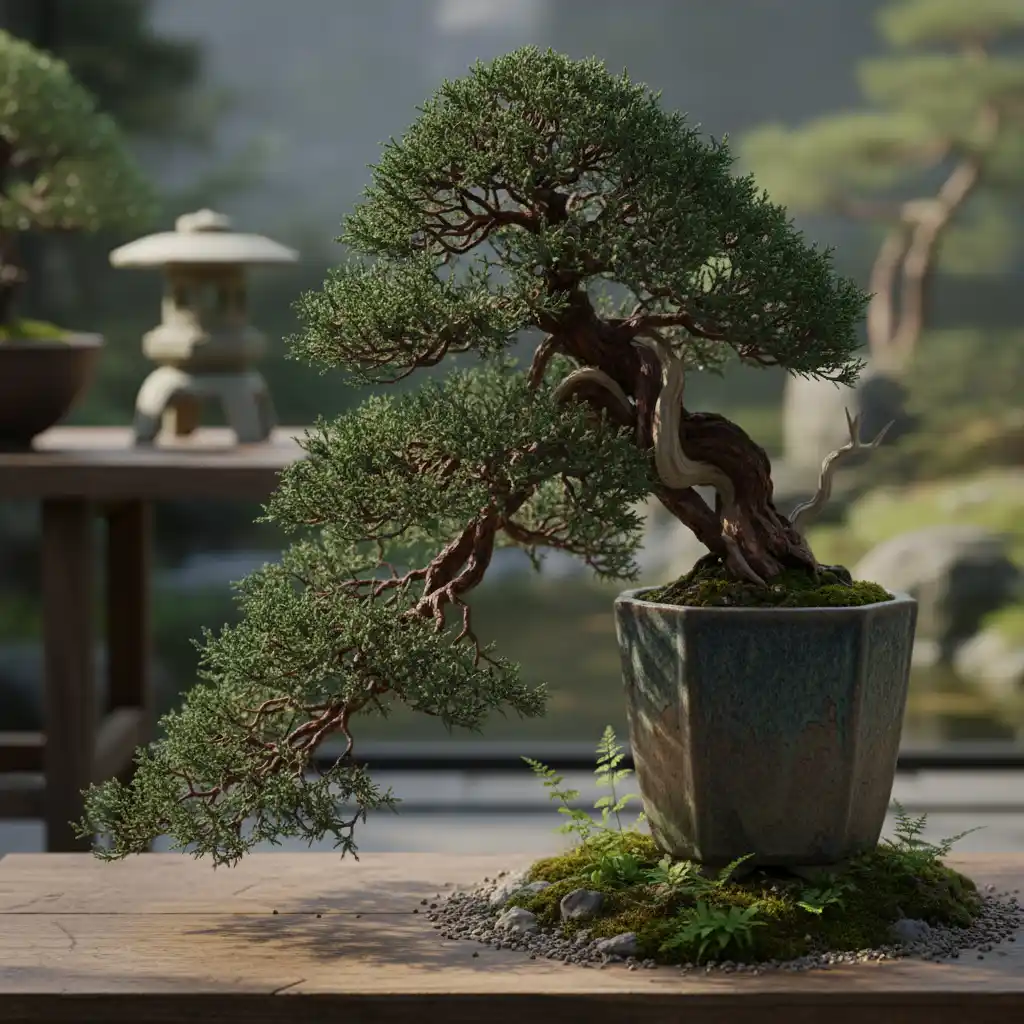
The semi-cascade (Han-Kengai) style is less extreme than the full cascade. Here, the trunk extends just below the rim of the pot, or sometimes only to the level of the pot’s base. It still conveys a sense of downward movement but with less severity. This style is often easier for beginners to master and requires slightly less specialized potting.
Selecting the Right Species for Cascade Bonsai
Choosing the appropriate tree species is fundamental to successful cascade bonsai styling. Not all trees are suited for the dramatic bends and downward growth required. Factors like branch flexibility, natural growth habit, and resilience to harsh styling are key.
Popular Conifers for Cascades
Conifers are excellent choices for cascade bonsai. Their woody trunks and often flexible branches respond well to wiring and hold their shape over time.
- Juniper (Juniperus): Especially Juniperus procumbens nana and Juniperus chinensis, known for their strong trunks and pliant branches. They are very popular for their resilience and ability to withstand aggressive styling, making them ideal for a dynamic cascade bonsai styling.
- Pine (Pinus): Japanese Black Pine and Scots Pine can be adapted, though they require more advanced techniques due to their stiffer branches. Their rugged appearance lends itself well to the image of a tree enduring harsh conditions.
- Spruce (Picea): Some spruce varieties also work, offering dense foliage that contrasts beautifully with the cascading lines.
Deciduous Options for Dramatic Drops
While conifers are common, some deciduous trees also make stunning cascade forms, offering seasonal interest with their changing leaves.
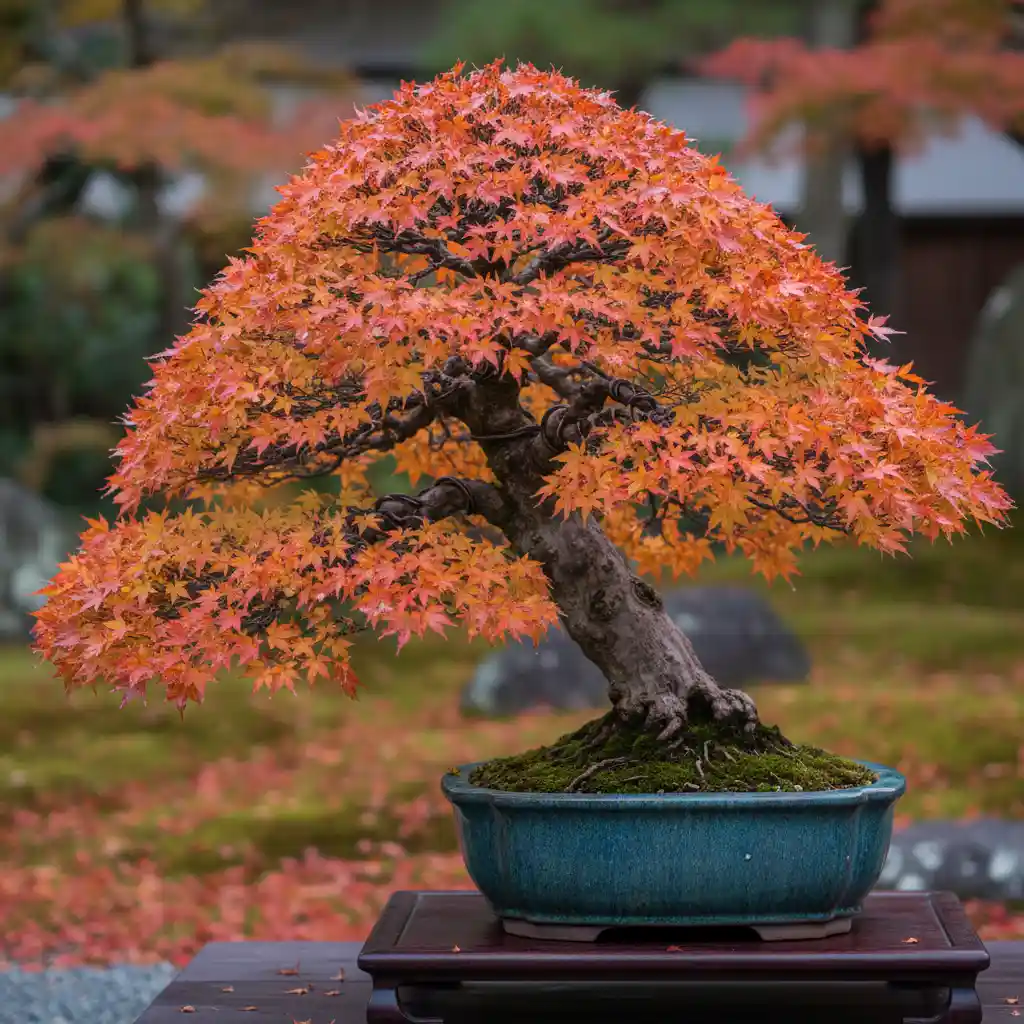
- Japanese Maple (Acer palmatum): Known for their delicate leaves and vibrant autumn colors. They require careful wiring due to more brittle branches but produce beautiful results.
- Willow (Salix): Certain willow varieties, with their naturally weeping habit, are ideal for cascade bonsai. Their pliable branches easily conform to downward shapes.
- Fuchsia: Though technically a shrub, some fuchsia species can be styled into beautiful semi-cascade forms, especially valued for their continuous flowering.
Essential Techniques for Cascade Bonsai Styling
Achieving the iconic cascade shape demands specific training methods. These involve carefully manipulating the tree’s growth direction, ensuring health, and fostering an aesthetically pleasing flow. Mastery of these techniques is central to effective cascade bonsai styling.
Training Downward Growth
The core of cascade bonsai is directing the trunk and branches downwards. This often begins with selecting a main branch or trunk that naturally grows downwards or can be easily bent. Heavy gauge wiring is typically used to secure the main trunk in its desired cascading position. Regular adjustments are vital as the tree grows.
Wiring for Cascade Form
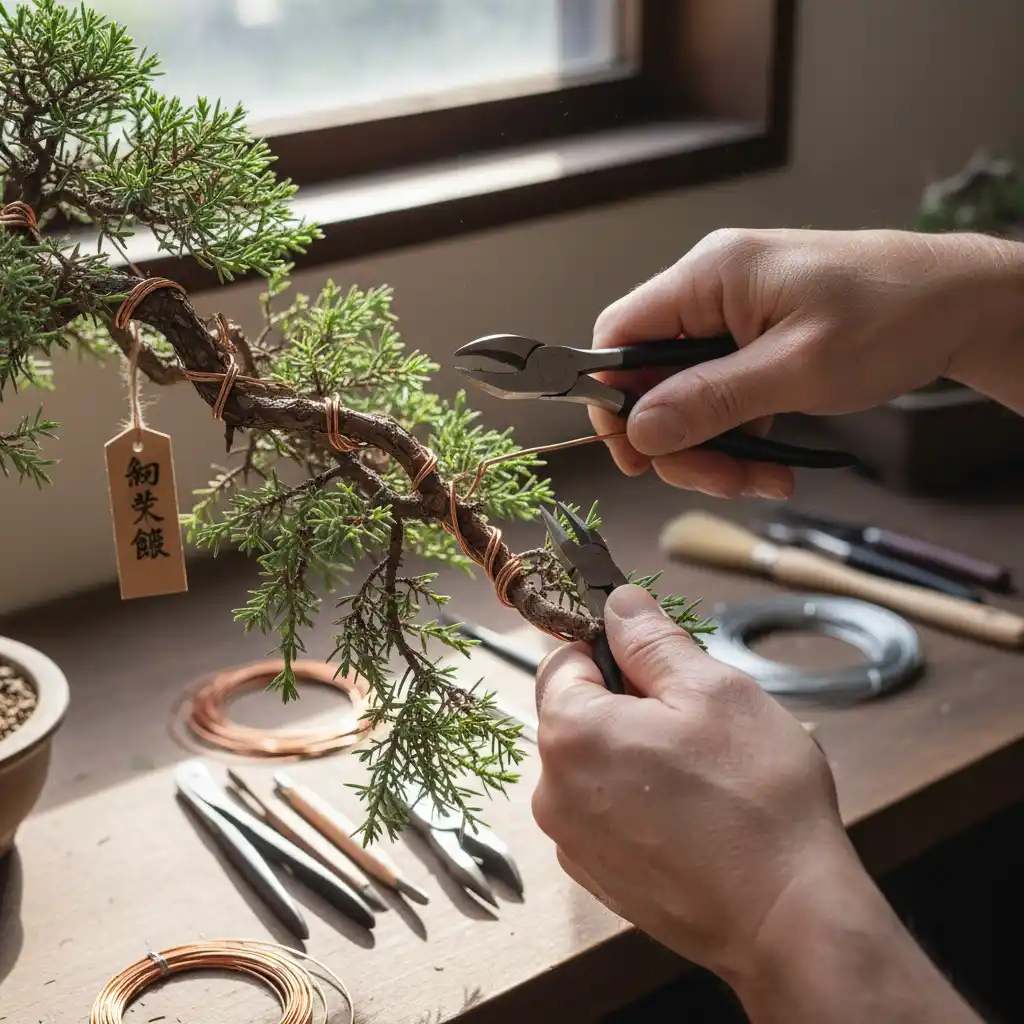
Wiring is the most direct method for shaping your cascade bonsai. Annealed aluminum or copper wire is wrapped around branches and the trunk, allowing them to be bent and held in place.
- Technique: Apply wire firmly but without cutting into the bark. Begin at the trunk and work outwards. Aim for a 45-degree angle wrap for optimal control.
- Duration: Wires should remain on the tree until the branch sets in its new position, usually several months to a year, depending on species and growth rate. Monitor closely to prevent scarring.
Strategic Pruning for Shape and Health
Pruning is crucial for both shaping the cascade bonsai and maintaining its health. It involves removing unwanted branches, foliage, and old wood to encourage new growth in desired areas and improve light penetration.
- Branch Selection: Focus on branches that contribute to the cascading flow. Remove upward-growing branches or those that detract from the overall design.
- Foliage Reduction: Thinning foliage promotes ramification (finer branching) and enhances the tree’s delicate appearance.
Guiding the Apex and Branch Placement
Even in a cascade style, an apex (the top of the tree) is important, typically positioned above the pot rim for balance. Secondary branches are crucial for creating depth and width, counterbalancing the main cascading element. Consider the overall triangular or fan shape often desired in bonsai.
Potting Considerations for Cascade Bonsai
The pot is not just a container; it’s an integral part of the cascade bonsai composition. Selecting the right pot is critical for both aesthetics and the tree’s health.
Specialized Pots for Dramatic Designs
Cascade bonsai require deep pots to provide stability for the downward-growing trunk and to offer a visual counterweight. These pots are typically taller and narrower than standard bonsai pots.
- Shape: Deep, often cylindrical or rectangular pots are common. They can also be oval or round, but always with significant depth.
- Material: Unglazed stoneware is popular for its natural look and excellent drainage properties. The pot’s color should complement the tree, not distract from it.
Repotting and Root Care
Repotting a cascade bonsai is similar to other styles but requires extra care due to the pot’s depth and the tree’s angle.
- Frequency: Typically every 2-3 years for young trees, less often for mature specimens.
- Root Pruning: Trim roots to encourage fine feeder roots and maintain a compact root ball. Ensure the tree is securely anchored after repotting.
Creating a Bonsai Ecosystem: Beyond the Tree
A healthy cascade bonsai thrives within a carefully managed ecosystem. Understanding environmental factors like soil, water, and light is paramount. This holistic approach ensures the longevity and vigor of your living art. For a deeper dive into Bonsai Soil, Fertilization & Nutrition, consult our comprehensive guide, and learn about specific seasonal needs like Seasonal Inversion for Bonsai Care and Spring Care for Bonsai.
Soil and Drainage
Proper soil mixture is vital for cascade bonsai. It must provide excellent drainage while retaining enough moisture and nutrients.
- Components: A common mix includes akadama, pumice, and lava rock, often with a small amount of organic matter. For specialized requirements of native species, explore Soil & Fertilization for NZ Native Bonsai: Custom Blends & Feeding.
- Drainage Holes: Ensure adequate drainage holes in the pot to prevent root rot, especially given the deep pot style.
Watering and Fertilization
Because cascade pots are often deep and narrow, they can dry out faster. Regular and thorough watering is essential.
Fertilization should follow a consistent schedule, adapting to the tree’s growth cycle. Use balanced fertilizers during active growth and adjust based on species-specific needs.
Advanced Artistic Styling Techniques
Once the basic cascade form is established, advanced techniques can add character, age, and a deeper sense of realism to your bonsai. These techniques enhance the artistic expression of the cascade bonsai styling.
Jin and Shari Techniques
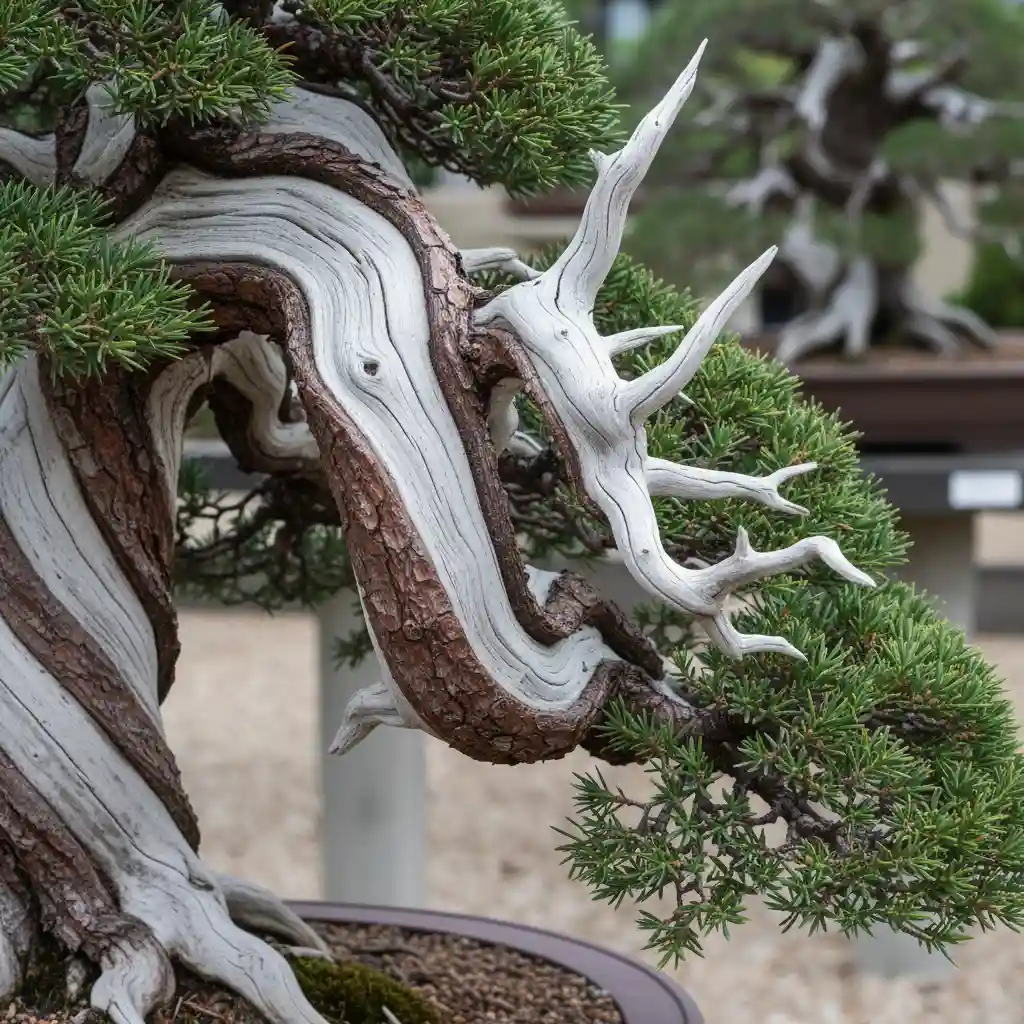
Jin refers to deadwood branches, stripped of bark, often bleached by the sun. Shari is deadwood on the trunk, creating dramatic white streaks. These techniques mimic the effects of harsh natural environments, adding an ancient, weathered look to your cascade bonsai, emphasizing its struggle and survival.
The Importance of Balance
While cascade bonsai emphasizes downward movement, overall balance is key. This includes visual weight, branch placement, and the distribution of foliage. The goal is a harmonious composition that feels stable despite its dramatic posture. A well-executed cascade bonsai styling always maintains this delicate equilibrium.
Sourcing Your Bonsai Material
Finding the right starting material is crucial. You can source trees from specialized bonsai nurseries, collect them from the wild (with permission and knowledge of local regulations), or even start from seeds or cuttings. Reputable nurseries often provide stock already suitable for cascade bonsai styling.
Consider visiting local bonsai clubs or online forums for advice on sourcing, and for insights into Bonsai Mentorship Programs: Finding a Teacher.
A great resource for general bonsai knowledge is Wikipedia’s Bonsai article.
The Cultural Aspects of Bonsai
Bonsai is more than just horticulture; it’s a living art form with deep cultural roots, primarily from Japan, stemming from Chinese penjing. It embodies patience, respect for nature, and a pursuit of harmony. Each cascade bonsai tells a story of resilience and artistry, connecting the practitioner to centuries of tradition.
Conclusion
Creating a cascade or semi-cascade bonsai is a rewarding journey. It demands dedication and a keen eye for aesthetic balance. By mastering species selection, training techniques, and potting considerations, you can cultivate a truly magnificent living sculpture that brings a piece of wild nature into your home. Embrace the challenge of cascade bonsai styling, and watch your artistic vision flourish.