Ficus Bonsai Care: A Complete Guide for Thriving Trees
Discover everything you need to know about expert ficus bonsai care. This comprehensive guide will help you nurture your beautiful Ficus tree, ensuring it thrives for years to come. Whether you are a beginner or an experienced enthusiast, mastering these techniques is key to a healthy bonsai.
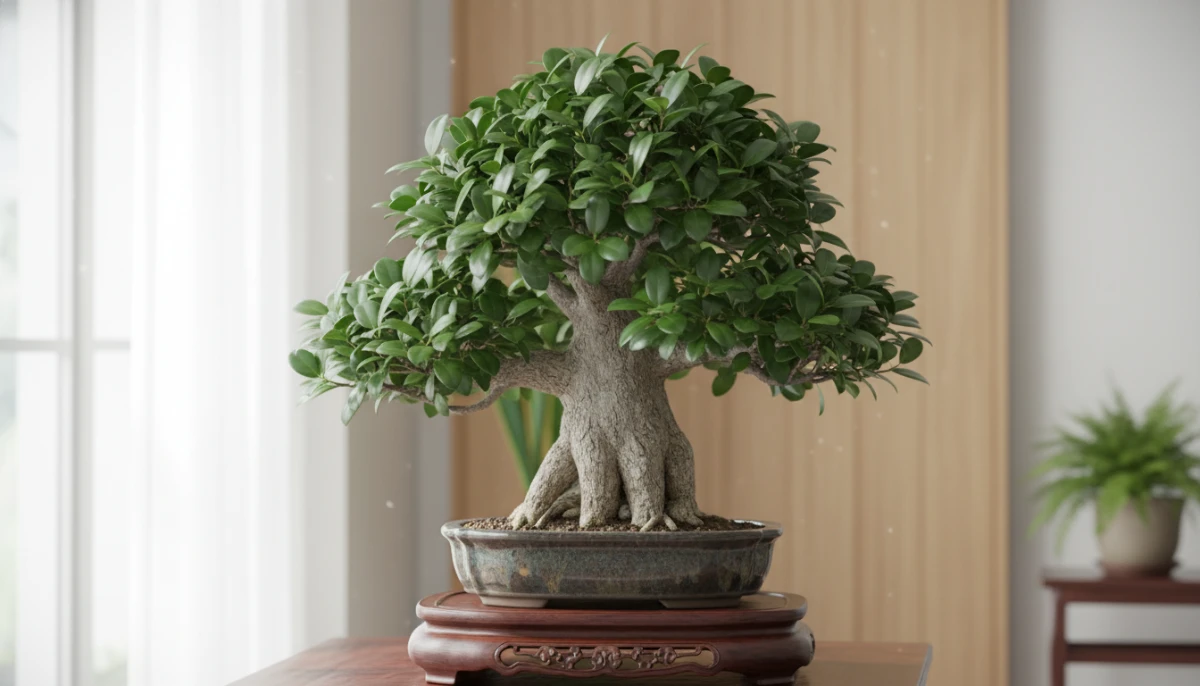
Table of Contents
Understanding Your Ficus Bonsai
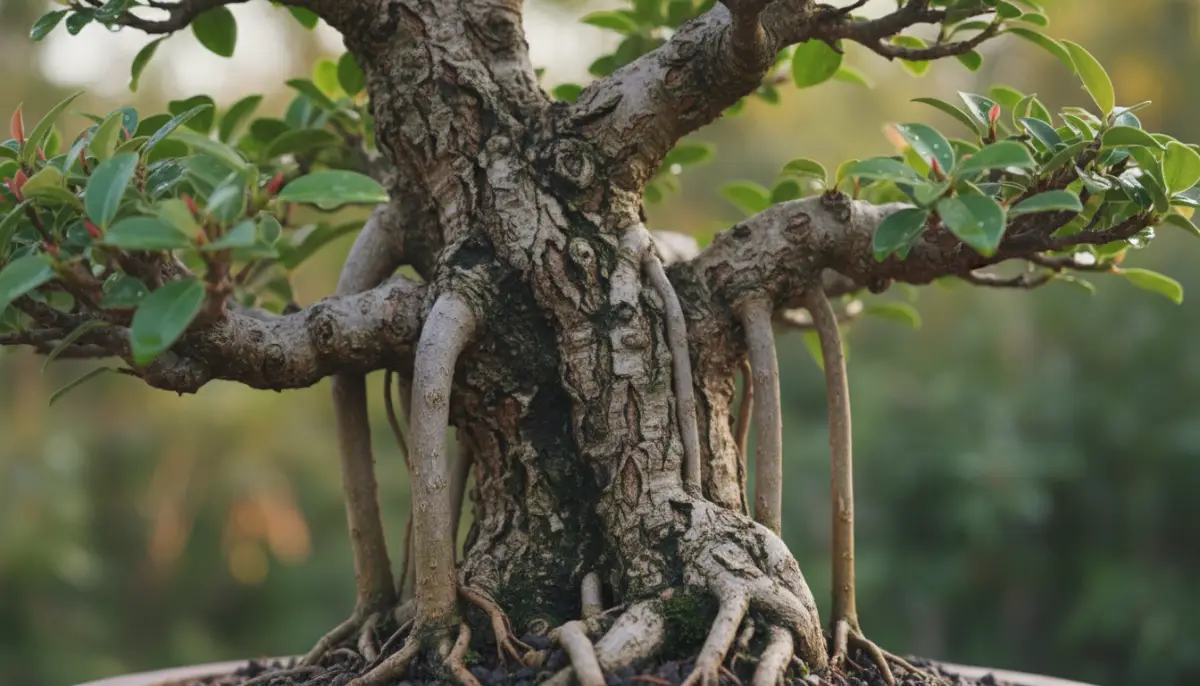
Ficus trees are a fantastic choice for bonsai, especially for those new to the art. They are known for their resilience, ability to grow aerial roots, and glossy leaves. Many species, like Ficus retusa and Ficus microcarpa, adapt well to indoor environments. This makes proper ficus bonsai care crucial for their long-term health and aesthetic appeal.
For a deeper understanding of the foundational elements in bonsai cultivation, including crucial aspects of Bonsai Soil, Fertilization & Nutrition, consult our detailed guides.
With the right environment and consistent care, your Ficus bonsai can become a stunning living sculpture. This guide will walk you through all the essential steps, from watering to pest control. Our aim is to give you the knowledge you need for the best results in 2026 and beyond.
While Ficus offer a robust and beautiful form, the diverse world of bonsai also includes species celebrated for their stunning blossoms. If you’re interested in adding a splash of seasonal color, delve into the specifics of Flowering Bonsai Trees: Cultivation & Bloom Tips.
Beyond individual care, becoming part of the larger bonsai world can enrich your journey. Connect with fellow enthusiasts, learn from experts, and participate in shows by exploring the Bonsai Community & Events. A strong, well-developed root flare, or Developing Nebari: The Root Flare, is also a hallmark of a healthy and aesthetically pleasing bonsai, contributing significantly to its overall stability and visual impact.
Ficus Specific Watering Needs
Watering is arguably the most critical aspect of any bonsai care, and Ficus are no exception. They prefer consistently moist soil but absolutely loathe soggy conditions. Finding the right balance is key to preventing root rot, a common issue for many indoor plants.
When to Water Your Ficus
The best way to tell if your Ficus needs water is to check the soil. Insert your finger about an inch into the soil. If it feels dry, it’s time to water. You can also lift the pot; a light pot often indicates dry soil.
How to Water Effectively
When you water, do so thoroughly. Pour water over the entire surface of the soil until it drains freely from the bottom of the pot. Repeat this process two or three times to ensure all the soil is saturated. This also helps flush out any mineral buildup.
- Frequency: Typically every 1-3 days during warmer months, less often in winter.
- Signs of Underwatering: Drooping leaves, crispy edges, dry and hard soil.
- Signs of Overwatering: Yellowing leaves, mushy trunk, persistent wet soil.
Just as important as watering on a schedule is understanding the optimal Bonsai Fertilization Schedule to nourish your trees throughout the year.
Using filtered water or rainwater is ideal, as tap water can sometimes contain chlorine or high mineral content that may harm your bonsai over time.
Light and Humidity Requirements
Ficus species are native to tropical regions, so they thrive in bright, consistent light and high humidity. Providing these conditions indoors is vital for robust growth and healthy foliage. Proper light exposure directly impacts the overall vitality of your Ficus.
Ideal Light Conditions
Your Ficus bonsai needs plenty of bright, indirect light. A south or east-facing window is often ideal. While they can tolerate some direct morning sun, avoid intense afternoon sun, which can scorch the leaves.
If natural light is scarce, consider supplementing with a grow light. Adequate light prevents leggy growth and ensures strong, compact foliage. Rotating your tree periodically helps ensure even growth on all sides.
Humidity is Crucial
Ficus bonsai love high humidity. Most homes are too dry, especially during winter months when heating systems are on. Low humidity can lead to leaf drop and make your tree more susceptible to pests.
To manage these varying needs throughout the year, especially in specific climates like New Zealand, consulting a Seasonal Care Calendar for NZ Bonsai: A Month-by-Month Guide, or specific guidance like Spring Care for Bonsai SH, can be incredibly beneficial. Additionally, for specific advice on protecting your trees during colder periods, consider our guide on Winterizing Bonsai Trees: Protecting from Cold.
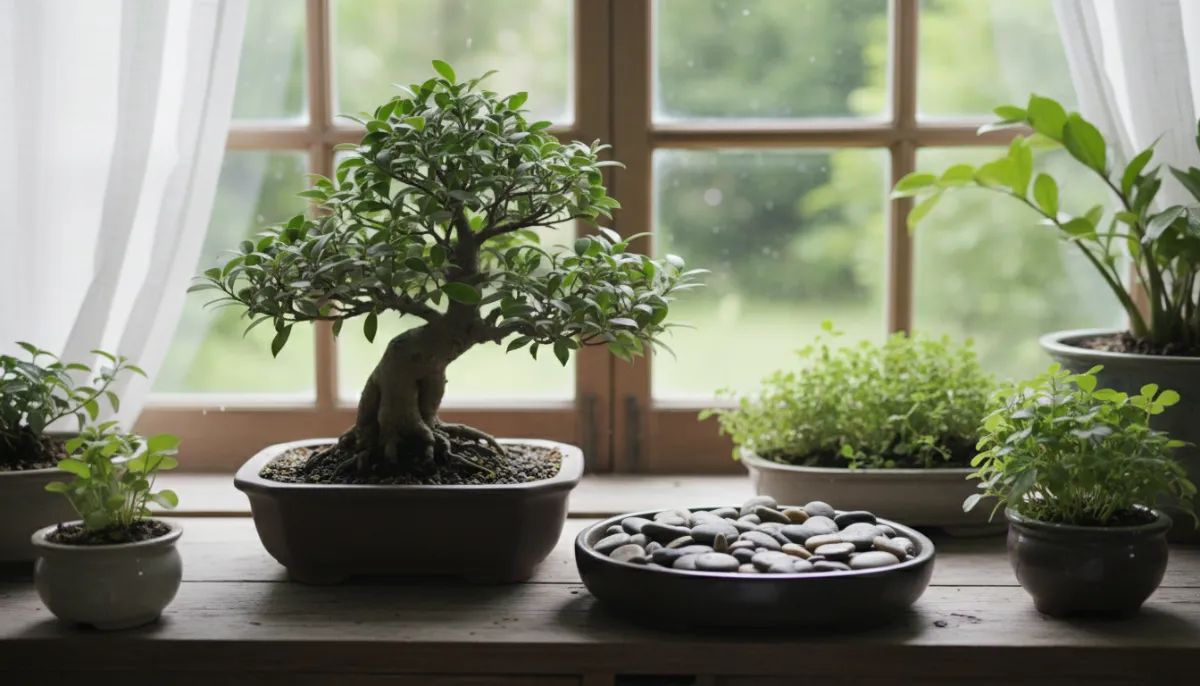
To boost humidity, you can mist your tree daily, although this is a temporary solution. A more effective method is to use a humidity tray. Fill a shallow tray with pebbles and water, placing your bonsai pot on top. Ensure the bottom of the pot does not sit directly in the water. A room humidifier is also an excellent option for consistent humidity.
Pruning and Wiring Your Ficus
Pruning and wiring are fundamental techniques in bonsai art, allowing you to shape your Ficus into your desired aesthetic. Regular pruning maintains its miniature size and encourages dense foliage. Wiring, when done carefully, guides the branches into specific positions.
The Art of Pruning Ficus
Ficus trees respond very well to pruning, often back-budding vigorously. There are two main types: maintenance pruning and structural pruning.
Maintenance pruning involves trimming new shoots back to 1-2 leaves once they have developed 6-8 leaves. This helps maintain the tree’s shape and promotes ramification (branching). Structural pruning, done less frequently, involves removing larger branches to redefine the tree’s overall form.
Always use sharp, clean bonsai tools to make precise cuts. This minimizes damage and promotes quicker healing. You can prune your Ficus throughout the growing season.
Wiring Techniques
Wiring allows you to bend and reposition branches, creating movement and specific styles. Ficus branches are flexible, making them good candidates for wiring.
Use anodized aluminum or copper wire specifically designed for bonsai. Wrap the wire around the branch at a 45-degree angle, making sure it’s snug but not too tight to cut into the bark. Leave the wire on for a few weeks to several months, checking regularly to ensure it doesn’t scar the bark. Remove the wire carefully by unwinding it, not pulling it off.
For more detailed information on shaping your trees and promoting vigorous growth, you can delve deeper into the art of Bonsai Pruning for Shape and Health, and explore general Bonsai Pruning & Wiring Techniques. Beyond individual tree shaping, understanding the principles of Designing Bonsai Compositions and Plantings and learning about Classic Bonsai Styling Forms Explained can elevate your entire bonsai display. Additionally, for those interested in regional species, explore dedicated guides such as Wiring & Pruning NZ Natives: Shaping for Optimal Health & Aesthetics.