Mastering Bonsai Deadwood Techniques for Stunning Artistry
Unlock the secrets of creating natural, aged beauty on your bonsai trees. This guide covers essential bonsai deadwood techniques like Jin and Shari, transforming your trees into living sculptures.
Table of Contents
Understanding Jin: Creating Aged Branches
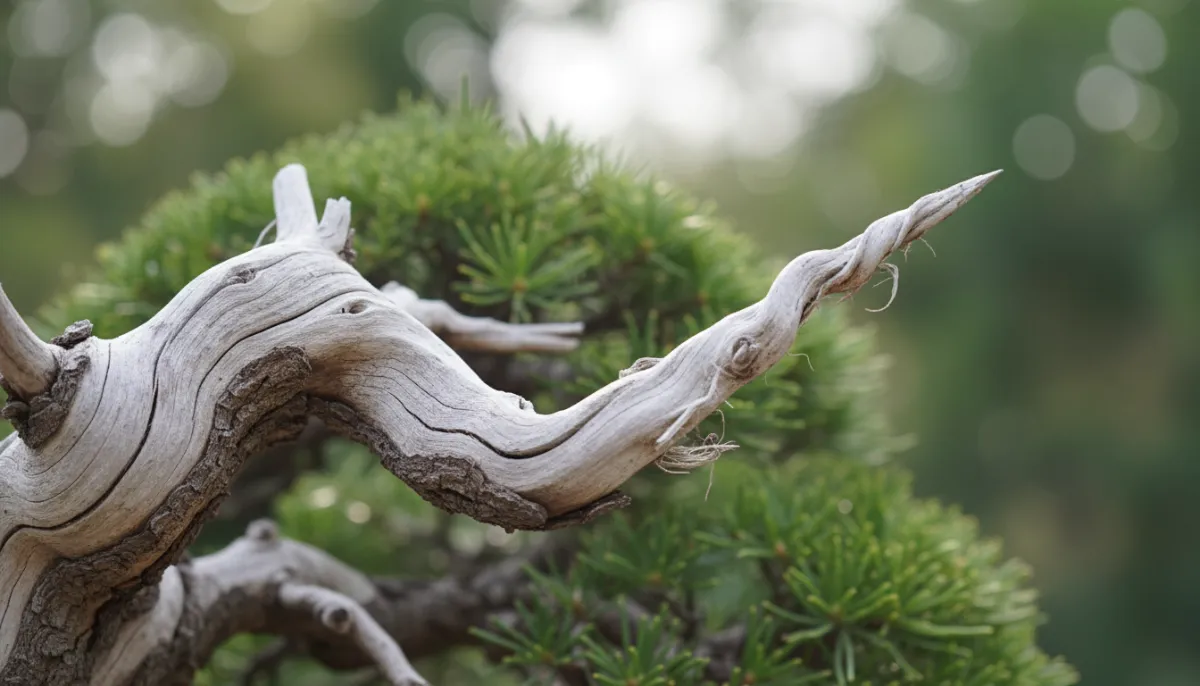
Jin refers to the art of creating a natural-looking dead branch on a bonsai tree. This technique mimics what happens in nature when branches die due to strong winds, lightning, or disease. It adds character, age, and drama to your bonsai, making it look much older and more resilient. The goal is to make the deadwood appear as if it has been weathered by time and the elements. These bonsai deadwood techniques are fundamental for advanced styling. For those interested in trees with a naturally weathered look from their origin, understanding NZ Yamadori Principles: Ethical Collection & Cultivation of Wild Stock can provide valuable insights.
A well-executed jin can draw the eye and create a focal point. It can also help to balance the tree’s overall design. When considering a branch for jin, choose one that is not essential for the tree’s health or structural design. Often, lower branches or those growing inwards are good candidates. Planning is key to achieving a realistic and aesthetic result.
What is Jin?
Jin is essentially a bleached, bare branch end. It’s often sharp and tapered, reflecting how wood erodes over decades. Creating jin involves removing bark and shaping the underlying wood. This process not only makes the tree look older but also gives it a story. Each jin should be unique, telling a tale of survival and endurance.
The appearance of jin can vary greatly depending on the tree species and the desired effect. Some jins are left very simple, while others are intricately carved to mimic deep erosion. Deciduous trees can have jin, but it is most commonly seen on conifers like junipers and pines, where the deadwood naturally contrasts beautifully with the evergreen foliage. For those new to the art, exploring Beginner-Friendly Bonsai Tree Species can provide an excellent starting point.
Tools for Jin Creation
Having the right tools is crucial for precise and safe jin creation. Basic tools include jin pliers, which are designed to strip bark and twist wood. Carving tools, such as various chisels and rotary tools with specialized bits, help refine the shape. A good quality wire brush can remove loose fibers and clean the wood surface. Always keep your tools sharp and clean for the best results.
Safety gloves and eye protection are non-negotiable when working with sharp tools. A good understanding of wood grain is also helpful to prevent accidental splitting of the live wood. Investing in quality tools will make the process more enjoyable and yield better results for your bonsai styling projects.
Step-by-Step Jin Carving
- Select the Branch: Choose a branch that can be removed without harming the tree’s health or design.
- Strip the Bark: Use jin pliers or a sharp knife to carefully peel the bark from the chosen branch. Ensure you don’t damage the cambium layer of the live trunk.
- Shape the Wood: Begin twisting and carving the exposed wood. Aim for a natural, weathered look. You can use concave cutters to create initial breaks, then refine with chisels or a rotary tool.
- Bleach the Wood: Apply a lime sulfur solution to bleach the deadwood. This preserves it and gives it a characteristic white, aged appearance. Apply several coats, allowing each to dry.
- Refine and Finish: Once bleached, you can further refine the shape, using a wire brush to clean and highlight the grain. The key is to achieve a look that appears truly ancient and naturally weathered.
Remember that patience and practice are essential when learning these intricate bonsai deadwood techniques. Each tree is different, and the art lies in recognizing its unique potential.
Shari Development Methods: The Art of Trunk Deadwood
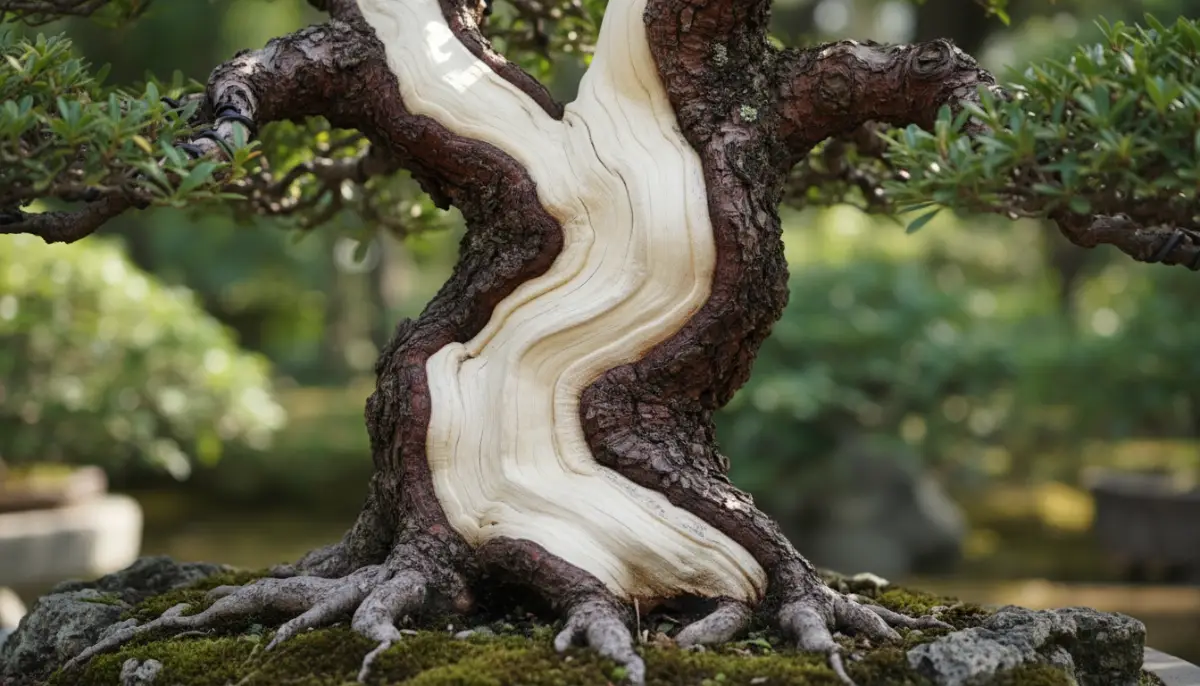
Shari is the technique of creating areas of deadwood on the trunk of a bonsai tree. Unlike jin, which focuses on branches, shari involves stripping bark from the main trunk or major limbs, exposing the heartwood underneath. This creates dramatic white streaks that run down the tree, suggesting intense natural hardship and advanced age. It’s a powerful way to enhance the tree’s character.
A well-executed shari can make a bonsai look centuries old, telling a story of survival against harsh conditions. This resilience is also crucial for Winterizing Bonsai Trees: Protecting from Cold. It often starts from the base of the trunk or where a large branch has died off naturally. The contrast between the bleached shari and the living bark is incredibly striking. Shari demands careful planning to ensure the tree’s health and aesthetic balance.
What is Shari?
Shari refers to the exposed, barkless sections of the trunk. These sections are carefully designed to look like the tree’s bark has been stripped away by natural forces, revealing the lighter wood beneath. The effect can be subtle or dramatic, depending on the tree’s design and the artist’s vision. It should always look like a natural occurrence, not an artificial carving.
The creation of shari requires a deep understanding of the tree’s physiology. The cambium layer, which transports water and nutrients, runs just beneath the bark. When creating shari, only a specific portion of the bark is removed, ensuring that enough cambium remains intact to sustain the tree’s living parts. This balance is critical for the tree’s long-term health and survival. For truly robust bonsai health, understanding Bonsai Root Pruning Techniques for Health, mastering Pruning for Bonsai Shape and Health, and applying effective Choosing & Applying Bonsai Fertilizer Brands are all fundamental aspects of care. This includes specialized needs like Soil & Fertilization for NZ Native Bonsai: Custom Blends & Feeding.
Preparing for Shari
Before beginning any shari work, thorough preparation is vital. This includes selecting the ideal location on the trunk and sketching the intended design. Consider the natural flow of the tree and where deadwood would realistically occur. Ensure the tree is healthy and vigorous before performing such an invasive procedure, as it will cause some stress. Proper Spring Care for Bonsai is vital for maintaining tree vitality. For optimal tree health and recovery, consider the importance of Bonsai Soil, Fertilization & Nutrition. Hydrate the tree well before and after the procedure. Marking the areas to be stripped with a marker can help guide your work and prevent mistakes, especially for more complex shari designs. Always think a few steps ahead to visualize the final outcome.
Techniques for Shari Application
Shari application involves carefully scoring and peeling the bark. Use a very sharp knife to make precise cuts along the edges of your marked shari area. The goal is to separate the bark from the underlying wood without damaging the wood itself or the delicate cambium of the surrounding living bark. Once the bark is removed, the exposed wood is then treated with lime sulfur, similar to jin, to bleach and preserve it. This process creates the distinctive white streaks that characterize shari, adding incredible age and drama to your tree. Patience and artistic vision are key to making the shari appear as if it occurred naturally over decades.
Mastering deadwood techniques like Jin and Shari truly transforms your bonsai into living art. Once these intricate designs are perfected, showcasing your creations becomes the next exciting step. Discover Inspirational Bonsai Display Ideas & Setups to beautifully present your unique trees. Furthermore, deepen your passion and connect with fellow enthusiasts by exploring the vibrant Bonsai Community & Events and connecting with Bonsai Mentors & Clubs in NZ, where knowledge is shared, and the artistry of bonsai thrives.