Choosing & Applying Bonsai Fertilizer Brands

bonzai.co.nz
Bonsai fertilizer brands offer specialized nutrients crucial for the health and development of miniature trees. These products provide essential elements like nitrogen, phosphorus, and potassium, which ordinary garden fertilizers may not supply in the correct balance, ensuring your bonsai thrives with strong roots and lush foliage.
Keeping a bonsai tree healthy and beautiful requires special care, which extends beyond nutrition to include aspects like Wiring Techniques for Complex Forms. Fertilization is one of the most important aspects of this care. It provides the nutrients your miniature tree needs to grow strong and vibrant.
Understanding which bonsai fertilizer brands to choose and how to apply them correctly is key. This guide, part of our broader discussion on Bonsai Soil, Fertilization & Nutrition, will help you navigate the world of bonsai nutrition.
The Basics of Bonsai Nutrition
Just like any plant, bonsai trees need a range of nutrients to thrive. These nutrients are absorbed through the roots from the soil. However, because bonsai live in small pots, their soil reserves deplete quickly. This is where proper fertilization comes in.
Why Fertilize Your Bonsai?
Fertilizers replenish the essential nutrients in the soil. Without them, your bonsai’s growth will slow, its leaves might yellow, and it could become weak. Regular feeding supports healthy foliage, strong root development, flowering, and fruiting, depending on the species.
Organic vs. Chemical Fertilizers
When selecting bonsai fertilizer brands, you will mostly encounter two main types: organic and chemical. Each has its own benefits and drawbacks.
Organic Fertilizers
Organic fertilizers come from natural sources. These include things like fish emulsion, blood meal, cottonseed meal, and various solid pellets made from fermented plant or animal matter. They break down slowly, releasing nutrients over time. This slow release helps prevent over-fertilization, which can harm your bonsai.
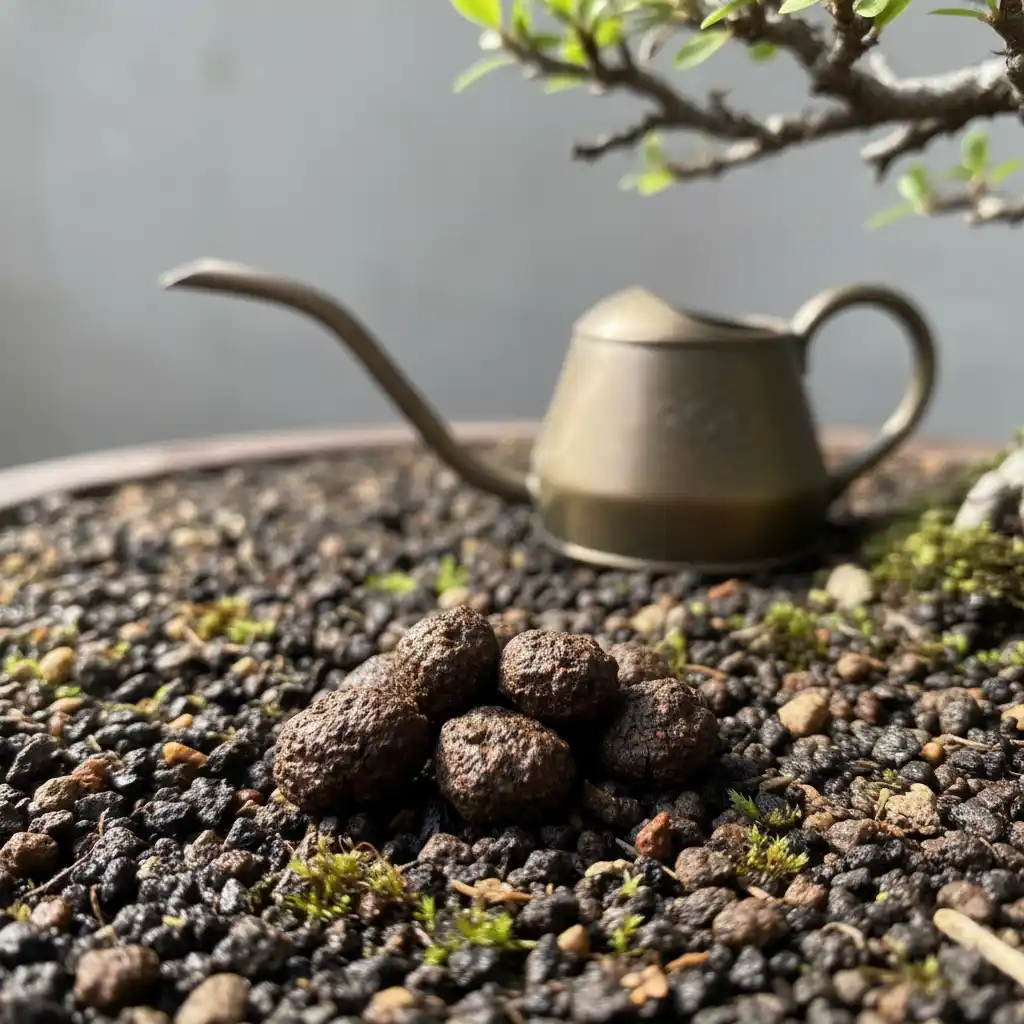
Organic fertilizers also improve soil health. They feed beneficial microbes in the soil, leading to better soil structure and nutrient uptake. However, they can sometimes have a strong odor and may attract pests if not applied properly.
Chemical Fertilizers
Chemical, or synthetic, fertilizers are manufactured. They are available in liquid or granular forms. These fertilizers offer precise nutrient ratios and are fast-acting. This means your bonsai gets a quick boost of nutrients.
Chemical fertilizers are easy to measure and apply, and they usually don’t have an odor. The downside is that they can burn your bonsai’s roots if applied too strongly or too often. Careful dilution and application are crucial.
NPK Ratios Explained
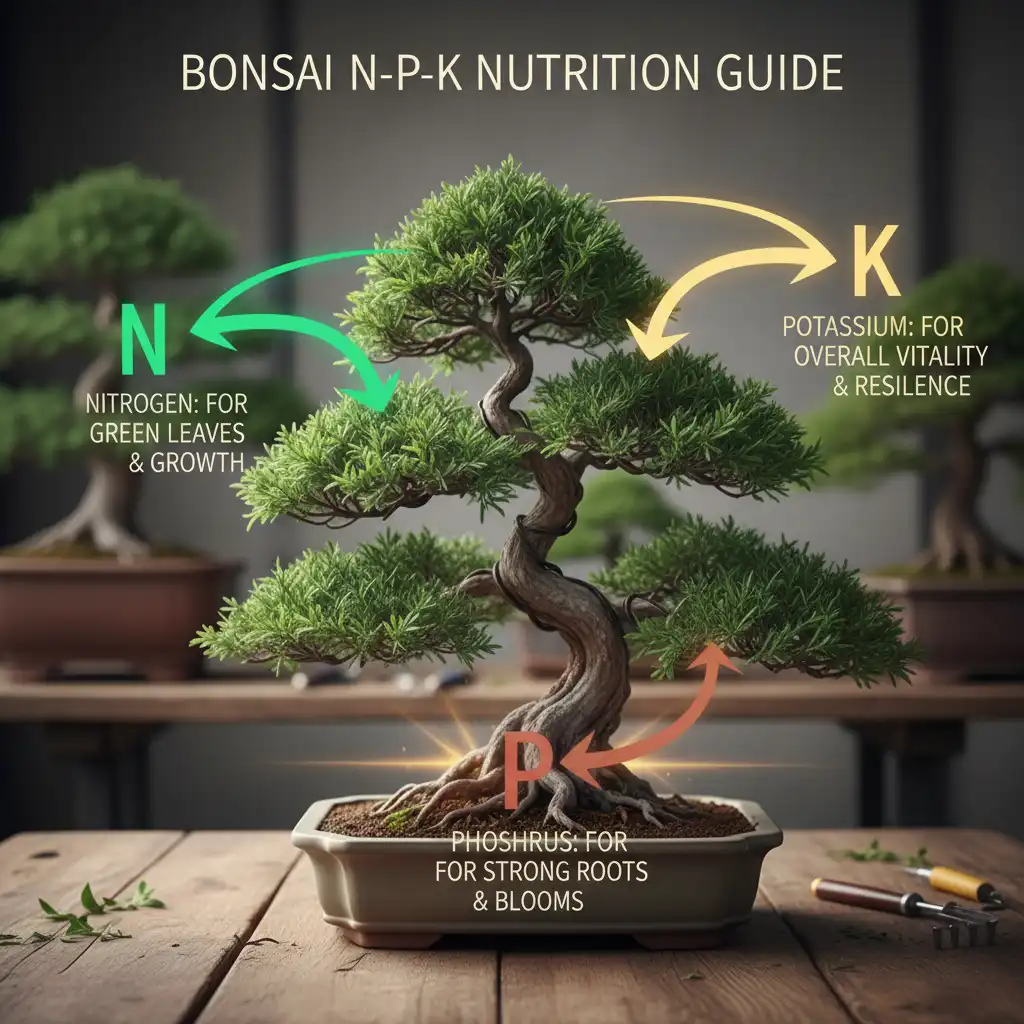
Every fertilizer label shows three numbers, like 10-10-10 or 6-2-4. These numbers represent the NPK ratio: Nitrogen (N), Phosphorus (P), and Potassium (K). Understanding these numbers helps you choose the right fertilizer for your bonsai’s needs.
Nitrogen (N) for Growth
Nitrogen is essential for leafy growth. It helps create chlorophyll, which gives leaves their green color and is vital for photosynthesis. Fertilizers high in nitrogen (like 10-5-5) are often used in spring to encourage strong new shoots and foliage.
Phosphorus (P) for Roots and Flowers
Phosphorus supports healthy root development, flowering, and fruiting. It’s crucial for energy transfer within the plant. If your bonsai is struggling with root growth or you want more flowers, look for a fertilizer with a higher middle number (e.g., 5-10-5).
Potassium (K) for Overall Health
Potassium, also known as potash, helps with the overall health and vigor of your bonsai. It strengthens the plant’s immune system, making it more resistant to Common Bonsai Pests & Diseases: Identification & Treatment, and environmental stress. It also plays a role in water regulation. Fertilizers with a good amount of potassium (like 5-5-10) are beneficial for general maintenance and hardening off plants for winter.
Specific NPK for Different Stages and Species
The ideal NPK ratio varies. Young trees need more nitrogen for rapid growth. Mature trees, especially those you want to flower or fruit, benefit from balanced or higher phosphorus/potassium. Conifers often prefer slightly different ratios than deciduous trees.
Many bonsai fertilizer brands offer specialized formulas. These might be labeled for ‘Flowering Bonsai,’ ‘Conifer Blend,’ or ‘Growth Formula.’ Reading the product description can help you match the fertilizer to your tree’s specific requirements.
When and How to Fertilize Your Bonsai
The timing and method of fertilization are just as important as the type of fertilizer you choose, forming a key part of your overall Seasonal Care Calendar for NZ Bonsai: A Month-by-Month Guide. Incorrect application can do more harm than good.
Seasonal Feeding Guidelines
- Spring: As new growth begins, an essential part of Spring Care for Bonsai SH, use a fertilizer with a higher nitrogen content to encourage strong shoots and lush foliage.
- Summer: Switch to a more balanced fertilizer (e.g., 8-8-8) or one slightly lower in nitrogen, crucial for effective Summer Bonsai Care: Heat & Humidity Management. This supports sustained growth without making the plant too leggy.
- Autumn: Use a fertilizer with lower nitrogen and higher phosphorus and potassium (e.g., 3-10-10). This helps harden the tree for winter and promotes root health.
- Winter: Most temperate bonsai do not need fertilizer during winter dormancy. Tropical indoor bonsai may require very light feeding if they are actively growing.
Application Methods and Tips
Always read the label instructions on your chosen bonsai fertilizer brands. General tips include:
- Dilution: If using liquid chemical fertilizers, always dilute them to half or quarter strength, especially for young or weak trees.
- Frequency: Organic solid fertilizers are applied less frequently (every 4-6 weeks), while liquid chemical fertilizers might be applied weekly or bi-weekly.
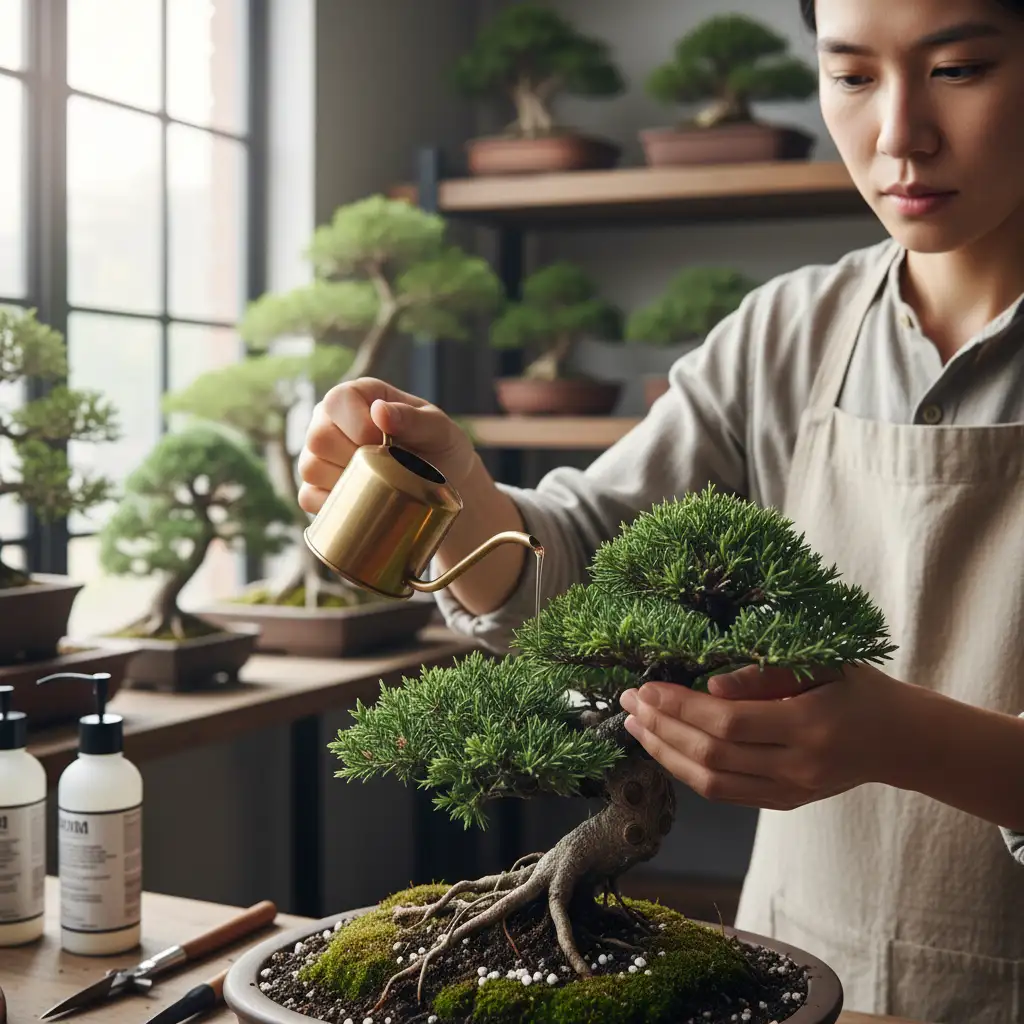
- Watering: Always fertilize a moist plant. Never apply fertilizer to dry soil, as this can burn the roots. Water your bonsai thoroughly before fertilizing.
- Drainage: Ensure your bonsai pot has excellent drainage. Good drainage, a key consideration when Choosing Bonsai Pots for NZ Natives: Function & Form, prevents salt buildup from fertilizers.
- Avoid Over-Fertilization: It’s better to under-fertilize slightly than to over-fertilize. Signs of over-fertilization include burnt leaf tips or sudden leaf drop.
For more detailed information on plant nutrients, you can consult resources like Wikipedia’s Plant Nutrition page.
Selecting the Best Bonsai Fertilizer Brands
With many options available, choosing the right fertilizer can feel overwhelming. Focus on your bonsai’s specific needs.
Factors to Consider
Think about these points when making your choice:
- Bonsai Species: Different species have different needs. A Japanese black pine might prefer a different feeding regime, which often includes a unique Pine Bonsai Watering Schedule, than a Ficus.
- Growth Stage: Young trees needing rapid growth will benefit from higher nitrogen. Older, established trees might need a more balanced feed.
- Soil Type: Some soil mixes hold nutrients better than others. This can influence your feeding frequency.
- Convenience: Do you prefer the ease of liquid feed or the slow-release benefits of solid pellets?
Popular Choices
While we don’t endorse specific commercial products, many trusted bonsai fertilizer brands offer general-purpose slow-release organic pellets, well-balanced liquid feeds, and specialized formulas for different stages of growth or tree types. Look for brands that are specifically marketed for bonsai, as they are formulated with the unique needs of these miniature trees in mind.
By carefully selecting and applying the correct fertilizers, you contribute greatly to the health and beauty of your bonsai. Regular and thoughtful nutrition will ensure your tree thrives for many years.