Choosing the Best Bonsai Tools for Styling
bonzai.co.nz
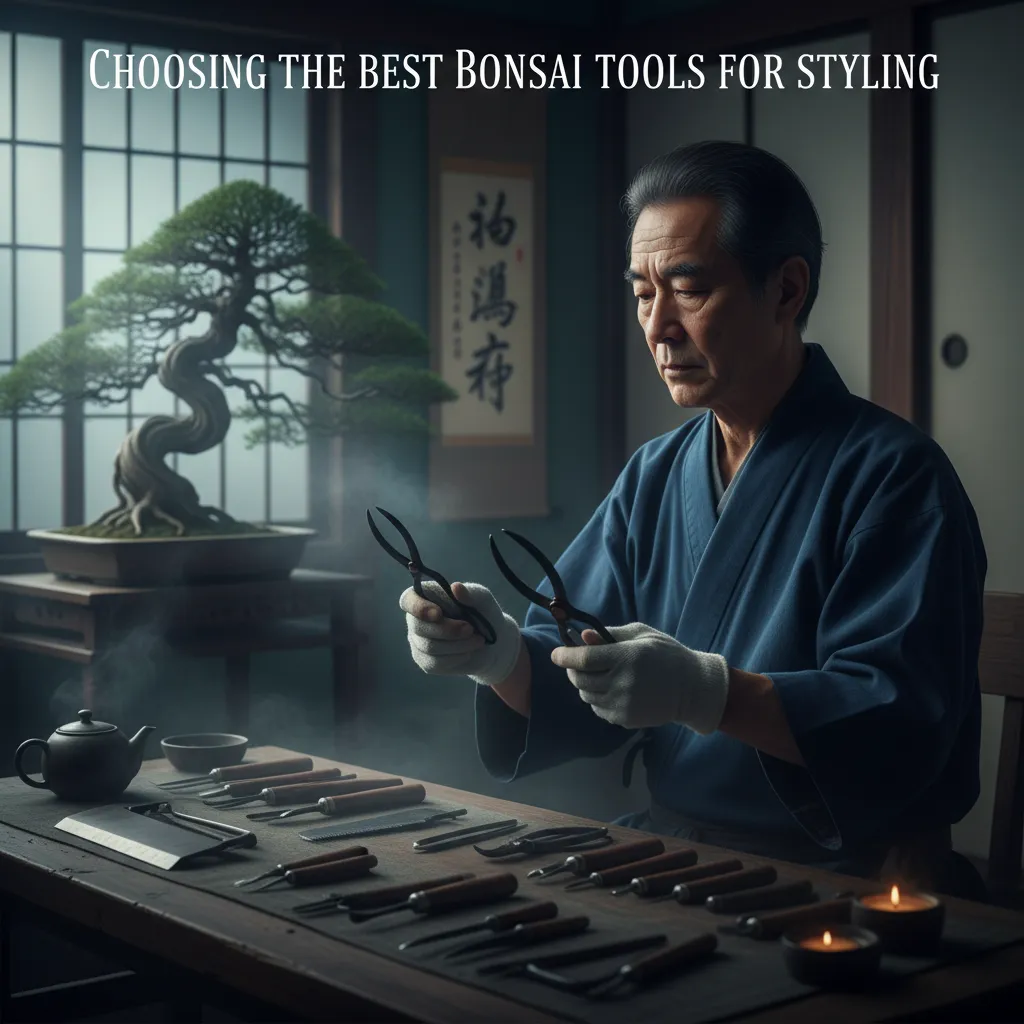
Selecting the best bonsai tools is crucial for successful styling and long-term tree health. These specialized implements allow for precise cuts, delicate shaping, and intricate detail work, preventing damage, such as from Common Pests of NZ Native Bonsai: Identification & Organic Solutions, and promoting proper growth for your miniature trees.
Bonsai is an ancient art form blending horticulture and aesthetics. The right equipment is essential. Best bonsai tools perform specific tasks, ensuring tree health and beauty. Improper tools cause irreversible damage. Choosing wisely is key to your success and the longevity of your miniature trees.
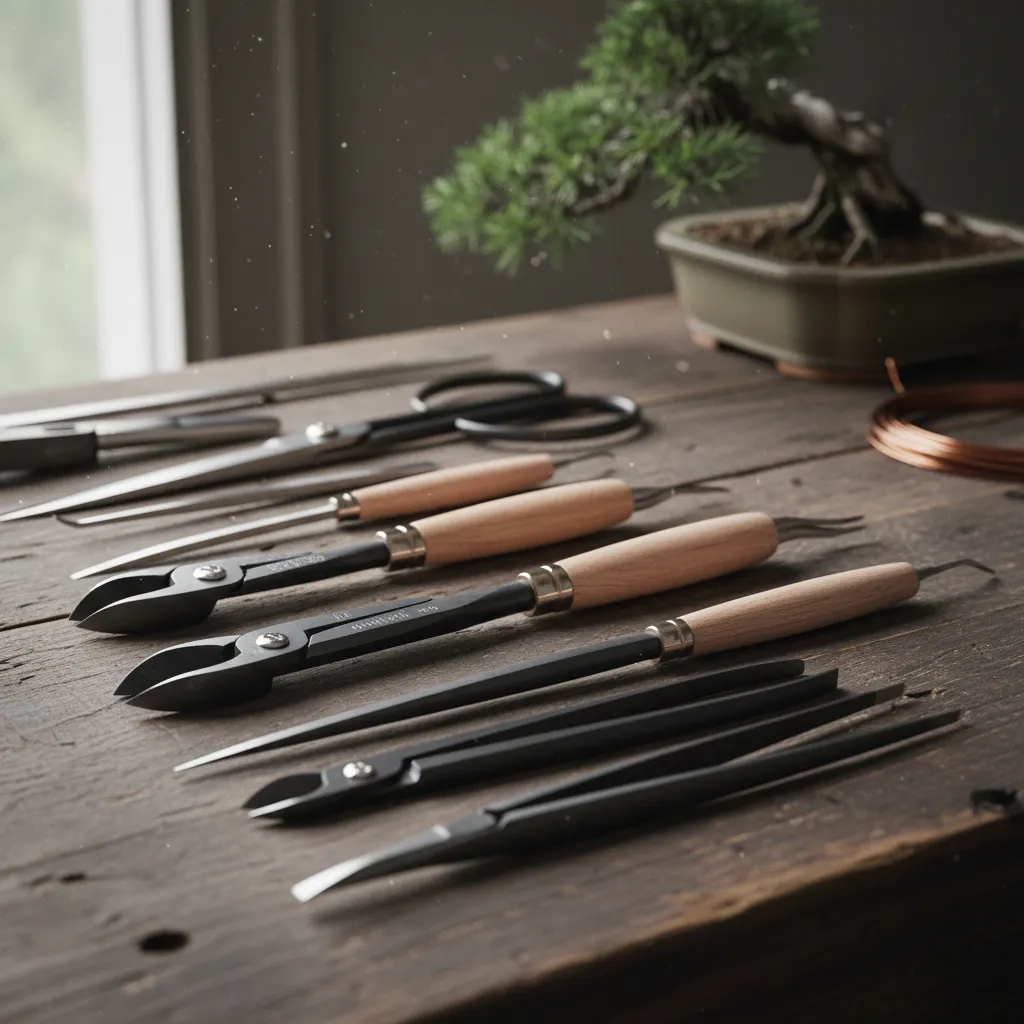
Table of Contents
- Essential Tools for Bonsai Styling
- Selecting Quality Implements
- Tool Maintenance Tips
- Advancing Your Bonsai Journey with the Right Tools
- Conclusion
- References
Essential Tools for Bonsai Styling
Creating stunning bonsai requires specialized instruments. Each tool serves a unique purpose for tree design and health. From tiny leaves to thick branches, the right tool makes a significant difference. Building your toolkit begins with understanding each tool’s critical function and how it contributes to the overall health and aesthetic of your bonsai.
Concave Cutters
Concave cutters are indispensable for achieving superior cuts. They are specifically designed to make spherical, concave cuts when removing branches. This unique cutting action promotes faster healing and prevents unsightly scars, which is vital for maintaining the aesthetic integrity of your bonsai. Unlike standard shears, concave cutters create a hollow, allowing the bark to grow over smoothly, making wounds nearly invisible. These are undoubtedly among the best bonsai tools for serious enthusiasts. High-carbon steel models offer exceptional durability and a sharp edge.
Branch Cutters
Branch cutters handle heavier tasks, cleanly severing larger branches with ease. While concave cutters are used for finishing cuts and refining wounds, branch cutters perform the initial, larger removals. It is crucial to choose a size appropriate for the thickness of the branches you intend to cut. Always cut just beyond the branch collar to encourage healthy regrowth. These tools are crucial for major structural bonsai styling and shaping.
Knob Cutters
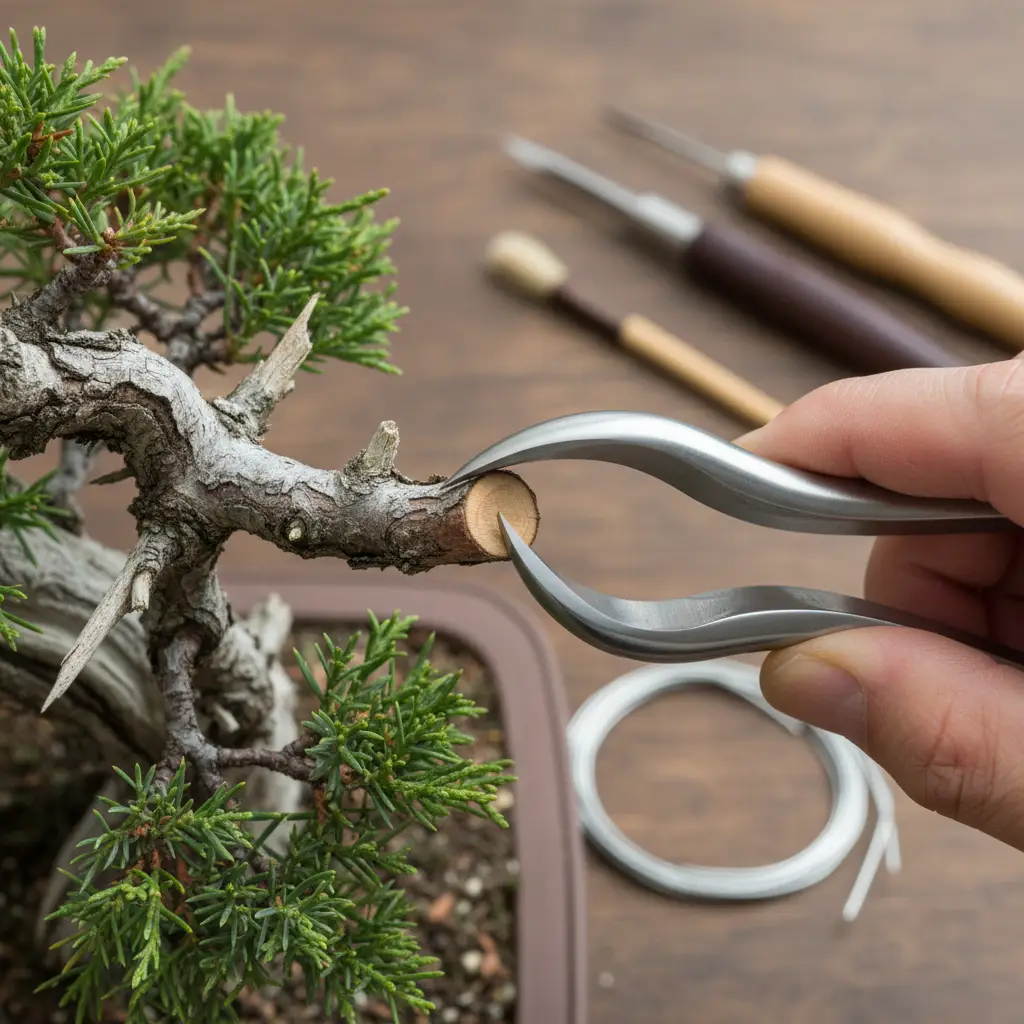
Knob cutters feature rounded, spoon-like blades. Their primary purpose is to remove unsightly knobs, stumps, or root scars left behind from previous cuts or natural growth. Similar to concave cutters, they create a hollow depression that allows for flat, seamless healing. These tools are essential for refining the trunk line and improving the overall aesthetic flow and natural appearance of your bonsai. For advanced species-specific care, addressing these imperfections significantly enhances the tree’s beauty.
Wire Cutters
Bonsai wire cutters are specially designed to safely remove aluminum or copper styling wire from your trees. Their rounded heads prevent accidental bark damage when snipping wire close to the branch. This precision is absolutely vital, as nicks or gouges can scar the tree permanently, diminishing its beauty and health. Correct wire cutters protect both your tree and your styling efforts. They are an essential part of any collection of best bonsai tools for shaping and guiding growth.
Jin Pliers
Jin pliers are versatile, multi-purpose tools for creating dramatic artistic effects. They are used to strip bark, bend heavy wire, and create jin (deadwood) effects on branches or trunks. Their strong, serrated jaws provide excellent grip and control. Jin and shari are advanced techniques that give a bonsai an aged, weathered, and dramatic look. These pliers allow you to precisely tear and twist wood fibers, simulating natural deadwood created by harsh elements, adding profound character to your tree.
Shears (Pruning, Bud & Leaf)
Various types of shears are fundamental for daily maintenance and detailed work.
- Pruning Shears: These are general-purpose shears used for removing smaller branches, performing root pruning, and tasks requiring a longer reach.
- Bud & Leaf Shears: Featuring fine, pointed tips, these shears are perfect for precision defoliation, removing unwanted buds, and trimming new growth. This focused trimming directs the tree’s energy efficiently, promoting denser ramification and desired shapes.
A good set of high-quality shears is non-negotiable for routine bonsai care, enabling the detailed work that ensures immediate visual improvement and long-term health.
Tweezers & Spatula
Small, pointed tweezers are invaluable for removing tiny weeds, dead leaves, or other debris that can accumulate on the soil surface or within dense foliage. Many tweezers also include a spatula on the opposite end, which can be used to gently loosen soil, adjust moss, or perform other delicate tasks. These tools highlight the meticulous detail and careful attention required in bonsai care.
Grafting Knives
Grafting knives are essential for propagation or repair through grafting techniques. They feature extremely sharp, thin blades designed for making precise, clean cuts in plant tissue. A clean cut is vital for successful union between the scion (the cutting) and the rootstock, which is an advanced horticultural technique used to introduce new features or repair damage on a bonsai.
Potting Tools & Rakes
Repotting bonsai requires specific tools to ensure the tree’s health and ease of work.
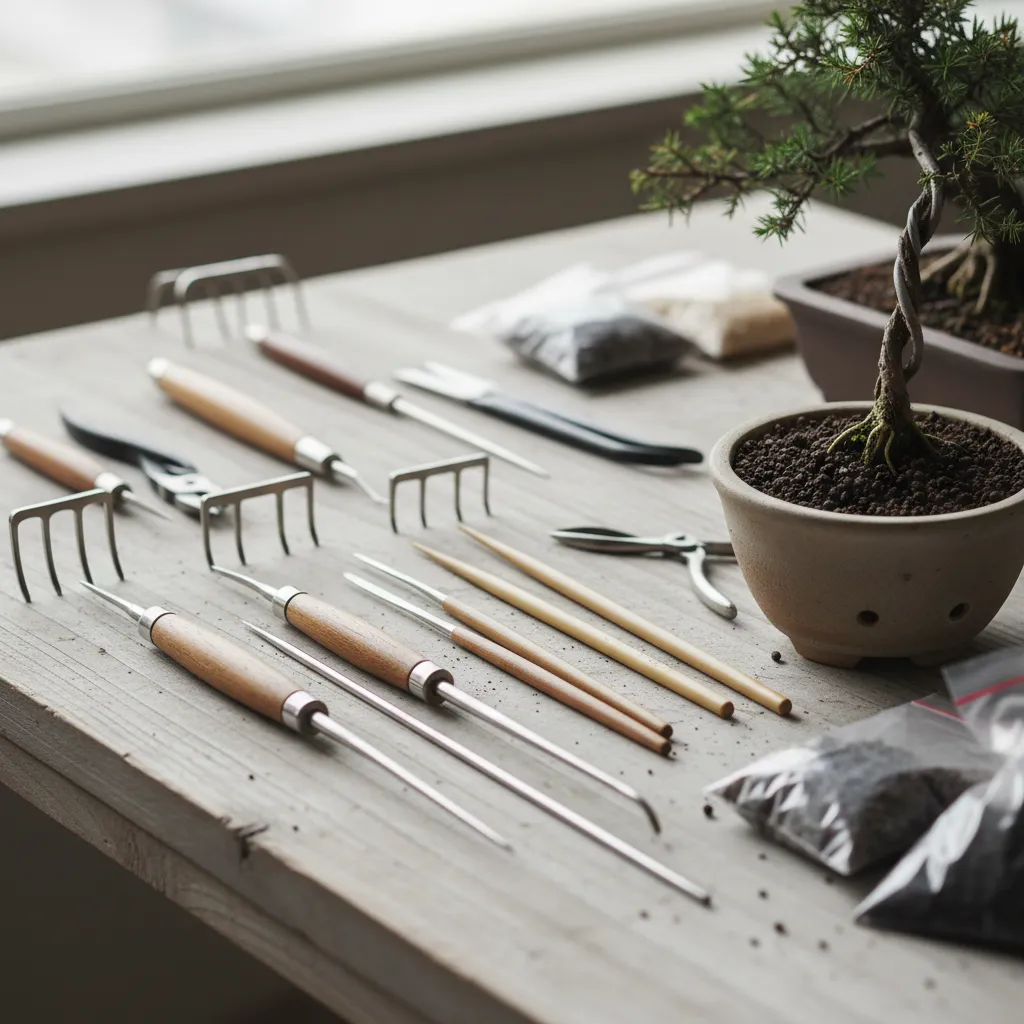
- Root Hooks/Rakes: These tools are used to gently loosen and untangle roots during repotting, minimizing damage to the delicate root system.
- Chopsticks/Spatulas: After placing the tree in its new pot, chopsticks or spatulas are used to carefully work new soil into the root ball, eliminating air pockets. This is crucial for Bonsai Soil, Fertilization & Nutrition, ensuring proper root development and overall tree vigor.
These tools are indispensable for maintaining optimal root health and facilitating the repotting process.
Selecting Quality Implements
Investing in high-quality bonsai tools is paramount for both your enjoyment and the health of your trees. Quality implements perform better, last significantly longer, and stress your trees less due to cleaner cuts and precise handling. While they may represent a higher initial cost, quality tools are a sound investment in your bonsai journey, providing trust signals through their durability and unparalleled precision.
Materials: Stainless vs. Carbon Steel
The material of your bonsai tools profoundly impacts their performance and longevity.
- High-Carbon Steel: Known for exceptional sharpness and its ability to hold a keen edge, carbon steel is very strong. However, it is prone to rust and requires diligent care and regular oiling to prevent corrosion.
- Stainless Steel: Offers superior rust resistance and easier maintenance, making it a popular choice, especially in humid climates. Good quality stainless steel tools are highly effective and remain a favorite for many bonsai artists.
Your choice should be based on your budget, local climate, and your commitment to tool maintenance.
Ergonomics and Feel
Comfort is a crucial, yet often overlooked, factor, especially during long styling sessions. Good bonsai tools should feel balanced and comfortable in your hand, allowing for precise control without causing hand fatigue. It is always recommended to hold and test tools before purchasing, if possible, to assess their weight, grip, and overall feel. This personal connection with your tools can significantly improve your styling outcomes and enjoyment.
Brands and Reputation
Always research reputable brands when purchasing bonsai tools. Established manufacturers typically produce durable, high-performing tools that have been proven over time. Reviews from other bonsai enthusiasts and expert recommendations offer valuable insights into a brand’s quality and reliability. High-end tools, though potentially more costly upfront, often justify the expense through their longevity and superior performance, solidifying their position among the best bonsai tools available.
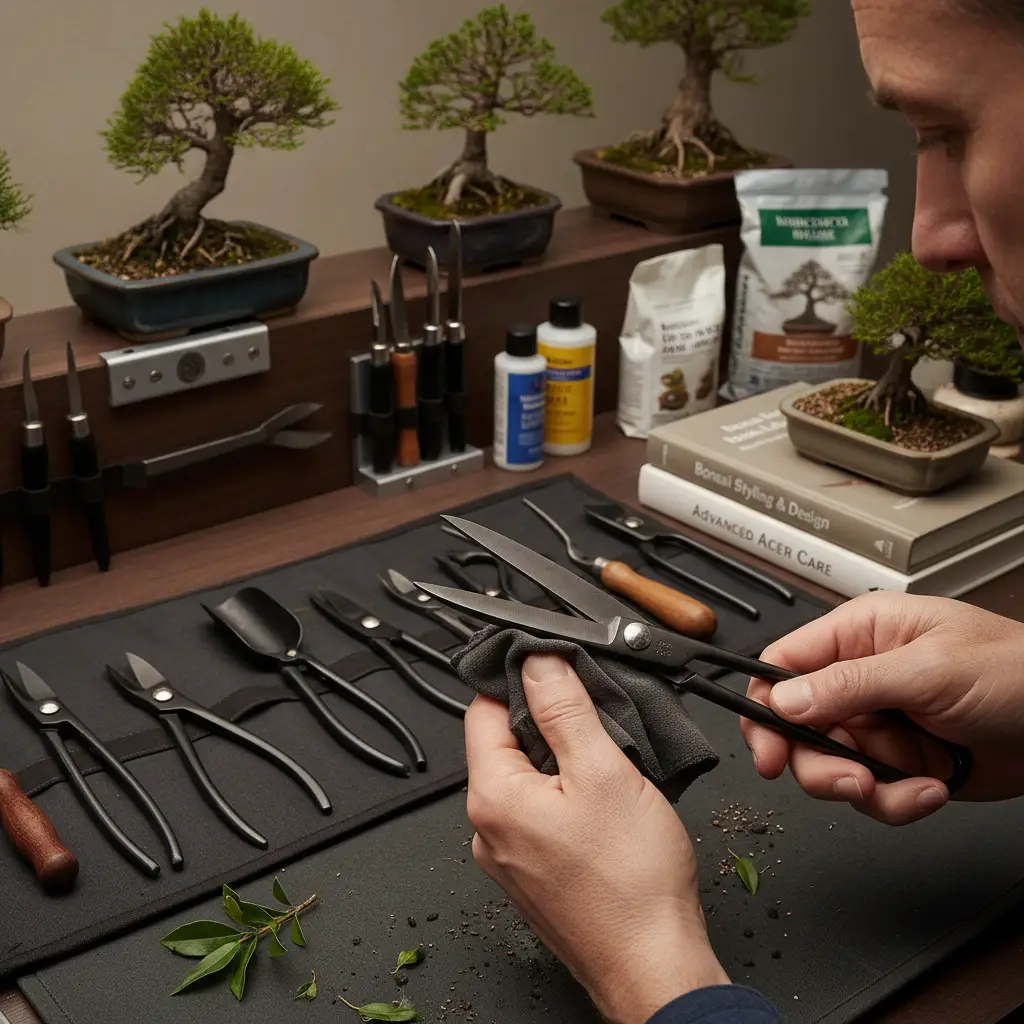
Tool Maintenance Tips
Proper care and maintenance of your bonsai tools are essential for extending their lifespan and ensuring their continued effectiveness. Well-maintained tools make cleaner, more precise cuts, which is vital for the rapid healing and overall health of your trees. Neglecting your tools will quickly lead to dull blades, rust, and potential damage, compromising your ability to work effectively.
Cleaning After Each Use
It is imperative to clean your tools thoroughly after every styling or pruning session. Tree sap and resin can quickly build up on blades, dulling them and making subsequent cuts less effective. Use a stiff brush or a specialized tool cleaner to remove debris. Denatured alcohol or commercial sap remover works effectively. Ensure all surfaces are completely clean and dry before storing your tools. This practice prevents the transfer of bacteria and maintains blade sharpness.
Sharpening for Precision
Dull tools are detrimental to your bonsai’s health; they tear and crush plant tissue, causing ragged wounds that heal slowly and invite Identifying & Treating Common Bonsai Diseases. Regularly sharpen your tools using appropriate sharpening stones or files. Concave and knob cutters, due to their unique shapes, may require specific sharpening techniques or even professional sharpening. Sharp tools ensure precise, clean cuts, which are fundamental to effective bonsai styling and promote optimal tree recovery.
Proper Storage
Always store your bonsai tools in a dry environment to prevent rust and corrosion. A dedicated tool roll, box, or case keeps them organized, protected from damage, and easily accessible. Canvas or leather rolls are excellent as they allow for some air circulation while protecting the blades. Proper storage ensures your best bonsai tools remain in pristine condition and are always ready for use.
Rust Prevention
For carbon steel tools, apply a light coat of camellia oil or another non-toxic oil after cleaning and drying. This creates a protective barrier against moisture. Even stainless steel can develop rust spots in high humidity, so a light oiling adds an extra layer of protection. Regular oiling provides significant long-term benefits, preserving the integrity and performance of your valuable tools.
Advancing Your Bonsai Journey with the Right Tools
Mastering bonsai is a continuous and rewarding journey. The right tools are steadfast companions, enabling precision and artistry. As your skills grow, you’ll explore more specialized techniques, such as Bonsai Styles Explained: Upright, Slanting, Cascade, and NZ Yamadori Principles: Ethical Collection & Cultivation of Wild Stock, and find the exact implements that suit your evolving practice. This progression includes delving into Caring for Juniper Bonsai: Advanced Techniques, understanding how different tree types respond to styling and pruning. For instance, a delicate juniper might require finer shears than a robust ficus.
Beyond tools, a holistic understanding of bonsai involves comprehensive seasonal care guides, such as Spring Care for Bonsai SH, and proper Basic Bonsai Watering Techniques, ensuring your trees thrive year-round. Repotting, a crucial aspect of seasonal care, directly benefits from careful use of root hooks and spatulas to maintain root health. Engaging with these deeper aspects of bonsai art, from historical context to artistic display, enhances both your expertise and creative expression. The longevity and aesthetic quality of your trees, and the trust signals they convey, are built through their health and the precise work achieved with excellent tools.
Conclusion
Choosing the best bonsai tools is foundational to your success in this intricate art form. From precise concave cutters that promote seamless healing to delicate bud shears for detailed foliage work, each tool plays a critical role in shaping and maintaining your miniature trees. Investing in quality, understanding their specific uses, and committing to diligent maintenance will profoundly enhance your styling capabilities and overall satisfaction.
Your tools are an extension of your artistic vision. Treat them with care and respect, and they will consistently help you create living masterpieces for years to come.
References
For further reading and in-depth understanding of bonsai techniques and tools, consult these reputable sources:
- Wikipedia: Bonsai tools – A comprehensive overview of various bonsai implements.
- Bonsai Empire – A leading resource for all aspects of bonsai cultivation and care.