Basic Bonsai Watering Techniques
bonzai.co.nz
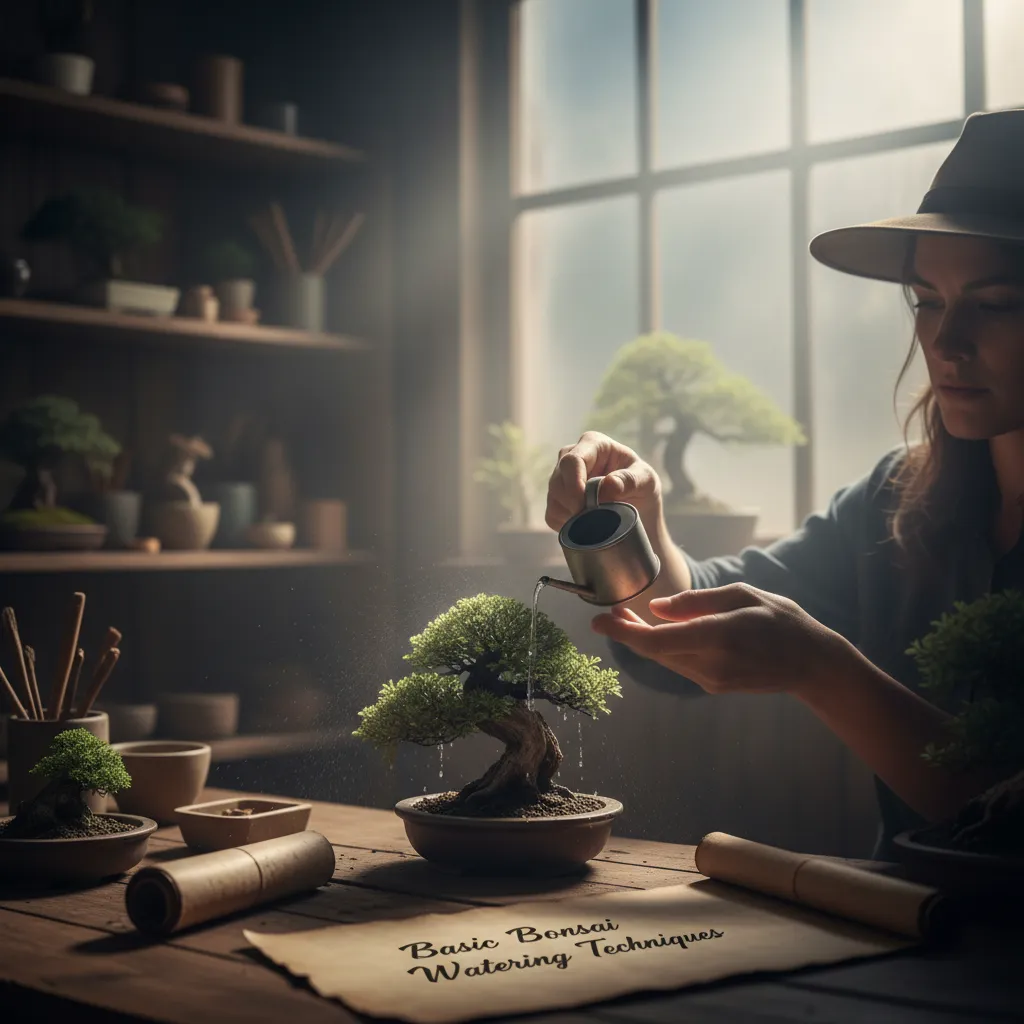
Nailing how to water bonsai is the most critical skill for any enthusiast. Proper watering ensures your bonsai tree absorbs vital nutrients, prevents root rot, and supports healthy growth. It’s not just about pouring water; it’s about understanding your tree’s needs and its environment.
The art of bonsai cultivation is deeply rewarding. However, many beginners find themselves struggling with one fundamental aspect: watering. Understanding how to water bonsai correctly is more important than almost any other care routine. It dictates the health and longevity of your miniature tree. Too much water can lead to root rot, while too little can cause dehydration and death. Finding the right balance is key. This guide will walk you through the precise techniques and considerations for keeping your bonsai perfectly hydrated.
When to Water Your Bonsai
Knowing exactly when to water your bonsai is crucial. It’s not about following a strict schedule, but rather observing your specific tree and its environment. Different factors, such as the bonsai species, the pot size, and the weather, all influence how quickly the soil dries out.
Visual Cues
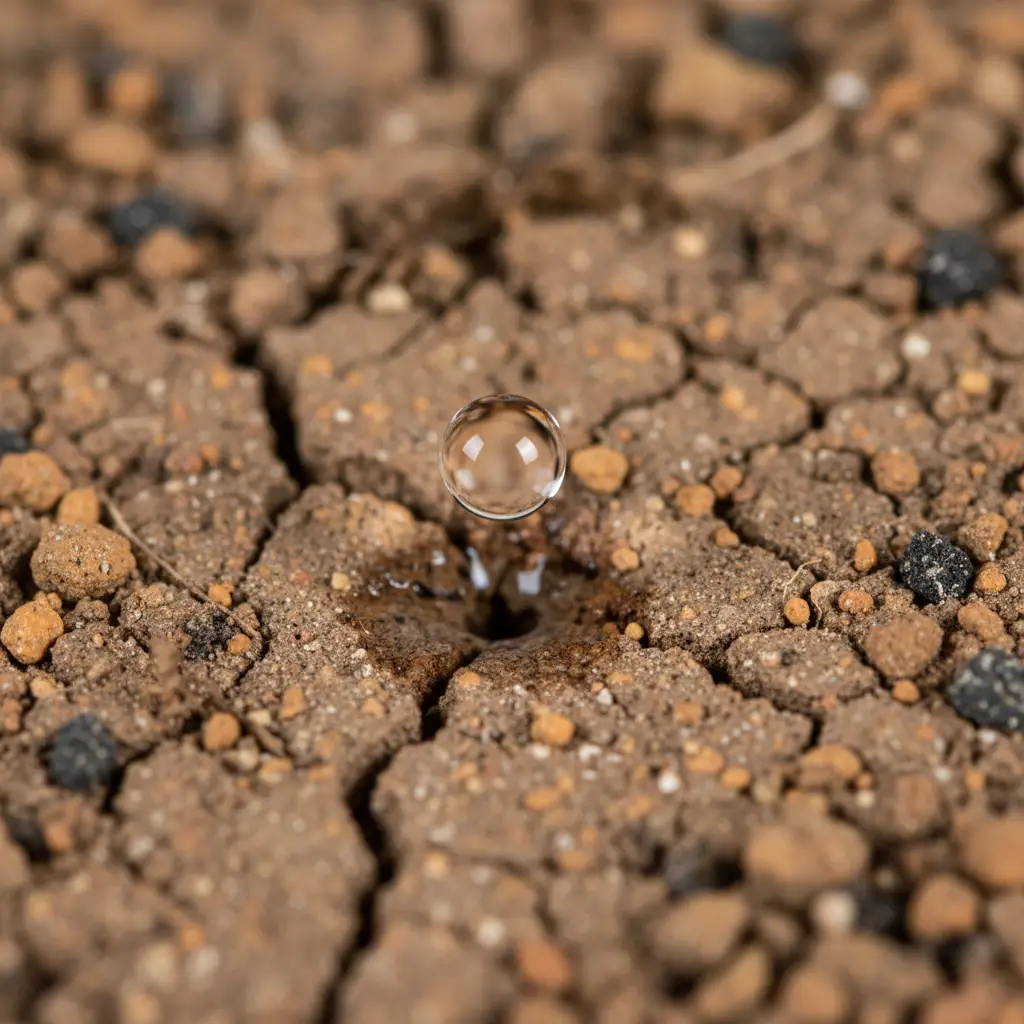
One of the simplest ways to tell if your bonsai needs water is by looking at the soil surface. When the soil begins to lighten in color and appears dry, it’s often time to water. However, this is just a surface indicator; the soil underneath might still be moist. Always confirm with other methods.
Weight Method
A surprisingly effective technique for discerning when to water your bonsai is by lifting its pot. After a thorough watering, lift your bonsai and feel its weight. Over time, you will learn to recognize the difference between a heavy, well-watered pot and a lighter, dry pot. This method gives a good overall indication of moisture levels.
Finger Test
The most reliable method for checking soil moisture is the finger test. Insert your finger about half an inch to an inch into the soil. If it feels dry at this depth, it’s time to water. If it still feels cool and damp, wait another day or so before checking again. This prevents overwatering and ensures the roots are not constantly saturated.
How Much Water is Enough?
Once you’ve determined that your bonsai needs water, the next question is how much to give it. The goal is to thoroughly saturate the entire root ball. This ensures all roots receive adequate moisture, promoting vigorous growth and nutrient uptake, which are essential for developing detailed Ramification and Fine Branching in Bonsai. This is another vital aspect of understanding how to water bonsai properly.
Thorough Soaking
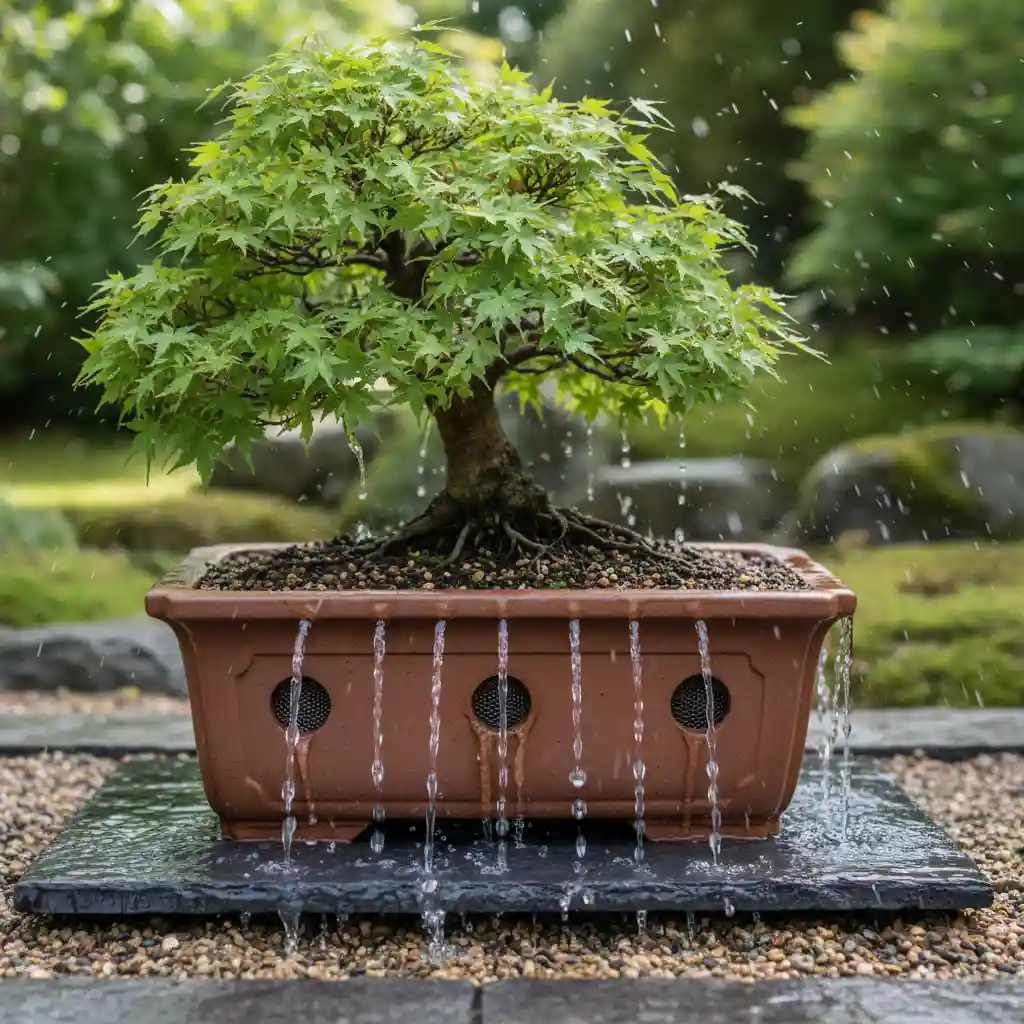
When watering, continue until water freely drains from the drainage holes at the bottom of the pot. Don’t be shy; a good soak is necessary. Many experts recommend watering once, waiting a few minutes for the water to drain and absorb, and then watering a second time. This ensures deep saturation.
Drainage Matters
Excellent drainage is paramount for bonsai health. Your bonsai pot should always have sufficient drainage holes. If water pools on the surface for an extended period, or if the soil stays saturated for days, your drainage may be poor. This can lead to serious issues like root rot, which is often fatal for bonsai trees, or pest problems such as Aphids on Bonsai Treatment.
Effective Bonsai Watering Methods
There are several techniques for delivering water to your bonsai. Each has its advantages and can be used depending on your tree’s specific needs and your environment.
Top Watering
This is the most common method. Use a fine-rosed watering can to gently apply water to the soil surface. This prevents washing away the soil and disturbing the delicate surface roots. Water slowly and evenly across the entire surface until it drains from the bottom. This method is generally sufficient for most bonsai trees.
Bottom Watering
For very dry soil that has become hydrophobic (repelling water), or for newly repotted bonsai, bottom watering can be beneficial. Place the bonsai pot in a shallow tray or basin filled with water, allowing the soil to absorb moisture from the bottom up. Remove the pot once the surface soil appears moist. This method ensures thorough saturation without disturbing the soil surface.
Misting
Misting is often misunderstood. While it can temporarily raise humidity around your bonsai, it does not replace proper soil watering. Misting can be useful for tropical species that enjoy higher humidity, or for encouraging moss growth on the soil surface. Beyond watering, for an enriched aesthetic, explore Companion Plants & Display Elements for a True NZ Bonsai Scene. However, always ensure the soil itself is adequately watered using the other methods.
Factors Influencing Watering Needs
Understanding these variables will help you fine-tune your watering regimen.
Bonsai Species
Different bonsai species have varying water requirements. For example, deciduous trees like Japanese maples often need more water during their growing season than conifers. Tropical bonsai may need more consistent moisture than desert species. Research your specific tree’s needs, and to understand the visual artistry involved, check out Bonsai Styles Explained: Upright, Slanting, Cascade, including practical tips for Creating Cascade and Semi-Cascade Bonsai Styles.
Pot Size and Material
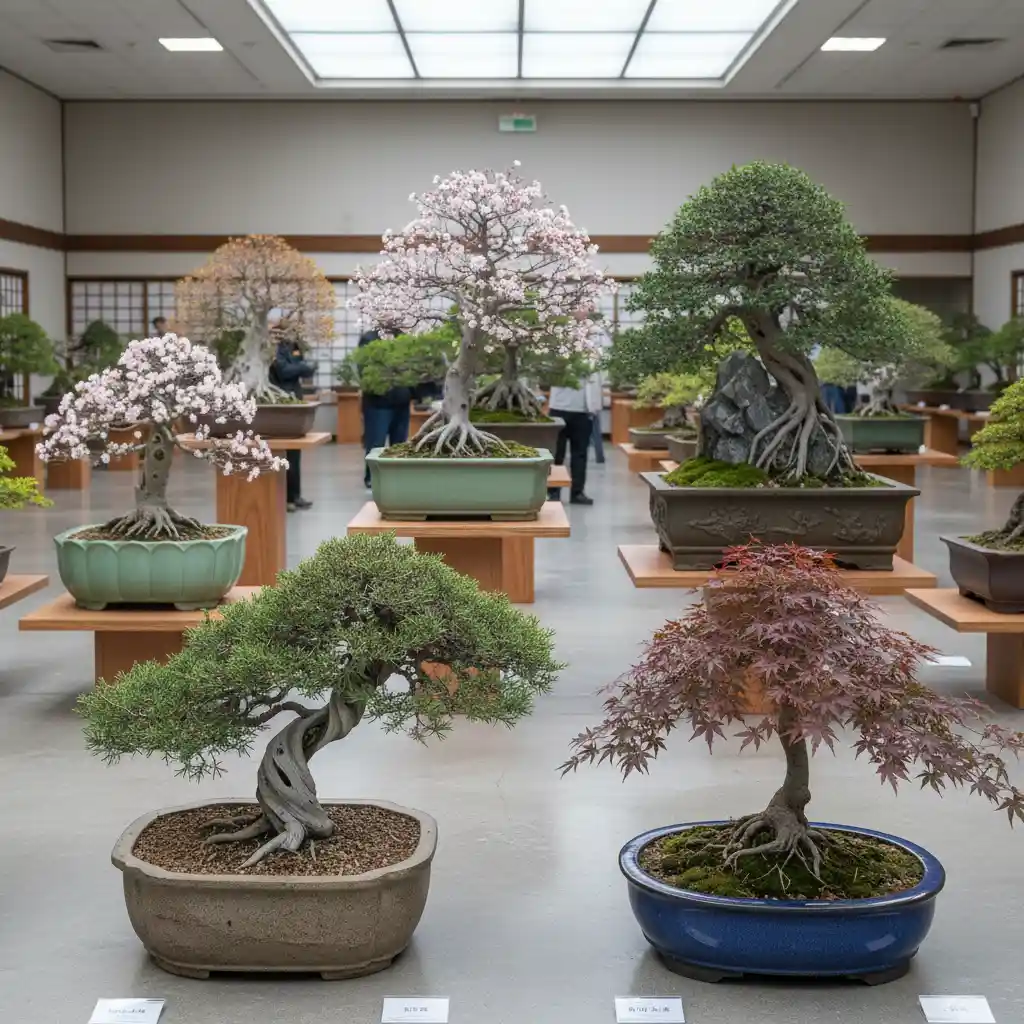
Smaller pots dry out much faster than larger ones. Unglazed ceramic pots are more porous and allow water to evaporate quicker than glazed pots. The material and size of your bonsai pot significantly impact its watering frequency. Pay close attention to these details.
Climate and Season
Hot, windy, or dry climates will necessitate more frequent watering. During summer, your bonsai might need water daily, sometimes even twice a day. In contrast, during cooler, humid conditions or winter dormancy, watering frequency will decrease significantly. Adjust your schedule seasonally.
Soil Type
Bonsai soil mixes are specifically formulated for excellent drainage. A gritty, well-draining soil will dry out faster than a dense, organic soil. Using the correct bonsai soil mix is critical for effective watering and preventing waterlogging. Learn more about Bonsai Soil, Fertilization & Nutrition from a reputable source like Wikipedia on Bonsai Soil.
Common Watering Mistakes to Avoid
Even experienced enthusiasts can make mistakes. Here are some pitfalls to steer clear of when learning how to water bonsai:
- Overwatering: This is the most common cause of bonsai death. It leads to root rot, suffocating the roots. Always check soil moisture before watering.
- Underwatering: Allowing the soil to become bone dry for too long can severely stress or kill your tree. Wilting leaves are a sign of severe underwatering.
- Shallow Watering: Only watering the surface encourages roots to stay near the top, making the tree less resilient. Always water thoroughly until drainage occurs.
- Using Hard Water: Hard water can lead to mineral buildup in the soil over time. If possible, use rainwater or filtered water.
- Ignoring Environmental Factors: Not adjusting watering based on temperature, humidity, and wind can quickly lead to problems.
Mastering how to water bonsai is a journey of observation and practice. It requires patience and a keen understanding of your tree’s unique signals. By following these basic techniques and paying close attention to your bonsai’s needs, you will cultivate healthy, vibrant miniature trees for years to come. Remember, consistency and careful observation are your best tools in this rewarding endeavor. For comprehensive seasonal guidance, exploring Spring Care for Bonsai SH can further enhance your cultivation journey.