Choosing Bonsai Pots for NZ Natives: Function & Form
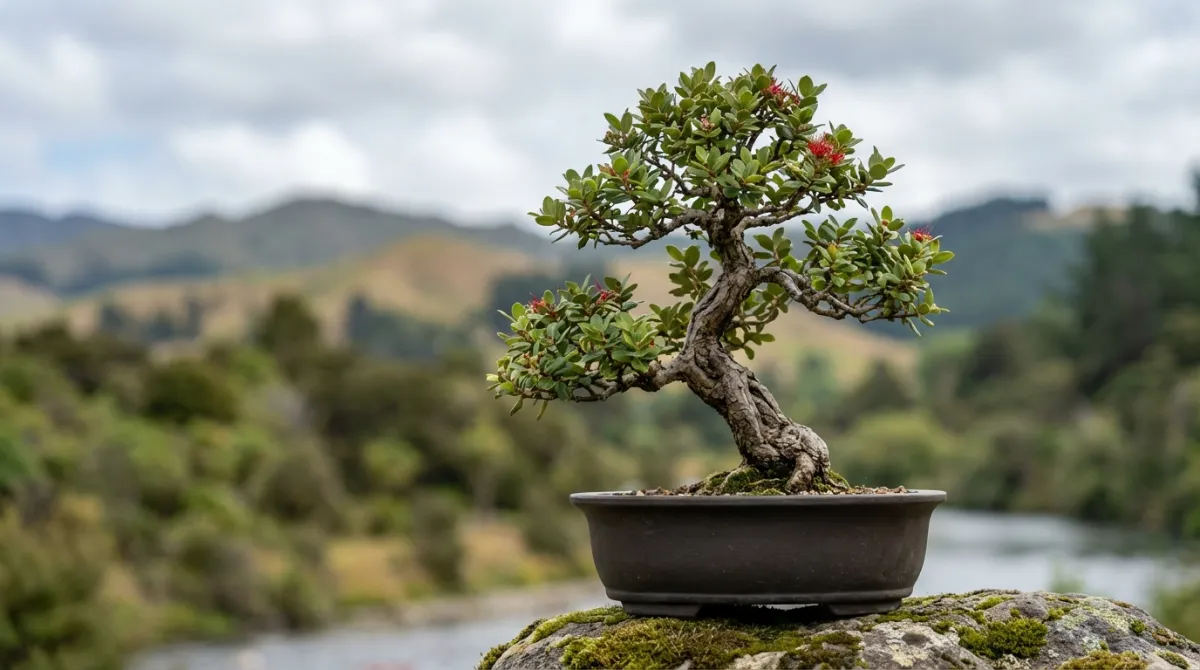
What You Will Learn
Discover how to choose the perfect bonsai pots for NZ native trees. Learn about materials, drainage, matching styles, and local potters for high-ranking aesthetic refinement.
Choosing Bonsai Pots for NZ Natives: Function & Form
Unlock the secret to perfecting your New Zealand native bonsai display by understanding the crucial role of the right pot. We delve into how to select the ideal bonsai pots NZ native species thrive in, balancing aesthetics with essential practicalities.
The Role of the Pot in Bonsai Display
In the intricate art of bonsai, the pot is far more than just a container for Bonsai Soil, Fertilization & Nutrition and roots. It is an integral component of the overall composition, a silent partner that profoundly influences the perception and aesthetic harmony of your miniature tree. For NZ native bonsai pots, this relationship is particularly critical, as the pot must complement the tree’s unique character and the often-robust nature of our indigenous species.
A well-chosen pot enhances the tree’s form, colour, and texture, creating a balanced visual statement. It frames the living art, drawing the viewer’s eye and completing the illusion of a mature tree in miniature. Without the right pot, even the most exquisitely trained native bonsai can feel incomplete or out of place.
“The pot is the frame that holds the living painting, grounding the tree and accentuating its natural beauty.”
Material and Drainage Considerations for NZ Climate
New Zealand’s climate presents unique challenges and opportunities for bonsai cultivation. While this article focuses on natives, understanding the nuances of Tropical Bonsai Trees: Care in Colder Climates can offer broader insights into environmental adaptation. High rainfall in some regions and the distinct growing patterns of native species mean that material and drainage are paramount when selecting bonsai pots NZ native trees will thrive in. The pot must facilitate healthy root development while withstanding environmental conditions.
Key Pot Materials and Their Suitability:
Unglazed Ceramic
- Pros: Excellent porosity, allows roots to breathe, traditional aesthetic, wide range of earthy colours. Ideal for most natives, especially those preferring slightly drier conditions between waterings.
- Cons: Can dry out faster in hot, windy conditions; more prone to frost damage if not fired correctly.
Glazed Ceramic
- Pros: Retains moisture longer (useful for thirsty natives), vibrant colours and finishes, easy to clean, highly frost resistant. Adds a formal or decorative touch.
- Cons: Less air circulation for roots, can lead to waterlogging if drainage is poor or watering is excessive.
Plastic/Training Pots
- Pros: Inexpensive, lightweight, durable, excellent drainage due to multiple holes, ideal for initial training stages.
- Cons: Lacks aesthetic appeal for display, can degrade over time with UV exposure.
Concrete/Stone
- Pros: Extremely durable, heavy and stable, good for very large or exposed trees. Natural, rugged look.
- Cons: Very heavy, limited aesthetic options, can be expensive.
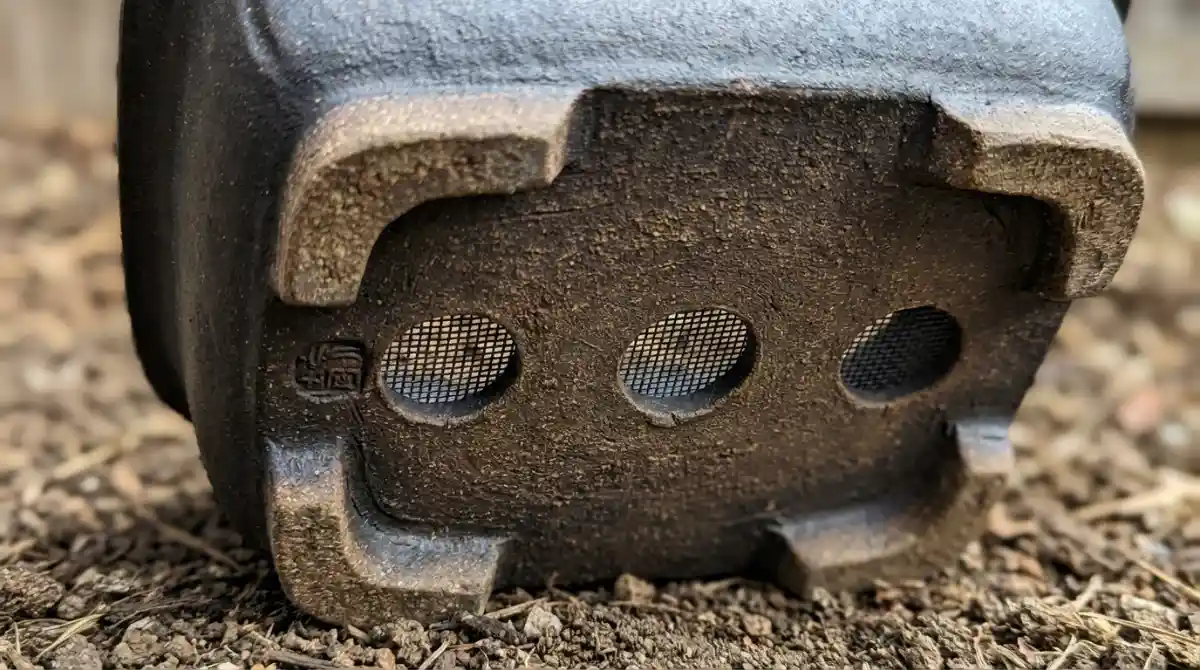
Careful consideration of these material properties, along with the specific needs of your tree, is crucial for establishing an effective Pine Bonsai Watering Schedule tailored to the NZ climate. Regardless of material, superior drainage is non-negotiable. Ensure your chosen pot has generously sized drainage holes to prevent root rot, a common issue in NZ’s often damp environment. Pot feet are also crucial, lifting the pot slightly to improve airflow underneath and prevent the drainage holes from becoming blocked.
Matching Pot Style to Native Tree Form
Selecting the right pot style is an art form in itself, especially when working with the distinctive characteristics of NZ native trees. Each species has a natural form and vigour that the pot should harmoniously complement. Here’s a step-by-step guide to achieving that perfect pairing for your bonsai pots NZ native specimens.
1. Understand Your Native Species’ Natural Form
Before you even look at pots, spend time observing the natural growth habit of your specific native tree. Is it a sprawling Pohutukawa, a tall and elegant Kahikatea, or a dense, ancient Rimu? The pot should echo or subtly contrast these inherent qualities.
2. Consider the Tree’s Age and Stage of Development
Younger, developing trees (including those created through techniques like Air Layering for New Bonsai Trees) often do well in simpler, slightly larger training pots, allowing for vigorous root growth. Mature, refined display trees demand a pot that exudes timeless elegance and reinforces their established form. Deep pots are often suitable for natives with strong taproots or those in early development, while shallower pots are reserved for highly refined specimens.
3. Evaluate Pot Shape & Depth
- Rectangular/Oval: Classic choices for upright (chokkan) or informal upright (moyogi) styles. Oval pots soften the overall appearance, often pairing well with flowing, feminine forms.
- Round/Square: Often used for more dramatic, masculine trees or forest groupings. Round pots are excellent for cascade (kengai) or semi-cascade (han-kengai) styles, where the tree extends over the pot’s edge.
- Shallow/Deep: Shallow pots emphasize maturity and a well-developed nebari (root flare). Deeper pots provide more room for root development and are often chosen for cascade styles or species that appreciate more soil volume.
4. Select Appropriate Colour & Texture
For most native species, natural, earthy tones tend to work best. Unglazed pots in browns, greys, or terracotta hues allow the tree to be the star. Glazed pots can be appropriate for flowering natives (like certain Hebes) or those with strong autumnal colours, where a complementary glazed colour can draw out these features. Textures should generally align with the tree’s bark – rugged pots for rugged bark, smoother for delicate. Remember, the pot should never overpower the tree.
5. Ensure Visual Balance
The pot’s width should typically be about two-thirds the height of the tree, and its depth should be roughly equal to the tree’s trunk diameter at the base. These are guidelines, not strict rules, but they provide a starting point for achieving proportional harmony. The goal is a visual weight that feels stable and pleasing to the eye.

Local NZ Potters & Unique Designs
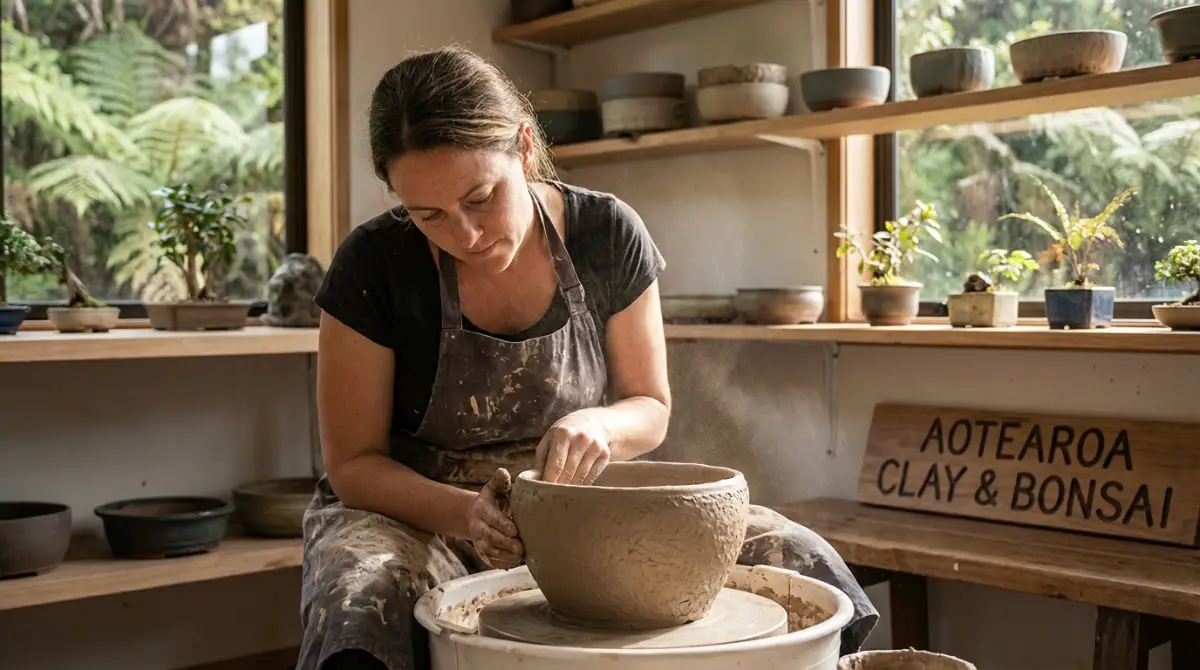
One of the greatest joys of cultivating NZ native bonsai is the opportunity to support and integrate local craftsmanship. New Zealand is home to a vibrant community of ceramic artists, some of whom specialise in or are highly adept at creating exquisite bonsai pottery. These artisans often draw inspiration from the unique textures and colours of the New Zealand landscape, resulting in truly unique pieces that resonate with our native flora.
Investing in pots from local NZ potters means you’re not just getting a container; you’re acquiring a piece of art that is often specifically designed with the local climate and native plant characteristics in mind. Many local potters understand the need for robust drainage, frost resistance, and glazes that complement the subtle beauty of native foliage.
- Custom Creations: Local potters can often create custom sizes, shapes, and glazes to perfectly match a particular tree or vision you have.
- Unique Aesthetics: Discover pots with glazes inspired by our rivers, mountains, and forests, or forms that echo indigenous art.
- Durability: Many local potters use high-fired stoneware or porcelain, ensuring longevity and resistance to New Zealand’s varied weather conditions.
Caring for Your Bonsai Ceramics
Once you’ve selected the perfect bonsai pots NZ native trees need, proper care, including essential seasonal tasks like Spring Care for Bonsai SH, is essential to ensure their longevity and maintain their aesthetic appeal. Good ceramic care not only preserves the pot but also contributes to preventing issues like Bonsai Branch Dieback Causes and addressing common problems such as Yellow Leaves Bonsai Fix, thereby ensuring the overall health of your bonsai.
Action Checklist for Ceramic Care:
- Regular Cleaning: Gently brush off any moss, algae, or mineral deposits from the pot’s exterior. A soft brush and plain water are usually sufficient. Avoid harsh chemicals that can damage glazes or unglazed surfaces.
- Winter Protection: While many high-fired pots are frost-resistant, extreme cold can still cause damage, especially to unglazed or lower-fired ceramics. During severe frosts, move pots to a sheltered location (e.g., under eaves, in a greenhouse, or garage) or wrap them in insulating material.
- Post-Repotting Clean: After repotting, thoroughly clean the inside and outside of the pot. Remove all old soil residues and root fragments. Sterilise with a mild bleach solution (1:10 ratio with water) if disease was present, rinsing thoroughly afterwards.
- Careful Handling: Always lift pots by the body, not by the tree or its branches. Avoid dropping or knocking pots, especially those with intricate designs or delicate glazes.
- Storage: If storing empty pots, stack them carefully with cloth or cardboard in between to prevent chipping. Store them in a dry, frost-free environment.
Frequently Asked Questions
What is the best type of pot for NZ native bonsai?
The best type depends on the specific native species and its stage of development. Unglazed ceramic pots are generally preferred for most natives due to their breathability, while glazed pots can be suitable for species that prefer more moisture or for adding a specific aesthetic flair. Always prioritise excellent drainage.
How important are drainage holes for bonsai pots in New Zealand?
Drainage holes are critically important, especially in New Zealand’s often damp climate. Without adequate drainage, roots can quickly suffer from waterlogging and rot. Ensure holes are generous and consider using pot feet to enhance airflow beneath the pot.
Can I use plastic pots for my NZ native bonsai?
Plastic pots are excellent for the initial training and development stages of NZ native bonsai due to their cost-effectiveness, lightweight nature, and superior drainage. However, for a finished display, a ceramic pot is generally preferred for its aesthetic appeal and ability to complement the tree’s artistic form.
Where can I find unique bonsai pots for NZ natives?
Look for local New Zealand ceramic artists and potters who often create bespoke pieces. Many are inspired by the local landscape and can craft pots specifically suited to the unique characteristics of native trees. Online bonsai nurseries and specialist garden centres may also stock suitable pots.