Choosing Bonsai Pots for NZ Natives: Function & Form
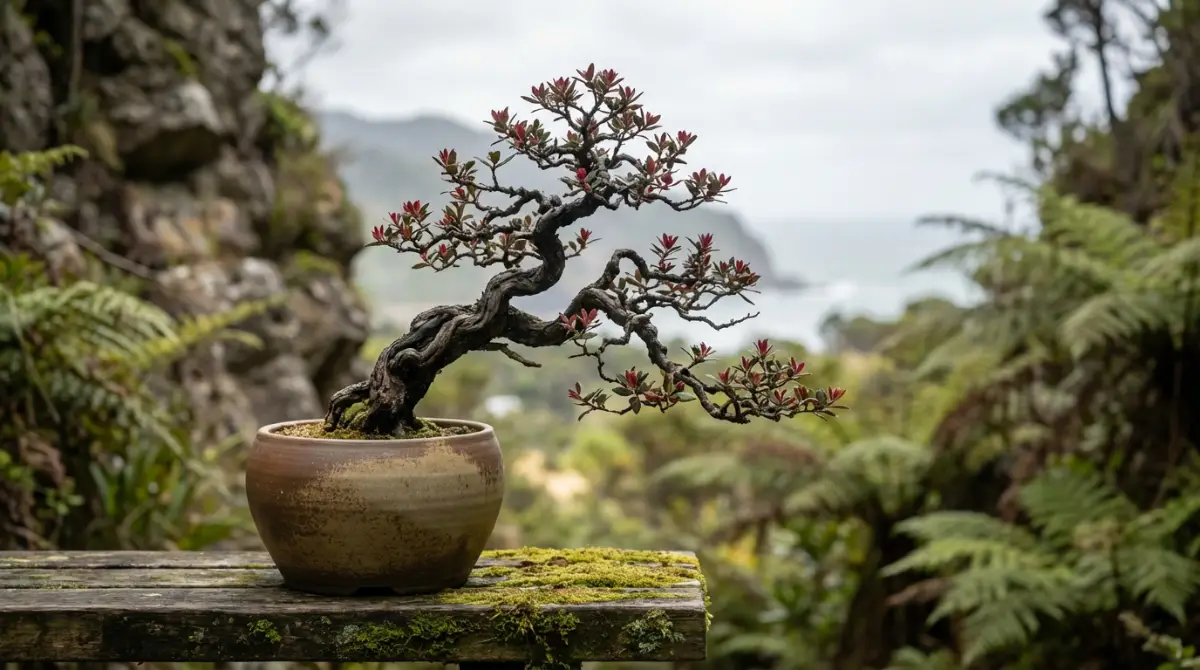
What You Will Learn
Discover how to choose the perfect bonsai pots for NZ native trees. Learn about materials, drainage, style matching, and local potters to ensure health and aesthetic refinement.
Choosing Bonsai Pots for NZ Natives: Function & Form
The art of bonsai is a delicate dance between nature and human vision, where every element contributes to the overall masterpiece. For enthusiasts of New Zealand native bonsai, selecting the right pot is more than a mere aesthetic choice; it’s a critical decision that impacts the health, vitality, and artistic expression of your precious tree. This includes being aware of potential threats like Common Bonsai Pests & Diseases: Identification & Treatment to ensure your tree thrives. The pot isn’t just a container; it’s the foundation, the frame, and a silent partner in your tree’s journey. Understanding the unique needs of NZ natives and the diverse world of bonsai pots NZ native options is paramount to creating a thriving and visually stunning display.
From ensuring optimal drainage in our varied climate to harmonizing with the natural forms of species like Pōhutukawa or Kāmahi, the right pot elevates a beautiful plant into a living sculpture. This guide will walk you through the essential considerations, helping you make informed choices that celebrate both function and form in your NZ native bonsai collection.
Table of Contents
- The Role of the Pot in Bonsai Display
- Material and Drainage Considerations for NZ Climate
- Matching Pot Style to Native Tree Form
- Local NZ Potters & Unique Designs
- Caring for Your Bonsai Ceramics
- Frequently Asked Questions
The Role of the Pot in Bonsai Display
In bonsai, the pot is never an afterthought; it is an integral part of the overall composition, echoing the natural environment and enhancing the tree’s character. For bonsai pots NZ native species, this connection is even more profound, extending to how it integrates with Companion Plants & Display Elements for a True NZ Bonsai Scene. The pot serves several crucial functions:
- Aesthetic Balance: The pot must complement the tree’s size, shape, and style. A harmonious pairing creates a sense of stability and visual equilibrium, making the tree appear larger and more ancient than it might be.
- Visual Anchoring: It grounds the tree, providing a stable base that directs the viewer’s eye upwards towards the trunk and foliage.
- Environmental Reflection: The pot’s colour, texture, and form can evoke the natural landscape from which the native tree originates, whether it’s the rugged coastline or a misty forest floor.
- Health and Growth: Beyond aesthetics, the pot’s primary function is to provide a healthy environment for the tree’s roots, ensuring adequate space, proper drainage, aeration, optimal Watering Bonsai Trees: How Often & How Much, and Bonsai Soil, Fertilization & Nutrition, alongside dedicated seasonal routines such as Spring Care for Bonsai.
“A bonsai without a suitable pot is like a painting without a frame – incomplete and lacking its full impact. For NZ natives, the pot tells half the story of its natural habitat.”
Material and Drainage Considerations for NZ Climate
New Zealand’s climate can be diverse, from subtropical Northland to alpine South Island, with varying rainfall, humidity, and temperature fluctuations. These factors heavily influence the ideal material and drainage features for your bonsai pots NZ native specimens.
Key Pot Materials and Their Suitability:
Different materials offer distinct advantages and disadvantages, especially when considering the specific needs of native species and our local environment.
| Material | Pros | Cons |
|---|---|---|
| Unglazed Ceramic | Excellent porosity, promotes root health, natural aesthetic, robust. Ideal for many NZ natives that prefer well-drained, slightly drier conditions. | Can dry out faster in hot, windy conditions, may require more frequent watering. |
| Glazed Ceramic | Wide range of colours and finishes, retains moisture well, visually striking. Can be suitable for deciduous natives or those needing consistent moisture. | Less porous, requires careful watering to avoid waterlogging. Glaze can sometimes overpower the tree. |
| Plastic Training Pots | Lightweight, inexpensive, durable, excellent for early stages of development. | Poor aesthetics for display, can heat up quickly in direct sun, offering less insulation. |
| Concrete/Stone | Extremely durable, provides strong visual weight, ideal for large or rugged trees. Good thermal mass. | Very heavy, limited artistic flexibility, can be prone to cracking in severe frost if not properly constructed. |
Drainage Holes: Regardless of material, sufficient drainage holes are non-negotiable. NZ natives, like most bonsai, despise ‘wet feet’. Large, well-placed drainage holes prevent waterlogging, which can lead to root rot – a common killer of bonsai. Consider adding plastic mesh over drainage holes to prevent soil loss while maintaining airflow.

Matching Pot Style to Native Tree Form
The style of your bonsai pots NZ native should be a direct conversation with the tree’s inherent characteristics. Natives present a fascinating range of forms, from the robust, gnarled trunks of ancient Totara to the delicate, weeping branches of some Kōwhai varieties, often achieved through careful cultivation and techniques like Oak Bonsai Pruning Techniques, or elements like Creating Deadwood Effects: Jin and Shari.
Considerations for Harmonious Pairing:
- Shape: Rectangular or oval pots often suit masculine, strong-trunked trees, conveying stability. Round or softer-edged pots are ideal for more feminine, delicate, or cascading styles. Square pots can create a sense of formality or strength.
- Depth: Deep pots are suitable for upright styles, especially those with strong, vertical lines. Shallow pots are perfect for cascade, semi-cascade, or windswept styles, enhancing the illusion of a tree clinging to a cliff face.
- Colour: Earthy, natural tones (browns, greys, muted greens) typically complement NZ natives, reflecting their natural environment. Avoid overly bright or distracting colours that compete with the tree. For flowering natives, a subtle pot colour allows the blooms to be the focal point.
- Texture: Unglazed, slightly textured pots can beautifully echo the rough bark of many native species. Smooth, highly polished pots might be less suitable unless the tree has a very refined, smooth trunk.
Remember the 1:1.5 to 1:2 ratio – the pot’s length should be roughly 1 to 1.5 times the height of the tree, and the width should be about 2/3 the width of the canopy. However, these are guidelines, not strict rules, especially for unique native forms.
Local NZ Potters & Unique Designs
Embracing local craftsmanship adds another layer of authenticity and beauty to your NZ native bonsai. New Zealand has a vibrant community of ceramic artists and dedicated bonsai potters who create unique, high-quality bonsai pots NZ native enthusiasts will cherish. These artisans often draw inspiration from the Aotearoa landscape itself, using local clays and glazes that perfectly complement our indigenous flora.
Advantages of Sourcing Locally:
- Tailored for Climate: Local potters understand the specific climatic challenges, often creating pots with optimal firing temperatures and clay compositions for NZ conditions.
- Unique Aesthetics: Many designs are inspired by Māori art forms, natural textures, or the rugged beauty of the New Zealand wilderness, creating pots that feel intrinsically linked to the native trees they house.
- Support Local Artistry: Investing in local pottery supports small businesses and keeps traditional craftsmanship alive within the bonsai community, contributing to the global appreciation seen in Major Bonsai Exhibitions and Shows Worldwide.
- Customisation: Some potters offer bespoke commissions, allowing you to create a truly unique pot perfectly suited to a specific tree.
Seek out local bonsai clubs, art fairs, or online directories to discover these hidden gems. A handcrafted pot not only elevates your bonsai but becomes an artwork in its own right.

Caring for Your Bonsai Ceramics
Your investment in high-quality bonsai pots NZ native specific deserves proper care to ensure its longevity and continued beauty. Ceramic pots, especially unglazed ones, can last for decades with mindful handling.
Maintenance Tips for Longevity:
- Cleaning: When repotting, thoroughly clean the pot. Use a stiff brush to remove old soil, algae, and mineral deposits. A mild solution of vinegar and water can help with stubborn stains. Avoid harsh chemicals that could damage the glaze or clay.
- Frost Protection: While many ceramic pots are frost-resistant, extreme cold and freeze-thaw cycles can cause hairline cracks, especially in thinner or less vitrified pots. During winter, consider moving your bonsai to a sheltered location or protecting the pot with insulating materials.
- Handling: Always lift your bonsai by the pot, never by the tree itself. When moving, support the base of the pot firmly.
- Storage: If storing empty pots, stack them carefully with cloth or cardboard in between to prevent chipping.
Proper care ensures that your pot remains a beautiful and functional home for your NZ native bonsai for many years, appreciating in value alongside the tree it nurtures.

Your Bonsai Pot Selection Checklist
Before finalizing your choice for bonsai pots NZ native trees, run through this quick checklist:
- Is the pot’s size appropriate for the tree’s dimensions (height, width, trunk girth)?
- Does the pot’s shape complement the tree’s style (upright, cascade, informal, etc.)?
- Is the pot’s colour harmonious with the tree’s foliage, bark, and any flowers/fruit?
- Does the material (glazed/unglazed) suit the tree’s moisture needs and your local climate?
- Are there adequate drainage holes to prevent waterlogging?
- Does the pot feel stable and well-made?
- Does it evoke the natural beauty or character of the New Zealand landscape?
- If sourcing locally, does the potter have a good reputation for quality and craftsmanship?
Frequently Asked Questions About Bonsai Pots for NZ Natives
Q: What’s the best pot material for most NZ native bonsai?
A: Unglazed ceramic pots are often highly recommended for most NZ native bonsai. Their porosity allows for excellent aeration and drainage, which is crucial for root health in our diverse climate. They also offer a natural, earthy aesthetic that complements many native species.
Q: How do I choose the right pot size for my NZ native bonsai?
A: As a general rule, the pot’s length should be about 2/3 to equal the tree’s height for upright styles. The pot’s depth should relate to the trunk’s thickness. For non-upright styles, consider the visual balance. Always ensure there’s enough root space without overwhelming the tree visually. Always aim for aesthetic balance, where the pot enhances, rather than detracts from, the tree.
Q: Can I use a regular garden pot for my NZ native bonsai?
A: While you can start a native tree in a larger garden pot for initial development, it is not suitable for a finished bonsai display. Regular garden pots typically lack the proper drainage, specific dimensions, and aesthetic refinement needed for bonsai. They also don’t restrict root growth in the controlled way a bonsai pot does, which is essential for developing a compact root ball.
Q: Where can I find high-quality bonsai pots for NZ natives?
A: Look for dedicated bonsai nurseries and specialized online stores. Many New Zealand bonsai clubs can also recommend local potters who create bespoke pots suited for native species. Supporting local artisans often provides unique, climate-appropriate, and aesthetically pleasing options.