Your Ultimate Bonsai Pot Selection Guide: Material, Size, Drainage
Deciding on the perfect pot is a cornerstone of successful bonsai cultivation. This comprehensive bonsai pot selection guide will walk you through everything you need to know, from materials to size and essential drainage. Choosing the right pot is not just about aesthetics; it’s vital for the long-term health and development of your miniature tree.
A well-chosen pot provides the ideal environment for roots, supports the tree’s growth, and complements its artistic design. Let’s delve into the crucial factors to consider for thriving bonsai. For those looking to connect with other enthusiasts and expand their knowledge, exploring the wider Bonsai Community & Events can offer invaluable inspiration and learning opportunities.
Table of Contents

Ceramic vs. Plastic Pots: Which is Best for Your Bonsai?
The material of your bonsai pot plays a significant role in both the tree’s health and its overall presentation. Each material has distinct advantages and disadvantages that influence water retention, air circulation, and aesthetic appeal. Understanding these differences is key to making the best choice.
The Elegance and Breathability of Ceramic Pots
Ceramic bonsai pots are the traditional and often preferred choice for displaying mature bonsai trees. These pots are typically heavier, providing stability for larger specimens. Their porous nature allows for excellent air exchange to the roots, which is crucial for preventing root rot and promoting healthy growth.
Unglazed ceramic pots offer the best breathability, while glazed pots, though less porous, still provide good air circulation if the drainage is adequate. Ceramic pots also come in a vast array of shapes, sizes, and colors, allowing for artistic harmony with the tree.
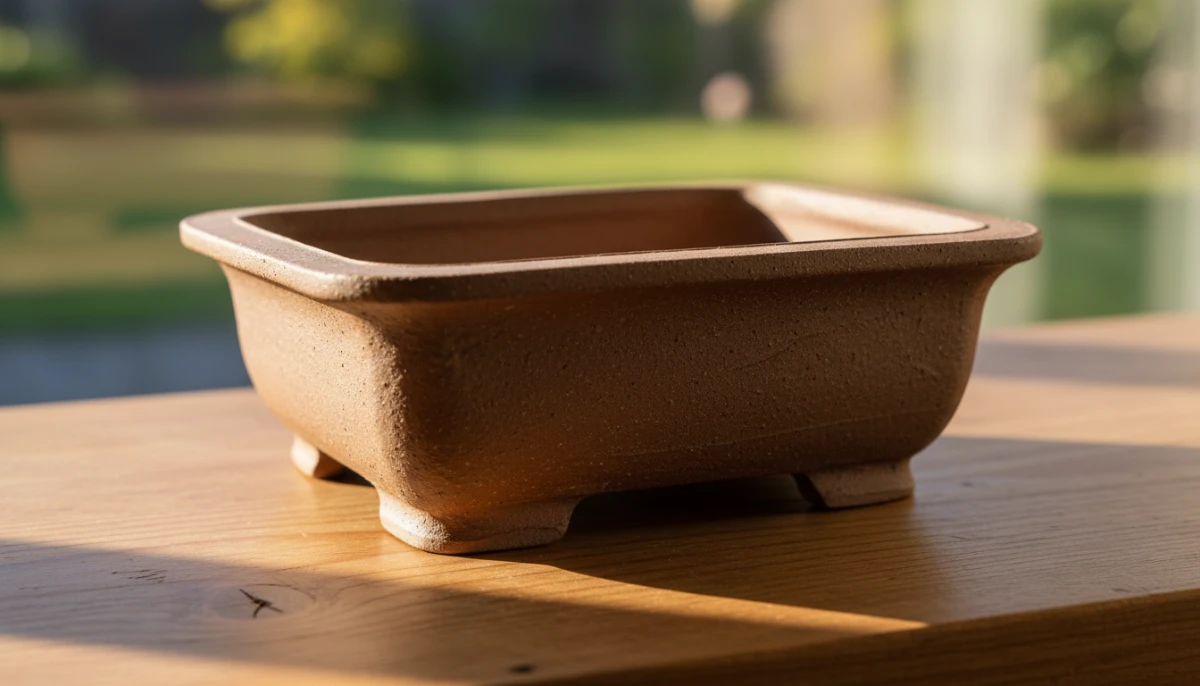
However, ceramic pots can be more expensive and are prone to breaking if dropped. They also tend to dry out faster than plastic, which means more frequent watering, especially during warmer months or for certain species of bonsai.
Practicality and Affordability of Plastic Pots
Plastic bonsai pots are an excellent, cost-effective alternative, especially for beginners or for young trees in training. They are lightweight, durable, and much less likely to break than ceramic pots. Plastic pots retain moisture longer, which can be beneficial for trees that prefer consistent humidity or for growers who cannot water as frequently.
While often used for nursery stock or during the early stages of bonsai development, modern plastic pots are increasingly available in attractive designs that mimic traditional ceramic ware. They are ideal for growing out trees, known as “development pots,” where the focus is on rapid growth rather than immediate display.

For growers looking for value and resilience, especially when developing a collection or experimenting with new species, plastic pots are a superb choice. They allow you to focus on the tree’s health and form without worrying about the cost or fragility of display pots.
Choosing the Right Pot Size for Optimal Bonsai Health
Selecting the correct pot size is perhaps the most critical aspect of the bonsai pot selection guide for the tree’s well-being. The pot is not merely a container; it’s an extension of the root system and directly impacts water retention, nutrient availability, and overall tree vigor. For a comprehensive guide on maintaining your bonsai’s internal health, explore Bonsai Soil, Fertilization & Nutrition. An improperly sized pot can stunt growth or lead to root-bound conditions.
Matching Pot Dimensions to Tree Vigor
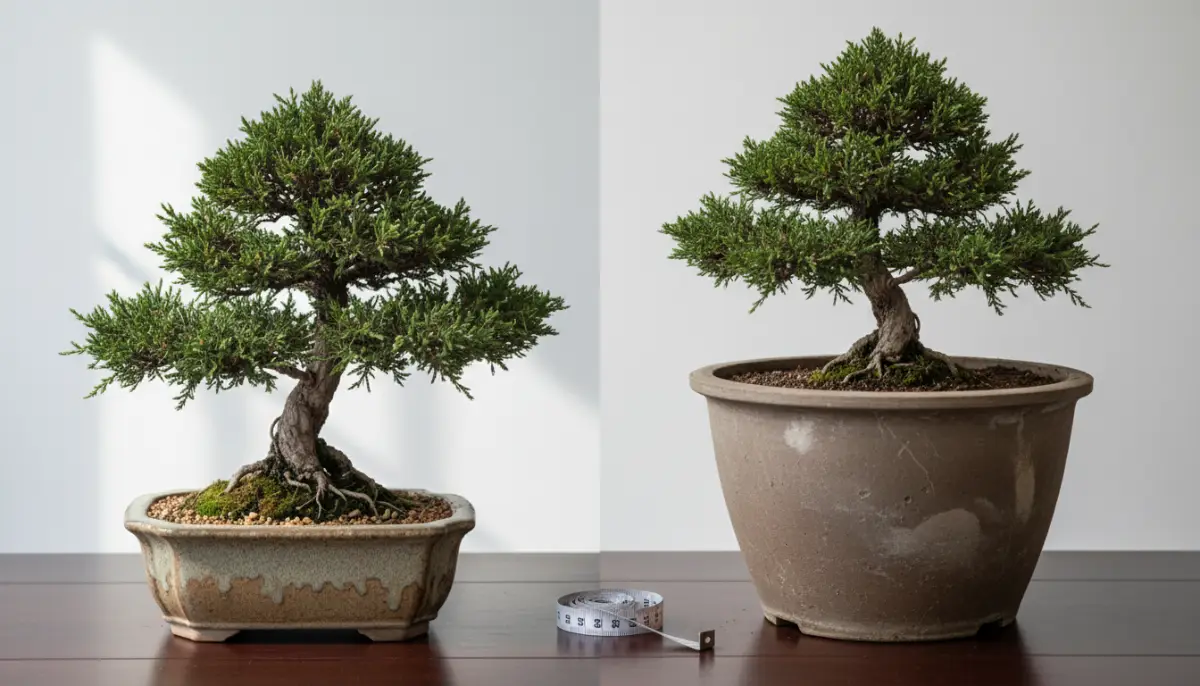
As a general rule for mature bonsai, the length of the pot should be approximately two-thirds the height of the tree. The width should be roughly one-third to two-thirds of the tree’s overall spread. For cascade or semi-cascade styles, deeper pots are often necessary to provide stability and visual balance. To truly master the aesthetic presentation of your tree, a deeper understanding of Bonsai Design Principles: Balance & Proportion is invaluable.
However, these are guidelines, not strict rules. A vigorous tree might benefit from a slightly larger pot to allow more room for root development, especially if it’s still in a training phase. Conversely, an older, more refined tree might be placed in a relatively smaller pot to encourage finer root growth and complement its mature aesthetic.
Understanding Root Space and Water Retention
The depth of the pot directly affects the amount of soil and thus, water retention. Shallower pots dry out faster, requiring more frequent watering. Deeper pots hold moisture longer. This needs to be balanced with the tree’s specific needs and your local climate. To master this vital aspect, refer to our guide on Watering Bonsai Trees: How Often & How Much.
- Younger Trees: Often benefit from slightly larger pots to encourage faster growth and root development.
- Mature Trees: Can thrive in smaller, more proportionally balanced pots, as their growth rate is slower.
- Root Ball: Ensure there’s enough room for the root ball after pruning, plus about an inch of soil around the edges. Understanding proper Bonsai Root Pruning Techniques for Health is crucial for managing root growth and maintaining a healthy root system within the confines of a pot.
- Soil Volume: The volume of soil determines how much water and nutrients can be held, directly impacting watering frequency.
Paying close attention to these details will ensure your bonsai has the best chance to flourish for years to come.
The Critical Role of Drainage Holes in Bonsai Pots
Proper drainage is non-negotiable for bonsai health. Without adequate drainage, water can sit in the bottom of the pot, leading to saturated soil and eventually, root rot. This condition suffocates the roots, preventing them from absorbing water and nutrients, which can quickly lead to the demise of your tree. Any good bonsai pot selection guide will emphasize this point.
Preventing Root Rot: Why Drainage is Key
Bonsai trees require well-aerated soil. Excess water displaces air from the soil particles, depriving roots of oxygen. This creates an anaerobic environment where harmful bacteria and fungi can thrive, attacking the roots and causing them to decay. The primary function of drainage holes is to allow this excess water to escape freely, ensuring the soil remains oxygenated and healthy for root growth.
Without sufficient drainage, the soil remains waterlogged, leading to compacted soil and a lack of vital oxygen. Over time, this weakens the tree, making it susceptible to diseases and pests. If fungal diseases become an issue, exploring Bonsai Fungal Disease Solutions can provide targeted remedies. If you notice signs of stress such as yellowing leaves, our guide on Yellow Leaves Bonsai Fix can provide further assistance. Good drainage also helps flush out mineral salts that can build up in the soil, which can harm root health.
Optimizing Drainage: Screens and Hole Quantity
Most quality bonsai pots feature multiple drainage holes, typically two or more, along with smaller wire holes for securing the tree. The number and size of these holes are designed to facilitate efficient water runoff. It’s crucial to cover these holes with mesh screens before adding soil. These screens prevent soil from washing out through the holes while still allowing water to pass freely. They also deter pests from entering the pot from below.
When repotting, always ensure these screens are properly placed and are not clogged with old soil or root material. A layer of coarse drainage material, like akadama or pumice, can also be placed at the bottom of the pot above the screens to further enhance drainage and prevent finer soil particles from compacting the holes. This careful preparation is a vital part of the bonsai pot selection guide.
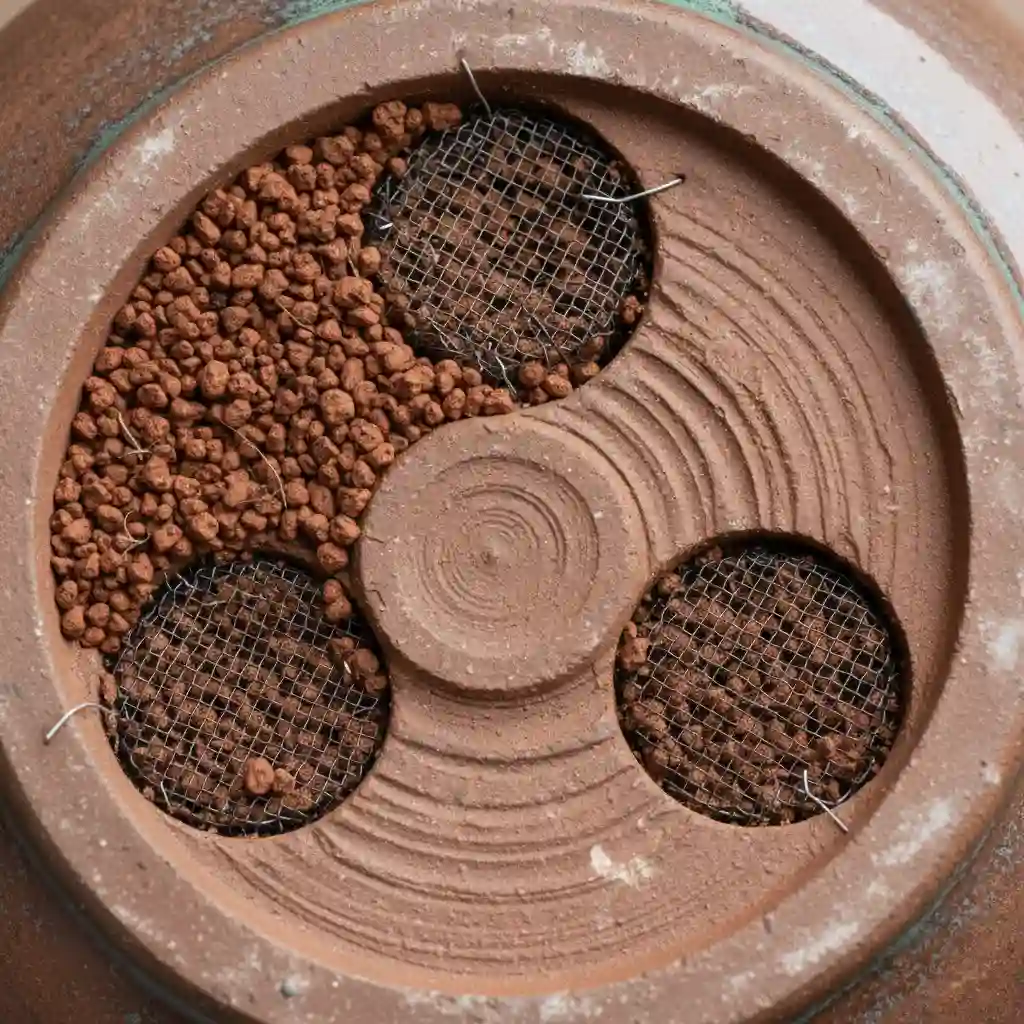
Understanding and implementing effective drainage is arguably the most fundamental principle for successful bonsai cultivation. Prioritizing pots with well-designed drainage systems will safeguard your tree’s health and contribute significantly to its longevity.
Advanced Considerations for Your Bonsai Pot Selection
Beyond material, size, and drainage, there are more nuanced factors that contribute to the perfect bonsai pot selection guide. These considerations focus on the artistic harmony between the tree and its container, ensuring a balanced and visually appealing composition. The pot is essentially the frame for your living art, and its choice can significantly enhance or detract from the tree’s beauty. For a complete artistic presentation, consider integrating Companion Plants & Display Elements for a True NZ Bonsai Scene. To appreciate the journey of bonsai in the region, delving into the History of Bonsai in NZ: From Early Imports to Native Excellence offers a rich perspective. For a deeper dive into shaping your bonsai and enhancing its visual appeal, consider learning about Wiring & Pruning NZ Natives: Shaping for Optimal Health & Aesthetics, and even specialized techniques like Creating Deadwood Effects: Jin and Shari.
Aesthetics: Color, Shape, and Texture
The color of the pot should complement the tree, not compete with it. Generally, subtle, earthy tones (like browns, grays, and unglazed ceramics) are preferred as they allow the tree’s natural colors to stand out. Glazed pots can be used, but their color should be chosen carefully to harmonize with the foliage, flowers, or fruit of the bonsai. For example, a flowering bonsai might look stunning in a pot with a complementary glaze.
Pot shape should also reflect the tree’s style and gender. Round or oval pots often suit feminine, flowing tree styles, while rectangular or square pots lend themselves to more masculine, strong, upright forms. Deeper pots are essential for cascade styles, providing stability and visual balance. The texture of the pot, whether smooth, rough, or intricately patterned, adds another layer of artistic depth.

Considering Tree Species and Climate Needs
Different bonsai species have unique requirements that influence pot choice. For instance, a juniper, which prefers drier conditions, might thrive in a shallower, more breathable unglazed ceramic pot. In contrast, a maple, which enjoys more consistent moisture, could benefit from a deeper, slightly less porous pot, or one that allows for more frequent watering without drying out too quickly. For specific guidance on a popular species, see our detailed guide on Chinese Elm Bonsai Care.
Your local climate also plays a role. In hot, dry climates, pots that retain moisture longer might be advantageous, or you might opt for slightly larger pots to provide more soil volume. In humid, wet climates, excellent drainage and highly porous pots are paramount to prevent overwatering and root issues. Always consider how the pot choice will interact with your specific environmental conditions and the needs of your particular species. For more detailed information on specific bonsai care, consult reputable horticultural resources like Wikipedia’s Bonsai article.
Repotting Cycle and Pot Longevity
The frequency of repotting also influences pot choice. Younger, developing trees often require more frequent repotting into larger pots to encourage growth. In such cases, durable and affordable plastic training pots are ideal. As a tree matures and its growth slows, it might be moved into its final display pot, which is typically ceramic and chosen for its aesthetic qualities and longevity.
Investing in appropriate pots for each stage of your bonsai’s life ensures its health and your enjoyment for years to come. For comprehensive seasonal guidance, including when to repot, consider our insights on Spring Care for Bonsai SH. This complete bonsai pot selection guide aims to equip you with the knowledge for every stage.