Bonsai Mentorship Programs: Finding a Teacher
Embark on a rewarding journey in the art of bonsai. Learn how to connect with experienced mentors who can guide your path.
Bonsai mentorship programs are structured learning experiences where aspiring bonsai artists receive personalized guidance from experienced practitioners. These programs are vital for accelerating skill development, offering direct feedback on specific trees, and immersing students in the long-term cultivation and aesthetic principles necessary for mastering this ancient art form. Finding a teacher means locating an expert who aligns with your learning style and specific bonsai goals, ensuring a tailored educational journey.
The journey of learning bonsai is rich and complex. It combines artistic vision with horticultural science. While books and online tutorials offer a foundation, there’s no substitute for hands-on, personalized guidance. This is where dedicated bonsai mentorship programs shine, offering a direct path to mastery.
Table of Contents
Why Mentorship Matters in Bonsai

Learning bonsai is not a sprint; it’s a marathon that spans decades. A good mentor can condense years of trial and error into focused lessons. They provide direct feedback, pointing out nuances in tree health, Spring Care for Bonsai SH, Wiring & Pruning NZ Natives: Shaping for Optimal Health & Aesthetics, and aesthetic decisions that are hard to grasp from books alone. This personalized attention is crucial for developing a keen eye and steady hand.
Mentorship also offers a unique window into the philosophy behind the art. Beyond the technical skills of `repotting` or `wiring`, a master can teach you the patience, observation, and respect for nature that define bonsai. This holistic approach ensures you don’t just mimic styles but understand the living tree’s Basic Bonsai Watering & Light Requirements and how to express its beauty.
What to Look for in a Bonsai Mentor
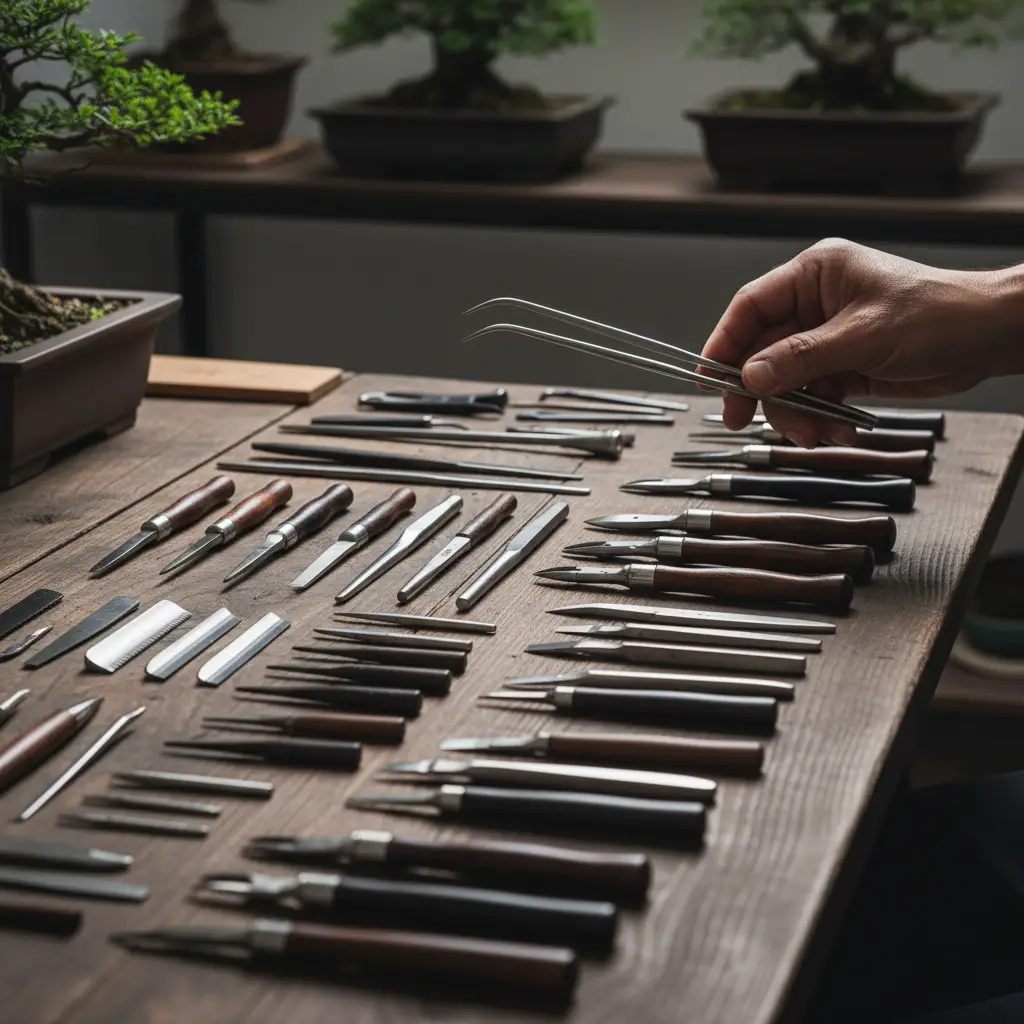
Choosing the right mentor is a personal decision that can shape your entire bonsai journey. First, consider their experience and reputation. Look for someone with a proven track record, perhaps recognized by a local `bonsai society` or through their work displayed at exhibitions. Expertise in various tree species, such as Tropical Bonsai Trees: Care in Colder Climates, and Bonsai Styles Explained: Upright, Slanting, Cascade is also a huge plus.
Beyond skill, assess their teaching style. Do they explain concepts clearly? Are they patient and encouraging? A mentor who can articulate their thought process and adapt to your learning pace will be far more effective. It’s also beneficial to find someone whose `aesthetics` and approach to bonsai resonate with your own artistic vision. A strong connection on these levels makes the learning experience much more enjoyable and productive.
How to Find the Right Bonsai Mentorship Programs
Locating the ideal `Bonsai Mentorship Programs: Finding a Teacher` requires a proactive approach. Here’s a step-by-step guide to help you discover the perfect fit for your bonsai education:
- Connect with Local Bonsai Clubs and Societies: These are often the best starting point. Local clubs usually have experienced members, sometimes even `bonsai masters`, who offer informal or structured mentorship. Attend meetings, ask questions, and get to know the community. Many clubs organize workshops or even one-on-one sessions.
- Explore Online Forums and Communities: Websites like Bonsai Empire or specific Facebook groups are hubs for enthusiasts. You can ask for recommendations, see examples of different artists’ work, and sometimes even find virtual mentorship opportunities. Be discerning, but these platforms offer broad access.
- Attend Workshops and Classes: Participating in workshops, especially those by visiting international artists, is an excellent way to get a taste of different teaching styles. If you connect with an instructor, inquire about longer-term `bonsai mentorship programs` or private lessons.
- Visit Renowned Bonsai Nurseries and Gardens: Many specialized nurseries employ or are run by experienced bonsai artists. Visiting these places provides a chance to see high-quality trees and potentially speak with experts directly about learning opportunities. Some even host regular study groups.
- Review Portfolios and Arrange Trial Sessions: Before committing, review a potential mentor’s portfolio of work. Does their style align with yours? If possible, arrange a single consultation or a trial lesson. This gives you a chance to experience their teaching firsthand and ensure a good personal connection.
Remember, persistence pays off. The right mentor for your bonsai journey is out there, and these steps will help you narrow down the search effectively.
The Mentee’s Role: Making the Most of Your Program
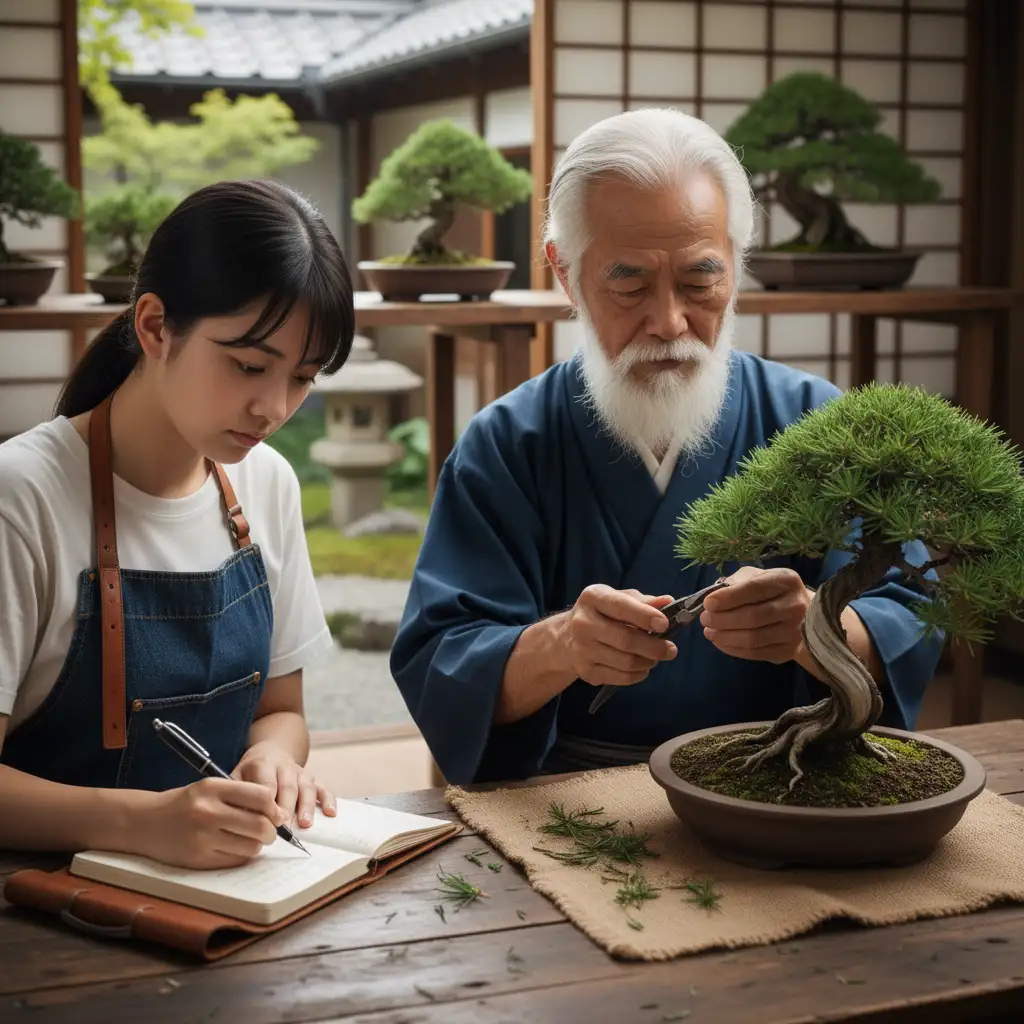
A successful mentorship is a two-way street. As a mentee, your active engagement is critical. Come prepared to each session with specific questions or trees you want to work on. Take notes, ask for clarification, and don’t be afraid to try techniques under your mentor’s watchful eye. Practice is paramount; apply what you learn between sessions.
Respect your mentor’s time and expertise. Show genuine enthusiasm and commitment to the `art of bonsai`. Your dedication will not only accelerate your own learning but also strengthen the mentor-mentee relationship, making the experience more rewarding for both of you. This collaborative spirit is foundational to long-term growth.
Common Challenges and Solutions

Finding the ideal `Bonsai Mentorship Programs: Finding a Teacher` can present a few hurdles. One common challenge is geographical distance, especially for those living in areas with few experienced artists. Online mentorships or intensive workshops can bridge this gap. Another issue is the cost; quality instruction often comes with a price. Look for local club programs or group classes which are usually more affordable than one-on-one sessions.
Time commitment is another factor. Bonsai requires consistent effort. Ensure your schedule allows for regular study and practice. If you struggle to find a perfect long-term mentor, consider seeking guidance from several different artists through workshops. Each teacher can offer unique insights, enriching your overall knowledge base. For more general information on bonsai, you can visit Wikipedia.
The Future of Bonsai Education

As we look towards 2026 and beyond, the landscape of bonsai education is evolving. While traditional, in-person mentorships will always be invaluable, technology is expanding access. Online courses, virtual workshops, and remote critique sessions are becoming more sophisticated, allowing enthusiasts worldwide to connect with top artists regardless of location. These hybrid models offer flexibility and broader reach. Bonsai Photography Tips for Sharing Your Trees.
This ensures that the deep, nuanced understanding of Bonsai Soil, Fertilization & Nutrition, Bonsai Fertilizer Recommendations: Organic vs. Chemical, including Choosing & Applying Bonsai Fertilizer Brands, and design continues to be passed down, adapting to modern learning styles while preserving the ancient wisdom of bonsai.
Ready to Find Your Bonsai Mentor?
The pursuit of bonsai mastery is a deeply rewarding journey. By actively seeking out `Bonsai Mentorship Programs: Finding a Teacher`, you are investing in an accelerated learning path and gaining access to invaluable wisdom.
Don’t hesitate to reach out to local clubs, explore online resources, and attend events. Your ideal mentor, ready to guide you through the intricate world of `bonsai`, is waiting.