Bonsai Grow Lights: Choosing the Right Spectrum for Thriving Trees
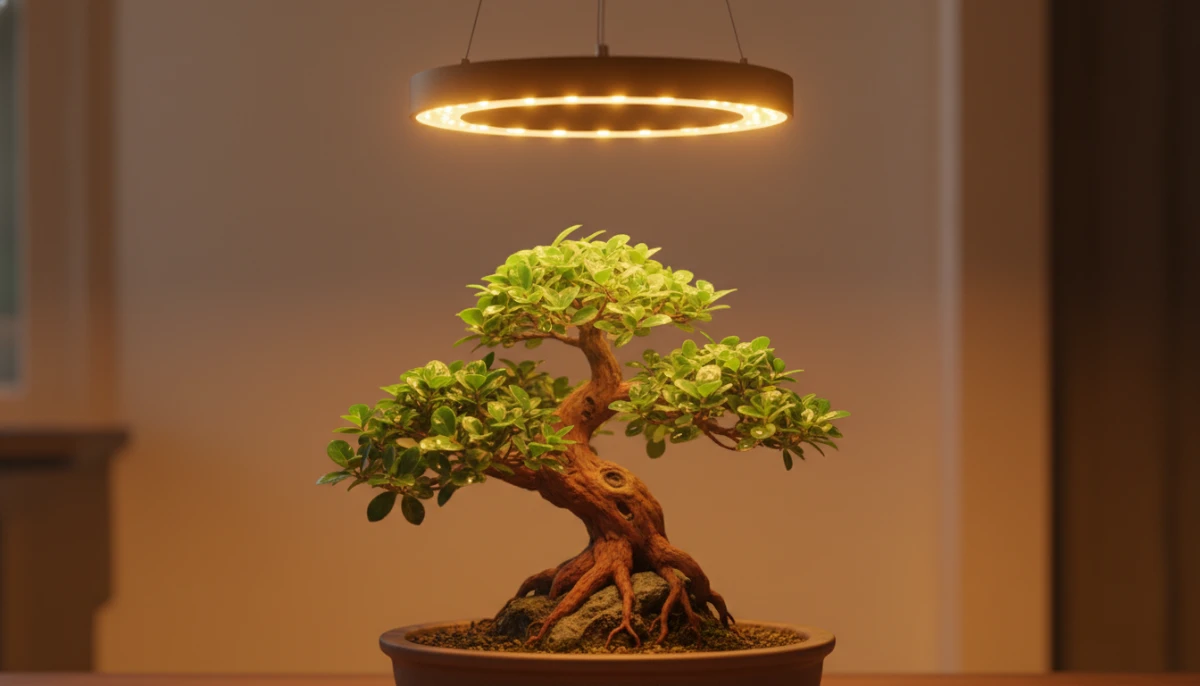
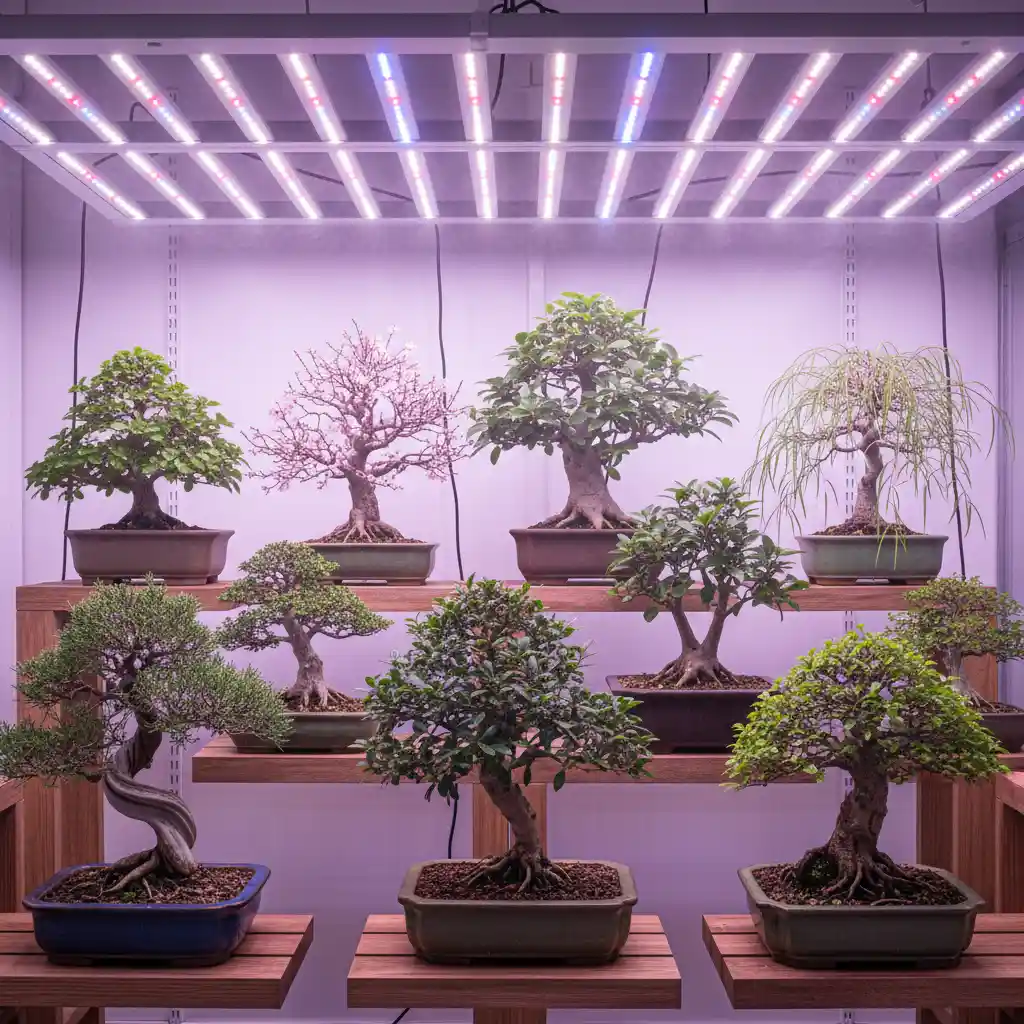
Caring for a bonsai tree is a rewarding art form that connects us with nature. To ensure your miniature tree thrives indoors, especially during darker months or in spaces with limited natural light, understanding bonsai grow lights is essential. These specialized lights provide the necessary spectrum for healthy growth, ensuring your bonsai develops strong roots, vibrant foliage, and robust structure.
Bonsai grow lights are artificial light sources designed to supplement or replace natural sunlight for indoor bonsai trees. They provide the specific light spectrum necessary for photosynthesis, promoting vigorous growth, vibrant foliage, and overall tree health, especially in low-light conditions.
Proper lighting is more than just brightness; it’s about providing the right wavelengths of light that plants need for photosynthesis. Without adequate light, bonsai can become weak, leggy, and susceptible to disease. This guide will help you choose the best grow lights, understand light spectrums, and optimize their placement for your cherished bonsai collection.
Table of Contents
Understanding Your Options: LED vs. Fluorescent Grow Lights
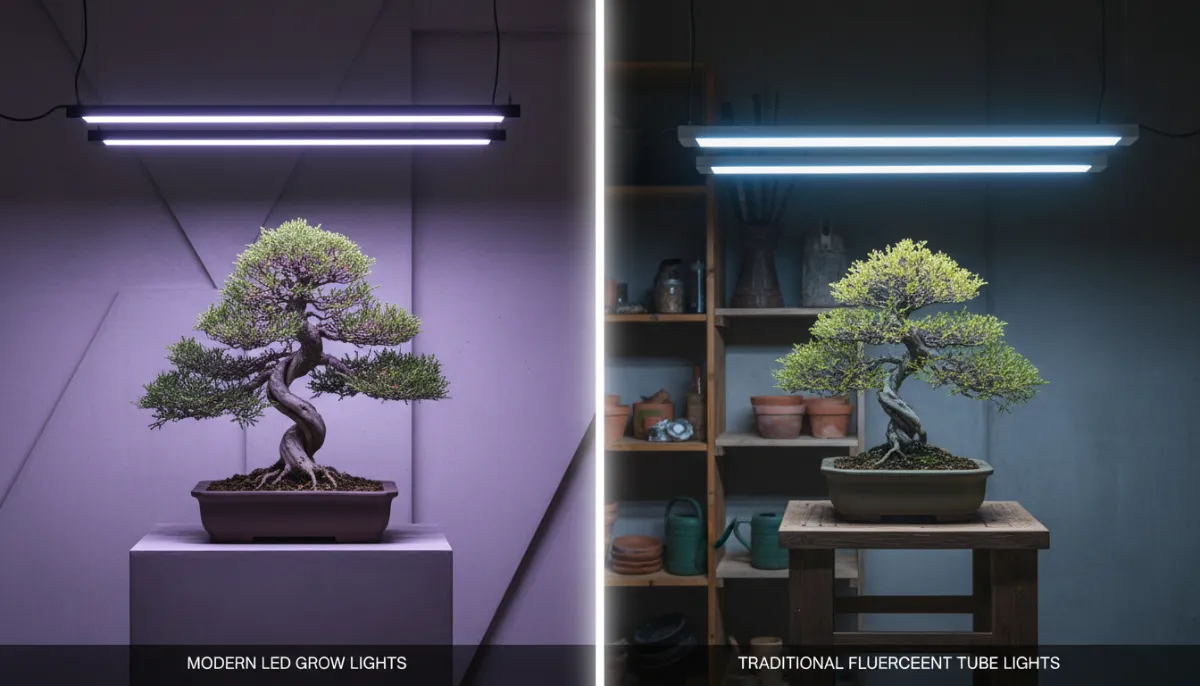
When considering supplemental lighting for your bonsai, two main types of grow lights often come up: LED and fluorescent. Each has distinct advantages and disadvantages. Your choice depends on your budget, energy efficiency goals, and the specific needs of your bonsai trees.
LED Grow Lights for Bonsai
LED (Light Emitting Diode) grow lights are popular for their energy efficiency and long lifespan. They allow for precise control over the light spectrum, providing exactly what your bonsai needs at different growth stages.
- Energy Efficiency: LEDs consume significantly less power, saving money on electricity.
- Customizable Spectrum: Many LED fixtures offer adjustable red, blue, and full-spectrum light to tailor growth.
- Long Lifespan: High-quality LED lights can last for tens of thousands of hours, reducing replacements.
- Low Heat Output: LEDs produce less heat, lowering the risk of leaf burn and cooling needs.
While the initial cost is higher, the long-term savings in energy and replacement costs often make LEDs a superior choice for serious bonsai enthusiasts.
Fluorescent Grow Lights for Bonsai
Fluorescent lights, such as T5 high-output (HO) bulbs or compact fluorescent lamps (CFLs), are a more budget-friendly option. They serve as a good entry point or for supplementing light during specific periods, like starting new cuttings.
- Lower Initial Cost: Fixtures and bulbs are generally less expensive, making them accessible.
- Good for Seedlings: Their softer light and broad spectrum are excellent for young plants without intense heat.
- Accessible: Fluorescent bulbs are widely available in many stores.
Fluorescents are less energy-efficient than LEDs and have shorter lifespans. They also produce more heat, requiring careful placement to prevent damage. While effective, they offer less spectrum control and may not be ideal for mature, light-intensive bonsai over the long term. For more on general plant lighting, see Wikipedia’s Grow Light entry.
For those just starting their bonsai journey, choosing the right tree is as important as providing proper lighting. Knowing how to make an informed decision when Choosing Your First Bonsai Tree is paramount. To ease into the hobby, exploring Essential Bonsai Starter Kits Explained and learning about the Best Bonsai Tools for Beginners: A Starter Guide can be incredibly helpful. Understanding the characteristics of various Beginner-Friendly Bonsai Tree Species can make the experience more enjoyable and successful.
Beyond technical aspects like lighting, the joy of bonsai often comes from shared knowledge and collective passion. Connecting with other enthusiasts and participating in local or online Bonsai Community & Events can enrich your experience and provide invaluable insights into this ancient art, including Bonsai Photography Tips for Sharing Your Trees.
The Science of Light: Choosing the Right Spectrum for Growth
Plants, including bonsai, use different wavelengths of light for various processes. Understanding the light spectrum is crucial for providing optimal conditions. By selecting the correct spectrum, you can encourage specific traits in your bonsai, from robust foliage to strong woody development.
Understanding the Light Spectrum
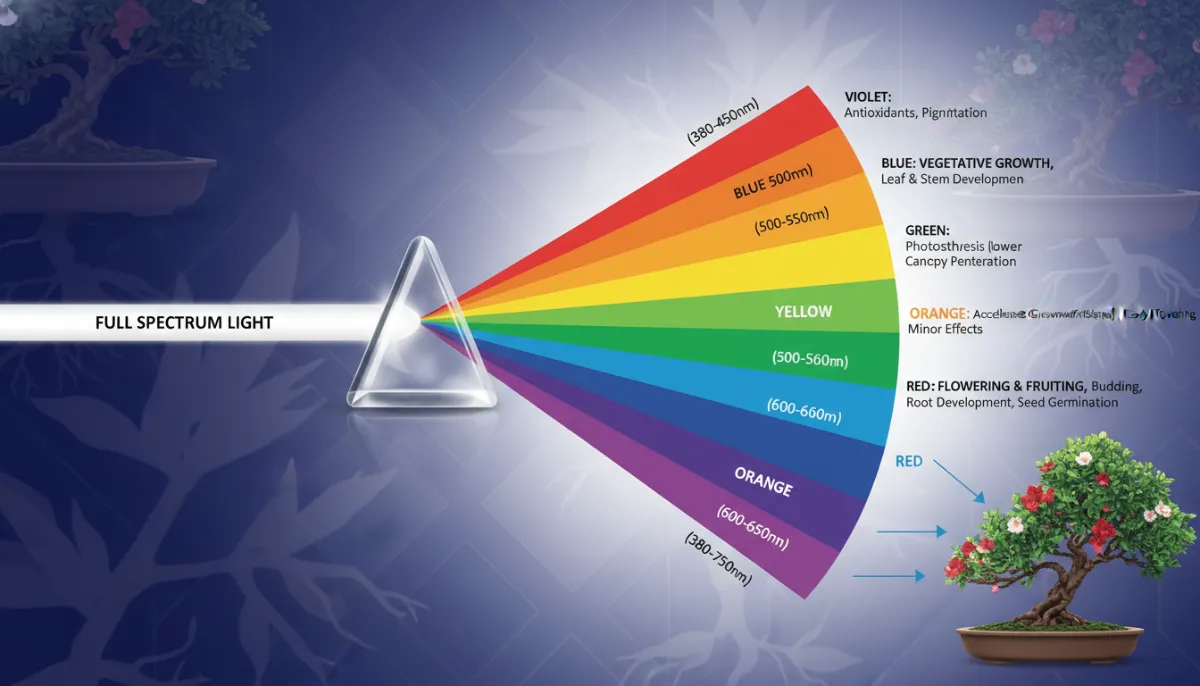
The visible light spectrum ranges from blue to red. Each color influences plant growth uniquely:
- Blue Light (400-500 nm): Promotes vegetative growth, strong stems, and compact forms. Essential for chlorophyll production and dense foliage.
- Red Light (600-700 nm): Vital for flowering, fruiting, and seed production. Also aids overall plant vigor and root development.
- Full Spectrum: Mimics natural sunlight, providing a balance of all wavelengths. This is often the safest and most comprehensive choice for general bonsai care.
High-quality bonsai grow lights often offer a “full spectrum” or allow you to adjust the balance of blue and red light. This flexibility is a significant advantage for fine-tuning your bonsai’s environment.
Tailoring Spectrum to Bonsai Stages
The ideal light spectrum changes depending on the bonsai’s growth stage or species. For instance, understanding specific requirements for species like Pine Bonsai: Needles, Candles, and Advanced Techniques can significantly refine your approach. Similarly, a dedicated Ficus Bonsai Care Guide can offer tailored advice for that popular indoor species.
- Seedlings and Cuttings: Benefit most from a spectrum rich in blue light to encourage strong root development and prevent legginess.
- Vegetative Growth: A balanced full spectrum with ample blue light supports healthy leaf development and compact form.
- Maturation and Winter: For established bonsai, a full spectrum light is generally suitable, providing consistent energy when natural light is scarce.
Observing your bonsai’s response is key. Yellowing leaves or leggy growth can indicate insufficient or incorrect light. Adjustable spectrum grow lights offer the most versatility.
While light is paramount, successful bonsai care encompasses many factors. Beyond optimizing light, ensuring proper hydration is critical for your tree’s health and development. For deeper insights into this essential aspect of care, explore various Advanced Bonsai Watering Systems & Tips. Additionally, for species like pines, understanding a specific Pine Bonsai Watering Schedule can be invaluable.
Optimal Placement and Timing for Bonsai Grow Lights
Having the right grow lights is only half the battle. Knowing how to place them and for how long is equally critical. Incorrect placement or timing can lead to issues like leaf burn, stunted growth, or plant stress.
The goal is to mimic the natural environment as closely as possible, providing consistent, appropriate light without overstressing the plant. This involves understanding light intensity, duration, and the distance between the light source and your bonsai’s foliage. Proper placement ensures even light distribution and maximizes the benefits of your chosen bonsai grow lights.
Determining Light Distance and Intensity (PAR)
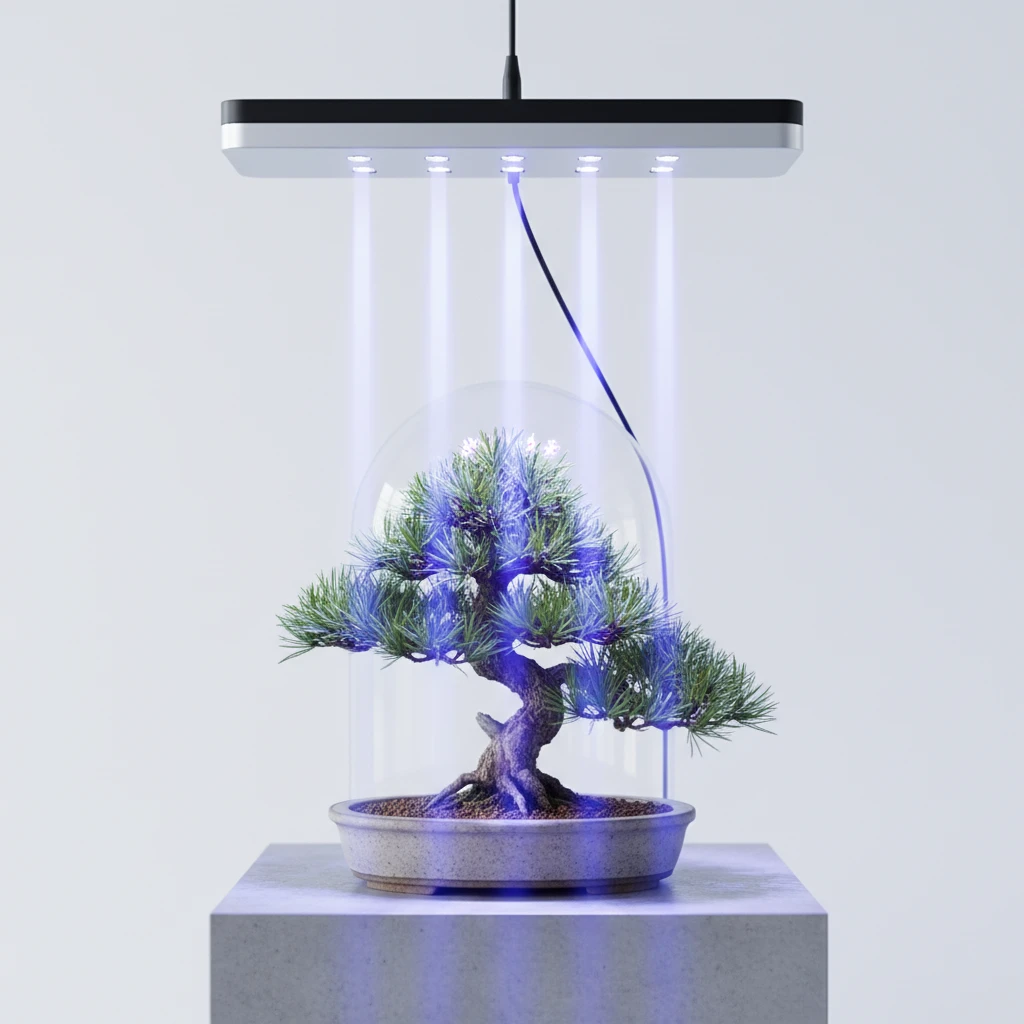
The distance between your grow light and your bonsai tree is crucial. Too close, and leaves can burn; too far, and the light intensity will be insufficient for photosynthesis. The ideal distance depends on the type and wattage of your light.
- LED Grow Lights: Typically placed 12-24 inches (30-60 cm) above the canopy. More powerful LEDs may need to be further away. Always check the manufacturer’s recommendations.
- Fluorescent Lights: These produce less heat and light intensity, so they can be closer, often 4-12 inches (10-30 cm) from the foliage.
Look for information on Photosynthetically Active Radiation (PAR) output. PAR measures the light available for photosynthesis. While complex, a general rule is to ensure adequate light intensity without scorching the leaves. Observe your bonsai closely for signs of stress or inadequate light.
Establishing Light Duration and Cycle
Plants need both light and darkness. The duration of light exposure, known as the photoperiod, influences various physiological processes, including growth and dormancy.
- Active Growth Phase: During spring and summer, or when you want to encourage vigorous growth, aim for 12-16 hours of light per day. This mimics longer daylight hours.
- Dormancy/Winter: For temperate bonsai species that require a dormancy period, reducing light to 8-10 hours can help induce and maintain this crucial resting phase. Tropical bonsai generally need consistent long light cycles year-round.
Using a timer is highly recommended to maintain a consistent light schedule. This consistency is vital for your bonsai’s internal clock and overall health. Fluctuations can stress the tree and hinder its development. For more detailed guidance on seasonal transitions, especially for the crucial spring period, consider our guide on Spring Care for Bonsai.
Consider the natural light your bonsai already receives. Grow lights should supplement, not necessarily replace, natural light from a window. Adjust your grow light schedule to account for existing light levels.
Essential Tips for Success with Bonsai Grow Lights
Beyond choosing the right light and placing it correctly, several other factors contribute to the overall success of using supplemental lighting for your bonsai trees. Integrating these tips into your care routine will help your miniature trees thrive.
Monitoring Your Bonsai’s Response
Every bonsai is unique, and its response to grow lights can vary based on species, age, and environmental conditions. Constant observation is your best tool for fine-tuning your setup.
- Leaf Color: Healthy leaves should be vibrant green. Yellowing or pale leaves can indicate insufficient light. Dark green, almost burnt-looking leaves might mean too much intensity.
- Growth Pattern: Leggy, stretched-out growth with sparse foliage indicates the plant is reaching for more light. Compact, dense growth usually signals adequate light.
- Leaf Burn: Brown, crispy spots on leaves are a clear sign that the light is too intense or too close, causing scorching. Adjust the light distance immediately.
Don’t be afraid to make small adjustments and observe the results over a few days. Patience and consistency are key when optimizing your bonsai grow lights setup.
Maintaining Optimal Environment
Light is just one component of a healthy environment. Temperature, humidity, and air circulation also play vital roles. Grow lights can sometimes alter these conditions, so monitoring them is important.
- Temperature: Many grow lights, especially older fluorescent types, emit heat. Ensure your bonsai area doesn’t overheat, which can stress the tree. Maintain consistent temperatures appropriate for your bonsai species.
- Humidity: Indoor environments, especially with grow lights, can become dry. Bonsai generally prefer higher humidity. Consider using a humidity tray or a small humidifier to counteract dry air.
- Air Circulation: Good airflow prevents fungal diseases and strengthens the tree’s trunk and branches. A small oscillating fan can be beneficial.
Balancing these environmental factors alongside your grow light strategy will lead to the most robust and beautiful bonsai trees. It’s a holistic approach to care, encompassing critical elements like Bonsai Soil, Fertilization & Nutrition, as well as specific guidance on Choosing & Applying Bonsai Fertilizer Brands.
Learning about Bonsai Winter Care Strategies is particularly important for temperate species, as their light and environmental needs change significantly during colder months. Integrating grow lights into a comprehensive winter plan can prevent damage and ensure a healthy dormancy.
Frequently Asked Questions About Bonsai Grow Lights
Q: How many hours a day should I leave my bonsai grow light on?
A: Most bonsai trees benefit from 12-16 hours of light per day during their active growth phase. For species requiring dormancy, reduce this to 8-10 hours during winter. Always use a timer for consistency.
Q: Can I use a regular LED bulb for my bonsai?
A: While a regular LED bulb provides light, it typically lacks the specific spectrum and intensity required for optimal plant growth. Specialized bonsai grow lights are designed to provide the essential red and blue wavelengths for photosynthesis, which regular bulbs often miss.
Q: How do I know if my bonsai is getting enough light?
A: Signs of insufficient light include leggy, stretched-out growth, pale green or yellowing leaves, and a general lack of vigor. If leaves are turning brown or crispy, the light might be too intense or too close. Observe your tree closely and adjust as needed.
Mastering the use of bonsai grow lights is a crucial step towards cultivating vibrant, healthy miniature trees indoors. By understanding spectrums, ensuring proper placement, and maintaining optimal environmental conditions, you can provide your bonsai with everything it needs to flourish.