Bonsai Fertilizer Recommendations: Organic vs. Chemical
Choosing the right bonsai fertilizer recommendations is crucial for the health and vitality of your miniature trees. This guide will help you understand the best options, whether organic or chemical, to ensure your bonsai thrives.
Bonsai fertilizer recommendations involve selecting and applying nutrients tailored to these miniature trees. This ensures they receive the necessary nitrogen for foliage, phosphorus for roots and flowers, and potassium for overall health. Proper fertilization prevents deficiencies and promotes strong, vibrant growth in their confined environments.
Table of Contents
- Organic Fertilizer Benefits for Bonsai
- Understanding Chemical Fertilizers for Bonsai
- Bonsai Fertilizer Application Guidelines
- Choosing the Right Approach: Organic, Chemical, or Hybrid?
- Understanding NPK Ratios for Bonsai
- Common Mistakes in Bonsai Fertilization
- Signs of Nutrient Deficiency or Excess
- The Importance of Micronutrients
Organic Fertilizer Benefits for Bonsai
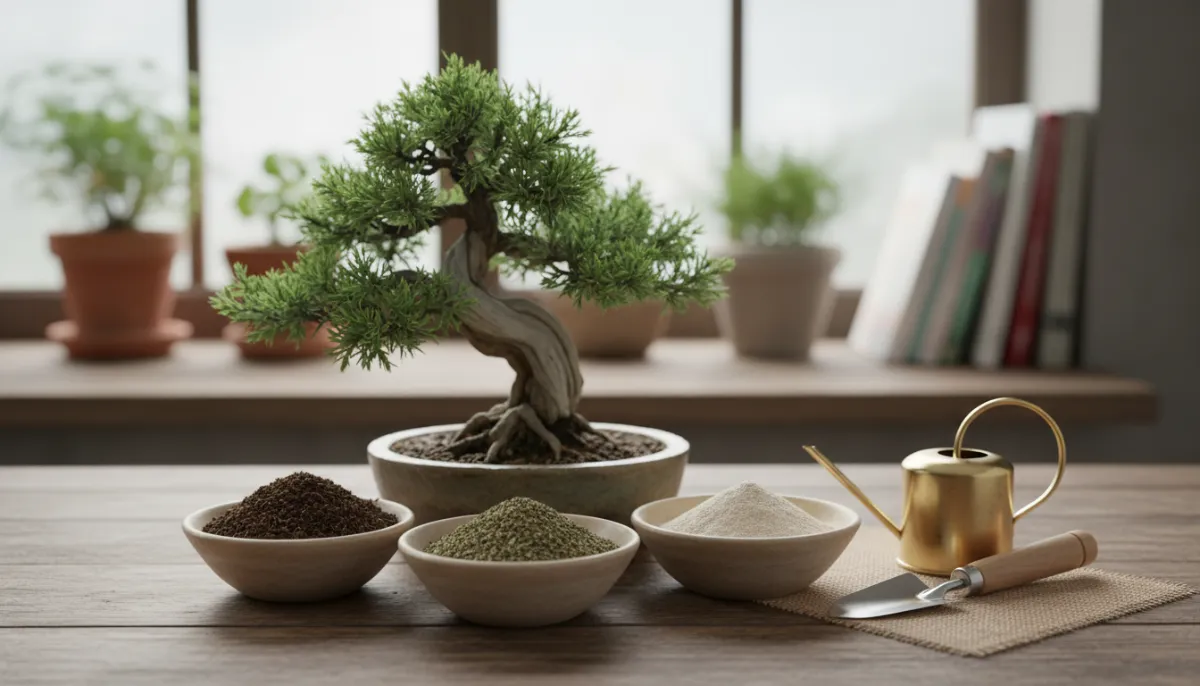
Organic fertilizers offer a gentle, sustained approach to feeding your bonsai. They work by improving the soil’s overall health, encouraging beneficial microbial activity, and slowly releasing nutrients over time. This mimics how trees would receive nutrients in their natural environment.
Using organic options can lead to stronger root systems and a more resilient tree. They are often favored by enthusiasts who prefer a more natural and holistic cultivation method for their miniature masterpieces.
Key Advantages of Organic Fertilizers
- Slow-Release Nutrition: Nutrients are released gradually, reducing the risk of over-fertilization and nutrient burn.
- Improved Soil Structure: Enhances soil aeration, drainage, and water retention, creating a healthier environment for roots. For optimal results, understanding different soil components like those reviewed in Bonsai Soil Reviews: Akadama, Pumice, Lava Rock and implementing Advanced Bonsai Watering Systems & Tips can further enhance nutrient absorption and overall tree health.
- Boosts Microbial Life: Supports beneficial microorganisms in the soil, which help break down organic matter and make nutrients available to the tree.
- Environmental Friendliness: Generally considered safer for the environment and less likely to cause runoff pollution.
- Natural Growth: Promotes natural, steady growth without sudden surges that can stress the tree.
Popular Organic Options
Several types of organic fertilizers are highly recommended for bonsai. Each offers a unique blend of nutrients and benefits. Understanding these options is part of solid bonsai fertilizer recommendations.
Fish emulsion, a liquid organic fertilizer, provides a good source of nitrogen, promoting lush foliage growth. Bone meal is excellent for phosphorus, which encourages strong root development and flowering. Blood meal is rich in nitrogen, beneficial for vegetative growth. Solid organic cakes, often made from various plant and animal by-products, provide consistent, long-term feeding.
When using organic fertilizers, consistency is key. Apply them regularly according to product instructions, as their effects build up over time. Ensure proper ventilation if using solid organic cakes, as they can sometimes produce odors during decomposition.
Understanding Chemical Fertilizers for Bonsai
Chemical, or synthetic, fertilizers offer precise control over nutrient delivery. They are fast-acting and provide readily available nutrients to your bonsai. This can be particularly useful for addressing specific deficiencies quickly or for promoting vigorous growth during key periods.
Unlike organic fertilizers, chemical options do not contribute to soil structure or microbial health. Their primary function is to deliver specific nutrients directly to the plant’s roots. They are a powerful tool when used correctly, but require careful measurement and application to avoid potential harm.
Types of Chemical Fertilizers
Chemical fertilizers for bonsai typically come in two main forms: liquid and slow-release granules. Both have their place in a balanced feeding regimen.
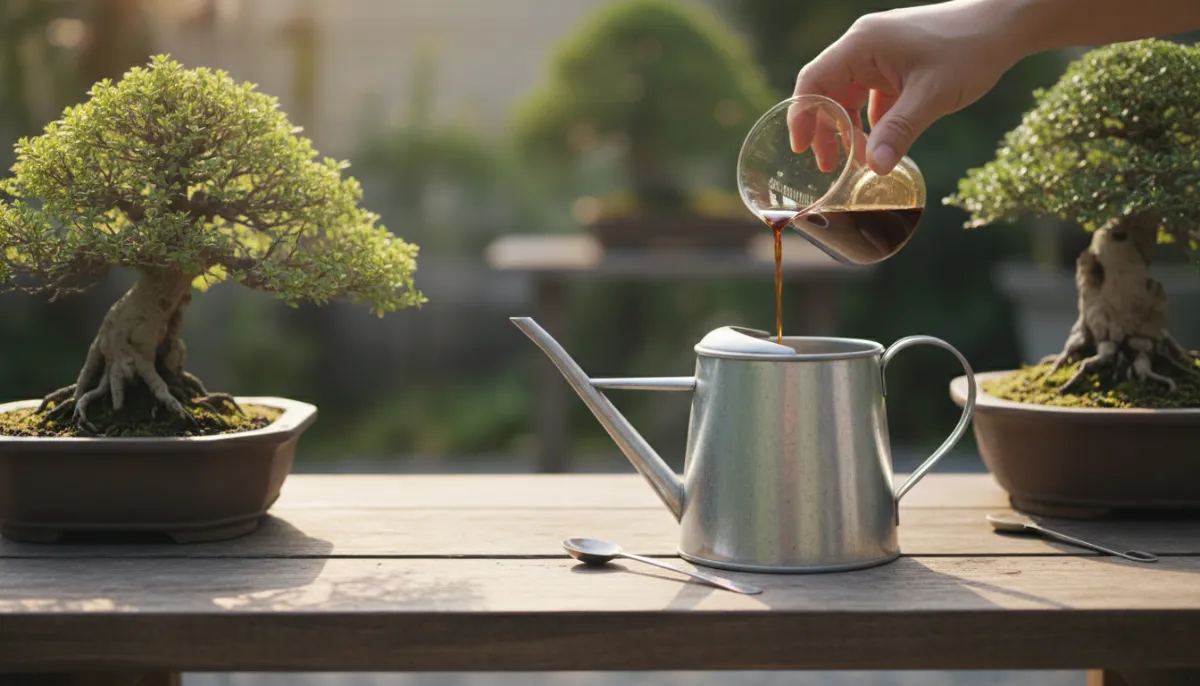
Liquid Fertilizers: These are dissolved in water and applied during regular watering. They offer immediate nutrient uptake and allow for easy adjustment of concentration. Common types are balanced NPK (Nitrogen, Phosphorus, Potassium) formulas, often with micronutrients. They are ideal for rapid response to nutrient needs.
Slow-Release Granules: These pelleted fertilizers are placed on the soil surface and release nutrients gradually over weeks or months with each watering. They reduce the frequency of application, making them convenient for many growers. Popular brands often have specific formulations designed for bonsai.
When to Use Chemical Options
Chemical fertilizers are excellent for boosting growth during the active growing season (spring and summer). They are also effective for:
- Correcting Deficiencies: If your bonsai shows signs of specific nutrient lack, a targeted chemical fertilizer can provide a quick fix.
- Accelerating Growth: For younger trees or those undergoing significant structural development, such as when applying Wiring Techniques for Bonsai Branches, chemical fertilizers can promote faster growth.
- Convenience: Slow-release granules offer an easy, low-maintenance feeding solution for busy enthusiasts.
However, precise measurement and dilution are critical to prevent root burn. Always follow the manufacturer’s guidelines, and when in doubt, use a weaker solution than recommended. Over-fertilization with chemical products can cause severe damage to your bonsai.
Bonsai Fertilizer Application Guidelines
Proper application is as important as choosing the right product. Following these general bonsai fertilizer recommendations will help ensure your tree receives optimal nutrition without suffering harm. Always consider your tree’s species, age, and health when determining your feeding schedule.
A common mistake is assuming more fertilizer means faster, healthier growth. For bonsai, less is often more. Consistent, moderate feeding is far superior to infrequent, heavy applications.
Seasonal Application Tips
- Spring: This is the most active growth period. Begin fertilizing regularly once new buds appear and leaves start to expand, following best practices for Spring Care for Bonsai SH. Use a balanced fertilizer.
- Summer: Continue regular feeding. You might switch to a slightly lower nitrogen formula, especially if you’re aiming for fruit or flower development.
- Autumn: Reduce or stop fertilizing as temperatures drop and growth slows. This allows the tree to harden off for winter.
- Winter: Most deciduous and temperate evergreen bonsai do not need fertilizer during dormancy. For optimal health during colder periods, ensuring proper Winter Protection for NZ Bonsai: Ensuring Health Through Colder Months is crucial. For specific species like jade, proper Jade Bonsai Winter Care is also essential. Tropical indoor bonsai, such as those requiring dedicated Ficus Bonsai Care: Tropical Species Mastery, might need very infrequent, highly diluted feeding.
Proper Dilution and Frequency
Correct dilution is vital, especially with chemical fertilizers. Always water your bonsai thoroughly, understanding Basic Bonsai Watering Techniques, before applying liquid fertilizer. Always dilute liquid fertilizers to at least half or even a quarter of the strength recommended for regular potted plants. Over-fertilizing can cause root burn, leaf damage, and even kill your bonsai.
Frequency depends on the type of fertilizer, the tree’s species, and its growth stage. Organic solid fertilizers might be applied monthly, while liquid chemical fertilizers could be weekly or bi-weekly during peak growing season. Always adjust based on your tree’s specific needs and environmental conditions.

Choosing the Right Approach: Organic, Chemical, or Hybrid?
Deciding between organic and chemical fertilizers isn’t always an either or situation. Many bonsai enthusiasts employ a hybrid approach, leveraging the benefits of both. This strategy often yields the best results for robust and healthy bonsai trees.
For instance, you might use slow-release organic cakes for steady, foundational nutrition and soil health. Then, supplement with diluted liquid chemical fertilizers during periods of strong growth or when a quick nutrient boost is needed. This combines the long-term benefits of organics with the precise control of chemicals.

Understanding NPK Ratios for Bonsai
NPK stands for Nitrogen (N), Phosphorus (P), and Potassium (K) – the three primary macronutrients essential for plant growth. Fertilizers display these as three numbers (e.g., 10-10-10) indicating the percentage by weight of each nutrient.
Nitrogen (N): Promotes lush foliage and strong vegetative growth. Higher nitrogen formulas are great in spring for deciduous trees. However, too much can lead to overly large leaves and weak wood.
Phosphorus (P): Essential for root development, flowering, and fruiting. Important for overall plant energy transfer and disease resistance. Use higher phosphorus formulas for flowering or fruiting bonsai.
Potassium (K): Supports overall plant health, strengthens cell walls, and improves resistance to stress, disease, and cold. Crucial for robust tree structure.
Your bonsai’s specific bonsai fertilizer recommendations will vary based on its species, age, and your cultivation goals (e.g., strong growth, flowering, refinement).
Common Mistakes in Bonsai Fertilization
Even experienced growers can make errors. Knowing these common pitfalls can help you avoid them and keep your bonsai healthy.
- Over-Fertilization: The most common mistake. Too much fertilizer, especially chemical, can burn roots and foliage. Always dilute more than you think is necessary.
- Fertilizing Dry Soil: Always water your bonsai thoroughly before applying liquid fertilizer. Applying to dry soil can concentrate salts and damage roots.
- Incorrect Seasonal Application: Fertilizing during dormancy can lead to weak, forced growth that is susceptible to winter damage.
- Ignoring Tree Health: Never fertilize a sick, weak, or newly repotted bonsai. Allow the tree to recover its strength first.
- Not Rinsing the Soil: Over time, salts can build up in the soil. Periodically flushing the soil with plain water can prevent this issue.
By being mindful of these points, you can significantly improve your bonsai’s health and longevity. For more general care tips, consider resources like Wikipedia’s Bonsai article for a broader understanding of bonsai care practices.
Signs of Nutrient Deficiency or Excess
Your bonsai will often tell you if its nutrient intake isn’t right. Learning to read these signs is crucial for effective care.
Signs of Deficiency:
- Yellowing Leaves (Chlorosis): Often indicates a nitrogen or iron deficiency. Nitrogen deficiency usually shows in older leaves first.
- Stunted Growth: A general lack of nutrients, especially phosphorus, can lead to slow growth and small leaves.
- Purple or Red Tint to Leaves: Can indicate a phosphorus deficiency.
- Weak Branches or Poor Flowering: May point to a lack of potassium or phosphorus.
Signs of Excess (Over-Fertilization):
- Brown, Crispy Leaf Edges: A classic sign of root burn from too much fertilizer salt.
- Wilting, Even When Watered: Damaged roots can’t absorb water properly.
- Rapid, Unnatural Growth: While some growth is good, excessive, leggy growth can indicate too much nitrogen.

The Importance of Micronutrients
While NPK are macronutrients, bonsai also require micronutrients in smaller amounts. These include iron, manganese, zinc, copper, boron, and molybdenum. They are just as vital for healthy growth, enzymatic functions, and overall tree vigor. A comprehensive approach to bonsai health also involves considering aspects like Choosing Bonsai Pots for NZ Natives: Function & Form.
Most good quality bonsai fertilizers, both organic and chemical, will include a balanced blend of these trace elements. If you suspect a micronutrient deficiency, look for specific liquid supplements or check your fertilizer’s ingredient list. Healthy soil, especially with organic matter, naturally provides a range of these elements, reinforcing the value of a comprehensive approach to Bonsai Soil, Fertilization & Nutrition.