Yellow Leaves Bonsai Fix: Your Ultimate Guide to Healthy Foliage
If you’re noticing your beloved bonsai’s leaves turning yellow, don’t panic. This guide offers the ultimate yellow leaves bonsai fix, helping you understand the common causes and providing clear, actionable steps to restore your tree’s vibrancy. Healthy bonsai trees bring joy and tranquility, and with the right care, yours can thrive again.
A yellow leaves bonsai fix addresses discoloration caused by factors like incorrect watering, nutrient imbalances, pest issues, or environmental stress. It involves specific care adjustments—such as optimizing light, fertilization, and repotting—to restore your miniature tree’s vibrancy and promote robust health for years to come.

Table of Contents
- Understanding Why Your Bonsai Leaves Turn Yellow
- Watering Wisdom: The Key to a Healthy Bonsai
- Nutrient Needs: Feeding Your Bonsai for Vitality
- Light, Temperature, and Location: Environmental Factors
- Pest Problems and Diseases: Unwelcome Visitors
- Root Health and Repotting: A Foundation for Growth
- Species-Specific Solutions: Tailoring Your Care
- Advanced Troubleshooting and Seasonal Care for 2025
- Conclusion: Empowering Your Bonsai Journey
Understanding Why Your Bonsai Leaves Turn Yellow
Yellowing leaves, also known as chlorosis, are a common cry for help from your bonsai. It signals that something in its environment or care routine isn’t quite right. Identifying the specific cause is the first crucial step towards finding the right yellow leaves bonsai fix.

The Top Causes of Yellowing Bonsai Leaves
Many factors can contribute to leaves losing their green color. These often include improper watering, nutrient deficiencies, insufficient light, temperature stress, pests, or even the natural aging process of older leaves.
Our experts have seen it all. By carefully observing your tree and its environment, you can narrow down the possibilities. Remember, each symptom tells a story about your bonsai’s health.
Watering Wisdom: The Key to a Healthy Bonsai
Improper watering is by far the most frequent reason for yellowing leaves. Both too much and too little water can stress your bonsai, leading to discoloration. Understanding the correct yellow leaves bonsai fix often starts with mastering your watering routine.
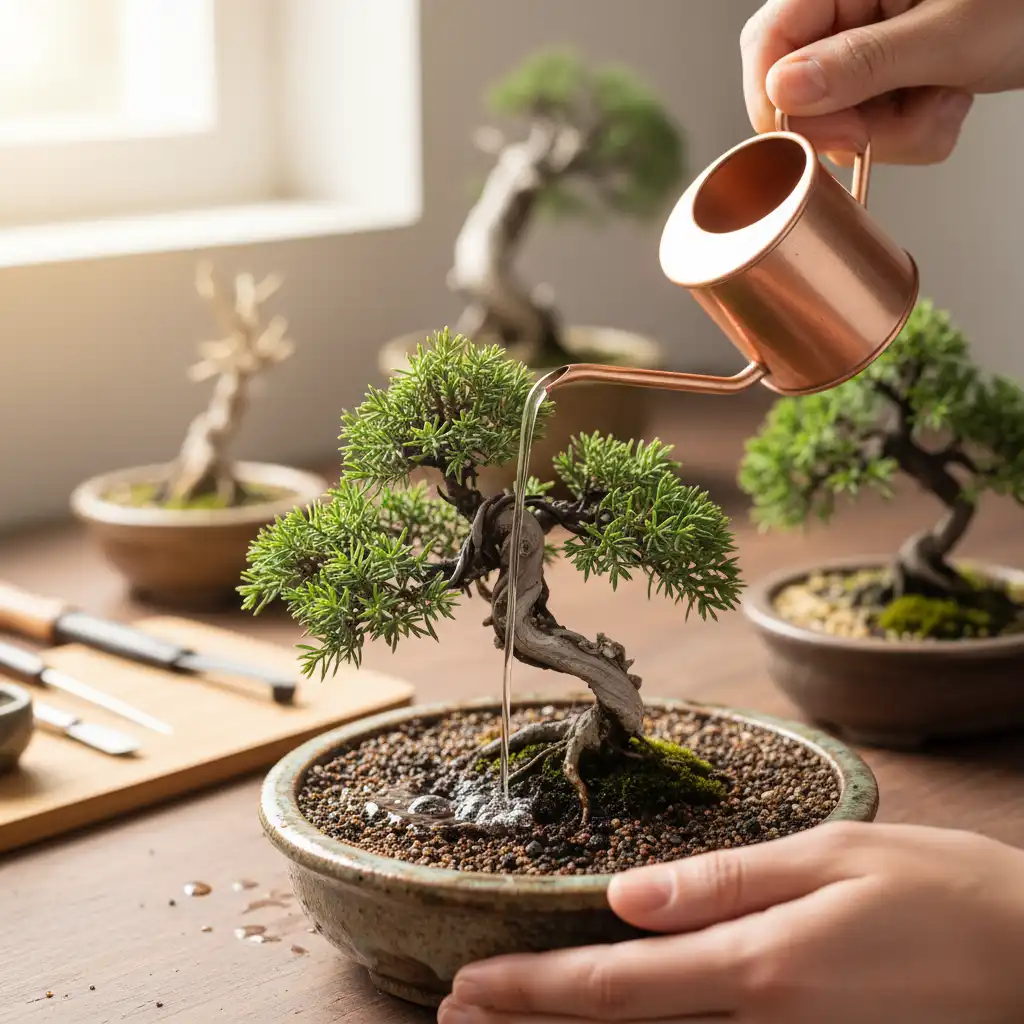
Overwatering vs. Underwatering: Spot the Signs
- Overwatering: Leaves often turn a pale yellow, feel soft, and may drop easily. The soil remains wet for extended periods, and roots can rot.
- Underwatering: Leaves usually turn crispy yellow or brown, especially at the edges. They might curl, and the soil will feel completely dry to the touch.
Perfecting Your Watering Routine
The ‘when’ and ‘how’ of watering are crucial. Always check the soil moisture before watering. A simple finger test, feeling about an inch deep, is often enough. Water thoroughly until water drains from the bottom of the pot.
The frequency depends on your bonsai species, pot size, soil type, and climate. Adjust your routine seasonally, watering less in cooler, dormant months and more frequently during active growth periods.
Nutrient Needs: Feeding Your Bonsai for Vitality
Just like any living thing, bonsai trees need proper nutrition. A deficiency in essential nutrients can quickly lead to yellowing leaves. Addressing these needs is a key part of any comprehensive yellow leaves bonsai fix strategy.
Identifying Nutrient Deficiencies
Different nutrient deficiencies present unique symptoms:
- Nitrogen (N): Uniform yellowing of older leaves, slow growth.
- Iron (Fe): Yellowing between the veins of younger leaves, while veins remain green (interveinal chlorosis).
- Magnesium (Mg): Similar to iron, but typically affects older leaves first, often starting at the leaf margins.
Choosing the Right Bonsai Fertilizer
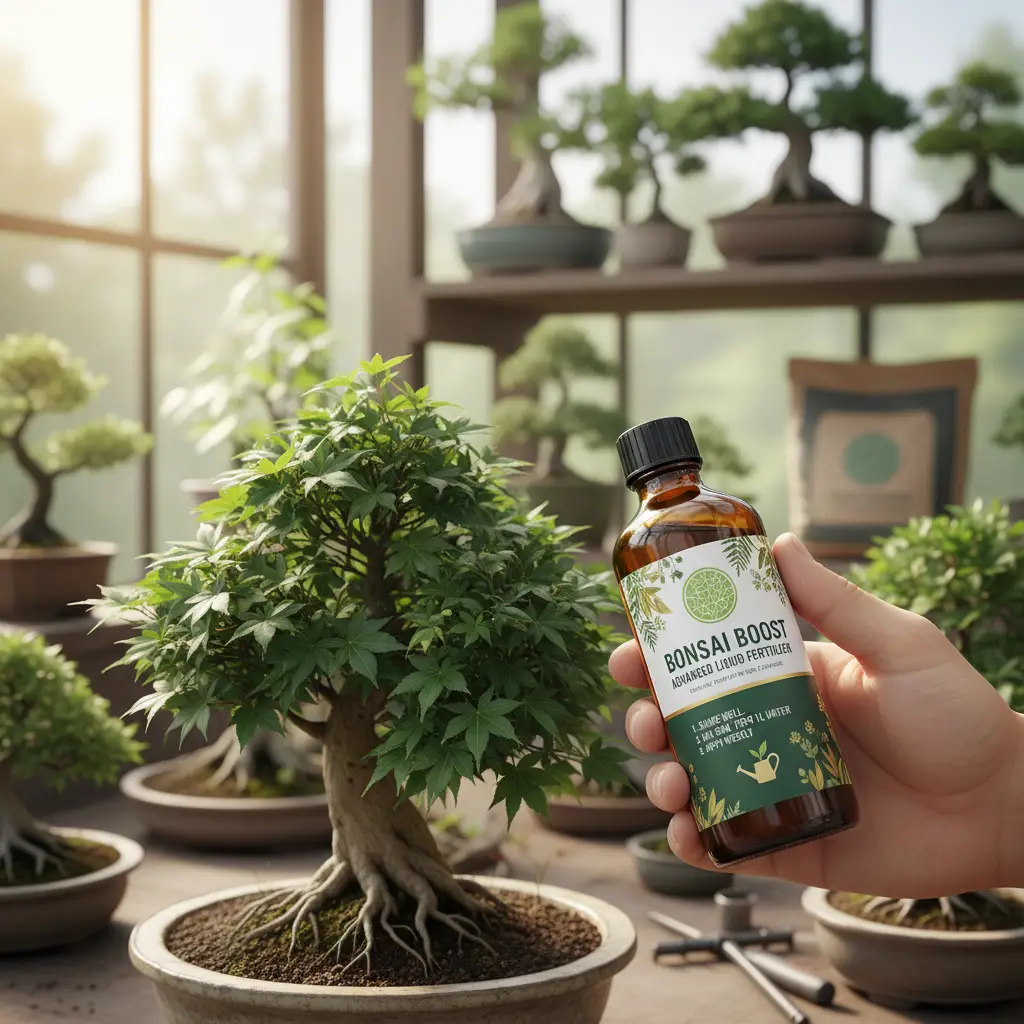
Use a balanced bonsai-specific fertilizer (learn more about Choosing & Applying Bonsai Fertilizer Brands). These are formulated to provide the precise nutrients your miniature tree needs without causing burn. Follow the package instructions carefully, typically fertilizing during the growing season and reducing or stopping during dormancy.
For immediate fixes, chelated iron supplements can quickly address iron deficiencies, often showing results within days. Always dilute fertilizers properly to avoid root damage.
Light, Temperature, and Location: Environmental Factors
The environment plays a huge role in your bonsai’s health. Incorrect light exposure, extreme temperatures, or frequent location changes can cause stress, leading to yellow leaves. Finding the perfect spot is vital.
The Right Light for Different Bonsai Species
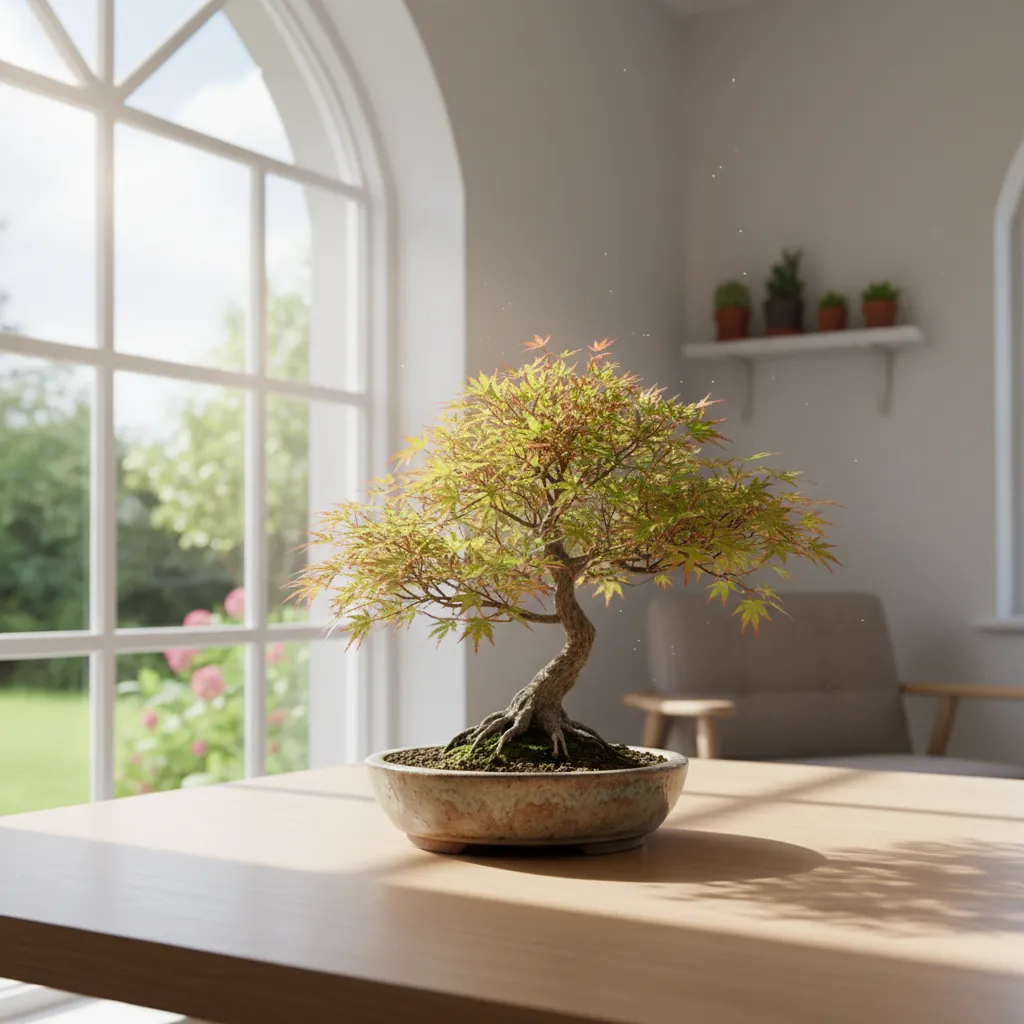
Most bonsai species require ample bright, indirect light. Indoor bonsai often suffer from insufficient light, leading to pale yellow leaves and weak growth. Outdoor bonsai, however, can get sunburned by intense afternoon sun, resulting in bleached yellow or brown spots.
Research your specific species’ light requirements. Consider rotating your indoor bonsai regularly to ensure even light exposure.
Temperature Stress and Its Impact
Sudden temperature changes or extreme heat/cold can shock a bonsai. Indoor trees placed near drafts, heating vents, or air conditioners can suffer. Ensure a stable environment and protect outdoor bonsai from frost or scorching sun.
Finding the Ideal Spot for Your Bonsai
The best location provides consistent light, stable temperatures, and good air circulation. Avoid moving your bonsai frequently, as trees can be sensitive to changes in their surroundings. A stable home is a happy home for your bonsai.
Pest Problems and Diseases: Unwelcome Visitors
Sometimes, yellow leaves are a symptom of a deeper issue: pests or diseases. These unwelcome visitors can suck vital nutrients from your tree or damage its tissues, leading to discoloration and decline. Early detection is key.
Common Pests That Cause Yellowing
Keep an eye out for these common culprits:
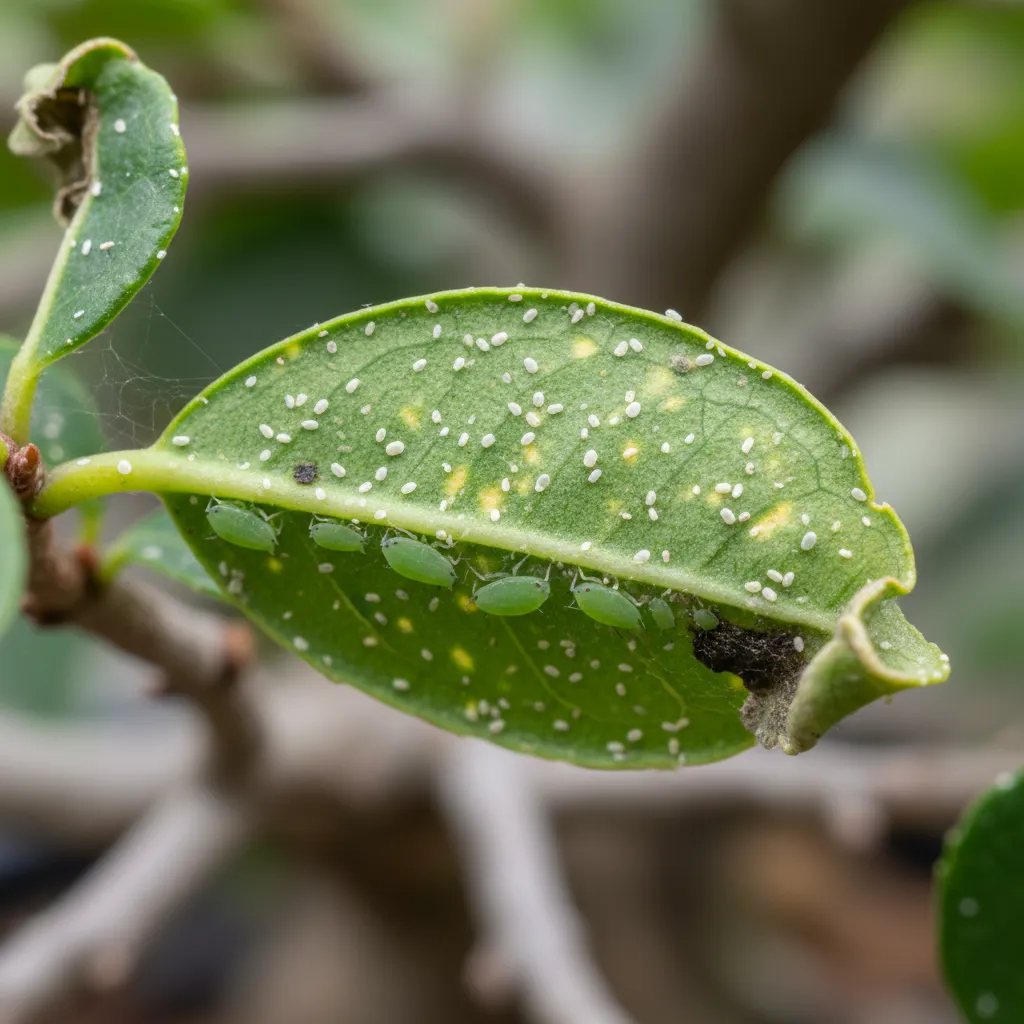
- Spider Mites: Tiny red or brown mites, often visible with fine webbing on leaves. Leaves turn speckled yellow.
- Aphids: Small green, black, or brown insects clustered on new growth. Cause distorted, yellowing leaves.
- Mealybugs: White, cottony masses found in leaf axils and undersides. Leads to yellowing and sticky residue.
- Scale Insects: Small, hard-shelled bumps on stems and leaves. Sap-suckers causing yellowing and wilting.
Inspect your bonsai regularly, especially the undersides of leaves and new growth. If you spot pests, isolate the tree and treat it with neem oil or an appropriate insecticidal soap. For deeper dives into regional challenges, explore resources like Common Pests of NZ Native Bonsai: Identification & Organic Solutions.
Recognizing and Treating Bonsai Diseases
Fungal infections, often caused by excessive humidity or poor air circulation, can also cause yellow spots or widespread yellowing. Look for unusual spots, lesions, or powdery growth. Good hygiene, proper watering, and sometimes fungicides can help. For comprehensive details, explore Common Bonsai Pests & Diseases: Identification & Treatment.
For more detailed information on specific plant diseases, you can consult resources like Wikipedia’s plant pathology section.
Root Health and Repotting: A Foundation for Growth
A bonsai’s roots are its life support system. If the roots are unhealthy or constrained, the entire tree will suffer, often manifesting as yellow leaves. Proper root care and timely repotting are essential for long-term health.

Signs of a Root-Bound Bonsai
When a bonsai becomes root-bound, its roots fill the pot entirely, circling tightly and preventing efficient nutrient and water uptake. Signs include slow growth, water draining too quickly, and yes, yellowing leaves, often accompanied by general decline.
When and How to Repot Your Bonsai
Understanding Repotting Bonsai: When, Why, and How-to is essential; it’s generally done every 2-5 years, depending on the species and its growth rate. The best time is typically in early spring, just before new growth begins. During repotting, you trim back a portion of the old roots and replace the old soil with fresh, well-draining bonsai soil.
This provides new nutrients, improves drainage, and encourages a healthy root system, which is crucial for a vigorous tree and an effective yellow leaves bonsai fix.
Species-Specific Solutions: Tailoring Your Care
While general principles apply, different Bonsai Species Comparison for Different Climates have unique needs and may react to stress differently. Understanding these nuances can help you provide targeted care.
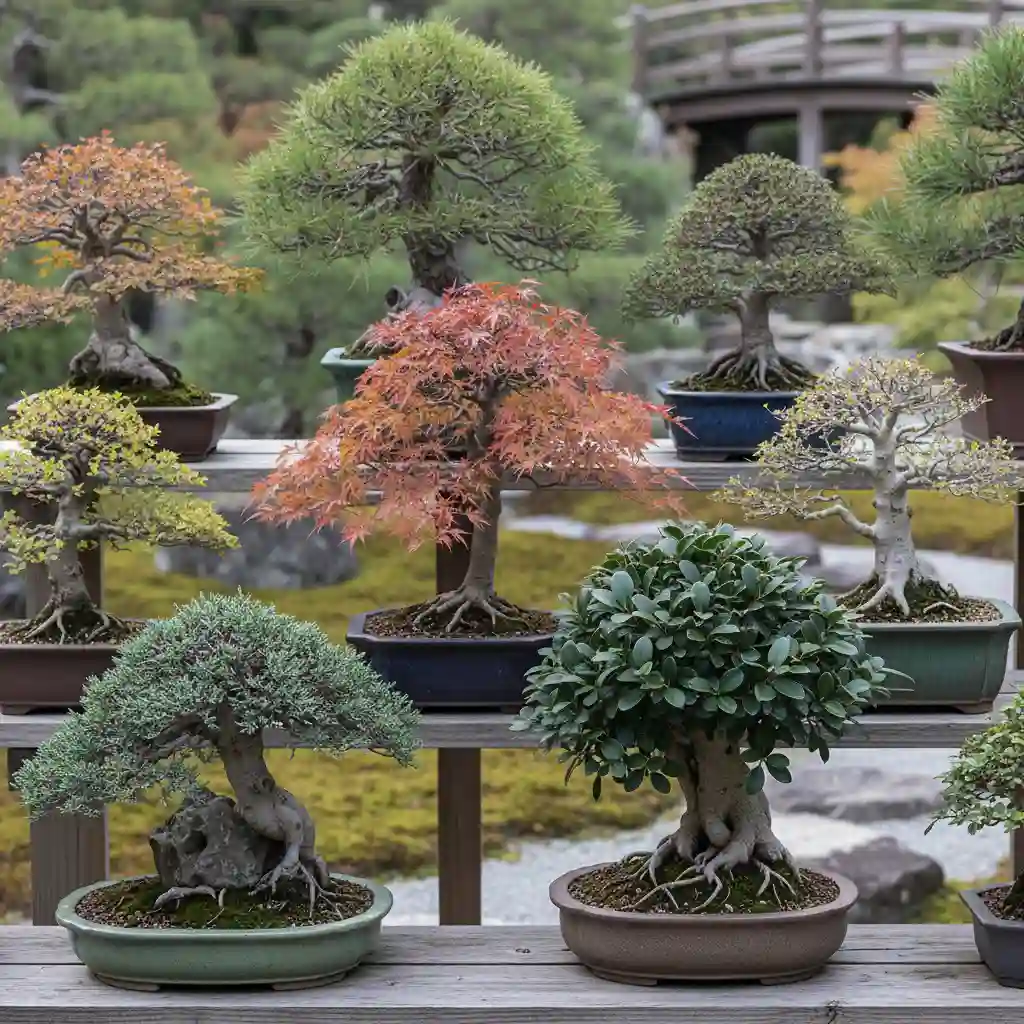
Ficus Bonsai: Keeping Leaves Green
Ficus bonsai are popular and relatively hardy. Yellowing in Ficus often points to overwatering, sudden temperature drops, or too little light. They prefer consistent warmth and bright, indirect light. Avoid moving them too often, as they can be sensitive to environmental changes.
Juniper Bonsai: A Unique Challenge
Juniper bonsai have scale-like foliage that can turn yellow or brown due to overwatering (leading to root rot), insufficient sunlight, or fungal diseases. They thrive outdoors with plenty of sun and good air circulation. Juniper foliage doesn’t usually recover once yellowed or browned; prune affected parts and adjust care.
Maple Bonsai: Seasonal Yellowing
Maple bonsai are deciduous, meaning their leaves naturally turn vibrant yellows, oranges, and reds in autumn before falling off. This seasonal change is normal and beautiful. If yellowing occurs outside of autumn, especially on new growth, it could indicate nutrient deficiencies (like iron) or watering issues.
For other species like Chinese Elm, Japanese Black Pine, or Azalea, always research their specific requirements for light, water, and humidity. Tailoring your approach is critical for the best yellow leaves bonsai fix.
Advanced Troubleshooting and Seasonal Care for 2025
As you become a more experienced bonsai enthusiast, you’ll learn to anticipate your tree’s needs. Looking ahead to 2025, focus on preventative care and advanced techniques, such as mastering your Spring Care for Bonsai, to keep your bonsai in peak condition.
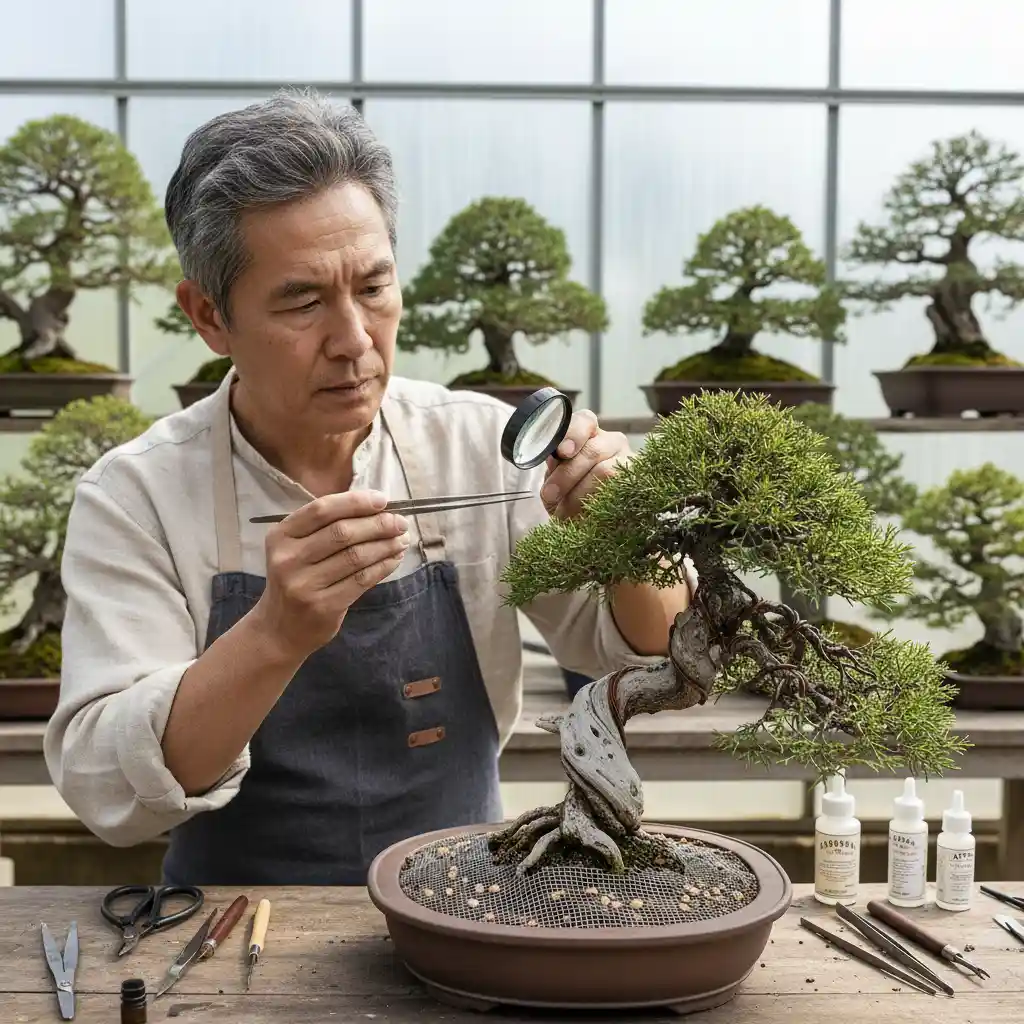
Winter Care and Dormancy
Many outdoor bonsai require a period of dormancy. During winter, reduce watering and protect them from extreme cold, but ensure they still get their necessary chill. Indoor bonsai may also slow down; adjust care accordingly to prevent yellowing from overwatering in cooler months.
Tools and Products for a Thriving Bonsai
Investing in quality bonsai tools can make a significant difference. Specialized watering cans, humidity trays, moisture meters, and organic fertilizers can all contribute to healthier trees. For those exploring specific styling techniques, learning How To Wire Totara Bonsai offers valuable insights. Our community offers product reviews and buying guides to help you choose the best supplies for your specific bonsai needs. Consider a good quality Bonsai Soil, Fertilization & Nutrition mix to ensure optimal drainage and aeration, preventing root problems that lead to yellowing.
Conclusion: Empowering Your Bonsai Journey
Seeing yellow leaves on your bonsai can be disheartening, but it’s a solvable problem. By carefully observing your tree and applying the principles of proper watering, nutrition, light, and pest control, you can revive its health and beauty. This guide provides the ultimate yellow leaves bonsai fix, empowering you with the knowledge to troubleshoot effectively.
Embrace the journey of learning and caring for your bonsai. With dedication and our comprehensive resources, your miniature tree will flourish for years to come. Don’t hesitate to connect with the Bonzai community for further support and shared wisdom!