Mastering Jade Bonsai Winter Care for Thriving Health

bonzai.co.nz
Jade Bonsai winter care is the specialized routine needed to protect these succulent plants (Crassula ovata) from cold, low humidity, and insufficient light during cooler months. It focuses on maintaining stable indoor temperatures, drastically reducing watering, and ensuring adequate light to prevent stress and promote robust health for the next growing season.
Understanding Jade Bonsai in Winter
Jade Bonsai are beautiful and resilient succulent plants that can thrive for decades with proper care. For broader bonsai insights, you might also find Maple Bonsai Care Tips useful, or if you’re keen on evergreen varieties, our Caring for Juniper Bonsai: A Comprehensive Guide offers valuable information. However, their subtropical origins mean they are not tolerant of freezing temperatures or harsh winter conditions.
This period requires a shift in routine to safeguard your plant from environmental stressors common in indoor settings, such as dry air and reduced light.
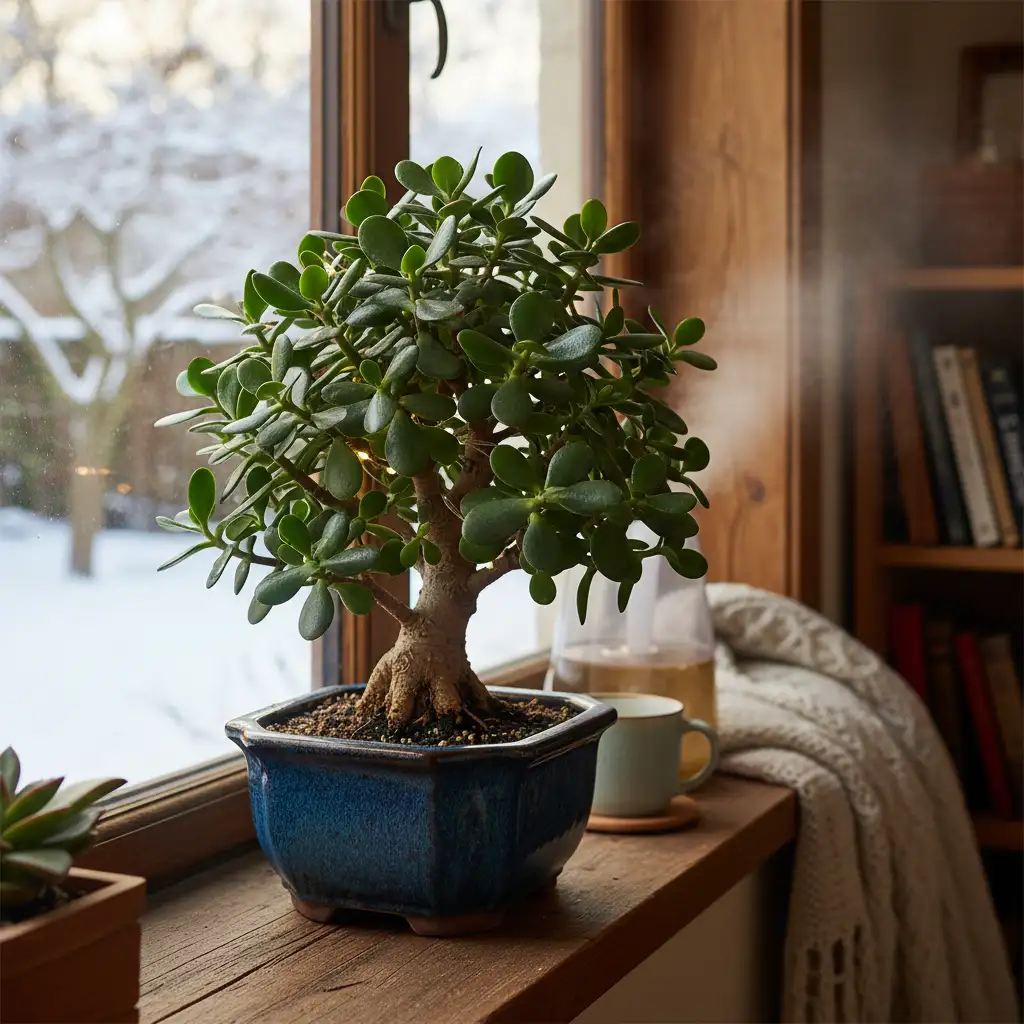
Why Winter Care is Crucial for Jade Bonsai
The winter period, typically from late autumn through early spring, presents several challenges for Jade Bonsai. Reduced sunlight, lower humidity, and the risk of cold drafts can quickly lead to stress, leaf drop, or even death. Without correct Jade Bonsai winter care, your plant’s vigor will decline, making it susceptible to diseases and pests.
These plants don’t enter a deep dormancy like many temperate trees. Instead, their growth slows down significantly. This semi-dormant state requires a specific approach to watering and light, different from their active growing season.
The Jade Bonsai’s Natural Habitat & Winter Needs
Originating from South Africa, Crassula ovata, or the common Jade plant, naturally experiences mild winters. They are accustomed to bright, indirect light and well-draining soil. Replicating these conditions indoors is the foundation of successful Jade Bonsai winter care.
Protecting them from cold drafts and extreme temperature fluctuations is vital. Even brief exposure to temperatures below 40°F (4°C) can cause irreversible damage to their fleshy leaves and stems, leading to blackening and rot.
Consistent observation of your plant’s health will guide your adjustments.
Essential Steps for Jade Bonsai Winter Care
Providing the right environment during winter can seem daunting, but by following a few key steps, your Jade Bonsai will thrive. Here’s a comprehensive guide to keep your plant healthy through the colder months.
Each step plays a vital role in maintaining the delicate balance your succulent needs.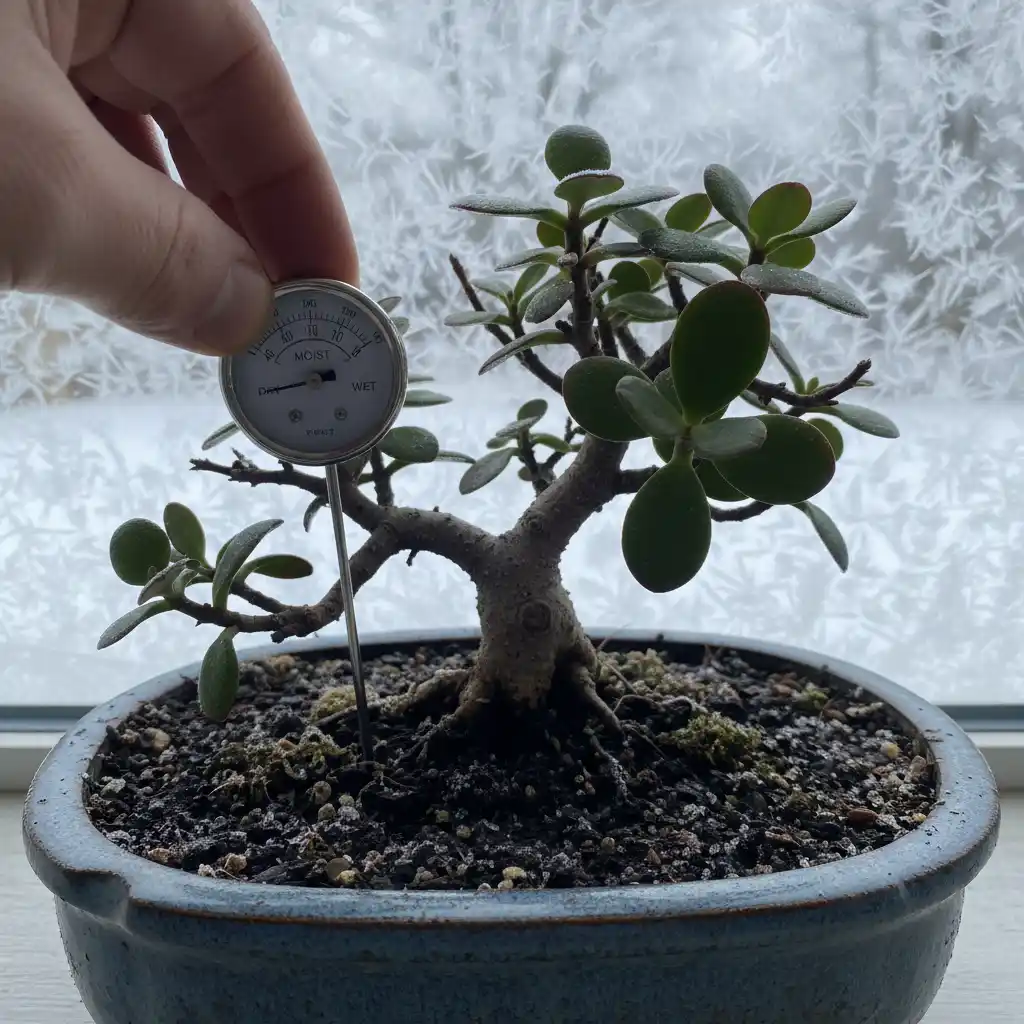
Step 1: Managing Indoor Temperatures
Maintain a consistent indoor temperature for your Jade Bonsai, ideally between 50°F and 75°F (10°C to 24°C). Avoid placing the plant near cold windows, exterior doors, or heating vents that can cause sudden temperature shifts. A stable environment is crucial for preventing stress during its slower growth period.
Fluctuations can shock the plant, leading to leaf drop or other issues.
Step 2: Proper Winter Watering Techniques
This is arguably the most critical aspect of Jade Bonsai winter care. Reduce watering significantly. Jade plants store water in their leaves and stems, making them susceptible to root rot if overwatered during dormancy. Water only when the soil is completely dry to the touch, often every 3-4 weeks.
When you do water, soak the soil thoroughly, ensuring excess drains away completely. Never let the pot sit in standing water.
Step 3: Providing Adequate Light Exposure
Even in winter, Jade Bonsai require plenty of light. Position your plant in the brightest spot available, ideally a south-facing window. If natural light is insufficient, consider using a full-spectrum LED grow light for 10-12 hours a day. Insufficient light can lead to leggy growth and pale leaves.
Bright light helps maintain leaf color and density, essential for a healthy plant.
Step 4: Humidity Control
Winter heating systems often dry out indoor air. While Jade Bonsai are succulents and tolerate drier conditions, extremely low humidity can still stress them. Consider using a pebble tray filled with water beneath the pot or a small humidifier nearby.
Do not mist the leaves directly, as this can encourage fungal issues. Good air circulation is more beneficial than direct misting.
Step 5: Avoiding Pests and Diseases
Stressed plants are more vulnerable to pests. Regularly inspect your Jade Bonsai for common houseplant pests like mealybugs or spider mites, especially on the undersides of leaves and in crevices. Early detection and treatment with horticultural oil or neem oil are key.
Ensure good air circulation to prevent fungal diseases, which thrive in stagnant, humid conditions.
Step 6: Pruning and Shaping Considerations
Winter is generally not the ideal time for heavy pruning, as the plant’s growth is slow. However, light maintenance pruning to remove dead or diseased branches can be done. Focus on shaping and more significant cuts during the active growing season in spring and summer. For a deeper understanding of aesthetics, delve into Bonsai Design Principles: Balance & Proportion. Additionally, for optimal shaping and maintenance, having the right tools is essential; consider our guide on Best Bonsai Tools for Beginners: A Starter Guide. For more advanced techniques, including those specific to native varieties, explore Wiring & Pruning NZ Natives: Shaping for Optimal Health & Aesthetics.
Pruning too much in winter can stress the plant unnecessarily and hinder its ability to recover.
Step 7: Fertilization in Colder Months
Jade Bonsai do not need fertilizer during their slower winter growth. Over-fertilizing can lead to nutrient burn or salt buildup in the soil, harming the roots. This can be more detrimental than beneficial during dormancy.
Resume a diluted feeding schedule only when active growth resumes in spring, indicating the plant is ready to utilize nutrients. To learn more about selecting and applying appropriate products, consult our guide on Choosing & Applying Bonsai Fertilizer Brands.
Common Challenges and Solutions
Even with the best intentions, you might encounter issues with your Jade Bonsai during winter. Knowing how to react quickly can save your plant and ensure its survival through the season.
Addressing problems promptly is key to successful winter care.
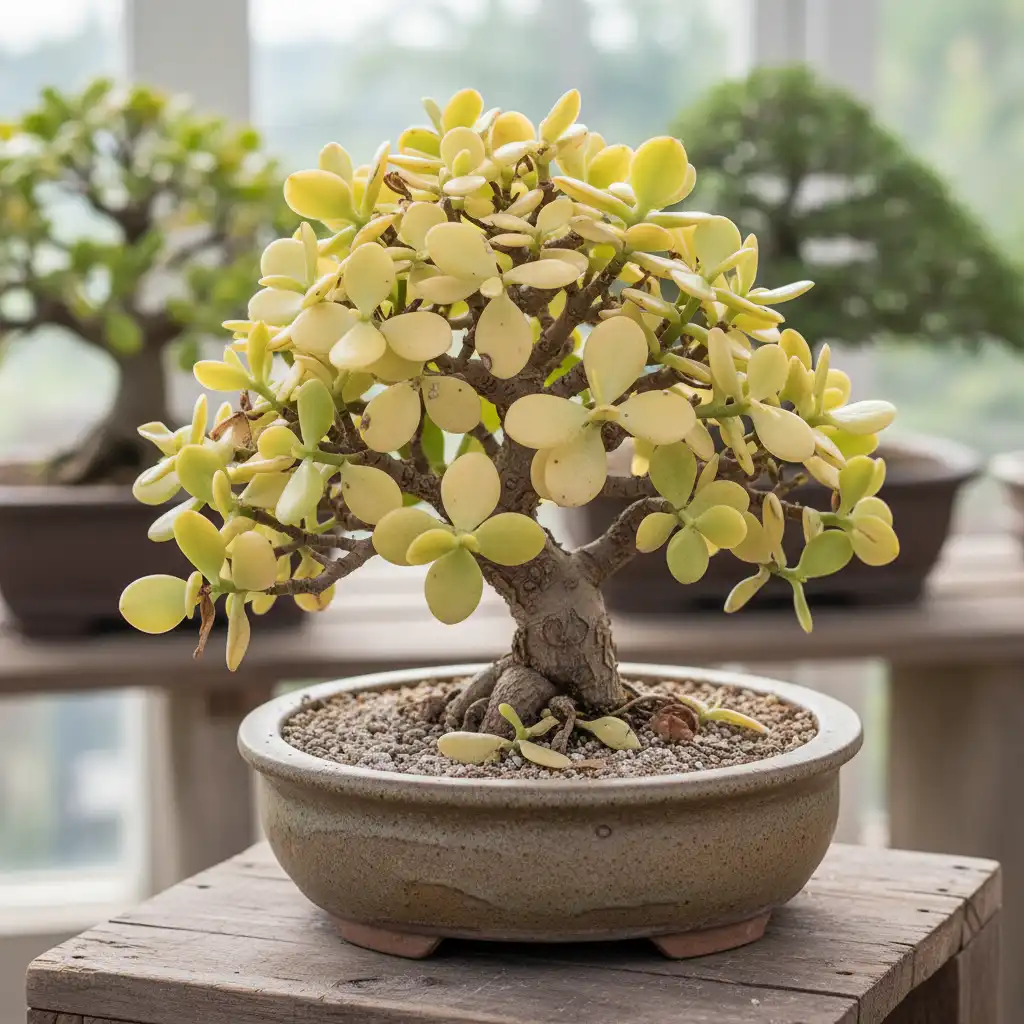
Dealing with Leaf Drop
Leaf drop can indicate several problems: overwatering, underwatering, or insufficient light. First, check your watering schedule and soil moisture. If the leaves are soft and yellow, it’s likely overwatering. If they are shriveled and dry, it’s underwatering.
Adjust your watering accordingly and ensure your plant is receiving adequate light exposure. Often, simply moving it to a brighter spot can resolve light-related leaf drop.
Preventing Root Rot
Root rot is almost always a result of overwatering and poor drainage. Symptoms include wilting, yellowing leaves, and a soft stem base. To prevent it, always use a pot with drainage holes and Bonsai Soil, Fertilization & Nutrition.
If you suspect root rot, gently remove the plant, trim affected roots, and repot in fresh, dry soil. Learning more about plant physiology and root health can be beneficial. For additional information, refer to Plant Root on Wikipedia.
Pest Infestations
Mealybugs and spider mites are common indoor pests that can target stressed Jade Bonsai. Look for white, cottony masses (mealybugs) or fine webbing (spider mites) on the leaves and stems. Isolate affected plants immediately to prevent spread.
Treat with a cotton swab dipped in rubbing alcohol for mealybugs, or use insecticidal soap for spider mites. Regular inspection is your best defense against these tiny invaders, ensuring prompt treatment. For more on specific pest challenges, including those affecting native varieties, explore Common Pests of NZ Native Bonsai: Identification & Organic Solutions.
Preparing for Spring
As winter concludes and the days lengthen, your Jade Bonsai will begin to emerge from its semi-dormant state. A smooth transition is key to its health and vigorous growth in the coming growing season.
Careful preparation now will set the stage for a spectacular spring display.
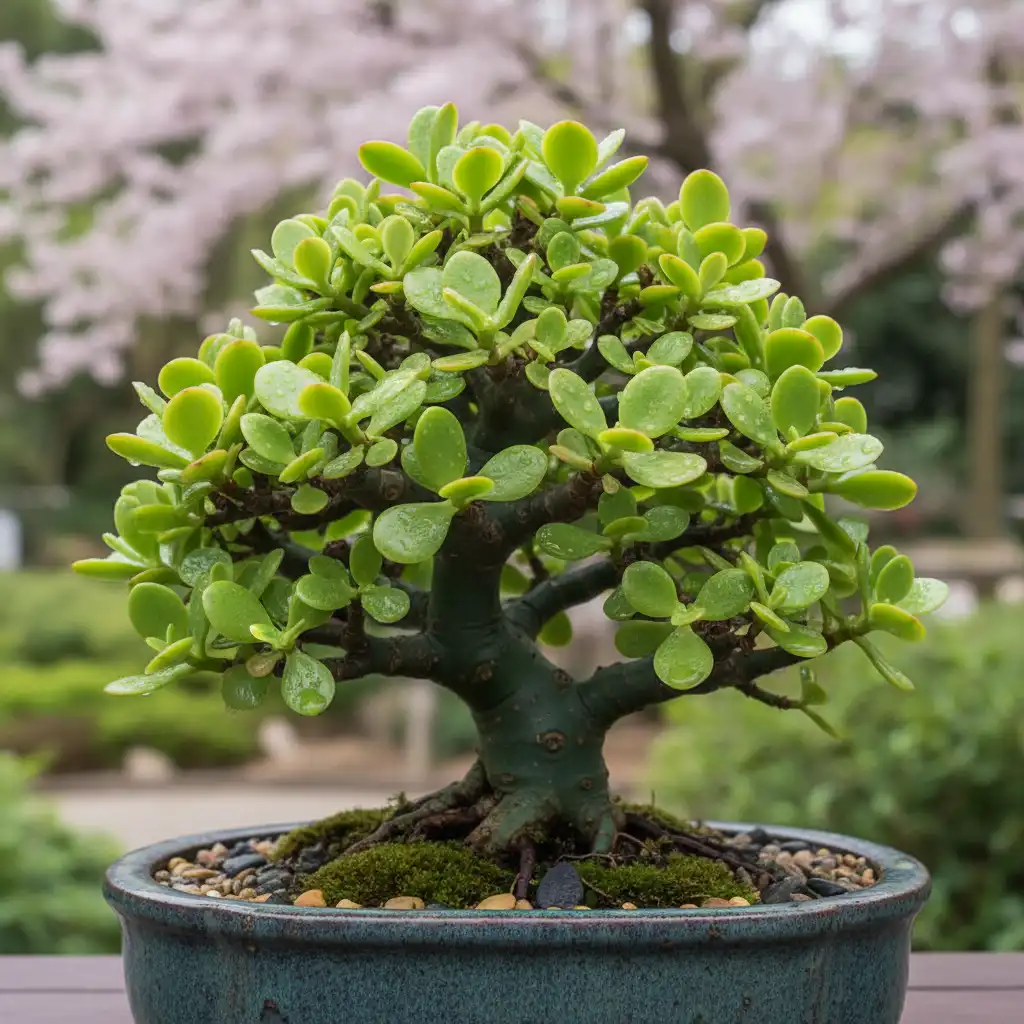
Gradual Acclimatization
Once frost danger has passed and temperatures consistently rise, you can gradually move your Jade Bonsai outdoors. Start by placing it in a shaded spot for a few hours each day, slowly increasing its exposure to brighter light over a week or two.
This gradual acclimatization prevents sunburn and shock from sudden environmental changes, which can harm tender new growth.
Repotting Considerations
Spring is the best time for repotting if your Jade Bonsai needs it. Look for signs like roots circling the pot, water draining too slowly, or stunted growth. When repotting, use a well-draining succulent or bonsai mix and only go up one pot size if necessary.
This will give its roots fresh soil and room to grow during the active season, promoting overall plant health and vigor. For a comprehensive overview of general Spring Care for Bonsai SH, explore our detailed guide.
Conclusion: Nurturing Your Jade Bonsai Through Winter
Successful Jade Bonsai winter care is about consistency and attentiveness. By closely managing temperature, light, and especially watering, you can protect your cherished succulent from the harsh realities of winter.
Following these expert tips will ensure your Jade Bonsai not only survives but truly flourishes, emerging robust and ready for vigorous growth in the spring and beyond. Embrace the challenge, and enjoy the beauty of your healthy plant all year round.