Mastering Juniper Bonsai Care: A Comprehensive Guide

bonzai.co.nz
A juniper bonsai care guide focuses on the specific needs of these resilient trees, covering essential practices like proper watering, ideal sunlight, precise pruning, repotting, and pest control to ensure their health and aesthetic development. It helps enthusiasts maintain vibrant, well-shaped specimens.
Welcome to this comprehensive juniper bonsai care guide. Juniper bonsai are highly valued for their enduring beauty and unique appeal. These evergreen trees, with their rugged bark and dense foliage, capture the essence of ancient landscapes in miniature form. Their resilience makes them a popular choice for both beginners and experienced bonsai artists.
Mastering the art of juniper bonsai involves understanding their specific needs. This guide will equip you with the knowledge to grow healthy, vibrant specimens. From basic daily care to advanced styling techniques, we cover all aspects of nurturing these magnificent trees.
Watering Requirements for Juniper Bonsai
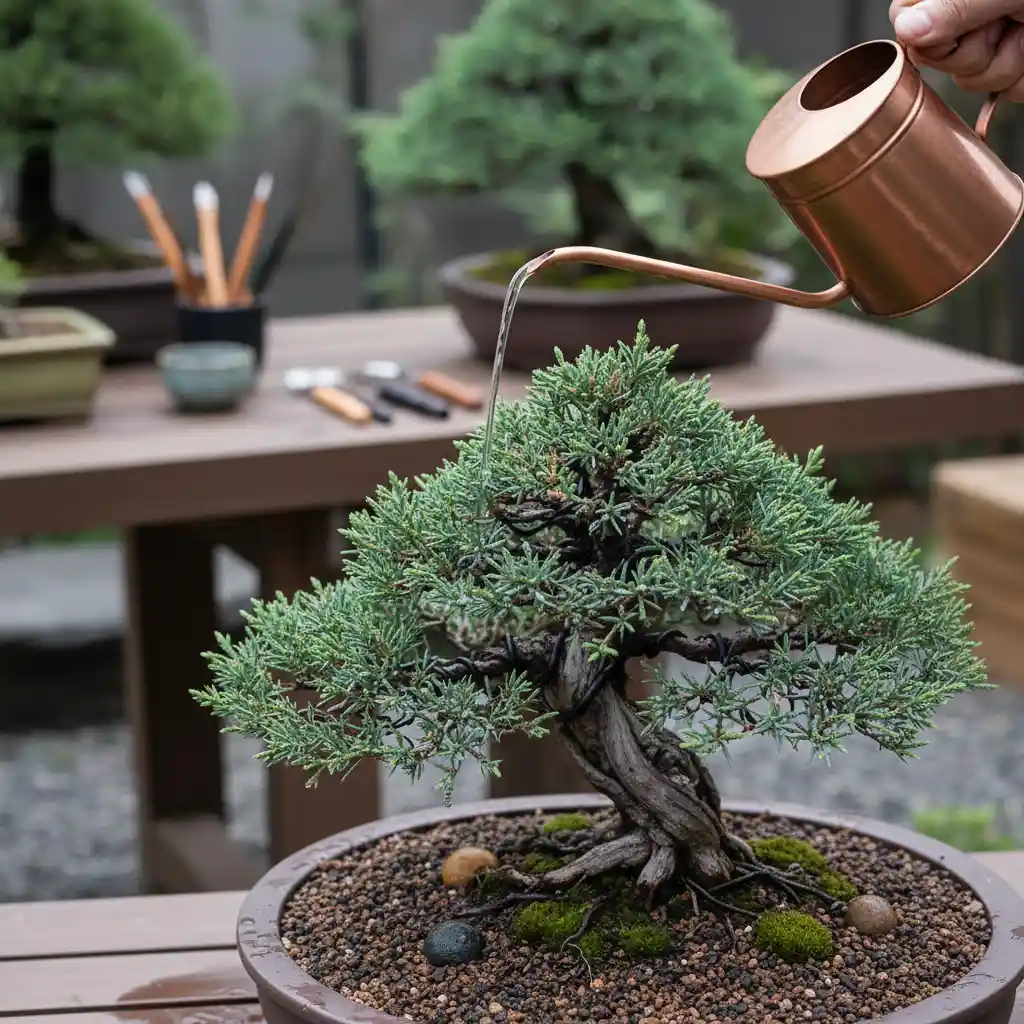
Proper watering is critical for the health of your juniper bonsai. These trees prefer their soil to dry out slightly between waterings. Overwatering is a common cause of root rot, a serious condition that can quickly kill your tree. Always check the soil moisture before watering.
To check, simply insert your finger about an inch into the soil. If it feels dry, it’s time to water. Water thoroughly until water drains from the bottom of the pot. During warmer months, you might need to water daily. In cooler seasons, watering frequency will decrease significantly.
Ensure your bonsai pot has adequate drainage holes. Good drainage prevents waterlogging and promotes healthy root growth. Consider using a mister to increase humidity around your juniper, especially during dry periods or if kept indoors.
Sunlight Exposure: The Key to Vigorous Growth
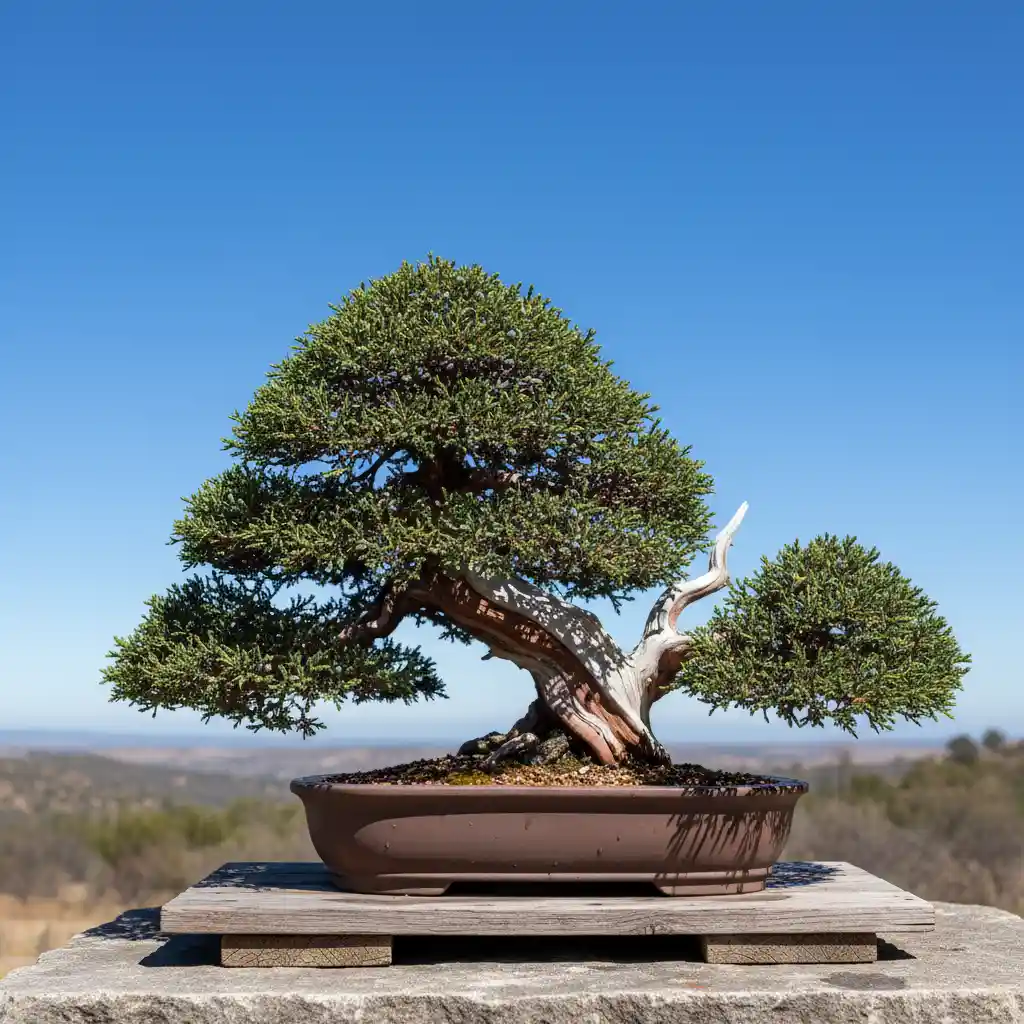
Juniper bonsai thrive in ample sunlight. They need at least six hours of direct sunlight per day to maintain their vigor and characteristic dense foliage. An outdoor location is almost always best for junipers. Place them where they can receive morning sun and some afternoon shade in extremely hot climates.
Insufficient light can lead to weak growth, sparse foliage, and a dull green color. If you notice these signs, move your juniper to a brighter spot. Good air circulation is also important alongside sunlight to prevent fungal issues and ensure healthy plant respiration.
Essential Pruning Techniques for Shape and Health
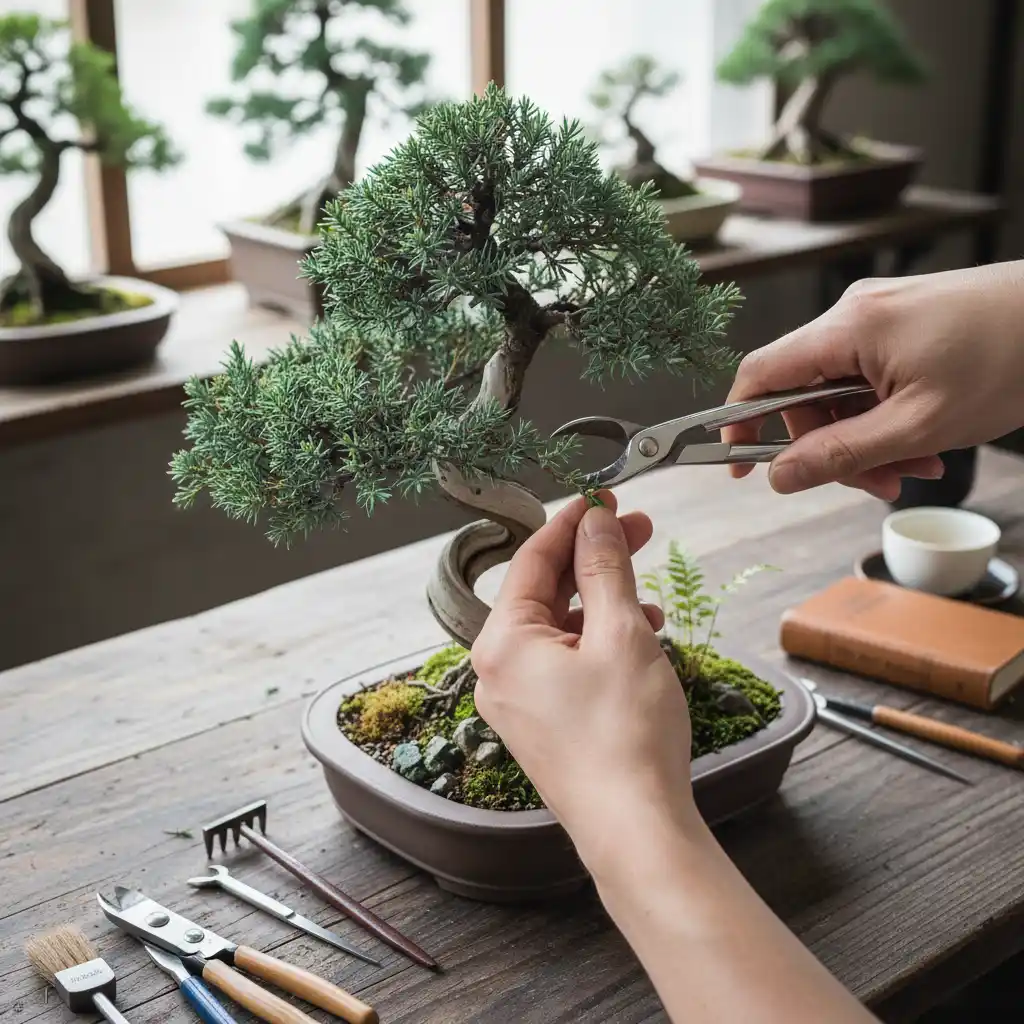
Pruning is fundamental to bonsai artistry, allowing you to shape and maintain your juniper’s aesthetic form. There are two main types: structural pruning and maintenance pruning.
Structural Pruning
Structural pruning involves removing larger branches to define the tree’s overall silhouette. This is often done during the tree’s dormant period. Aim to create a balanced structure, removing branches that cross, grow inward, or are overly thick. Carefully consider the final shape before making cuts.
Maintenance Pruning
Maintenance pruning, also known as pinching, is done throughout the growing season. This encourages ramification, which means developing finer, denser foliage pads. Pinch back new growth tips using your fingers or sharp shears. To equip yourself properly for these tasks, explore our guide on Essential Bonsai Tools for Beginners. Avoid cutting old wood, as junipers often do not bud back from it. These pruning principles are broadly applicable; for specific guidance on other species, consider our article on Wiring & Pruning NZ Natives: Shaping for Optimal Health & Aesthetics, and delve into The Future of NZ Native Bonsai: Innovation, Sustainability & Global Recognition for broader insights into indigenous species.
Wiring and Shaping
Wiring is another critical technique for shaping your juniper. Copper or anodized aluminum wire is carefully wrapped around branches to bend them into desired positions. Apply wire gently to avoid damaging the bark. Remove wire before it bites into the bark, typically after a few months. While focusing on junipers, similar care and techniques are also vital for other species, such as detailed in our guide on Pine Bonsai Care: Needles, Candles & Wiring.
Repotting and Soil Mix for Longevity
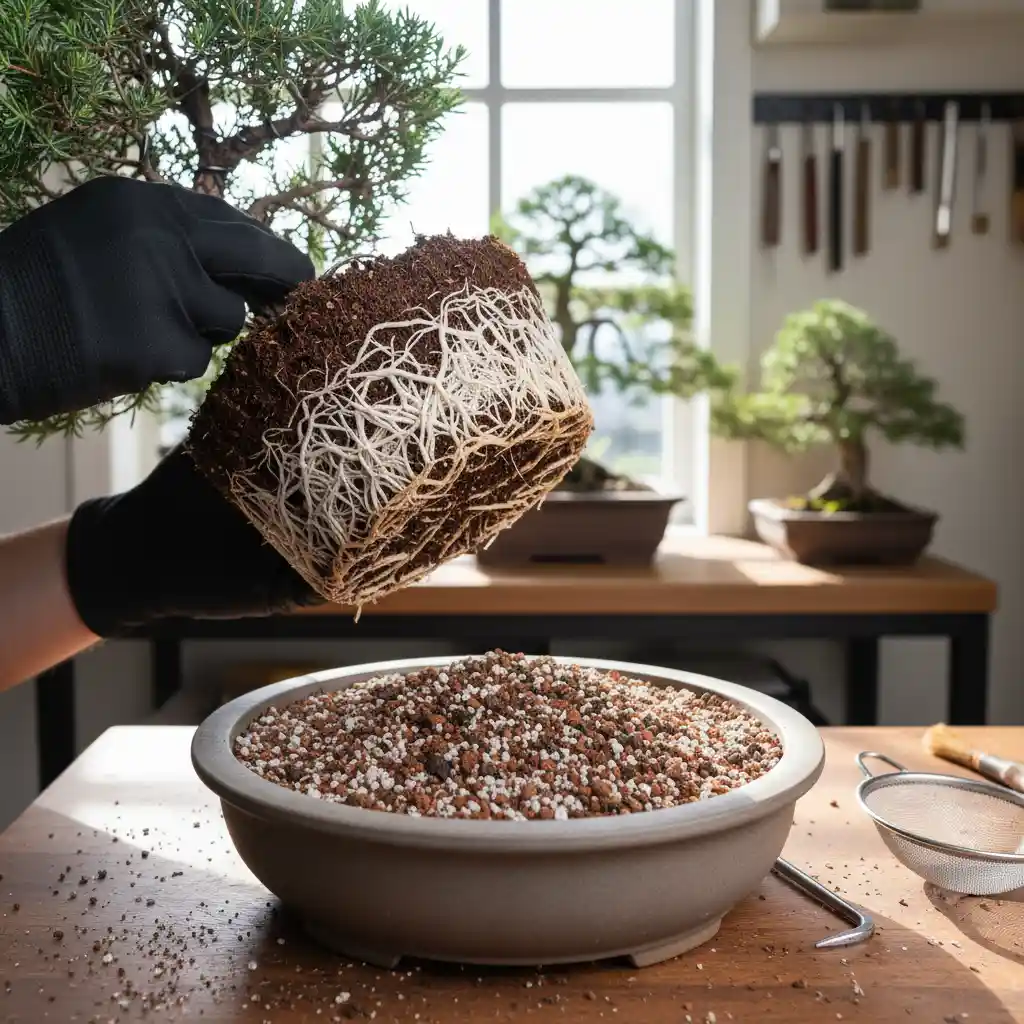
Repotting is essential for refreshing the soil and managing root growth. Juniper bonsai usually need repotting every 2-5 years, depending on their age and growth rate. Young, vigorous trees might need it more often. The best time to repot is in early spring before new growth begins, a period that coincides with essential Spring Care for Bonsai practices.
When repotting, carefully remove the tree from its pot and gently untangle some of the outer roots. Prune about one-third of the root mass, focusing on thicker roots. This encourages the growth of fine feeder roots, which are crucial for nutrient uptake.
Use a well-draining bonsai soil mix. A common mix includes akadama, pumice, and lava rock, often with a small amount of horticultural charcoal. This granular soil promotes excellent drainage and aeration, preventing root rot and supporting a healthy root system. For a comprehensive understanding of proper Bonsai Soil, Fertilization & Nutrition, consult our dedicated guide.
Fertilization Schedule for Optimal Health
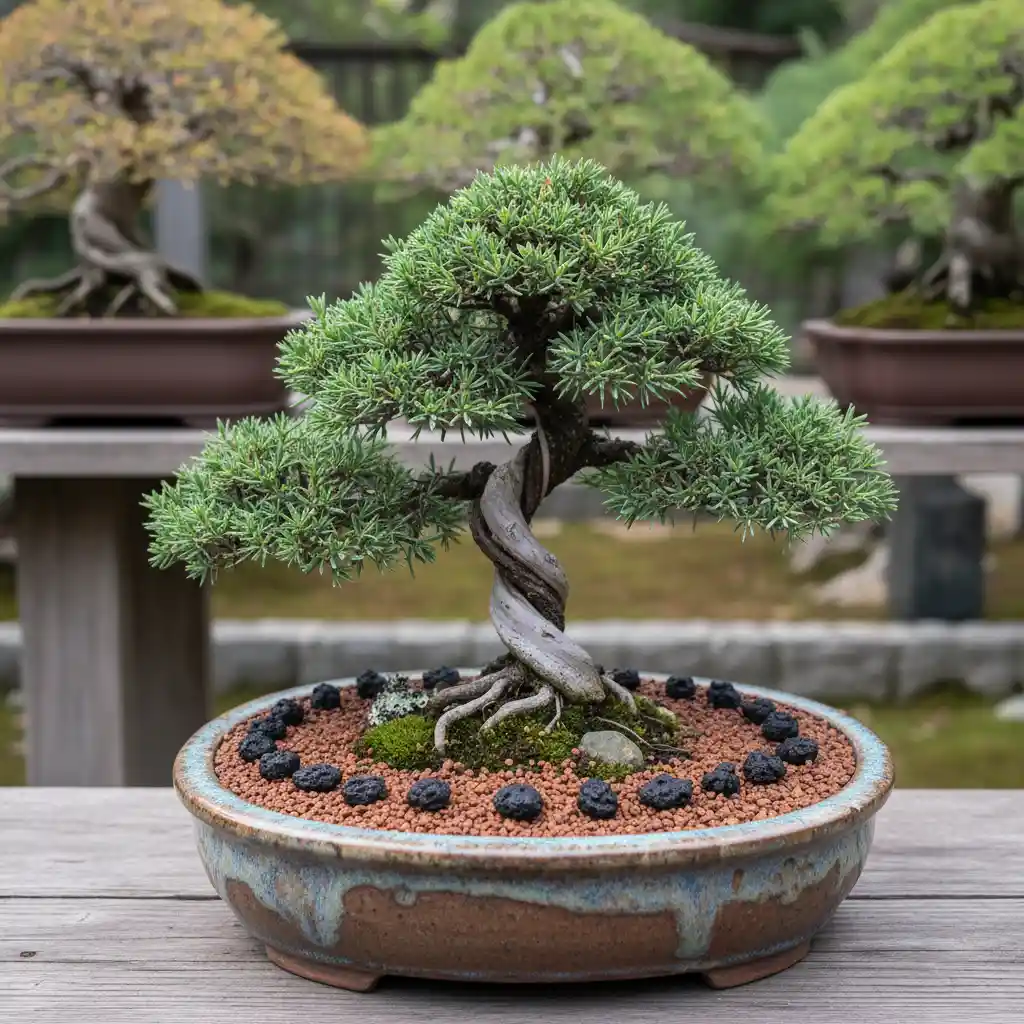
Fertilization provides essential nutrients for your juniper’s growth. Begin fertilizing in spring once new growth hardens, and continue through late summer or early autumn. Avoid fertilizing during the coldest winter months or when the tree is stressed.
Use a balanced fertilizer, typically one with lower nitrogen. Organic solid fertilizers are often preferred as they release nutrients slowly. For detailed guidance on selection and application, including various options, refer to our comprehensive guide on Choosing & Applying Bonsai Fertilizer Brands. Alternatively, a liquid fertilizer can be applied at half strength. Always follow the product instructions carefully.
Pest and Disease Management
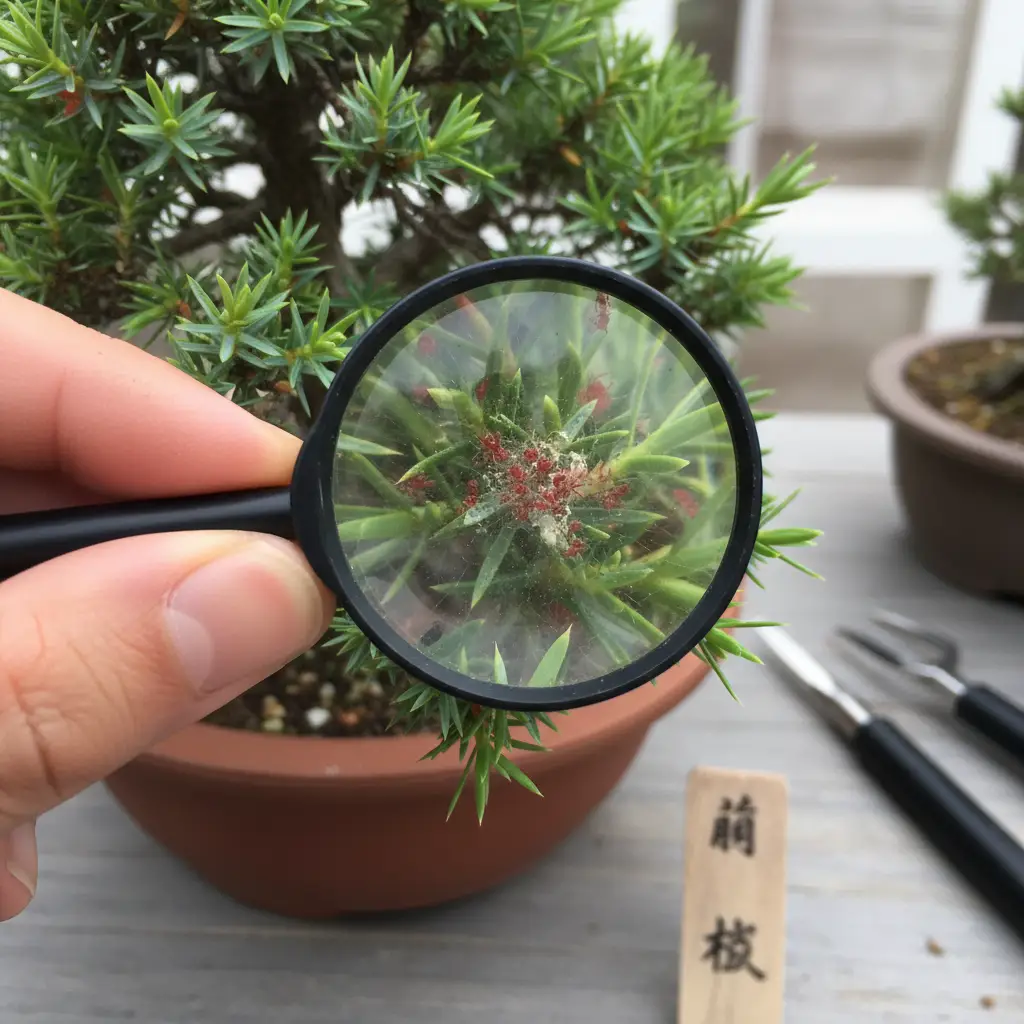
Juniper bonsai are generally hardy, but they can occasionally suffer from pests or diseases. Common pests include spider mites, aphids, and scale insects. Regularly inspect your tree for any signs of infestation, such as discolored foliage or webbing. Understanding symptoms like Bonsai Branch Dieback Causes is crucial for maintaining your tree’s health.
Treat minor infestations with insecticidal soap or neem oil. For more severe cases, consider horticultural oils or appropriate insecticides. Ensure good air circulation and proper watering practices as preventative measures. A healthy tree is more resistant to pests and diseases.
Popular Juniper Species for Bonsai
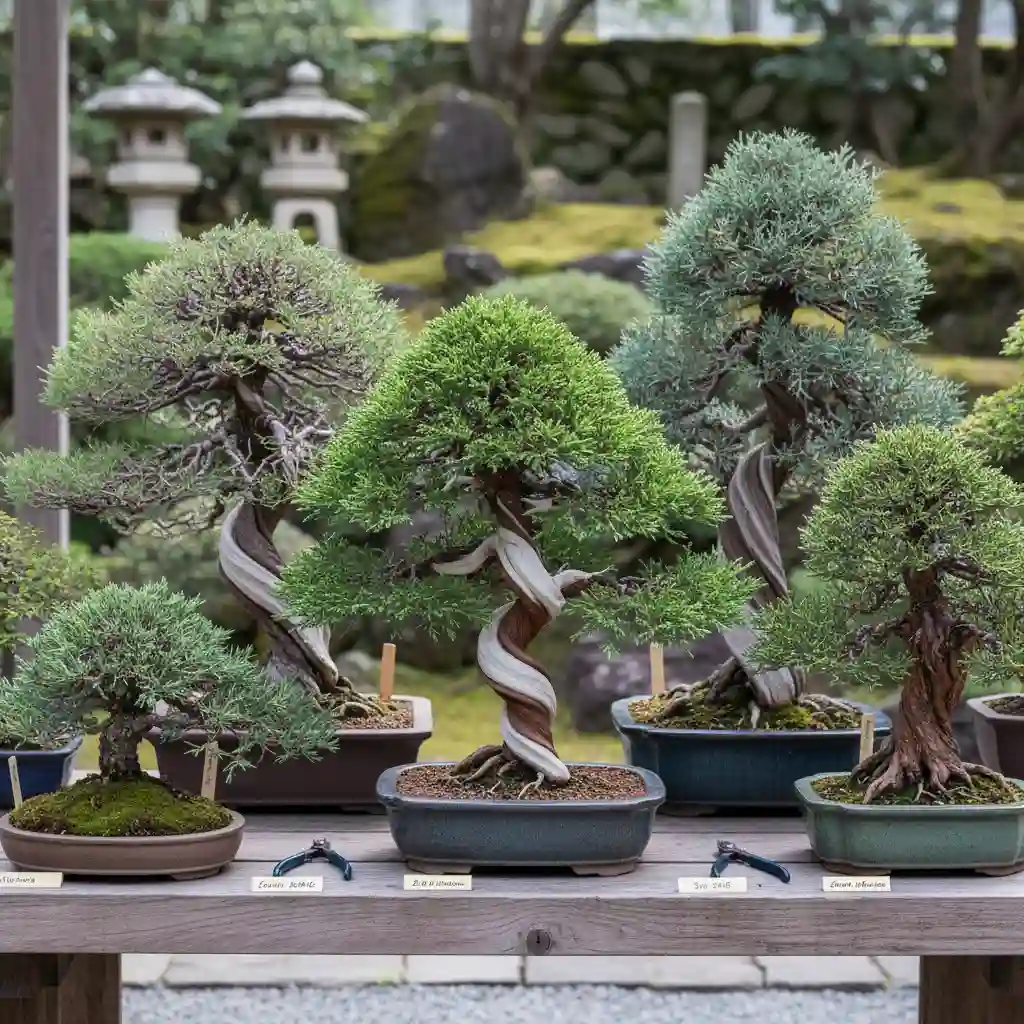
Several juniper species are favored for bonsai due to their unique characteristics and adaptability. The Shimpaku juniper (Juniperus sargentii ‘Shimpaku’) is highly prized for its fine, soft foliage and compact growth. Other popular varieties include Itoigawa and Kishu.
Juniperus procumbens ‘Nana’ is another excellent choice, known for its creeping habit and hardiness. Understanding the specific traits of your juniper species will help you tailor your care and styling techniques for the best results.
Advanced Artistic Styling Techniques
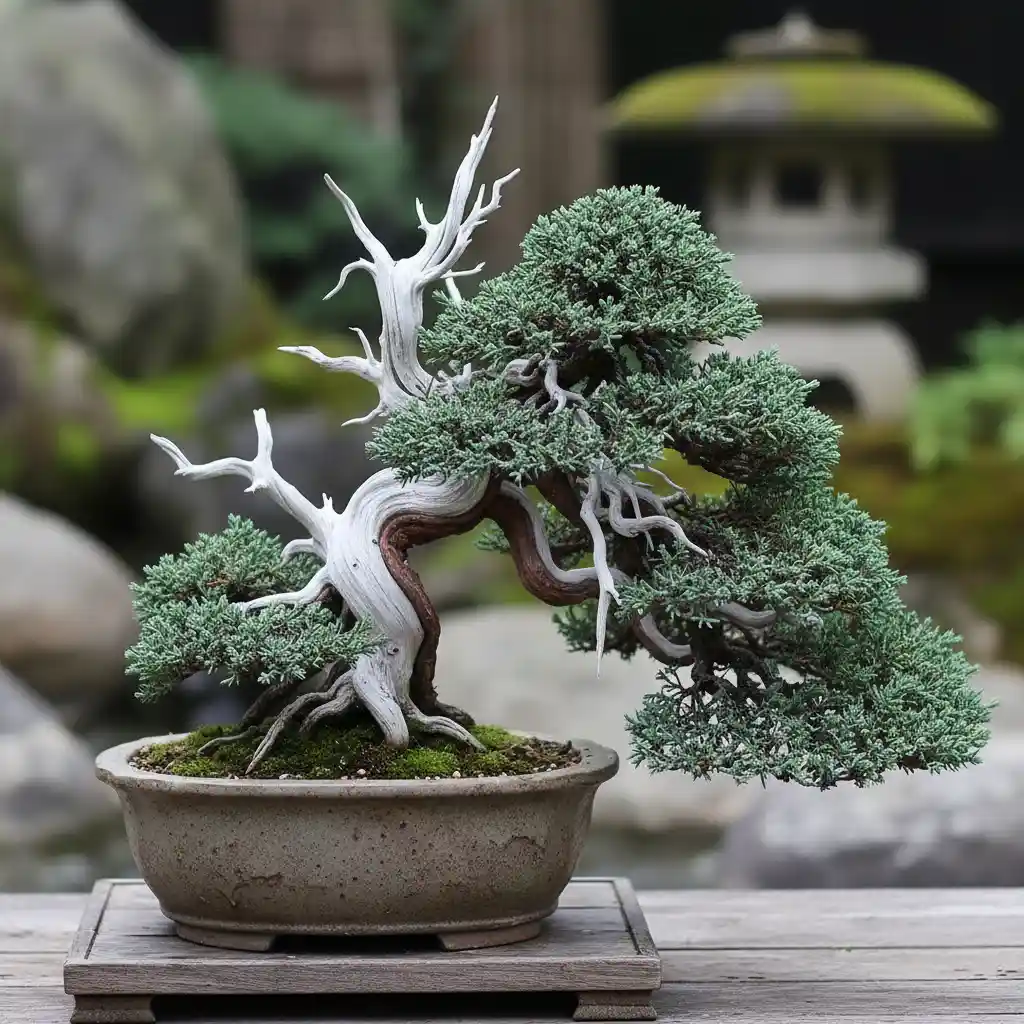
Beyond basic pruning, advanced techniques allow for stunning artistic expression. Popular bonsai styles like informal upright, slanting, semi-cascade, and literati can all be achieved with junipers. Each style has specific guidelines that enhance the tree’s natural beauty.
Deadwood features, such as jin (stripped branches) and shari (stripped trunks), are often used with junipers. These techniques create the illusion of age and struggle, adding dramatic character to the bonsai. They mimic the natural wear of harsh environments.
For more detailed information on general bonsai styling, you can explore resources like Wikipedia’s page on Bonsai styles. Continued learning and practice will refine your artistic eye and technical skills.
Overwintering Your Juniper Bonsai
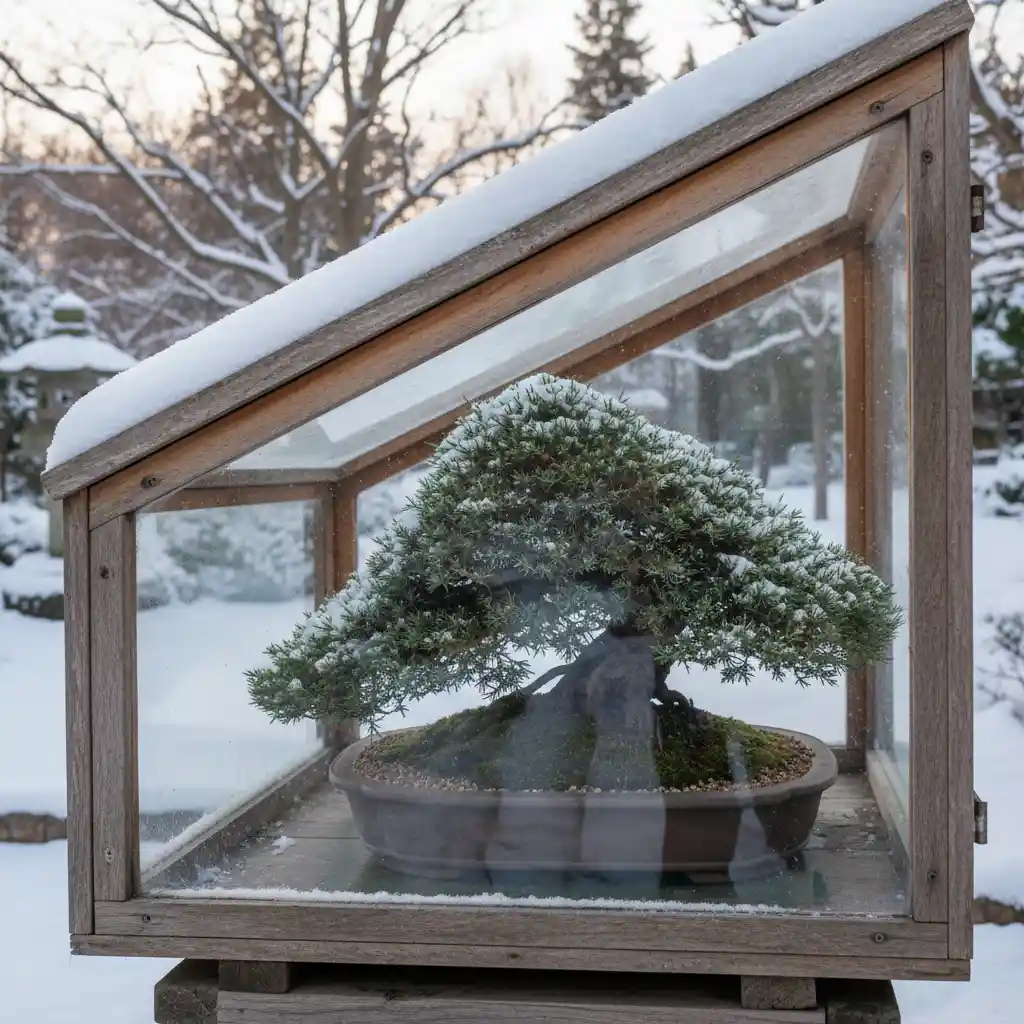
Junipers are outdoor trees and require a period of dormancy during winter. In most climates, they need protection from extreme cold and drying winds. Place your juniper in a cold frame, an unheated garage, or bury its pot in the ground to protect the roots.
Ensure the soil remains slightly moist throughout winter, but avoid overwatering. The goal is to prevent the roots from freezing solid and thawing repeatedly, which can cause significant damage. Proper overwintering ensures your tree remains healthy for the next growing season.
Sourcing Quality Juniper Material
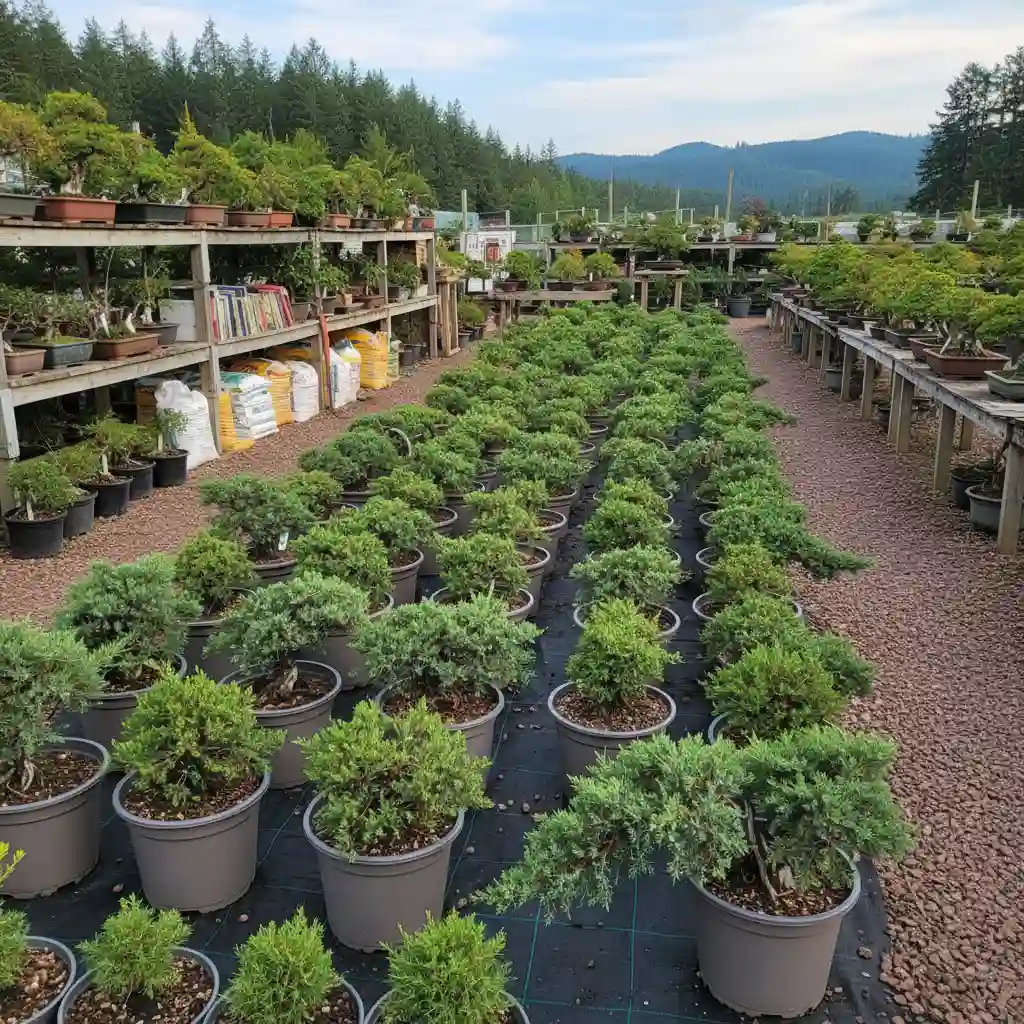
Finding good quality material is the first step in creating a beautiful juniper bonsai. Look for healthy nursery stock with good trunk movement and branches that offer styling potential. Specialized bonsai nurseries often have pre-bonsai material, which are young trees already shaped for development.
Collected material, found in the wild (with proper permits), can offer unique natural forms and aged characteristics. Always choose a tree that looks vigorous, free from pests, and has a strong root system. A good start makes the entire bonsai journey more rewarding.
Cultural Aspects of Juniper Bonsai
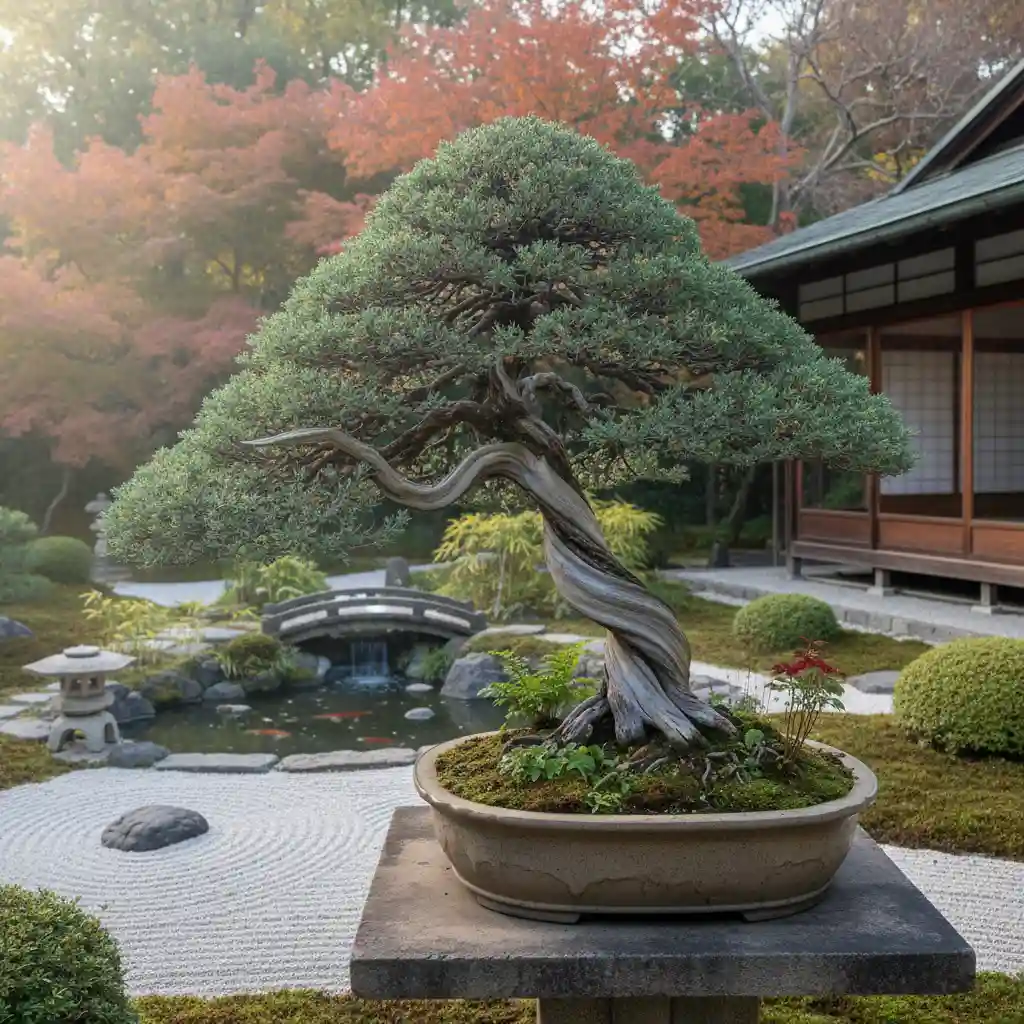
Bonsai is more than just horticulture; it’s a traditional art form with deep cultural roots. The practice of growing bonsai encourages patience, contemplation, and a deeper connection with nature. Each juniper bonsai tells a story of careful cultivation and artistic vision.
Embracing the cultural aspects enriches your experience. It’s about respecting the tree’s life and guiding its growth into an idealized miniature representation of nature. This philosophy is at the heart of every well-tended juniper bonsai.
Conclusion: Your Journey to a Thriving Juniper Bonsai
Caring for a juniper bonsai is a rewarding journey that blends horticultural skill with artistic expression. By following this detailed juniper bonsai care guide, you gain the knowledge to cultivate stunning and healthy trees. Remember the importance of consistent watering, adequate sunlight, precise pruning, and timely repotting.
Each tree is unique, and observing its individual needs is key to its success. With patience and dedication, your juniper bonsai will flourish, bringing a touch of natural beauty and tranquility to your home or garden for many years to come.