Essential Bonsai Tools for Beginners
bonzai.co.nz
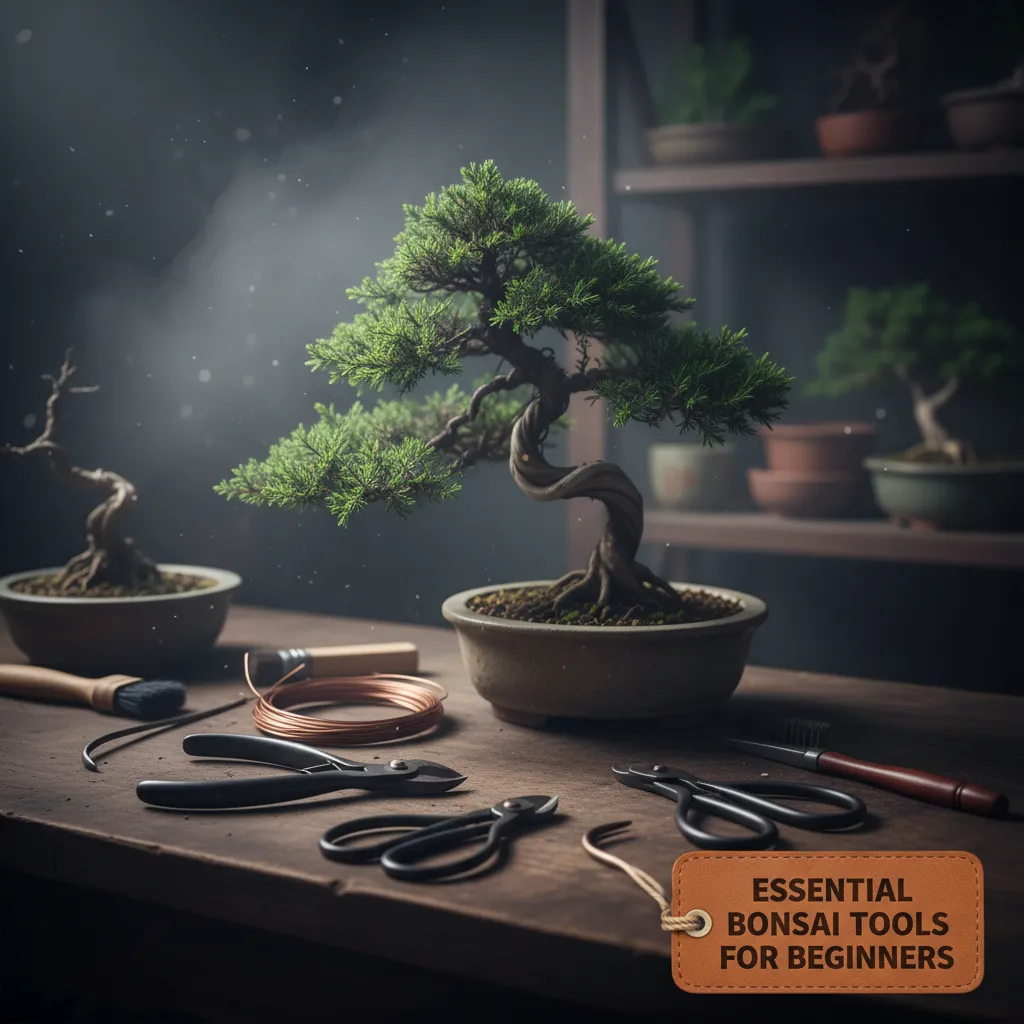
Beginner bonsai tools are specialized instruments designed to help new enthusiasts properly care for and shape their miniature trees. They include essential items like shears, cutters, and wires, crucial for maintaining tree health and achieving desired aesthetic forms from the start.
Starting the journey into bonsai is exciting, but it can feel overwhelming. Having the correct equipment makes all the difference. Just like a painter needs brushes, a bonsai artist needs specific tools. These tools allow you to perform delicate tasks vital for your tree’s health and beauty.
Beginner bonsai tools are specialized instruments designed to help new enthusiasts properly care for and shape their miniature trees. They include essential items like shears, cutters, and wires, crucial for maintaining tree health and achieving desired aesthetic forms from the start. Understanding these tools is the first step to successful bonsai cultivation.
Table of Contents
Basic Tool Kit
A few key items form the foundation of any bonsai artist’s collection. Investing in quality beginner bonsai tools from the start will save you frustration and ensure better results for your trees. These tools are designed for precision, allowing you to make clean cuts and gentle adjustments that promote proper healing and growth.
Pruning Shears
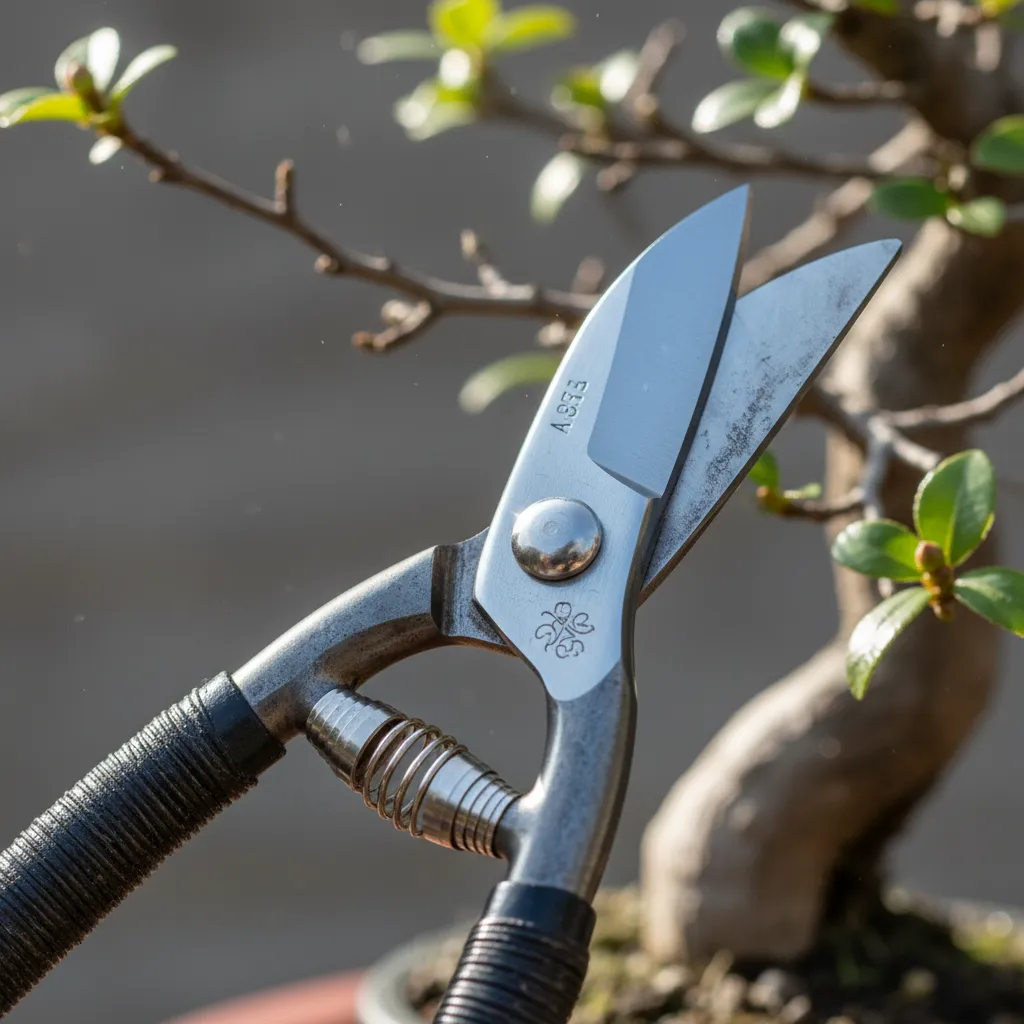
Pruning shears are perhaps the most frequently used tool. They are essential for removing small branches, leaves, and buds. Look for shears with sharp blades that meet cleanly. This ensures a precise cut, which is vital for the health of your bonsai tree. Dull shears can tear plant tissue, making your tree more vulnerable to disease.
Concave Cutter
A concave cutter is a specialized tool that makes a hollowed-out cut. This unique cut helps the wound heal more cleanly and quickly, leaving little to no scar. It’s especially useful when removing larger branches that would otherwise leave an unsightly bulge. This tool is a hallmark of serious bonsai practice.
Wire Cutter
Bonsai wiring is a common technique to shape branches and trunks. A dedicated wire cutter is crucial for this task. It has short, sturdy jaws designed to cut through bonsai wire without damaging the tree’s bark. Using regular pliers can scrape or bruise your bonsai, so always use the right tool.
Root Hook or Rake
When repotting your bonsai, you’ll need to work with its root system. A root hook or rake helps to gently untangle and spread out roots, removing old soil. This process promotes new root growth and ensures the tree can absorb nutrients effectively in its fresh potting mix. It’s a key part of maintaining a healthy bonsai.
Bonsai Scissors
Smaller than pruning shears, bonsai scissors are perfect for detailed work. Use them for trimming fine twigs, leaves, and for intricate styling. Their small size allows for greater precision, letting you achieve the refined look characteristic of well-maintained bonsai plants. These are indispensable for detailed foliage work, which is a key aspect of Designing Bonsai Compositions and Plantings.
Watering Can with Fine Spout
Proper watering is critical for bonsai care. A watering can with a fine rose or spout delivers a gentle, even stream of water. This prevents soil erosion and ensures that the water penetrates the soil thoroughly without disturbing delicate surface roots. Consistent and careful watering supports overall tree health, a key component of effective Spring Care for Bonsai SH.
Expanding Your Toolkit
Once you are comfortable with your initial beginner bonsai tools, you might consider adding more specialized items. These tools allow for more advanced styling techniques and can help you tackle more complex projects. Expanding your collection wisely will broaden your artistic possibilities and enhance your tree’s development.
Jin Pliers
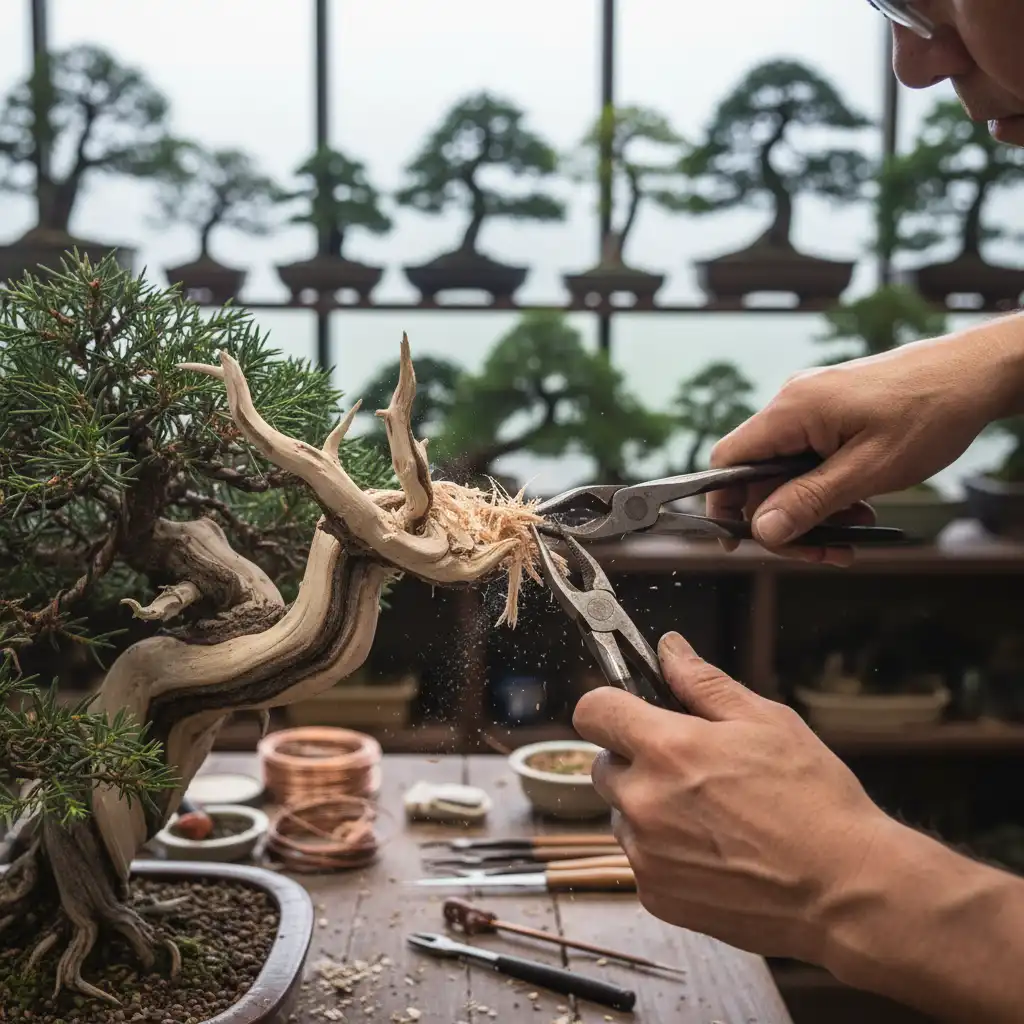
Jin pliers are used to create jin and shari, which are natural-looking deadwood effects on bonsai trees. They help strip bark and shape the deadwood to give the tree an aged, weathered appearance. This technique adds drama and character, mimicking trees found in harsh natural environments.
Knob Cutter
Similar to a concave cutter, a knob cutter removes larger stumps and branches, leaving a smooth, concave wound. This helps the tree heal with minimal scarring. It’s often used for major structural changes, allowing for a cleaner, more aesthetic result than regular branch cutters.
Wire Pliers
While wire cutters handle the cutting, wire pliers are useful for bending and shaping thicker bonsai wire. They offer a strong grip and leverage, making it easier to adjust heavy gauge wire for significant branch positioning. These provide greater control for precise structural adjustments.
Soil Scoops and Sieves
For efficient repotting and managing your bonsai soil, scoops and sieves are invaluable. Scoops help you transfer soil neatly, while sieves allow you to separate different particle sizes, ensuring optimal drainage and aeration for your specific bonsai species, such as those found in a Juniper Bonsai Care Guide. For those ready to delve deeper, explore Caring for Juniper Bonsai: Advanced Techniques. Proper soil mix is fundamental for root health. For a deeper dive into optimal growing conditions, explore Bonsai Soil, Fertilization & Nutrition. Additionally, for those looking to expand their collection with new specimens, exploring techniques like Air Layering for New Bonsai Trees offers exciting possibilities.
Tool Maintenance
Proper care of your bonsai tools is just as important as knowing how to use them. Well-maintained tools perform better, last longer, and ensure cleaner cuts, which promotes faster healing for your bonsai. Neglecting maintenance can lead to rusty, dull tools that harm your trees.
Cleaning After Each Use
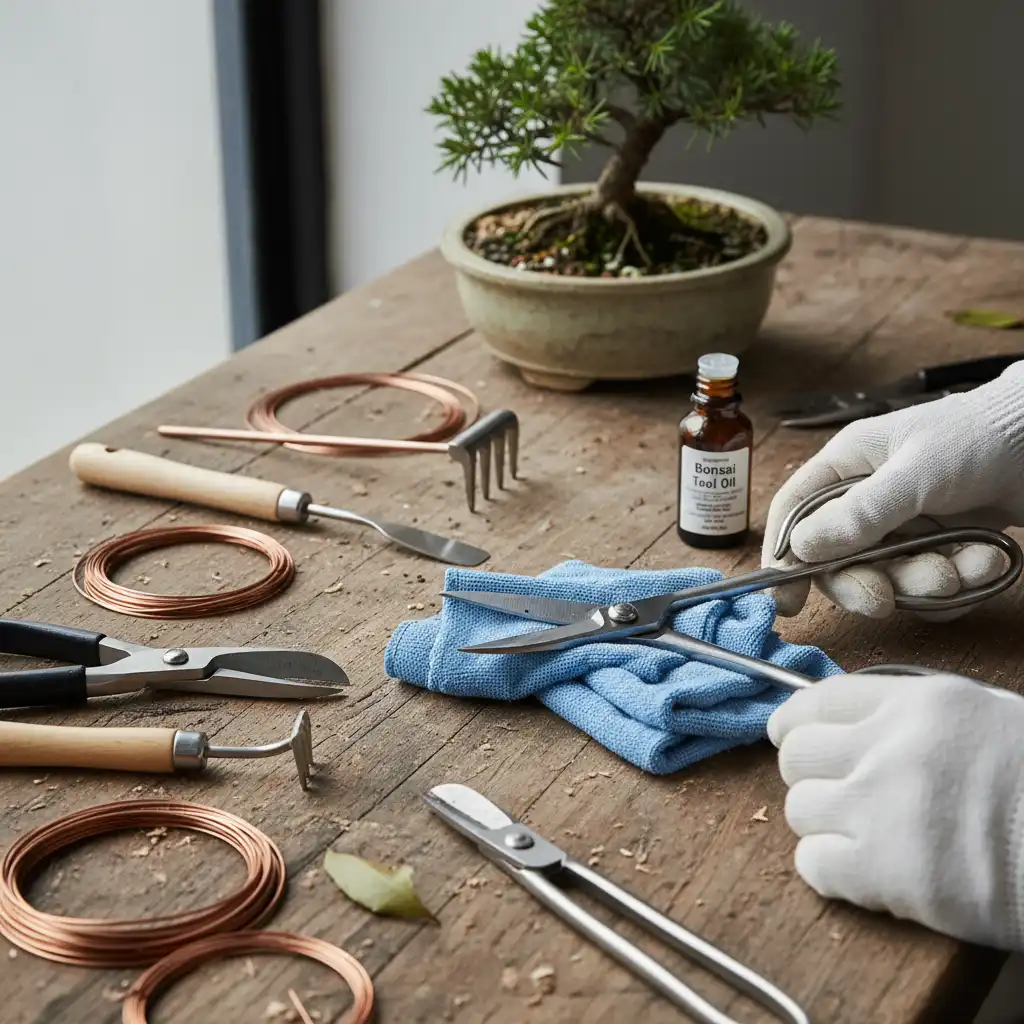
Sap and plant residue can build up on your tools. After each use, wipe down blades and surfaces with a clean cloth. For sticky sap, use a specialized tool cleaner or a bit of rubbing alcohol. This prevents corrosion and keeps your tools sharp and hygienic for your next task.
Sharpening Blades
Even the best tools will eventually dull. Sharpening your pruning shears and cutters regularly ensures they make clean, precise cuts. A sharp blade is less likely to crush plant tissue, reducing stress on your bonsai and minimizing the risk of infection. Use a fine-grit sharpening stone designed for gardening tools.
Oiling for Protection
After cleaning and sharpening, apply a thin layer of camellia oil or another appropriate tool oil to the blades and moving parts. This protects against rust and keeps the joints working smoothly. This simple step significantly extends the lifespan of your bonsai equipment.
Proper Storage
Store your tools in a dry, organized manner. A tool roll or case protects them from moisture and damage. Keeping them separated prevents blades from rubbing against each other and dulling. Proper storage is key to maintaining your investment in high-quality bonsai tools.
Where to Buy Bonsai Tools
Finding reliable sources for your beginner bonsai tools is essential. Quality varies widely, and investing in reputable brands will yield better results and longevity. Don’t compromise on quality when it comes to the health and beauty of your living art.
Specialty Bonsai Nurseries
Visiting a local bonsai nursery or garden center specializing in bonsai is often the best option. You can see the tools firsthand, feel their weight, and ask for advice from experienced staff. They can guide you towards the best beginner bonsai tools suited for your specific needs and tree types. Many enthusiasts also benefit from joining Local Bonsai Clubs and Societies. To further your learning and connect with like-minded individuals, consider Finding Bonsai Mentors & Clubs in NZ: Connect with Your Community.
Online Retailers
Many online stores offer a vast selection of bonsai tools. Websites specializing in bonsai supplies, as well as larger marketplaces, provide convenience and often competitive pricing. Always read reviews and choose sellers with a good reputation for quality and customer service. Researching brands like Ryuga, Kaneshin, or Kikuya can be a good starting point.
Reputable Brands
When purchasing tools, look for well-known brands that are respected in the bonsai community. Japanese tools are particularly renowned for their craftsmanship and durability. While they might be a larger initial investment, their performance and longevity make them worthwhile. For more general information on bonsai, you can visit Wikipedia.
Conclusion
Embarking on the art of bonsai is a rewarding journey. To truly appreciate its depth, including the fascinating History of Bonsai in NZ: From Early Imports to Native Excellence, equipping yourself with the right essential bonsai tools for beginners is a crucial first step. With a basic kit, good maintenance practices, and a mindful approach to purchasing, you’ll be well-prepared to cultivate stunning miniature trees. Enjoy the process of shaping and caring for your living works of art.