Mastering Cherry Blossom Bonsai Care for Stunning Blooms
Cherry Blossom Bonsai care is a captivating art form, combining the beauty of miniature trees with dedicated horticultural practices. These exquisite plants, celebrated for their stunning spring blossoms, require specific attention to thrive. This guide will walk you through essential techniques to ensure your cherry blossom bonsai flourishes, becoming a beautiful focal point in your collection.
Cherry Blossom Bonsai care involves precise techniques to cultivate miniature cherry trees, renowned for their breathtaking spring blooms. This specialized horticultural practice focuses on nurturing the tree’s health, shaping its structure, and ensuring vibrant, seasonal flowering for longevity and aesthetic appeal.
Understanding Your Cherry Blossom Bonsai
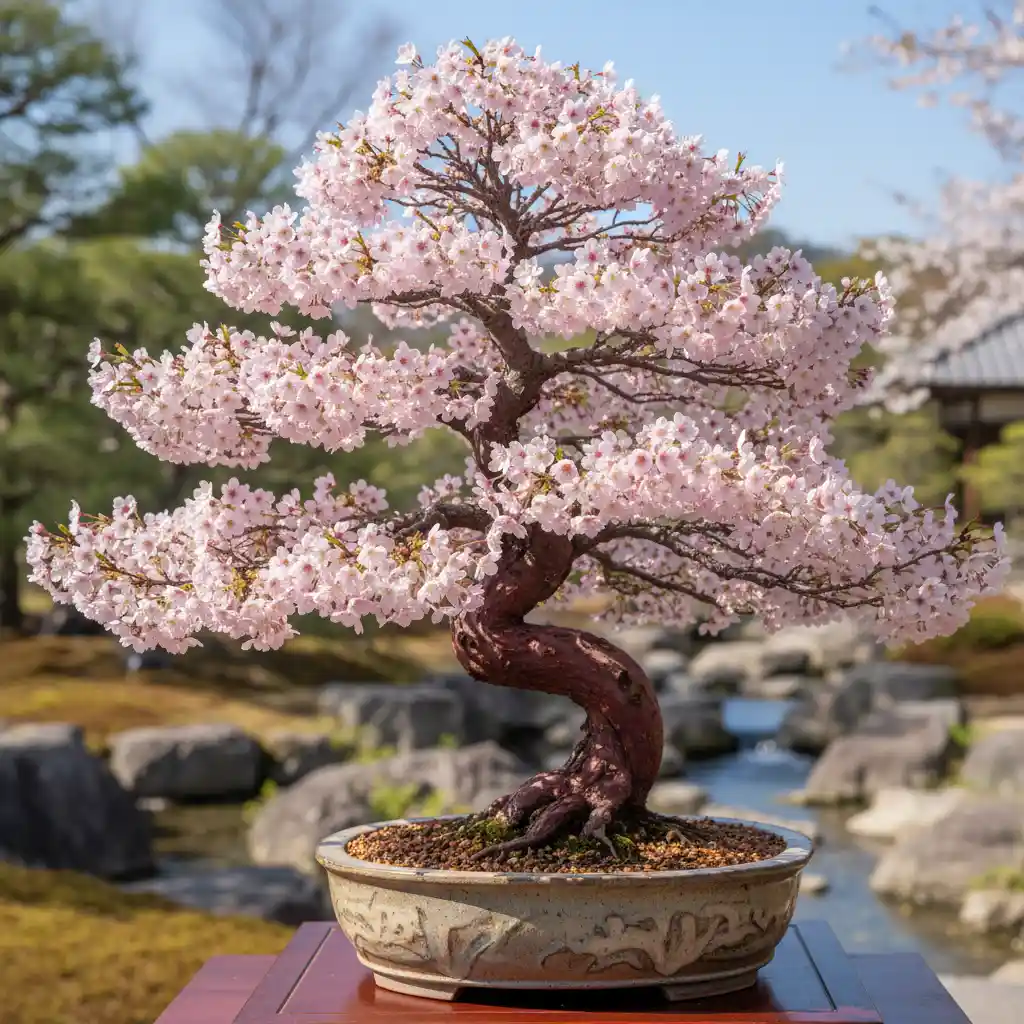
Before diving into the specifics of Cherry Blossom Bonsai care, it’s vital to grasp the unique nature of these miniature trees. They are not merely small trees; they are living art forms requiring dedication and understanding of their botanical needs. Each variety, such as the Japanese Flowering Cherry (Prunus serrulata) or Weeping Cherry (Prunus subhirtella ‘Pendula’), has slightly different requirements. For a guide on another popular indoor variety, see Ficus Bonsai Care: A Complete Guide. For insights into other species, consider Rata Bonsai Cultivation: Techniques for a Hardy Native, and to explore broader trends, read about The Future of NZ Native Bonsai: Innovation, Sustainability & Global Recognition.
Choosing the Right Tree
When selecting your bonsai, consider its age, health, and current training. A healthy tree will have vibrant foliage, strong branches, and no visible signs of pests or disease. Beginners might start with a pre-styled bonsai to learn basic Cherry Blossom Bonsai care before attempting complex training, or delve into NZ Yamadori Principles: Ethical Collection & Cultivation of Wild Stock for advanced tree sourcing.
Key Characteristics
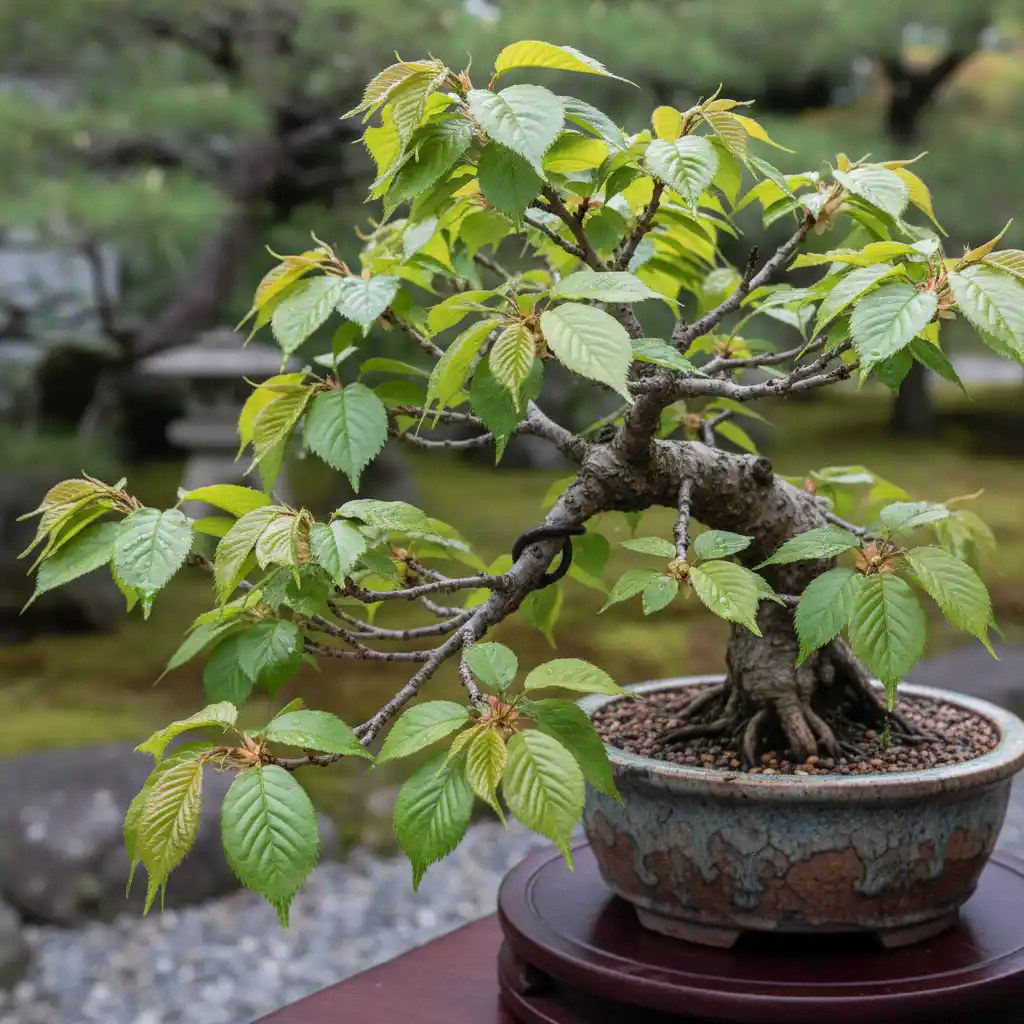
Cherry blossom bonsai are deciduous, meaning they lose their leaves in autumn. Their most captivating feature is the burst of delicate pink or white flowers in spring, followed by lush green leaves in summer. Understanding their seasonal cycles is fundamental to effective Cherry Blossom Bonsai care, ensuring you provide the right environment year-round.
Essential Care Techniques for Thriving Bonsai
Consistent and appropriate care is the cornerstone of a healthy and beautiful cherry blossom bonsai. These techniques are crucial for maintaining vigor and encouraging abundant blooms.
Watering Schedule
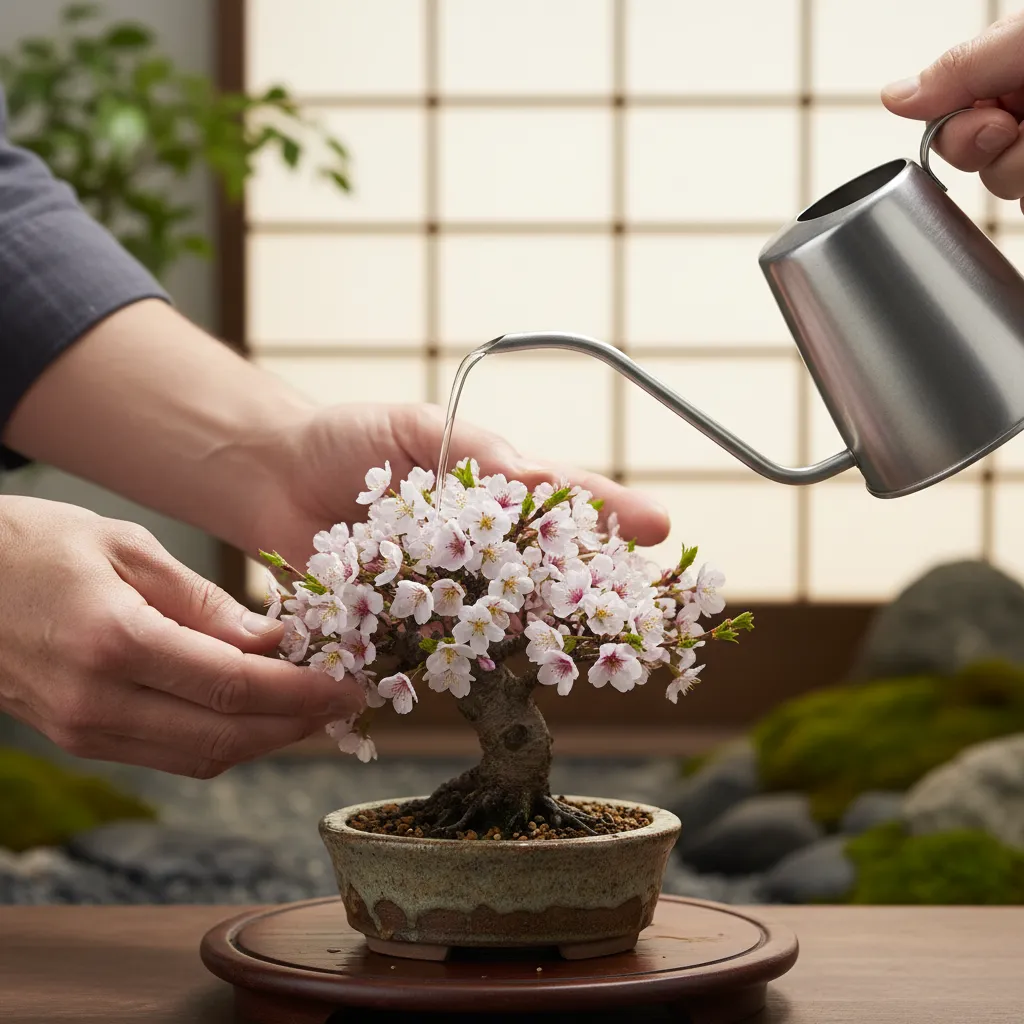
Water your cherry blossom bonsai thoroughly when the topsoil feels slightly dry. This often means daily watering during warm, dry periods and less frequently in cooler weather or dormancy. Ensure water drains freely from the pot. Overwatering can lead to root rot, while underwatering causes stress and leaf drop. Feel the soil; don’t just water on a schedule.
Proper Lighting
Cherry blossom bonsai thrive in full sunlight, needing at least 6 hours of direct sun per day. Place them outdoors in a location where they receive ample morning sun and some afternoon shade in extremely hot climates. Indoor cultivation is generally not recommended as they require a period of cold dormancy for blooming.
Soil and Repotting
Use a well-draining bonsai soil mix, typically consisting of akadama, pumice, and lava rock. Repotting is usually done every 2-3 years in early spring before new growth begins. Trim about one-third of the root ball to encourage fresh root development, a process that also significantly contributes to Developing Nebari: The Root Flare. This is a critical aspect of long-term Cherry Blossom Bonsai care.
Fertilization Needs
Fertilize your bonsai during the growing season (spring to autumn) with a balanced, slow-release organic fertilizer. Reduce or stop fertilization during flowering and dormancy. Adjust the formula based on the season: a higher nitrogen fertilizer in early Spring Care for Bonsai for foliage, and a lower nitrogen, higher phosphorus/potassium formula for flower and root development later in the season. For a comprehensive understanding of ideal Bonsai Soil, Fertilization & Nutrition, consult our dedicated guide.
Pruning and Shaping Your Cherry Blossom Bonsai
Pruning is an art form in itself, essential for maintaining the desired shape and promoting vigor in your cherry blossom bonsai. Regular pruning encourages ramification (branching) and ensures a dense canopy of flowers.
Structural Pruning
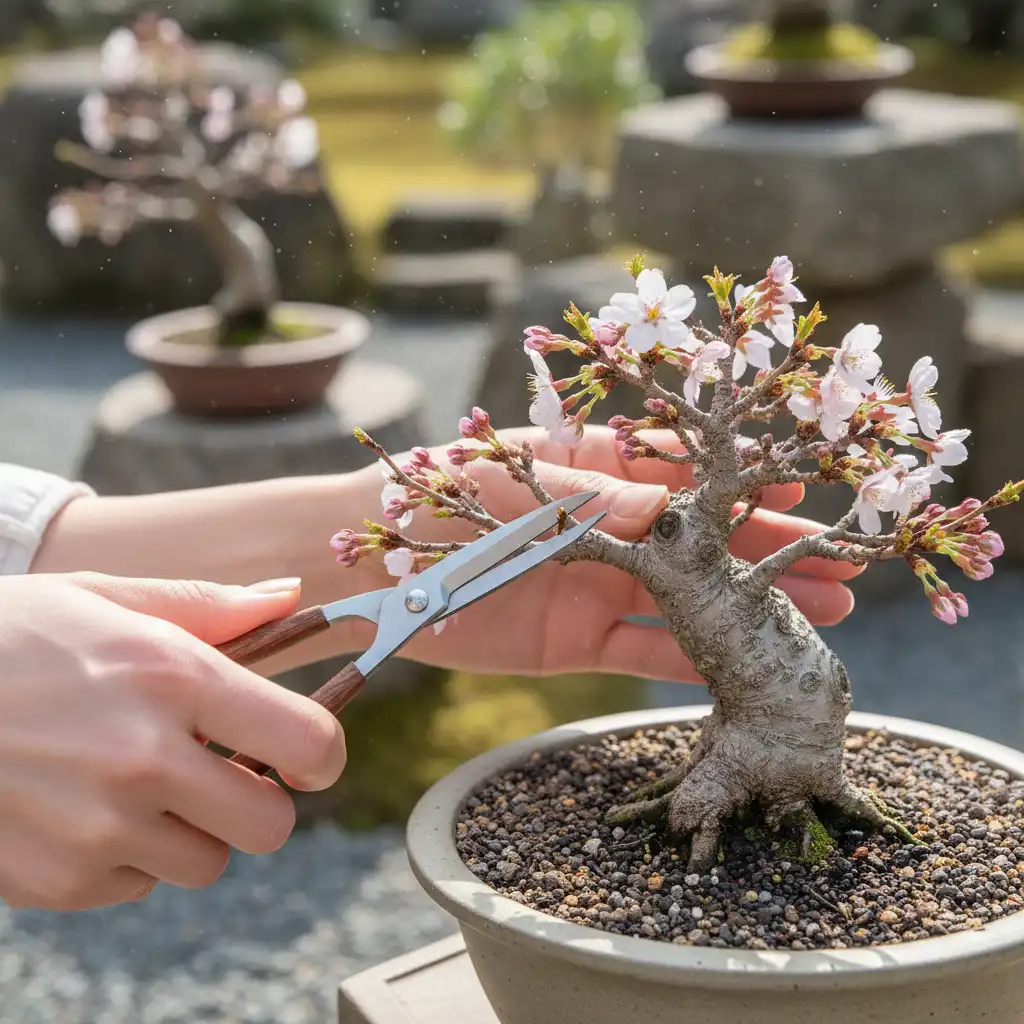
Perform heavier structural pruning during dormancy (late winter) to remove unwanted branches, reduce overall size, and establish the basic form. Use sharp, clean tools to make precise cuts that heal quickly. Think about the long-term vision for your bonsai’s shape during this crucial step, exploring various aesthetic options with Classic Bonsai Styling Forms Explained.
Maintenance Pruning
Throughout the growing season, pinch back new shoots and trim branches to maintain the tree’s silhouette. After flowering, remove spent flowers to encourage energy to go into new growth rather than seed production. This continuous effort is key to effective Cherry Blossom Bonsai care.
Wiring Techniques
Wiring can be used to gently guide branches into desired positions. Apply anodized aluminum or copper wire carefully, usually from spring to late summer. Check the wire regularly to prevent it from biting into the bark, which can cause scarring. Remove wire before it constricts growth and reapply if needed.
Protecting Your Bonsai from Pests and Diseases
Vigilance is key to preventing and treating common issues. A healthy bonsai is more resistant, but problems can still arise. Early detection and intervention are crucial for successful Cherry Blossom Bonsai care.
Common Issues
Watch out for aphids, spider mites, and scale insects, which can weaken your tree. Fungal diseases like powdery mildew can also occur, especially in humid conditions. Regularly inspect leaves, branches, and the trunk for any signs of infestation or disease. For more information on plant diseases, you can consult Plant Pathology on Wikipedia.
Organic Solutions
For pests, a strong spray of water or an insecticidal soap can often resolve the issue. Neem oil is another excellent organic option. Ensure good air circulation and avoid overwatering to prevent fungal problems. Remove affected leaves promptly. Integrated pest management (IPM) is a sustainable approach to Cherry Blossom Bonsai care.
Winterizing Your Cherry Blossom Bonsai
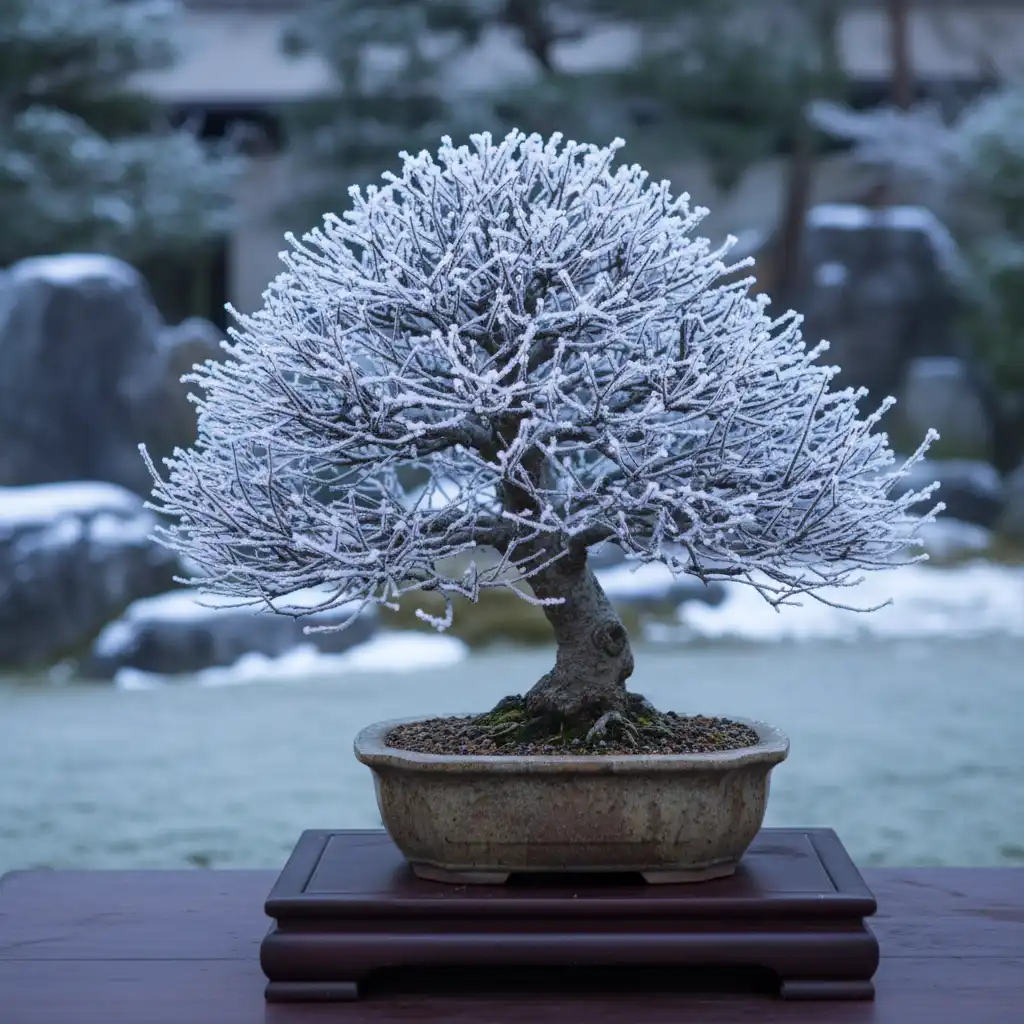
Cherry blossom bonsai require a period of cold dormancy to prepare for spring blooms. Proper winter protection is vital for their survival and health, especially in colder climates. Learn more about regional strategies in Winter Protection for NZ Bonsai: Ensuring Health Through Colder Months.
Dormancy Requirements
As temperatures drop in autumn, the tree’s leaves will change color and fall. This is a natural process signaling the start of dormancy. During this period, the tree needs sustained cool temperatures, typically between 35-45°F (2-7°C) for several months. Avoid bringing it into a warm indoor environment, as this can disrupt its natural cycle.
Frost Protection
Protect your bonsai from hard freezes and harsh winds. You can place it in an unheated garage, shed, or cold frame. Alternatively, bury the pot in the ground or mulch to insulate the roots. Ensure the soil remains slightly moist throughout winter; don’t let it dry out completely. This protective Cherry Blossom Bonsai care ensures it wakes up vibrant in spring.
Advanced Tips for Experienced Enthusiasts
For those looking to elevate their Cherry Blossom Bonsai care, consider these refined techniques to enhance your tree’s beauty and longevity.
Bloom Enhancement
To encourage more prolific flowering, ensure your tree receives adequate light and proper chilling hours during winter. A balanced fertilizer with higher phosphorus can be beneficial in late winter/early spring, just before bud break. Consistent watering is also critical during bud development.
Long-Term Health
Regular root inspection during repotting helps identify and address potential issues early. Varying pot size or style can also influence growth patterns. Consider grafting if you want to combine desirable traits or repair damage. For a method of creating new trees from existing branches, explore Air Layering for New Bonsai Trees. Mastery of Cherry Blossom Bonsai care comes with experience and observation.
Conclusion
Caring for a Cherry Blossom Bonsai is a rewarding journey that blends horticulture with artistic expression. By consistently applying the techniques discussed – from proper watering and lighting to precise pruning and winter protection – you can cultivate a stunning miniature tree that brings joy with its spectacular spring blooms. Patience and observation are your best tools in this beautiful practice. Your dedication will be rewarded with a living masterpiece.
References and Further Reading
With diligent Cherry Blossom Bonsai care, your miniature tree will provide years of stunning beauty, a true testament to nature’s elegance and your dedication.