Maple Bonsai Care: Seasonal Needs & Pruning
Discover the art and science of maple bonsai care. This comprehensive guide helps you understand the specific seasonal needs and essential pruning techniques for thriving maple bonsai trees. Cultivating these miniature masterpieces brings a unique beauty to any space, and connecting with the wider Bonsai Community & Events can enrich your journey even further.
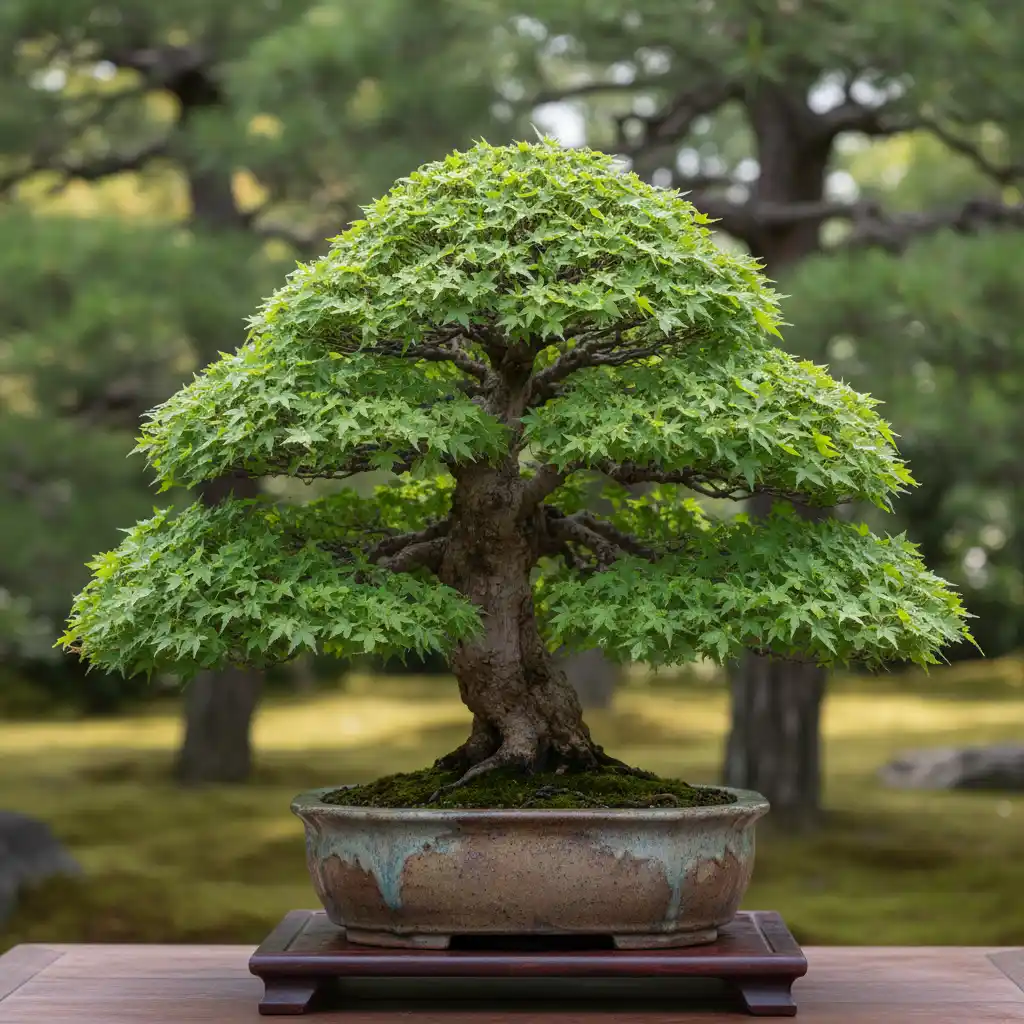
Table of Contents
- Understanding Maple Bonsai Varieties
- Seasonal Maple Bonsai Care: A Year-Round Guide
- Mastering Maple Leaf Reduction
- Embracing Seasonal Color Changes
- Pruning for Ramification and Shape
- Watering and Fertilizing Your Maple Bonsai
- Potting and Repotting Techniques
- Protecting Your Maple Bonsai from Pests and Diseases
- Advanced Maple Bonsai Training Techniques
Understanding Maple Bonsai Varieties
Maples are among the most cherished species for bonsai due to their striking foliage and elegant branch structures. Several varieties are popular, each offering unique characteristics that influence their care and aesthetic.
Japanese Maples (Acer palmatum) are perhaps the most common, known for their deeply lobed leaves and spectacular autumn colors. Korean Maples (Acer pseudosieboldianum) offer similar beauty with slightly more cold tolerance. Trident Maples (Acer buergerianum) are prized for their vigorous growth, excellent nebari (root flare), and ease of ramification, making them a favorite for beginners and experts alike.
Choosing the right variety is the first step in successful maple bonsai care. Researching specific needs for your chosen maple will set you up for success. Each type will react differently to the same care regimen. Beyond cultivated stock, some enthusiasts might delve into the art of NZ Yamadori Principles: Ethical Collection & Cultivation of Wild Stock for unique, mature specimens. For those just starting their journey, exploring other Beginner-Friendly Bonsai Tree Species can also provide a great foundation.
Seasonal Maple Bonsai Care: A Year-Round Guide
Bonsai care is a year-round commitment, and maples are no exception. Their needs shift dramatically with the seasons. Understanding these changes is crucial for the health and beauty of your tree.
Spring: Awakening and Growth
As spring arrives, your maple bonsai bursts into life. This is a period of rapid growth. Begin fertilizing regularly and ensure consistent watering. Protect new shoots from strong winds and late frosts. Repotting is typically done in early spring before the buds fully open. For more in-depth guidance on Spring Care for Bonsai SH, refer to our dedicated guide.
Summer: Sustaining Vitality
Summer brings warmth and intense sunlight. Your maple bonsai will require daily, sometimes twice-daily, watering. Position your tree where it receives morning sun but is protected from harsh afternoon rays, which can scorch delicate leaves. Continue a balanced fertilization schedule. Maintain vigilance for pests during these months.
Autumn: Preparation for Dormancy
Autumn is when maples truly shine, displaying their iconic vibrant colors. As temperatures drop, reduce fertilization. Continue watering as needed, but avoid overwatering as growth slows. Begin preparing for winter protection. Enjoy the stunning foliage before it falls.
Winter: Rest and Protection
During winter, your maple bonsai enters dormancy. It needs protection from freezing temperatures and drying winds. Place it in an unheated garage, shed, or cold frame. Water sparingly, only enough to prevent the root ball from completely drying out. This period of rest is vital for vigorous growth in the spring. For a broader perspective on maintaining and shaping your maple throughout the year, our guide on Maple Bonsai Cultivation: Seasonal Care & Styling offers additional insights.
Mastering Maple Leaf Reduction
Leaf reduction is a key technique in maple bonsai care to achieve finer ramification and smaller leaves, enhancing the miniature scale of your tree. It involves removing larger, older leaves to encourage new, smaller ones to emerge.
The best time for leaf reduction (defoliation) is typically in late spring or early summer, after the first flush of growth has matured. You can either full defoliate (remove all leaves) or partial defoliate (remove only the largest leaves or a percentage of leaves). Full defoliation is very stressful for the tree and should only be done on healthy, vigorous specimens.

When defoliating, use sharp scissors to cut the leaf stem (petiole) close to the branch, leaving the leaf bud intact. This bud will then sprout new, smaller leaves. Ensure your tree is strong and well-fed before attempting this technique. Proper maple bonsai care means understanding when and how to perform such stressful procedures to prevent weakening the tree. Beyond basic care, advanced techniques such as Creating Deadwood Effects (Jin & Shari) on Bonsai can dramatically enhance the character and age of your maple, bringing a sculptural element to its beauty.
Embracing Seasonal Color Changes
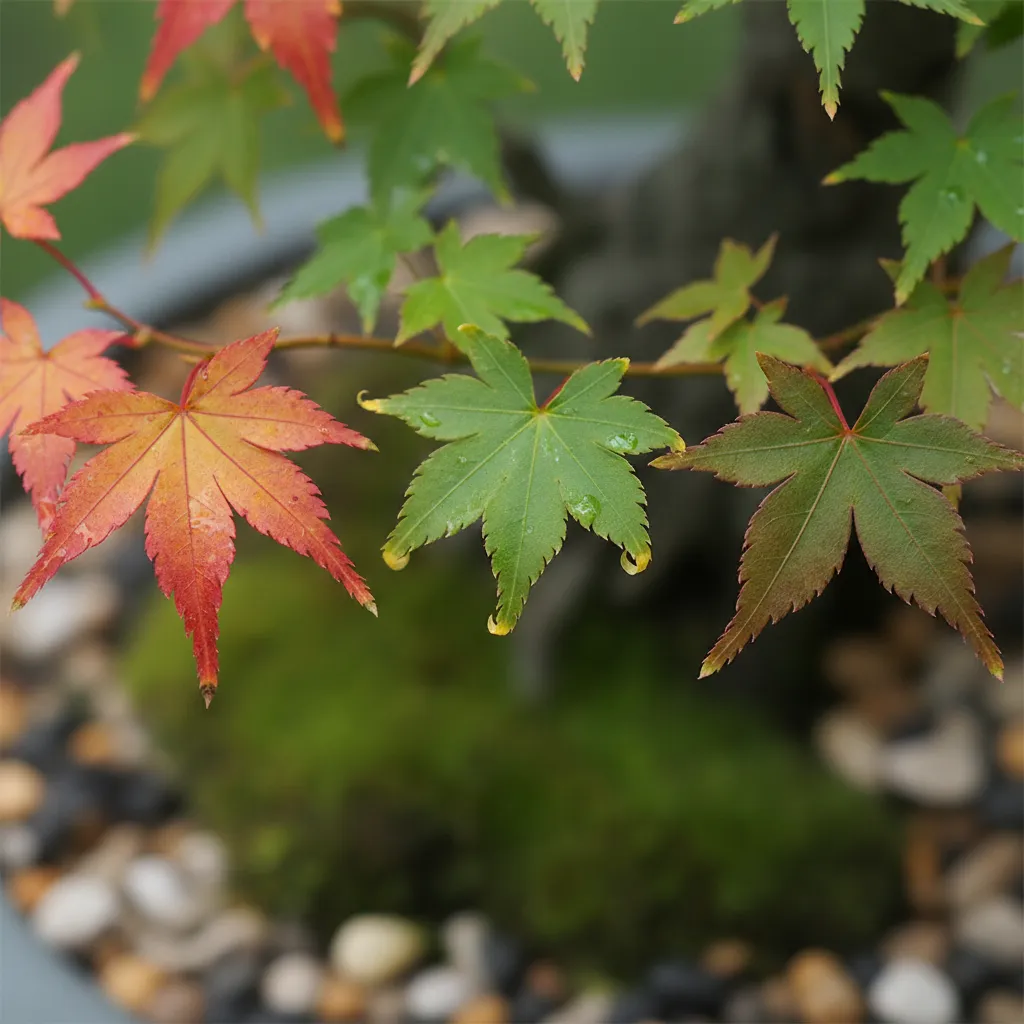
One of the most captivating aspects of maple bonsai is their dramatic seasonal color change. From vibrant spring greens to fiery autumn reds, oranges, and yellows, these transformations are a joy to behold. To maximize these colors, several factors play a role.
Adequate sunlight exposure in late summer and early autumn is crucial for vibrant fall colors. A good balance of nutrients, particularly less nitrogen and more phosphorus and potassium, can also contribute to better coloration. Cooler night temperatures combined with warm, sunny days in autumn provide the ideal conditions for maples to produce their most stunning displays.
Protecting your trees from early frosts can extend the period of brilliant color. Remember that some varieties naturally exhibit more intense colors than others, so choose your specimen with this in mind if autumn spectacle is your primary goal.
Pruning for Ramification and Shape
Pruning is fundamental to shaping your maple bonsai and encouraging dense, fine ramification – the development of many small branches and twigs. This technique maintains the tree’s miniature size and desired aesthetic.
There are two main types of pruning: structural pruning and maintenance pruning. Structural pruning involves removing larger branches to define the overall form of the tree. This is best done in late winter or early spring before bud break, or in late summer after the first flush of growth. Use sharp, concave cutters to make clean cuts that heal well. For beginners, understanding the Best Bonsai Tools for Beginners: A Starter Guide is crucial.

Maintenance pruning, or pinch pruning, involves removing new shoots and leaves throughout the growing season. This encourages back-budding and finer branching. Pinching back new growth to one or two sets of leaves helps create the dense canopy characteristic of mature bonsai. Always consider the overall balance and shape of your tree when pruning to ensure harmonious growth. Regular pruning is key to successful maple bonsai care. To further explore the artistic side, learn about Developing Bonsai Styles: Classic Forms & Modern Twists.
Watering and Fertilizing Your Maple Bonsai
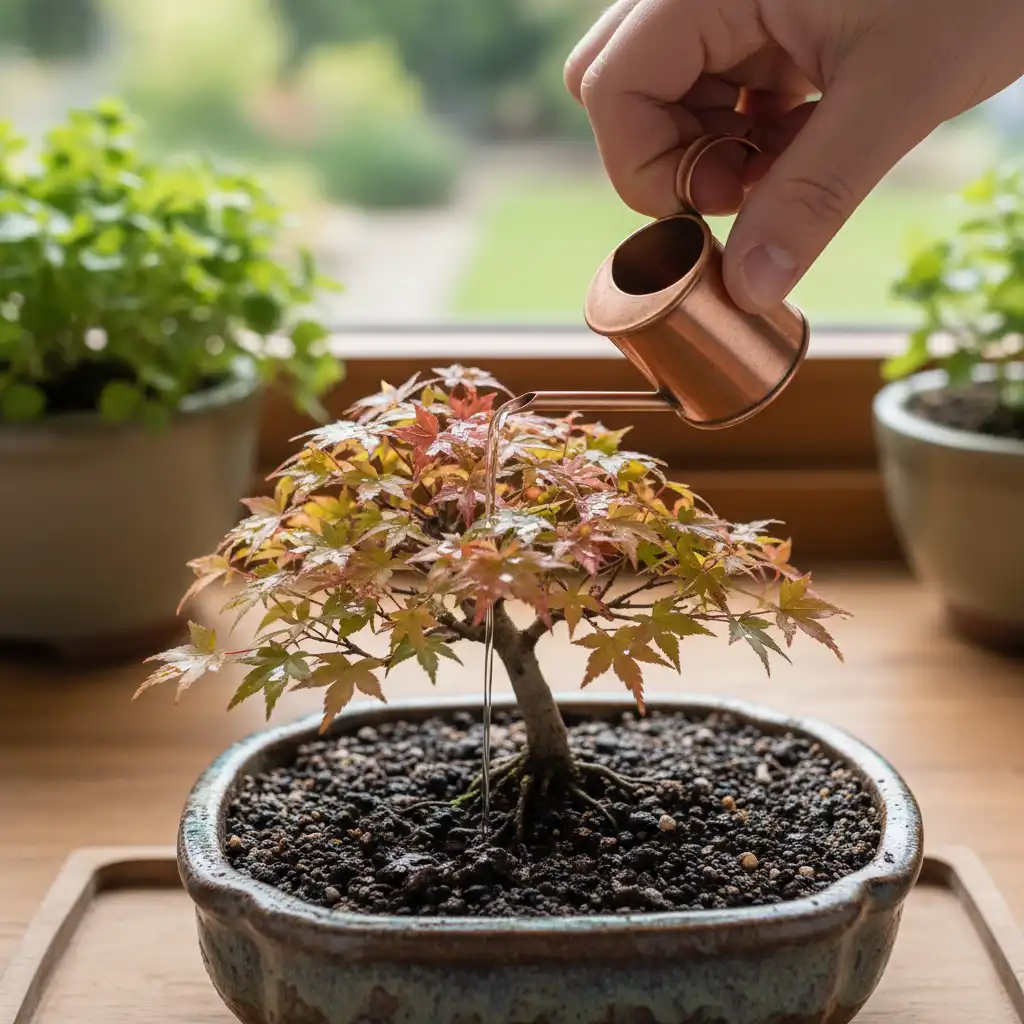
Proper watering and fertilizing are critical for the health and vigor of your maple bonsai. Maples generally prefer consistent moisture, but hate soggy roots. The frequency of watering depends on the season, climate, pot size, and soil mix.
During warm growing seasons (spring and summer), your maple may need watering once or even twice daily. Always check the soil first: water when the top inch of soil feels dry to the touch. Water thoroughly until water drains from the bottom of the pot. In cooler seasons and during dormancy, reduce watering significantly to prevent root rot.
Fertilization provides essential nutrients for growth. Begin a regular feeding schedule in spring, once new growth hardens off, and continue through late summer. Use a balanced liquid fertilizer, or a slow-release granular fertilizer. Adjust the strength and frequency based on the tree’s vigor and the specific fertilizer’s instructions. For more comprehensive guidance on Bonsai Soil, Fertilization & Nutrition, explore our detailed resources. Reduce or stop fertilizing in late autumn and winter to allow the tree to prepare for dormancy. Consistent and appropriate feeding is vital for vibrant maple bonsai care.
Potting and Repotting Techniques
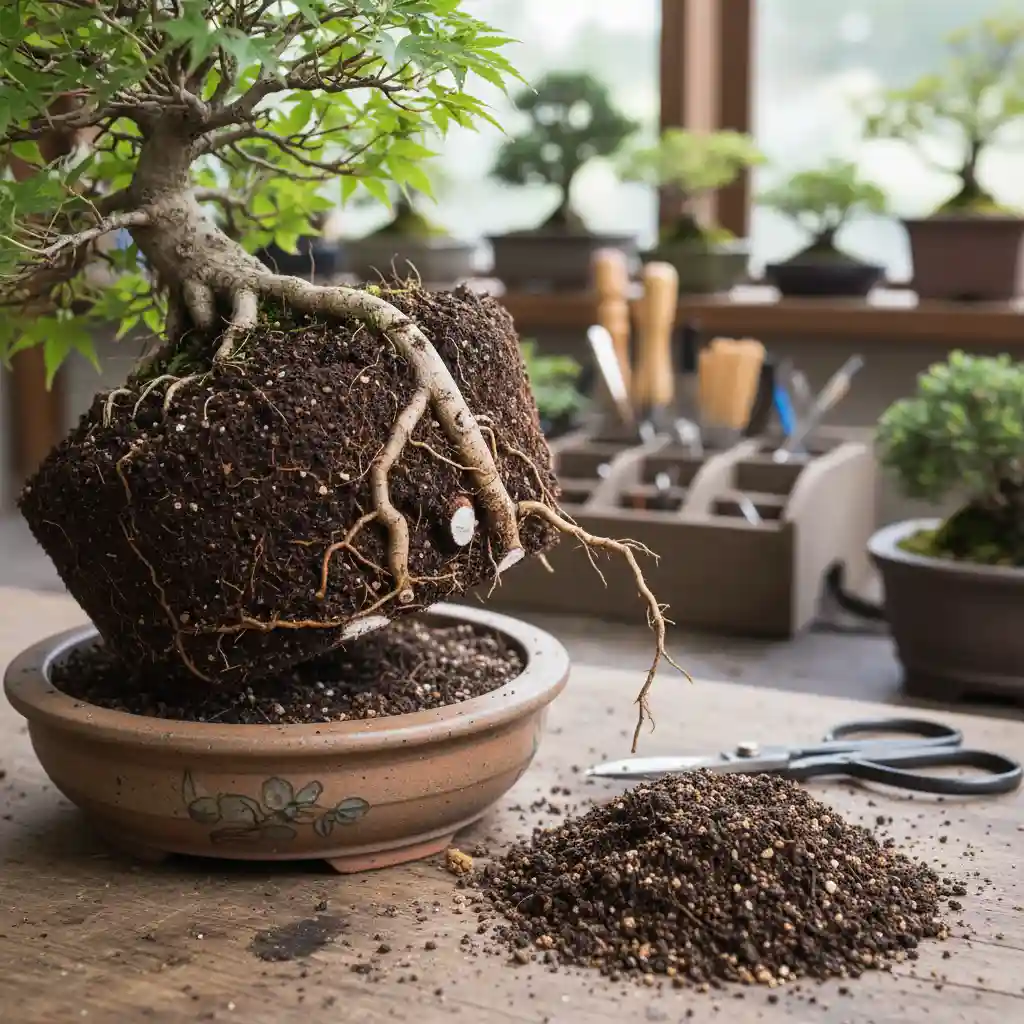
Repotting is a crucial aspect of maple bonsai care, ensuring healthy root development and overall tree vigor. It typically involves root pruning and replacing the old soil with fresh substrate. The frequency depends on the tree’s age and growth rate, usually every 2-3 years for young, vigorous maples and every 3-5 years for older, more mature specimens.
The best time to repot maples is in early spring, just before the buds begin to swell. Carefully remove the tree from its pot and gently untangle the roots. Prune away about one-third to one-half of the root mass, focusing on thick, circling roots and leaving finer feeder roots. Always use a well-draining bonsai soil mix, often composed of specific components like Akadama, Pumice, and Lava Rock, to prevent waterlogging and promote aeration. For more detailed insights into general bonsai soil requirements, you can refer to external resources like Wikipedia’s Bonsai Soil article.
After repotting, water thoroughly and keep the tree in a shaded, protected location for a few weeks to allow it to recover. Avoid fertilizing for at least a month after repotting. This process revitalizes the tree, encouraging new growth and strengthening its health.
Protecting Your Maple Bonsai from Pests and Diseases
Maintaining the health of your maple bonsai involves vigilant protection against common pests and diseases. Early detection and prompt action are key to preventing serious damage.
Common pests include aphids, spider mites, scale insects, and caterpillars. Inspect your tree regularly, especially the undersides of leaves and new growth. If pests are detected, treat them with insecticidal soap, neem oil, or appropriate organic pesticides. For a comprehensive guide to identifying and treating these issues, explore Common Pests of NZ Native Bonsai: Identification & Organic Solutions. Ensure good air circulation around your tree to deter many pests.
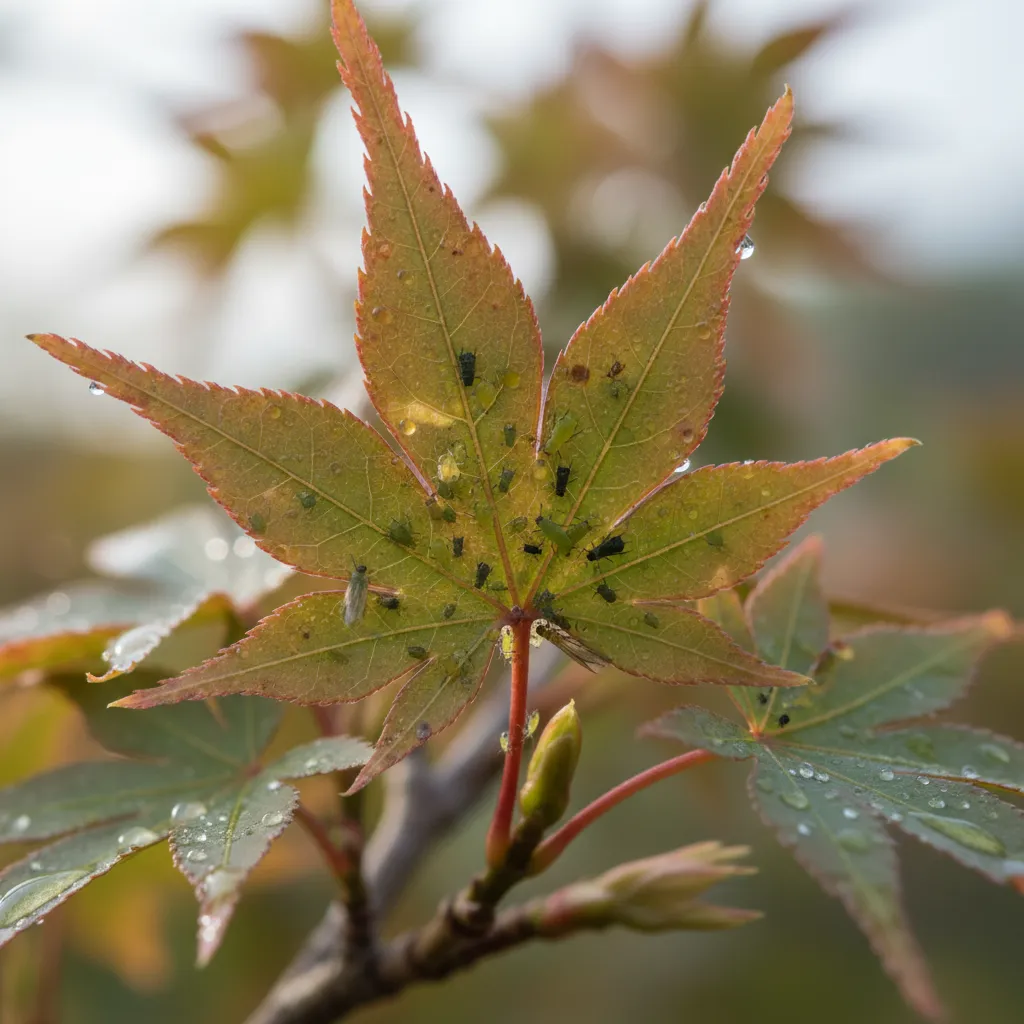
Maple bonsai can also be susceptible to fungal diseases like powdery mildew, especially in humid conditions. Ensure proper spacing between trees and avoid overhead watering in late evening. Treat fungal issues with fungicides as recommended. Healthy, well-cared-for trees are more resistant to infestations and infections, highlighting the importance of comprehensive maple bonsai care.
Advanced Maple Bonsai Training Techniques
Once you’ve mastered the basics of maple bonsai care, you might explore advanced training techniques to further refine your tree’s aesthetic and character. These methods require patience and a deeper understanding of horticultural principles.
Wiring for Branch Placement
Wiring is used to gently bend and position branches to achieve a desired shape and direction. Aluminum or copper wire is carefully applied to branches, remaining in place for several months until the branch holds its new position. Monitor the wire closely to prevent it from biting into the bark as the tree grows.
Grafting for Refinement
Grafting, especially approach grafting or veneer grafting, can be used to add branches where they are missing, improve nebari, or even change the variety of the tree. This advanced technique requires precision and a good understanding of plant physiology.
Trunk Thickening and Nebari Development
Techniques like growing the tree in the ground for a period, or sacrifice branches, can be employed to quickly thicken the trunk. Developing a strong, radial nebari (root flare) is achieved through careful root pruning and strategic placement during repotting to create a sense of stability and age. These advanced methods push the boundaries of traditional maple bonsai care.
Conclusion: Nurturing Your Maple Bonsai
Cultivating a maple bonsai is a rewarding journey that blends artistry with horticulture. By understanding and diligently applying the principles of maple bonsai care – from seasonal needs and precise pruning to protection from pests and advanced training – you can create a living work of art. Beyond the tree itself, considering Companion Plants & Display Elements for a True NZ Bonsai Scene can further enhance the artistry of your miniature landscape. Each season brings new challenges and opportunities for growth and refinement. Embrace the process, observe your tree closely, and enjoy the profound connection to nature that bonsai provides. Your dedication will be rewarded with a beautiful, thriving miniature maple tree that reflects your passion and skill. Keep learning, keep growing, and your maple bonsai will flourish for years to come.