Bonsai Wire Gauge Guide: Aluminum vs. Copper
Mastering the art of bonsai shaping requires understanding the crucial role of bonsai wire gauge. This guide dives deep into wire materials, helping you choose between aluminum and copper, select the perfect thickness, and refine your wiring techniques for stunning results.
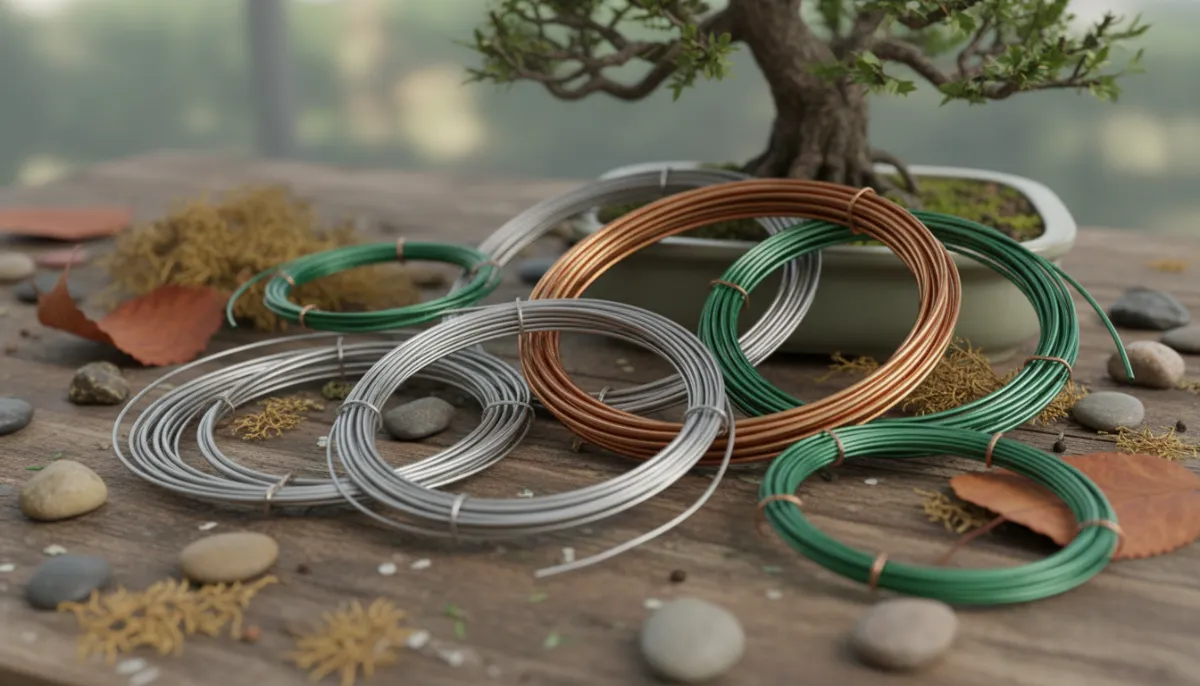
Table of Contents
Understanding Bonsai Wire Materials
When you start wiring your bonsai, one of the first decisions you face is choosing the right material. The two main types are anodized aluminum and annealed copper. Both have their advantages and disadvantages, and knowing these can significantly impact your tree’s development and your wiring experience.
The choice of material often depends on the species of tree, the thickness of the branch, and even your personal preference. Our experts often recommend starting with aluminum for beginners due to its ease of use. If you’re embarking on your journey, consider our guide on Choosing Your First Bonsai Tree to help you get started.
Aluminum Bonsai Wire
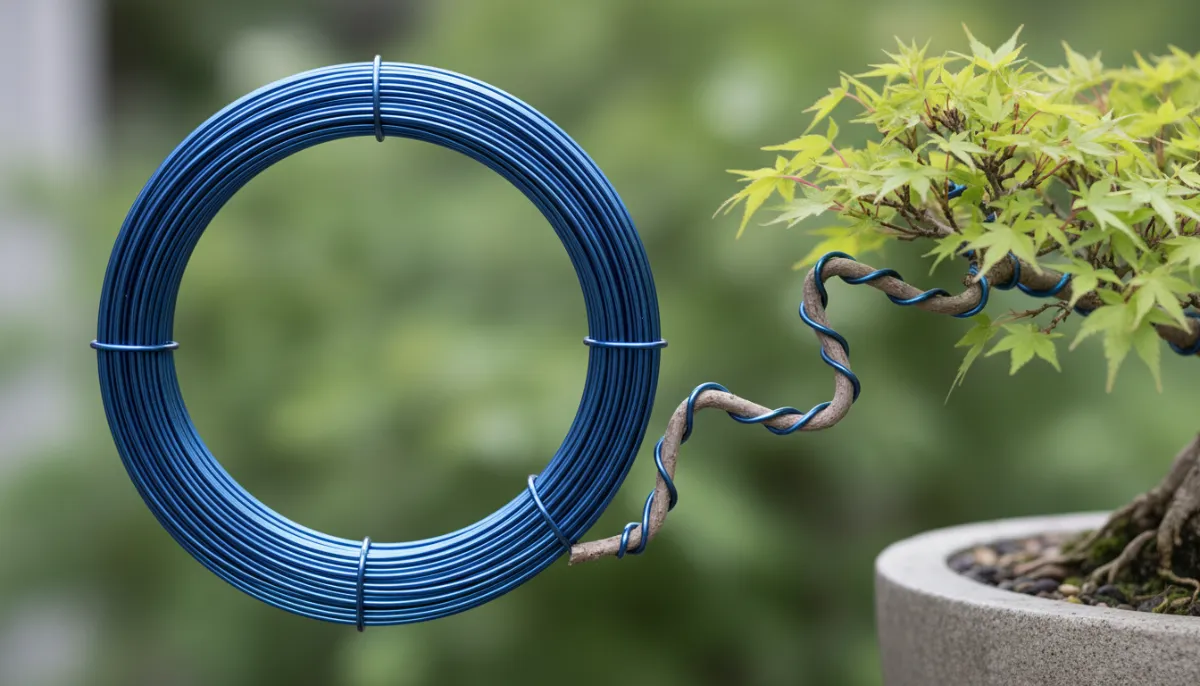
Aluminum wire is by far the most popular choice for bonsai enthusiasts, especially for beginners. Its anodized coating prevents it from reacting with the tree bark, which is a common concern with raw metals. Aluminum is also significantly softer than copper.
This softness makes it easier to wrap around branches without causing damage, and it’s simpler to remove later. It’s also less expensive, making it a cost-effective option for those just starting or working on many trees. You’ll find aluminum wire in a wider range of colors, which can sometimes be helpful for blending in with bark.
However, aluminum is not as strong as copper. This means you might need to use a slightly thicker gauge of aluminum wire to achieve the same holding power as a thinner copper wire. This can sometimes make the wiring more visible on the tree.
Copper Bonsai Wire

Copper wire is the traditional choice for many seasoned bonsai artists, especially in Japan. It is much stronger than aluminum, allowing you to use a thinner wire to hold a branch in place. This makes the wire less noticeable on the tree, contributing to a more refined aesthetic.
Copper wire is typically sold in an annealed state, meaning it has been heat-treated to make it softer and more pliable. Once wrapped around a branch, it work-hardens, becoming stiffer and holding its shape more firmly. This property is ideal for establishing strong bends on mature branches.
The main drawbacks of copper are its cost and its stiffness. It’s more expensive than aluminum, and it’s harder to apply and remove. If not handled carefully, copper wire can also mark the bark of some trees, particularly if left on too long or applied too tightly. It requires a more practiced hand.
Choosing the Right Bonsai Wire Gauge
Selecting the correct bonsai wire gauge is perhaps the most critical aspect of successful wiring. Too thin, and it won’t hold the branch. Too thick, and it risks damaging the bark or looking unsightly. The goal is to use the thinnest wire possible that still achieves the desired bend and hold.
A good rule of thumb is that the wire should be approximately one-third the thickness of the branch you are wiring. This is a starting point; adjustments are often needed based on the tree species, branch flexibility, and wire material.

Understanding Wire Thickness
Bonsai wire is typically measured in millimeters (mm) or by a standard gauge system. In general, smaller numbers indicate thicker wire in the gauge system (e.g., 8 gauge is thicker than 18 gauge), while in millimeters, a larger number means thicker wire. Most modern bonsai suppliers use millimeter measurements, which are easier to understand.
For delicate twigs, you might use 1.0mm or 1.5mm wire. For medium branches, 2.0mm to 3.0mm is common. For very thick, stubborn branches, wires of 4.0mm, 5.0mm, or even 6.0mm might be necessary. Remember, the stronger the bend you want to achieve, the more holding power you need.
Factors Influencing Gauge Selection
Several factors come into play when deciding on the optimal bonsai wire gauge:
- Branch Thickness and Rigidity: Thicker, stiffer branches require thicker wire. Younger, more flexible growth needs thinner wire.
- Tree Species: Some species, like Junipers, have very pliable branches, while others, like pines, can be quite stiff. Understand your tree’s characteristics.
- Desired Bend: A gentle curve needs less strength than a sharp, dramatic bend. For extreme bends, you might need to use two wires twisted together or a thicker single wire.
- Wire Material: As discussed, copper is stronger. If you’re using copper, you can often go down one or two sizes in gauge compared to aluminum to achieve the same hold.
- Purpose: Are you just setting a slight direction, or are you creating a significant structural change? The purpose dictates the strength needed.
It’s always better to start with a slightly thinner wire and add a second, parallel wire if more strength is needed, rather than starting with an unnecessarily thick wire that could mark the bark or look out of proportion.
Essential Bonsai Wiring Techniques for Success
Knowing which wire to use is only half the battle; knowing how to apply it correctly is just as important. Proper wiring techniques ensure the health of your tree and the success of your design. Wiring is a gentle art, requiring patience and precision. For a comprehensive approach to shaping, delve deeper into Bonsai Pruning & Wiring Techniques.
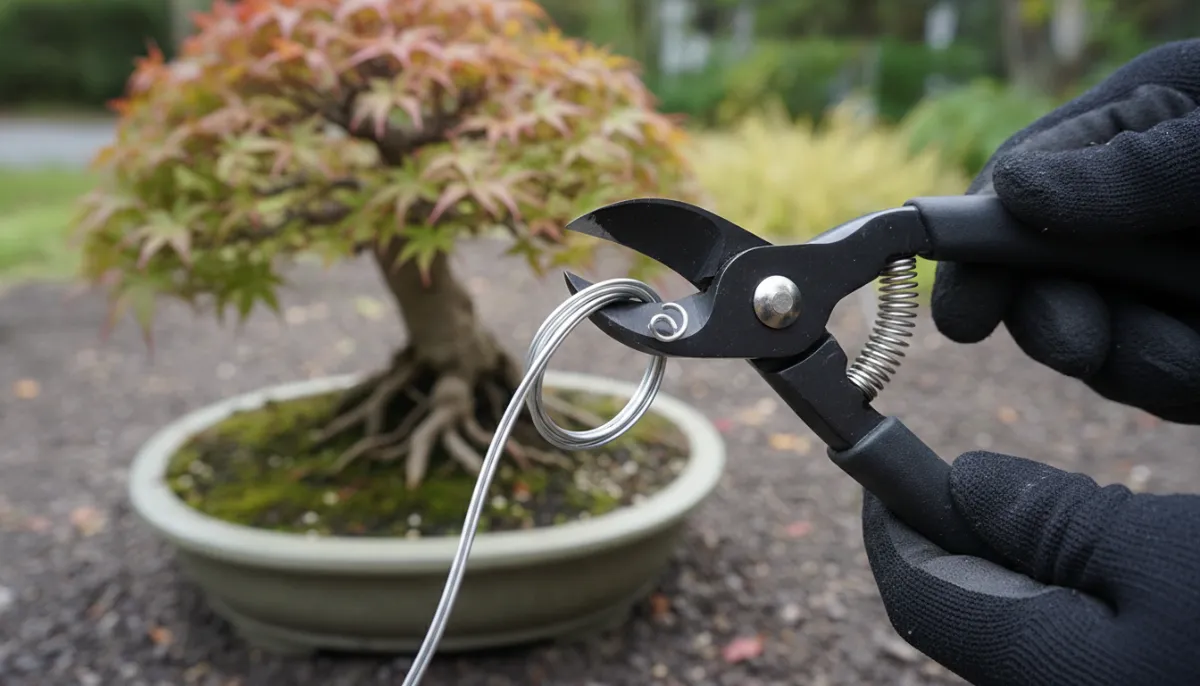
Always ensure your hands are clean and your tools are sharp. Wire cutters, specifically designed for bonsai, are essential for clean cuts and preventing damage to your tree or the wire itself.
Applying Wire Safely and Effectively
When applying wire, start from the trunk or the base of the branch and work your way outwards. Wrap the wire at an angle of approximately 45 degrees to the branch. This angle provides the best holding power while allowing for even pressure distribution. Avoid crossing wires tightly or wrapping too loosely, as both can be ineffective or harmful.
Always ensure that the wire makes firm contact with the bark but doesn’t dig in. As the tree grows, the wire can bite into the bark, leaving unsightly marks or even constricting the flow of nutrients, potentially leading to issues like Bonsai Branch Dieback Causes. Monitor your wired trees regularly, especially during periods of rapid growth, and remove wires promptly when they begin to mark the bark or when the branch has set in its new position.
After removing the wire, allow the branch to rest and recover. Some artists apply a thin layer of cut paste to any deep wire marks to aid healing, although this is less common with superficial marks. Patience is key; it can take months or even years for a branch to fully set, and sometimes re-wiring is necessary.
Mastering Bonsai Wire Gauge: Your Journey Continues
Understanding the nuances of bonsai wire gauge, materials, and application techniques is fundamental to shaping your trees with precision and care. Whether you opt for the forgiving nature of aluminum or the refined strength of copper, the key lies in attentive observation and consistent practice.
The art of bonsai is a continuous learning process. Each tree presents unique challenges and opportunities for growth, both for the tree itself and for the artist. With the right knowledge and tools, you are well-equipped to guide your bonsai on its artistic journey. For those interested in the broader context, exploring the History of Bonsai in NZ: From Early Imports to Native Excellence can provide fascinating insights. Beyond wiring, crucial aspects like understanding Bonsai Soil, Fertilization & Nutrition for vitality, mastering Repotting Bonsai: When, Why, and How-to for long-term health, consulting a Bonsai Pot Selection Guide: Material, Size, Drainage for aesthetic and root needs, identifying and treating Common Bonsai Pests & Diseases: Identification & Treatment, and understanding essential Spring Care for Bonsai SH, as well as crucial Seasonal Inversion for Bonsai Care are all key to a thriving bonsai. As you continue to hone your skills, remember that connection and sharing are vital parts of the bonsai world. Engage with fellow enthusiasts through local Bonsai Community & Events, or connect online using Social Media for Bonsai Enthusiasts: Groups & Hashtags. When you’re ready to showcase your beautiful trees, make sure to capture their essence with these Bonsai Photography Tips for Sharing Your Trees.