Mastering Bonsai Design Principles: Balance & Proportion
Understanding core bonsai design principles is key to crafting breathtaking miniature trees. It’s more than just trimming; it’s an art form guided by nature’s rules. This guide will help you achieve visual harmony and realistic beauty in your bonsai projects. Applying these time-tested rules transforms a simple plant into a living sculpture.
Bonsai design principles like balance and proportion are the artistic guidelines used to shape miniature trees. Balance creates visual equilibrium, often through asymmetrical arrangements, while proportion ensures all parts scale realistically. These principles help make the bonsai look like a true, aged miniature tree, fostering beauty and harmony.
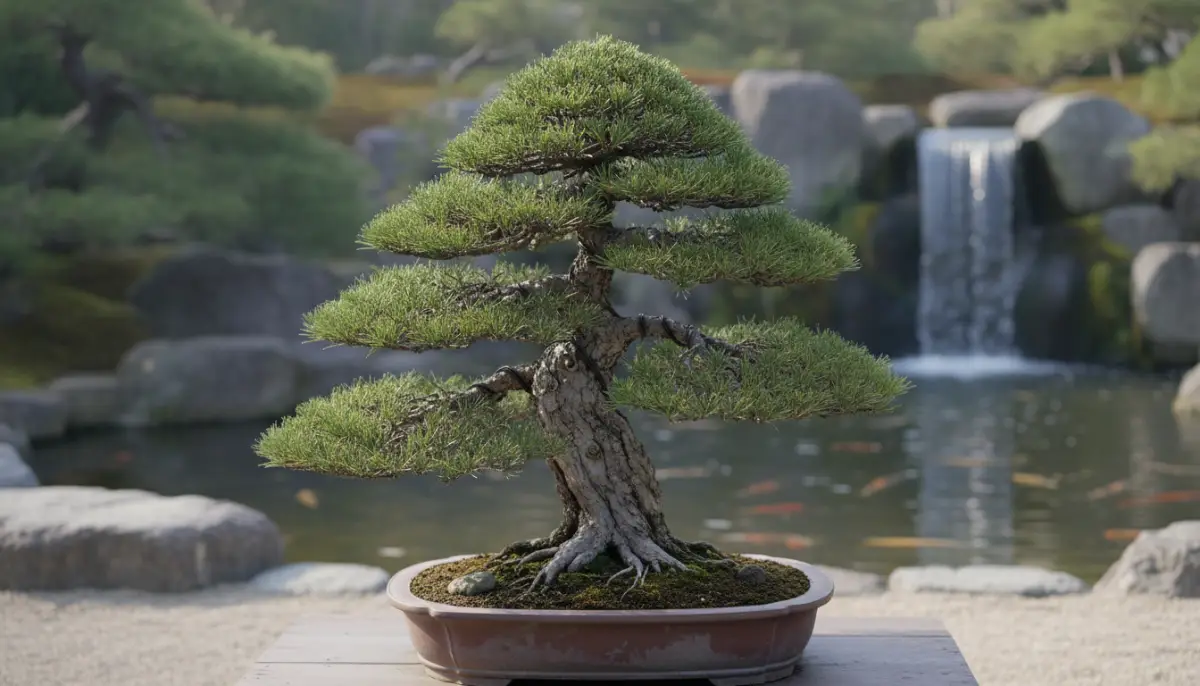
The journey of creating a bonsai is deeply rewarding. It connects us to nature, tests our artistic eye, and offers a vibrant Bonsai Community & Events to engage with. By focusing on balance and proportion, you ensure your bonsai looks natural and aesthetically pleasing, inviting contemplation and admiration.
Table of Contents
Achieving Visual Balance in Your Bonsai
Balance in bonsai isn’t always about perfect symmetry. Often, it’s about creating a sense of visual equilibrium using asymmetrical elements. This mimics the natural world, where trees rarely grow in perfect, mirror-image forms.
Understanding Asymmetrical Balance
Asymmetrical balance means distributing visual weight unevenly but harmoniously. Imagine a large branch on one side balanced by several smaller elements on the opposite side. The empty space around the tree also plays a crucial role in this balance.
The heaviest part of the tree, typically the trunk, serves as the anchor. Branches and foliage extend from this point, creating the overall shape. Consider how each element adds or subtracts from the visual weight. Understanding these bonsai design principles allows for more dynamic compositions.
The Rule of Thirds for Bonsai
The Rule of Thirds is a classic design principle. It involves dividing your visual space into nine equal parts using two horizontal and two vertical lines. Placing key elements along these lines or at their intersections can create dynamic, balanced compositions.
For bonsai, this often means placing the tree’s main apex or the focal point slightly off-center. This avoids a static, bullseye effect, making the composition more engaging and natural. It guides the viewer’s eye through the entire design.
Counterbalancing Elements
Every design choice can act as a counterweight. A strong branch pointing left might be balanced by a smaller, denser cluster of foliage on the right. Even the pot itself contributes, with its size and shape influencing the overall feel. The goal is a cohesive visual story.
- Trunk Taper: A strong, wide base that narrows towards the top creates visual stability and suggests age.
- Branch Placement: Avoid placing branches directly opposite each other; stagger them for a natural look and to create depth.
- Foliage Pads: Shape foliage pads to complement the overall branch structure, not just as isolated puffs. They should contribute to the tree’s silhouette.
- Root Spread (Nebari): Visible surface roots (nebari) add a sense of age and firmly anchor the tree visually, enhancing its grounded appearance.
Considering the Viewing Angle
The primary viewing angle is critical for establishing balance. A bonsai is a three-dimensional sculpture, but it is often displayed with a specific front in mind. All design decisions, from branch placement to trunk inclination, should ideally enhance the tree’s aesthetic appeal from this chosen perspective.
Regularly stepping back and observing your bonsai from different angles will help you identify areas where balance might be compromised. Adjustments, even minor ones, can significantly impact the tree’s overall harmony and visual weight distribution. Once perfected, consider applying some Bonsai Photography Tips for Sharing Your Trees to capture and share its beauty.
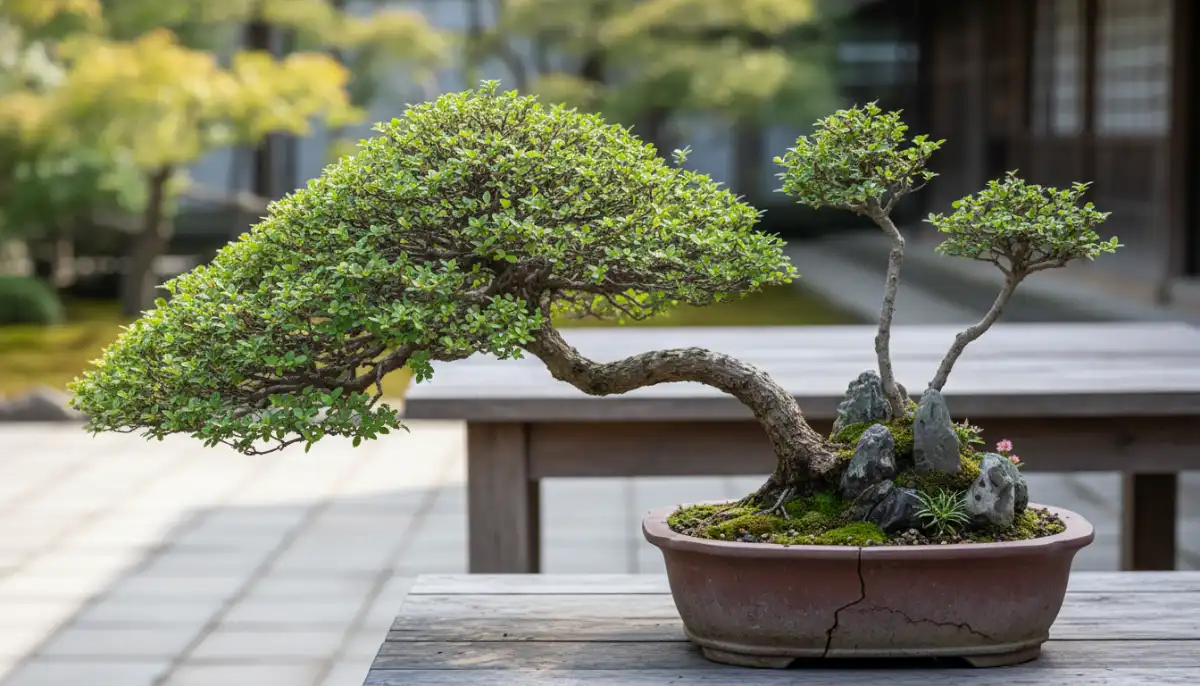
Proportion in Bonsai Design: Creating Realism
Achieving good proportion is vital for a convincing miniature tree. Your bonsai should look like a giant tree shrunk down, not just a small plant. This requires careful attention to the relative sizes of all its components. These bonsai design principles ensure a natural, aged appearance.
Trunk to Branch Ratio
The trunk should be the dominant feature, tapering gracefully from a wide base to a narrower apex. Branches should emerge from the trunk and gradually decrease in thickness as they extend outwards. The first main branch should be thicker than subsequent ones, respecting the natural growth patterns.
This tapering effect, known as ramification, mimics the way mature trees grow in nature. It’s a hallmark of high-quality bonsai and contributes significantly to the illusion of age and scale. Without proper ramification, a bonsai can appear unrefined or immature.
Foliage Density and Scale
Foliage pads should be in proportion to the overall size of the tree. Large, heavy pads on a small tree can make it look unnatural or top-heavy. Conversely, sparse foliage on a robust trunk can look incomplete and lacking vitality.
The individual leaves or needles should also appear scaled down. While you can’t always change leaf size, proper pruning and wiring can create a denser, more refined foliage mass that implies smaller leaves, enhancing the miniature effect. This meticulous care highlights the artistic application of bonsai design principles. For those interested in coniferous varieties, Pine Bonsai: Needles, Candles, and Advanced Techniques, or Caring for Juniper Bonsai: A Comprehensive Guide offers specialized guidance. Additionally, for deciduous trees, information on Elm Bonsai Care: Indoor vs. Outdoor Growing can be very helpful.
Pot Selection and Its Impact
The pot is an integral part of the bonsai’s composition. Its size, shape, and color must complement the tree without overpowering it. Generally, the pot’s length should be about two-thirds the height of the tree, or its width about two-thirds the spread of the tree, creating visual harmony.
The depth of the pot often relates to the thickness of the trunk. A very thick trunk usually looks best in a deeper pot, giving it a stable foundation. A shallow pot might be chosen for a tree with an impressive nebari or for styles that emphasize horizontal growth.
While mastering design principles is crucial for the aesthetic, the ongoing health and growth of your bonsai require dedicated care, including seasonal care like Spring Care for Bonsai SH and Winter Protection for NZ Bonsai: Ensuring Health Through Colder Months, proper Bonsai Soil, Fertilization & Nutrition and protection from Common Pests of NZ Native Bonsai: Identification & Organic Solutions. For instance, understanding Bonsai Fertilizer Recommendations: Organic vs. Chemical is vital for providing the right nutrients. Similarly, if you’re growing indoors, choosing the Bonsai Grow Lights: Choosing the Right Spectrum can make a significant difference in your tree’s vitality and development.
Age and Character through Proportion
Beyond just size, proportion helps convey the illusion of age. An older tree typically has a thicker trunk, a more pronounced nebari, and finer ramification. When designing, consider how each proportional decision contributes to the narrative of the tree’s history.
For example, thicker lower branches compared to thinner upper branches, and larger foliage pads near the base tapering to smaller ones higher up, all contribute to a realistic portrayal of an aged tree. This is a core tenet of effective bonsai design principles.
Creating Depth and Movement in Your Bonsai Display
Beyond static balance and proportion, a truly great bonsai evokes a sense of depth and dynamic movement. It should invite the viewer’s eye to travel through its structure, much like a real tree in nature. These advanced bonsai design principles add realism and artistry.
Branch Placement for Perspective
Branches should be placed not just left and right, but also forward and back. This creates a three-dimensional effect. The lowest branch is often the longest and extends slightly forward, drawing the viewer in and providing an entry point for the eye.
Subsequent branches are shorter and placed further back on the trunk, creating layers. This layering creates a sense of depth, giving the illusion that the tree is larger than it actually is. It makes the bonsai feel alive and draws the viewer deeper into its form.
Nebari and Surface Roots
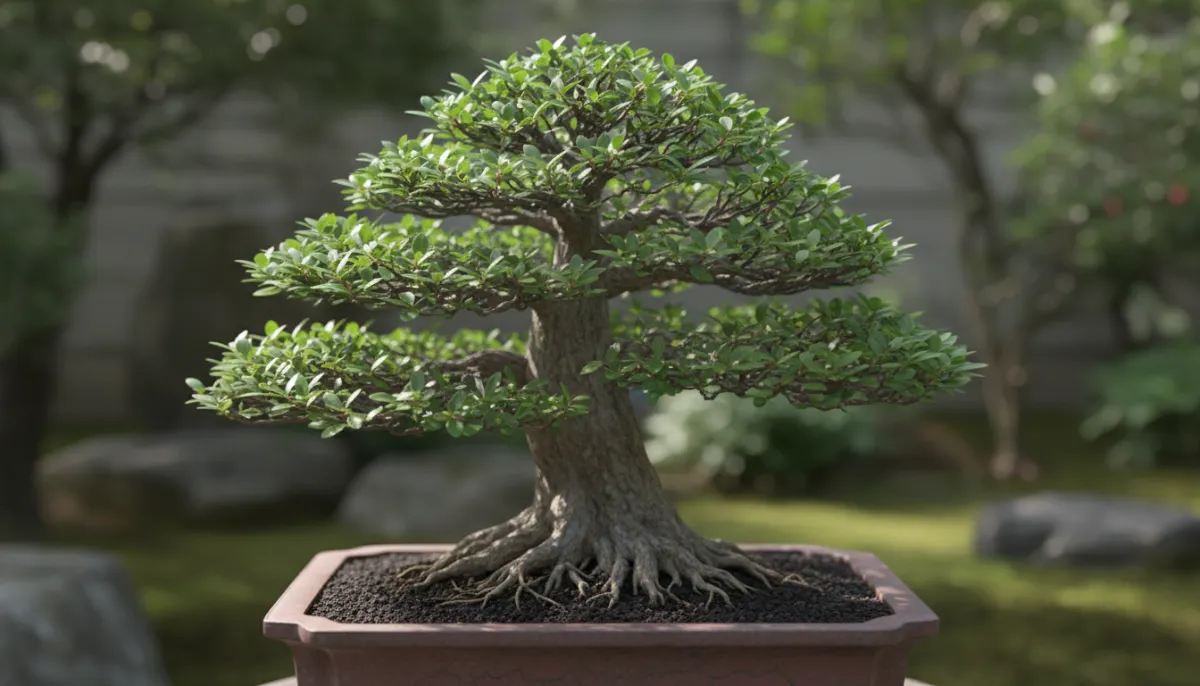
The nebari, or the exposed surface roots at the base of the trunk, is critical for establishing a sense of age and stability. A strong, radial nebari that spreads evenly around the trunk firmly anchors the tree visually, making it appear ancient and resilient.
This root flare also adds a powerful element of interest and movement, guiding the eye from the soil line upwards into the trunk. A well-developed nebari suggests a long history and resilience, truly embodying the spirit of a mature tree in miniature. More on nebari can be found on Wikipedia.
The Power of Empty Space
Empty space, or negative space, is just as important as the tree itself. It defines the outline of the tree, accentuates its silhouette, and allows the eye to rest. Without sufficient empty space, a bonsai can appear cluttered or heavy, losing its elegance and clarity.
Strategic use of open areas between branches and foliage pads creates visual flow and emphasizes the tree’s natural form. This thoughtful inclusion of negative space is a hallmark of masterful bonsai design, allowing each element to breathe and contribute to the overall aesthetic without competition.
Flow and Rhythm
Beyond static elements, a bonsai should possess a sense of flow and rhythm, guiding the viewer’s eye smoothly through its entire structure. This is achieved by considering the lines of the trunk, branches, and even the direction of foliage pads. A consistent visual direction, or a harmonious interplay of opposing directions, creates a dynamic composition.
The overall movement should feel natural, like a tree shaped by wind or growing towards the light. This rhythmic quality is what elevates a well-proportioned tree into a captivating work of art, inviting prolonged admiration.
The Essence of Bonsai Artistry
Ultimately, mastering bonsai design principles is an ongoing journey of learning and observation. It’s about blending horticultural science with artistic vision to create a living sculpture that reflects the grandeur of nature in a compact form. The principles of balance and proportion are not rigid rules, but rather flexible guides that allow for personal expression while maintaining natural harmony. This journey also includes contemplating The Future of NZ Native Bonsai: Innovation, Sustainability & Global Recognition, especially as the art form evolves.
Each cut, each wire placement, and each watering decision contributes to the evolving masterpiece. Embrace the challenge and enjoy the peaceful satisfaction of nurturing a beautiful bonsai. With patience and dedication, your miniature trees will inspire awe and tranquility for years to come.