Bonsai Pruning: Master the Art for Perfect Shape and Health
Discover the secrets to expert bonsai pruning. This essential guide will help you shape stunning trees and maintain their vitality for years to come. Whether you’re a beginner or an experienced enthusiast, understanding proper pruning techniques is key to cultivating beautiful bonsai.
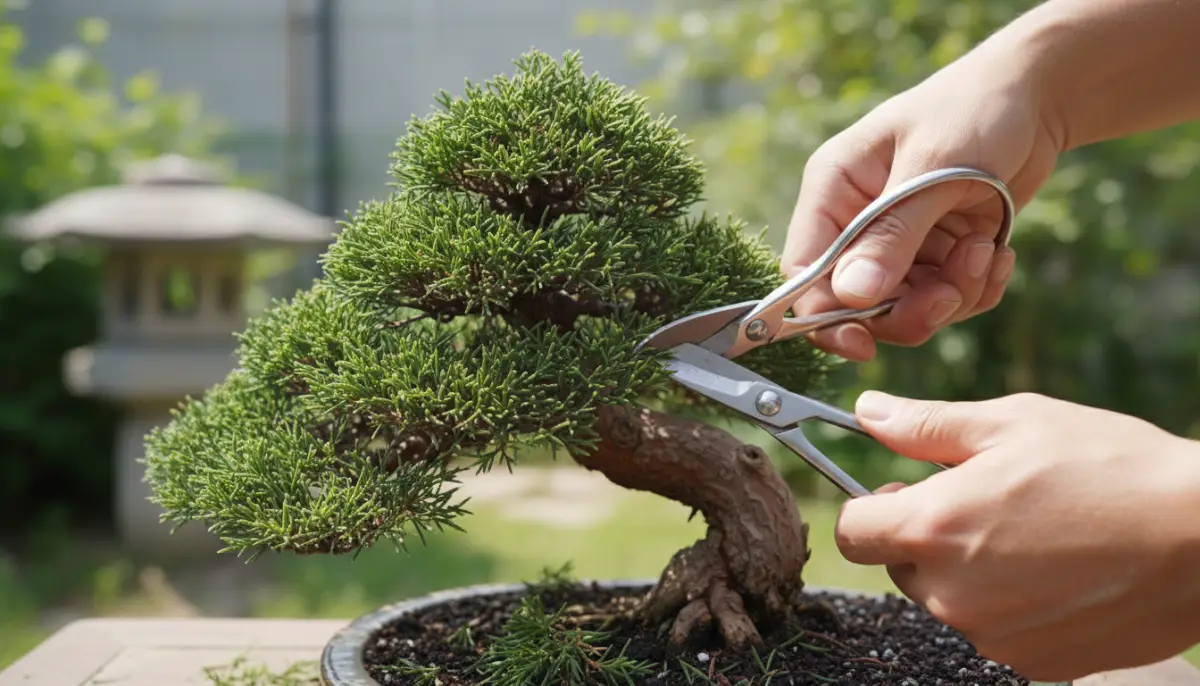
Table of Contents
The art of bonsai is deeply rooted in patience, vision, and precise care. At its core, bonsai pruning is the most critical technique you’ll employ. It’s not just about cutting branches; it’s about guiding growth, enhancing aesthetic appeal, and ensuring the long-term health of your miniature tree. Without proper pruning, a bonsai would quickly revert to its natural, untamed form, losing its carefully crafted design.
This comprehensive guide will walk you through the various aspects of pruning. We’ll cover everything from initial structural shaping to ongoing maintenance. You’ll learn how to make cuts that promote dense foliage, fine ramification, and a strong, captivating design that truly stands out. Prepare to elevate your bonsai artistry and foster thriving, beautiful trees.
Understanding Structural Bonsai Pruning Basics
Structural pruning is the foundation of any great bonsai. This significant pruning is done to establish the overall shape and style of your tree, defining its very character. It often involves removing larger branches, repositioning others, and shaping the trunk line itself. This initial, decisive process can dramatically change the tree’s appearance and strongly direct its future growth trajectory for decades.
It’s typically performed less frequently than routine maintenance pruning. However, its impact is profound and long-lasting, setting the stage for all future development. Think of it as creating the architectural blueprint for your bonsai’s growth, carefully laying down the main framework and artistic direction.
Why Structural Pruning is Essential
Structural pruning is absolutely crucial for several fundamental reasons. Firstly, it actively helps to reduce the tree’s overall size, meticulously keeping it miniature and in proportion. Secondly, it powerfully encourages ramification, which is the desired dense branching pattern and fine twigging so characteristic of mature, exquisite bonsai. To truly master this technique, you can learn more about Ramification and Fine Branching in Bonsai. Thirdly, it empowers you to expertly correct flaws, eliminate undesirable growth, and thoughtfully guide the tree towards your deeply desired aesthetic vision and chosen style.
By thoughtfully removing unwanted or poorly placed branches, you significantly open up the canopy to essential light and crucial air circulation. This vital action promotes healthier internal growth within the tree and substantially reduces the risk of common pests and detrimental diseases taking hold. It also helps prevent issues like Bonsai Branch Dieback Causes, and understanding Winterizing Bonsai Trees: Protecting from Cold can further protect your trees. Moreover, it wisely directs the tree’s precious energy to the remaining, chosen branches, making them stronger, more vigorous, and ready for future development.
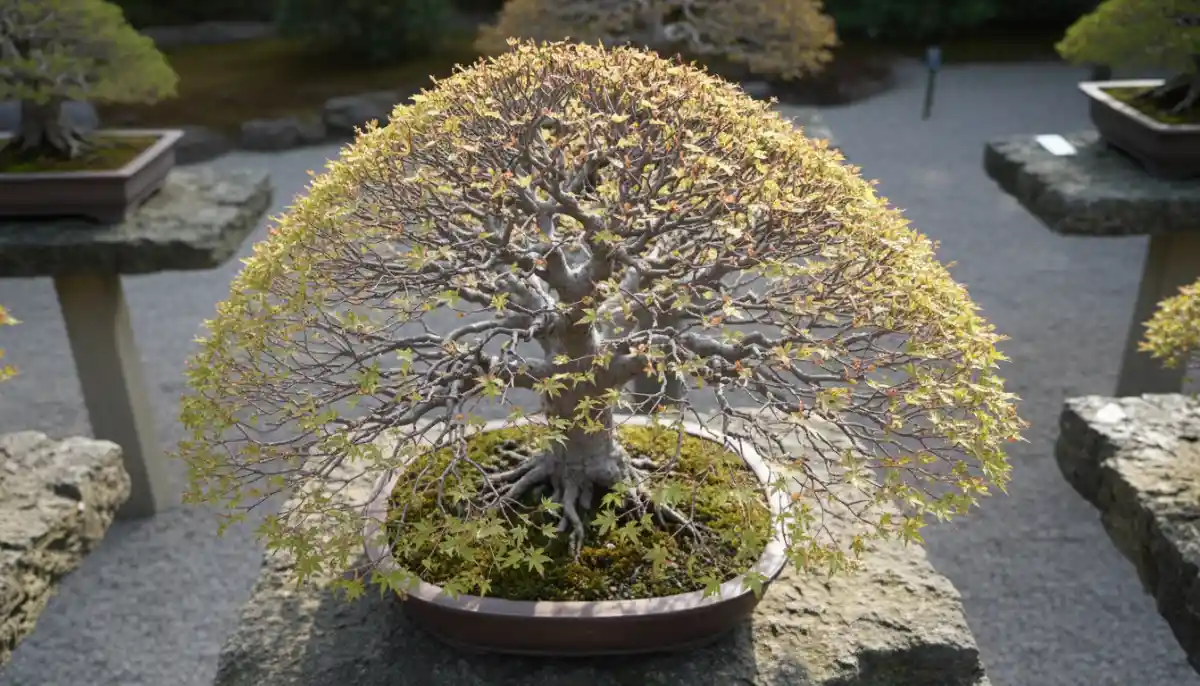
Key Principles of Shaping Your Bonsai
When performing structural bonsai pruning, several time-honored principles will guide your important decisions. Always begin by carefully considering the tree’s overall design and the specific Bonsai Styles Explained: Upright, Slanting, Cascade, or other Classic Bonsai Styling Forms Explained you are aiming to achieve. Systematically remove branches that grow straight up (watersprouts) or straight down, as these often look unnatural and disrupt the flow. Eliminate crossing branches, weak or sickly branches, and those that grow inward towards the trunk, as these compete for light and nutrients.
Strive for a balanced, often conical or triangular shape in most traditional bonsai styles. Ensure that branches are progressively smaller and finer as they ascend the trunk, creating a sense of depth and age. In some cases, you might intentionally leave small sacrifice branches if your goal is to quickly thicken the trunk in a specific area; remove them once the desired girth is achieved. Always make clean, precise cuts close to the trunk or parent branch to promote swift and proper healing, minimizing scarring.
Furthermore, consider the tree’s natural growth habits and species-specific responses. Different species react quite differently to heavy pruning. For instance, coniferous pines generally prefer less drastic structural pruning compared to vigorous deciduous trees like maples or elms. Understanding specific needs, such as Maple Bonsai Care: Seasonal Needs & Pruning, is crucial for optimal results. Always plan your cuts carefully, thinking several years ahead about how each alteration will contribute to the bonsai’s long-term development for the best possible results.
Once you’ve mastered shaping your trees and achieved that captivating design, you’ll likely want to share your creations. Learn how to capture the true beauty of your work with our Bonsai Photography Tips for Sharing Your Trees.
Mastering Maintenance Bonsai Pruning Techniques
Once the basic structure of your bonsai is established and thriving, maintenance pruning transitions into your regular and ongoing routine. This lighter, more frequent form of pruning consistently helps to refine the tree’s intricate shape, meticulously control its energetic growth, and diligently maintain its robust health. It’s often done much more frequently, sometimes even weekly or monthly, depending heavily on the specific species, its vigor, and the current growth rate.
Maintenance pruning is critical because it actively prevents the tree from growing out of its desired, artistic shape and proportion. It also powerfully encourages new growth in specifically desired areas, leading to a denser, more finely ramified canopy with exquisite detail. This ongoing, dedicated attention ensures your bonsai remains a vibrant, living sculpture, constantly evolving yet steadfastly retaining its intended artistic form and balance.
Regular Trimming for Growth and Vigor
Regular trimming involves several key actions: carefully pinching new buds, judiciously cutting back new shoots, and thoughtfully removing any overgrown or excessive foliage. This precise process redirects the tree’s precious energy to internal buds, powerfully promoting back-budding and encouraging even finer ramification throughout the canopy. For most species, you’ll typically want to cut back new shoots after they have produced two or three sets of leaves, carefully leaving just one or two.
This strategic approach encourages healthy lateral growth, preventing any single branch from becoming disproportionately dominant and disrupting the overall design. Consistent, mindful maintenance, alongside proper Bonsai Soil, Fertilization & Nutrition, ensures that the tree’s vital energy is evenly distributed throughout all its parts, leading to beautifully balanced growth and robust, enduring health. This type of ongoing, attentive bonsai pruning, combined with crucial considerations like Spring Care for Bonsai SH, is absolutely vital for the long-term success and aesthetic appeal of your living art.
Connecting with fellow enthusiasts can further enrich your bonsai journey. Explore local gatherings, workshops, and opportunities to share your passion by checking out the Bonsai Community & Events available, and dive deeper into discussions on Top Online Bonsai Forums and Communities.