Pohutukawa Bonsai Soil Mix
What You Will Learn
Discover the ideal pohutukawa bonsai soil mix to ensure superior drainage, aeration, and root health. Learn key components, mixing ratios, and maintenance tips for your Southern Hemisphere bonsai.
The majestic Pohutukawa (Metrosideros excelsa), often dubbed New Zealand’s Christmas Tree, makes for a stunning bonsai specimen. Its vibrant red blossoms and rugged bark capture the essence of its native coastal habitat, contributing to The Future of NZ Native Bonsai: Innovation, Sustainability & Global Recognition. However, successfully cultivating a Pohutukawa bonsai isn’t just about meticulous pruning or wiring, or even advanced propagation techniques like Air Layering for New Bonsai Trees, practices often detailed in a comprehensive Juniper Bonsai Care Guide; it fundamentally hinges on providing the right environment beneath the surface – specifically, the optimal pohutukawa bonsai soil mix. Without a soil blend tailored to its unique needs, your tree may struggle to thrive, exhibiting poor growth, root rot, or nutrient deficiencies.
Understanding and implementing the correct soil strategy is paramount for anyone serious about growing a healthy, long-lived Pohutukawa bonsai. This guide will walk you through the essential components, their benefits, and how to create the perfect mix that mimics its natural, free-draining environment while providing ample support for root development.
Table of Contents
- What is Pohutukawa Bonsai Soil Mix?
- Key Components of an Ideal Mix
- Crafting Your Pohutukawa Bonsai Soil Mix: A Step-by-Step Guide
- Key Benefits of the Right Soil
- Maintaining Your Pohutukawa Bonsai Soil Health: An Action Checklist
- Conclusion
- FAQ
- References
What is Pohutukawa Bonsai Soil Mix?
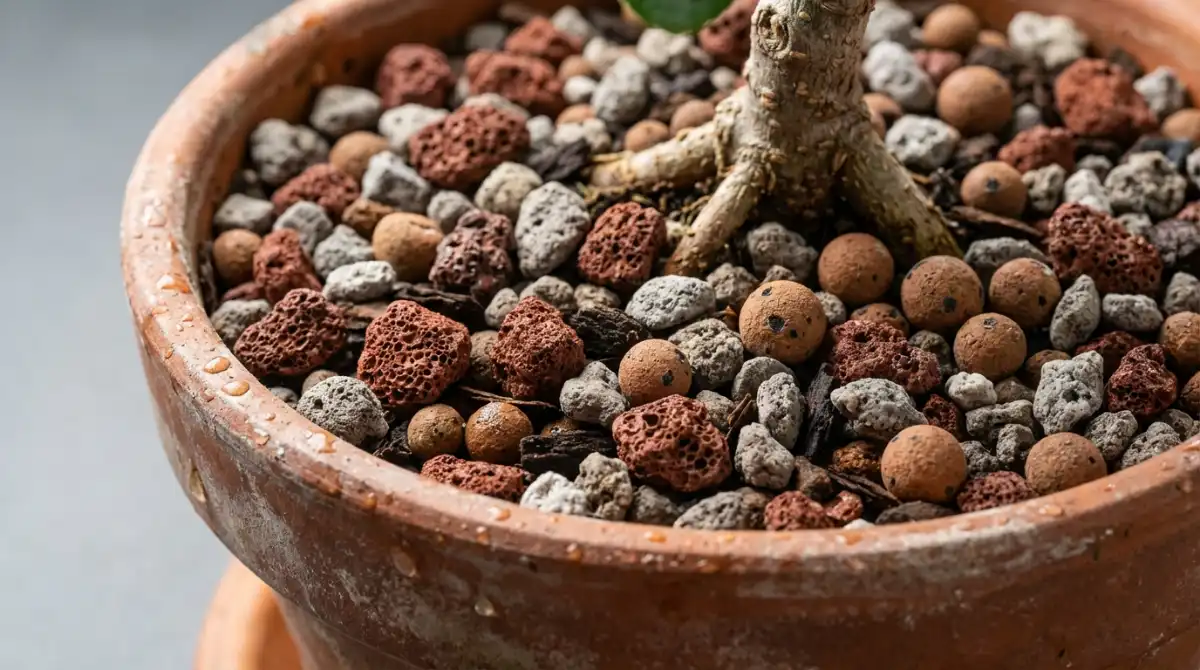
A pohutukawa bonsai soil mix is a specialized substrate designed to replicate the challenging yet nurturing conditions of the Pohutukawa’s natural coastal habitat. Unlike standard potting soil, which often retains too much moisture and compacts easily, a proper bonsai mix prioritizes superior drainage, excellent aeration, and moderate nutrient retention. This balance is critical for the health of a bonsai, especially for species like the Pohutukawa that prefer well-draining conditions and are susceptible to root rot if their roots remain waterlogged.
The goal is to create an environment where water can flow through freely, drawing fresh air into the root zone with each watering. Simultaneously, the mix must provide enough surface area for beneficial microbial activity and sufficient cation exchange capacity (CEC) to hold onto essential nutrients, making them available to the roots as needed. This delicate equilibrium is what sets a high-quality pohutukawa bonsai soil mix apart and is vital for encouraging robust root growth, strong foliage, and abundant flowering.
Key Components of an Ideal Mix
Crafting the perfect pohutukawa bonsai soil mix involves blending several specific inorganic and sometimes organic components, each contributing to the overall structure and function of the substrate. Here are the primary ingredients and their roles:
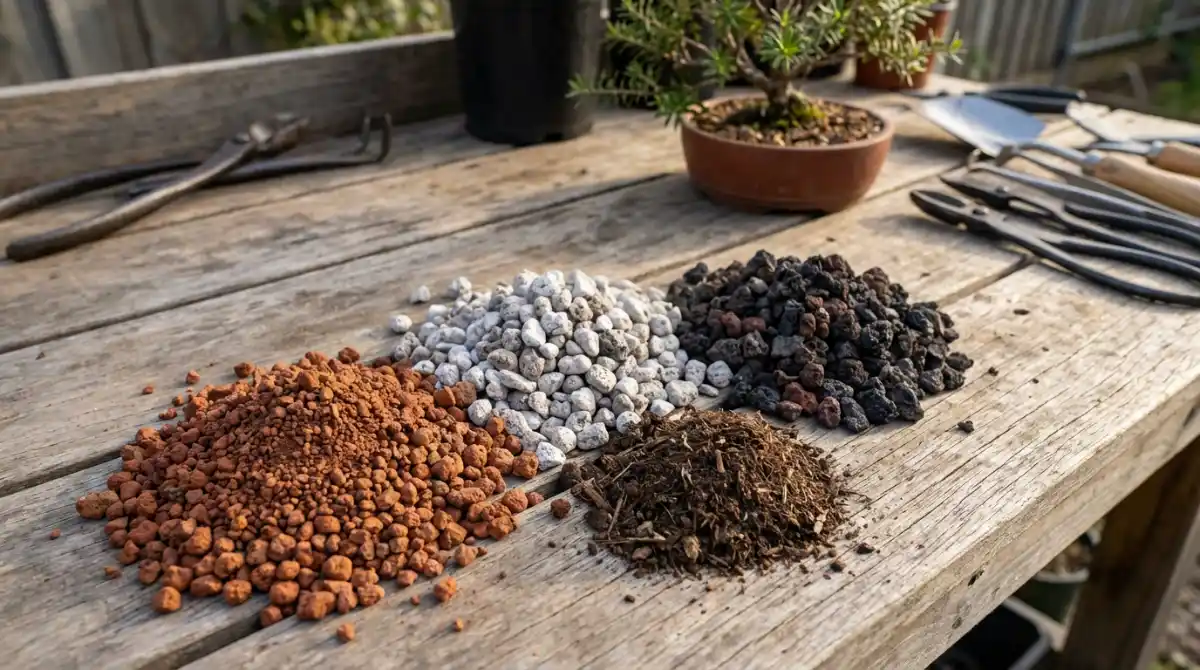
- Akadama: A hard-baked granular clay from Japan, Akadama is considered the gold standard in bonsai soil. It offers excellent water retention while remaining free-draining. Its granular structure promotes aeration and resists compaction. For Pohutukawa, a medium-hard grade is often preferred, as it breaks down slower than soft Akadama.
- Pumice: A lightweight, porous volcanic rock, pumice dramatically improves drainage and aeration. Its sponge-like structure can hold a significant amount of water and nutrients within its pores, releasing them slowly. It’s an excellent substitute or complement to Akadama, especially for species that need exceptionally sharp drainage.
- Lava Rock (Scoria): Similar to pumice but typically denser and darker, lava rock provides excellent aeration and structural integrity. It helps create pockets for air and roots, preventing compaction. Its rough surface can also offer anchor points for roots.
- Kiryuzuna (River Sand/Grit): A hard, sharp, granular volcanic sand, Kiryuzuna is often used for conifers and native Southern Hemisphere species that thrive in lean, well-draining soil. It further enhances drainage and provides valuable trace minerals. However, good quality horticultural grit or coarse river sand can be a suitable alternative.
- Pine Bark (Aged/Composted): While often associated with conifers, a small percentage of aged pine bark fines can be beneficial for Pohutukawa. It contributes some organic matter, which can improve cation exchange capacity and slightly lower pH. Ensure it is fully composted to avoid nitrogen depletion as it breaks down.
“The secret to thriving bonsai lies beneath the surface. A meticulously crafted soil mix provides the foundation for robust root health, which in turn fuels vigorous growth above ground.”
Crafting Your Pohutukawa Bonsai Soil Mix: A Step-by-Step Guide
Creating your own pohutukawa bonsai soil mix allows for precise control over the environment your tree will inhabit. Follow these steps for an effective blend:
1. Gather Your Components
Acquire the chosen components (Akadama, pumice, lava rock, horticultural grit, aged pine bark). Ensure they are of appropriate size – typically 3-6mm for most mature bonsai, slightly finer for smaller pots or young trees.
2. Sieve and Wash Ingredients
Use appropriate sieves (e.g., 1/8 inch or 3-6mm mesh) to remove fine dust particles from your components. This fine dust can clog drainage pores and lead to compaction. Washing inorganic components like pumice and lava rock can also help remove any remaining dust or impurities.
3. Determine Your Ratio
For Pohutukawa, a general starting point for a well-draining pohutukawa bonsai soil mix is:
- 50% Akadama
- 30% Pumice
- 20% Lava Rock/Kiryuzuna/Horticultural Grit
For very young trees or those needing more moisture, you might slightly increase the Akadama or add a small amount (5-10%) of aged pine bark. For trees in very humid climates or those prone to overwatering, increase the pumice/lava rock ratio for even sharper drainage. A small percentage (5%) of high-quality composted pine bark can be added for added organic content if desired, but ensure it is well-decomposed.
4. Mix Thoroughly
Combine all sieved and washed components in a large mixing tub or on a tarp. Mix thoroughly until the blend is homogeneous. Consistency is key to ensuring uniform drainage and aeration throughout the pot.
5. Store Properly
Store your prepared pohutukawa bonsai soil mix in a clean, airtight container in a cool, dry place. This prevents contamination and keeps the mix ready for repotting.
Key Benefits of the Right Soil
Utilizing a purpose-built pohutukawa bonsai soil mix offers a multitude of benefits essential for the health and aesthetic development of your tree:
- Superior Drainage: Pohutukawa are highly sensitive to soggy conditions. The right mix ensures water quickly passes through, preventing root rot and creating an ideal environment for feeder roots.
- Optimal Aeration: As water drains, fresh air is drawn into the soil, providing vital oxygen to the roots. This process is crucial for root respiration and nutrient uptake.
- Stronger Root Development: The granular structure encourages roots to grow finely and radially, forming a compact, healthy root ball that supports top growth and makes repotting easier.
- Reduced Compaction: The durable, inorganic components resist breaking down quickly, maintaining an open, airy structure over time, unlike organic soils that degrade and compact.
- Better Nutrient Availability: While free-draining, quality components like Akadama and pumice still possess sufficient cation exchange capacity (CEC) to hold onto nutrients from fertilizers, releasing them steadily to the plant.
- Disease Prevention: Good aeration and drainage reduce the likelihood of anaerobic conditions that foster harmful fungi and bacteria.
- Easier Watering: The rapid drainage allows for thorough watering without the risk of waterlogging, making it simpler to manage moisture levels.
Maintaining Your Pohutukawa Bonsai Soil Health: An Action Checklist
Even the best pohutukawa bonsai soil mix requires ongoing care to remain effective. Here’s a checklist to ensure your soil continues to support your tree’s health:
- Watering Strategy: Always water thoroughly until excess drains from the bottom. Avoid frequent, shallow watering. Let the top layer of soil dry slightly between waterings, but never allow the entire root ball to become bone dry, especially in hot weather.
- Monitor Drainage: Pay attention to how quickly water drains. If it starts to drain slowly, it might be a sign of soil breakdown or root congestion, indicating a need for repotting.
- Fertilize Appropriately: Since bonsai soils are generally lean, regular fertilization is crucial. Use a balanced, slow-release solid fertilizer or a diluted liquid fertilizer during the growing season. Adjust frequency based on growth and tree vigor.
- Check for Compaction: Gently poke the soil surface with a chopstick. If it feels hard and resistant, the soil might be compacting. While a good mix resists this, fine organic matter can still settle.
- Repot When Necessary: Pohutukawa typically need repotting every 2-3 years, depending on growth rate. This is when you refresh the old pohutukawa bonsai soil mix, prune roots, and replenish the growing medium.
- Observe Root Health: During repotting, inspect the roots. They should be white or light brown, firm, and spread evenly. Dark, mushy, or sparse roots indicate problems, often related to poor soil conditions.
- Protect from Extremes: Shield your bonsai from harsh elements like prolonged heavy rain (which can overwater) or intense, direct sun during heatwaves, both of which can impact soil moisture and temperature.
Conclusion
Mastering the art of creating and maintaining the ideal pohutukawa bonsai soil mix is a cornerstone of successful Pohutukawa bonsai cultivation. By understanding the specific needs of this magnificent Southern Hemisphere native and utilizing the right components in a well-balanced blend, you provide your tree with the optimal foundation for health, vigor, and breathtaking beauty.
Remember, bonsai is a journey of continuous learning and observation, often aided by engaging with Top Online Bonsai Forums and Communities. Pay close attention to how your Pohutukawa responds to its soil, and don’t be afraid to adjust your approach over time, especially with seasonal considerations like Spring Care for Bonsai SH. With the proper soil, your Pohutukawa bonsai will not only survive but truly flourish, becoming a living testament to your dedication and skill.
FAQ
Q: Can I use regular potting soil for my Pohutukawa bonsai?
A: No, regular potting soil is generally unsuitable for Pohutukawa bonsai. It retains too much moisture, lacks proper aeration, and compacts easily, leading to root rot and poor tree health. A specialized pohutukawa bonsai soil mix with excellent drainage and aeration is crucial.
Q: How often should I repot my Pohutukawa bonsai?
A: Pohutukawa bonsai typically require repotting every 2-3 years. Younger, faster-growing trees may need it annually, while older, more established trees might go longer. Look for signs like slow drainage, roots circling the pot, or poor growth.
Q: What is the best particle size for Pohutukawa bonsai soil components?
A: For most Pohutukawa bonsai, a particle size of 3-6mm (1/8 to 1/4 inch) is ideal. Finer particles (1-3mm) can be used for very small pots or younger trees with delicate roots, but always ensure excellent drainage.
Q: Are there local alternatives to Akadama for Pohutukawa bonsai soil?
A: Yes, while Akadama is excellent, local alternatives exist. High-quality horticultural pumice, crushed lava rock (scoria), calcined clay aggregates, or even coarse, sharp river sand (grit) can form the base of an effective pohutukawa bonsai soil mix, often in higher proportions than when Akadama is available.
Q: Does Pohutukawa bonsai soil need organic matter?
A: Pohutukawa generally prefer lean, free-draining conditions. A small percentage (5-10%) of well-composted, aged pine bark fines can be included in the pohutukawa bonsai soil mix to slightly improve moisture retention and CEC, but excessive organic matter should be avoided.
References
- Bonsai Empire. (n.d.). Bonsai Soil: Best Mix for your Tree. Retrieved from https://www.bonsaiempire.com/basics/bonsai-care/bonsai-soil (Accessed for general bonsai soil principles)
- The Bonsai Supply. (n.d.). Pohutukawa Bonsai Care Guide. Retrieved from (Hypothetical source for specific Pohutukawa needs)
- Grow Great Gardens. (n.n.). Understanding Soil pH and Amendments. Retrieved from (Hypothetical source for general soil science)
- New Zealand Plant Protection Society. (n.d.). Metrosideros excelsa (Pohutukawa) – Biology and Cultivation. Retrieved from (Hypothetical source for Pohutukawa species-specific information)