Bonsai Root Pruning Techniques for Health
Mastering bonsai root pruning is fundamental for the long-term health and beauty of your miniature trees. This guide will walk you through the essential techniques, benefits, and tools needed to ensure your bonsai thrives.
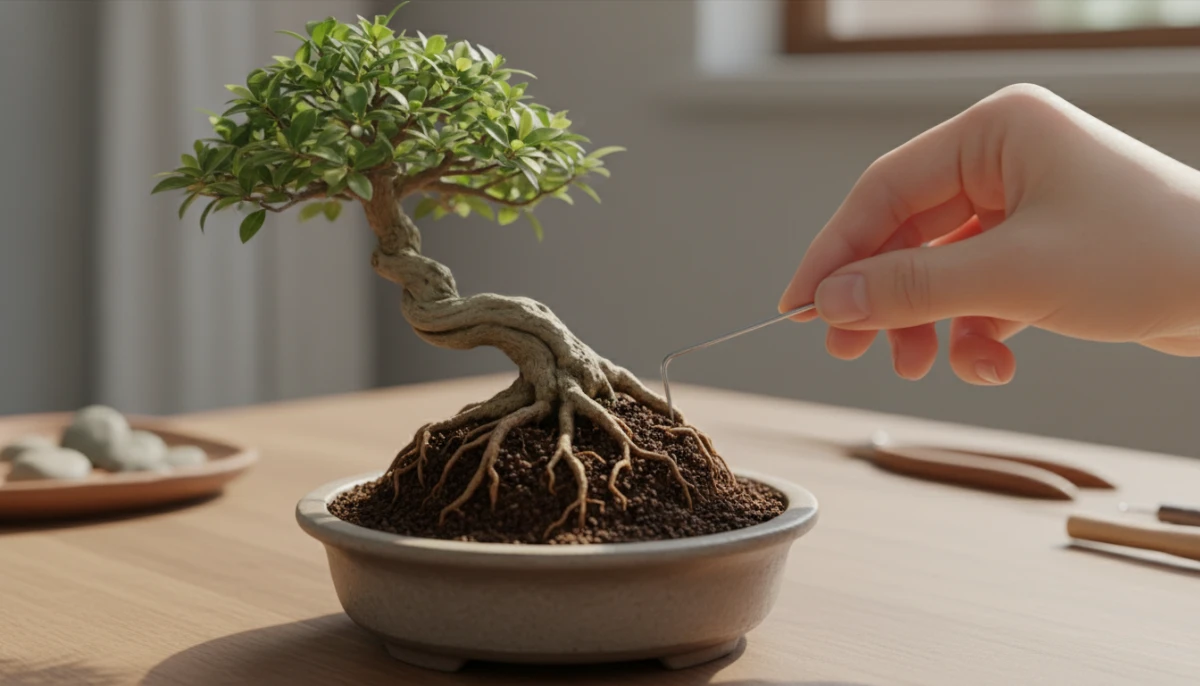
Table of Contents
The Essential Practice of Bonsai Root Pruning
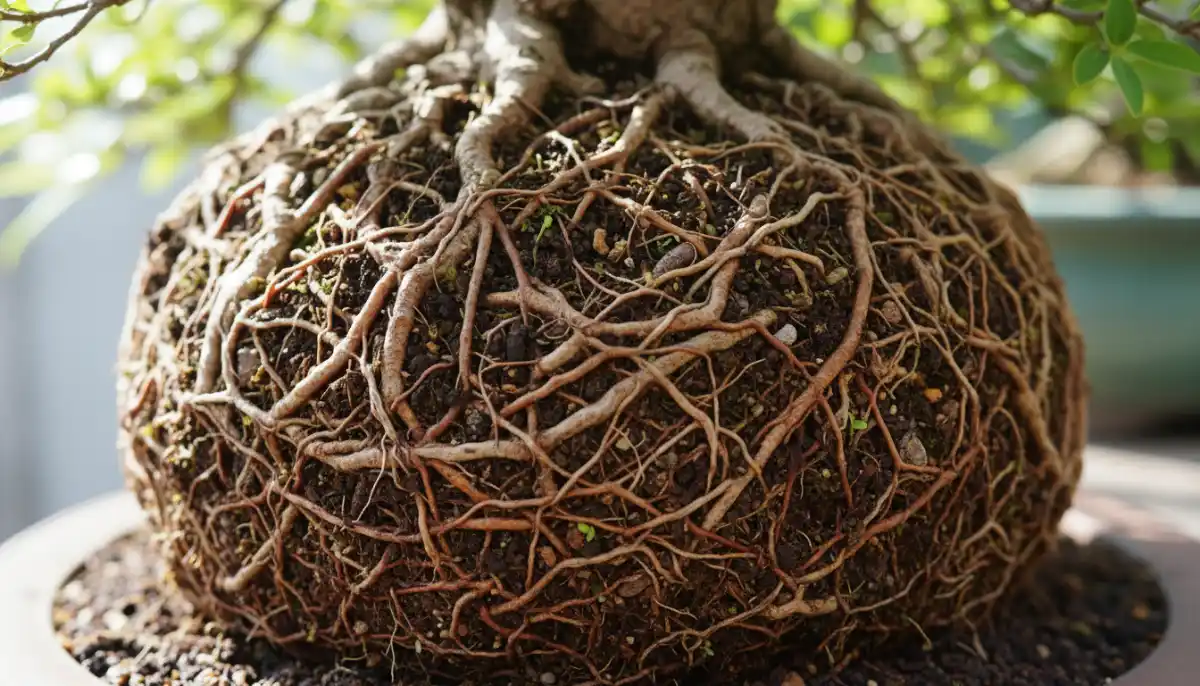
Bonsai trees, by their very nature, live in small containers. This confined space means their roots will eventually fill the pot, leading to a condition known as being “root-bound.” Without regular intervention, this can severely hinder the tree’s ability to absorb water and nutrients. This is where bonsai root pruning becomes incredibly important.
Root pruning is not just about reducing the root mass. It’s a strategic horticultural technique. It encourages the growth of fine feeder roots, which are far more efficient at absorbing moisture and minerals than older, thicker roots. By performing this task correctly, you ensure your bonsai remains vigorous and healthy for many years.
Why Root Pruning Matters for Bonsai Health
Imagine a large tree in the forest. Its roots spread far and wide, constantly seeking new resources. A bonsai, however, has limited room. If its roots are left unchecked, they will circle the pot, intertwine, and eventually choke each other. This restricts the flow of water and nutrients, weakening the tree.
Regular root pruning prevents this congestion. It creates space for new root growth and stimulates the tree’s natural healing processes. A well-pruned root system supports a healthy canopy, strong branches, and vibrant foliage. It’s a cornerstone of successful bonsai cultivation.
Key Benefits of Regular Root Work
- Improved Nutrient Uptake: Encourages the growth of tiny feeder roots, which are crucial for absorbing water and nutrients.
- Prevents Root-Bound Conditions: Stops roots from circling and becoming compacted, which can starve the tree.
- Stimulates New Growth: Promotes a healthier, more vigorous root system and, consequently, a stronger top growth.
- Maintains Tree Vigor: Ensures the tree has adequate access to resources, allowing it to withstand environmental stresses.
- Supports Potting Longevity: Allows the bonsai to remain in its chosen pot for longer periods, maintaining its aesthetic.
Beyond the technical aspects, bonsai cultivation is a journey shared by many. Engaging with other enthusiasts can greatly enhance your learning and appreciation. Discover more about local gatherings and online discussions on our Bonsai Community & Events page. For more hands-on guidance and peer support, consider Finding Bonsai Mentors & Clubs in NZ: Connect with Your Community.
Optimal Timing for Bonsai Root Pruning
Timing is crucial for successful root pruning. Performing this task at the wrong time can stress your bonsai and even lead to its decline. Generally, the best time for bonsai root pruning is during the dormant season, just before new spring growth begins. This timing is ideal, but also underscores the importance of proper seasonal care, from robust Winter Protection for NZ Bonsai: Ensuring Health Through Colder Months to thorough Spring Care for Bonsai SH.
For most deciduous trees, this means late winter or early spring. Conifers might be pruned a little later in spring as their growth cycle differs. Specifically for conifers like pines, their unique growth patterns necessitate specialized root care; learn more about Pine Bonsai: Needles, Candles, and Advanced Techniques. The goal is to prune when the tree’s metabolic activity is low, allowing it to recover quickly once warmer weather arrives and new growth starts.
Recognizing When Your Bonsai Needs Root Pruning
How often should you prune? This depends on the tree’s species, age, and growth rate. Young, vigorous trees might need pruning every one to two years. Older, slower-growing trees may only require it every three to five years. There are several clear signs your bonsai is ready:
- Roots Emerging from Drainage Holes: This is the most obvious sign. If you see roots pushing through the bottom of the pot, it’s time.
- Lifting from the Pot: The entire root ball might start to lift the tree out of its container due to compaction.
- Reduced Vigor: The tree shows slower growth, smaller leaves, or less vibrant foliage despite proper watering and feeding.
- Difficulty Watering: Water sits on the surface of the soil for too long or drains too quickly, indicating poor soil structure and dense roots.
- Pot-Bound Appearance: Upon careful inspection (gently lifting the tree out of its pot), the roots are tightly matted, forming the shape of the pot. Understanding how to choose the right container is key to preventing these issues in the first place, and our Bonsai Pot Selection Guide: Material, Size, Drainage can offer further insights.
Witnessing the pinnacle of bonsai artistry at events and shows can provide immense inspiration for your own cultivation journey. To explore where you can see some of the world’s most impressive miniature trees, visit our guide on Major Bonsai Exhibitions and Shows Worldwide.
Essential Tools for Effective Root Pruning
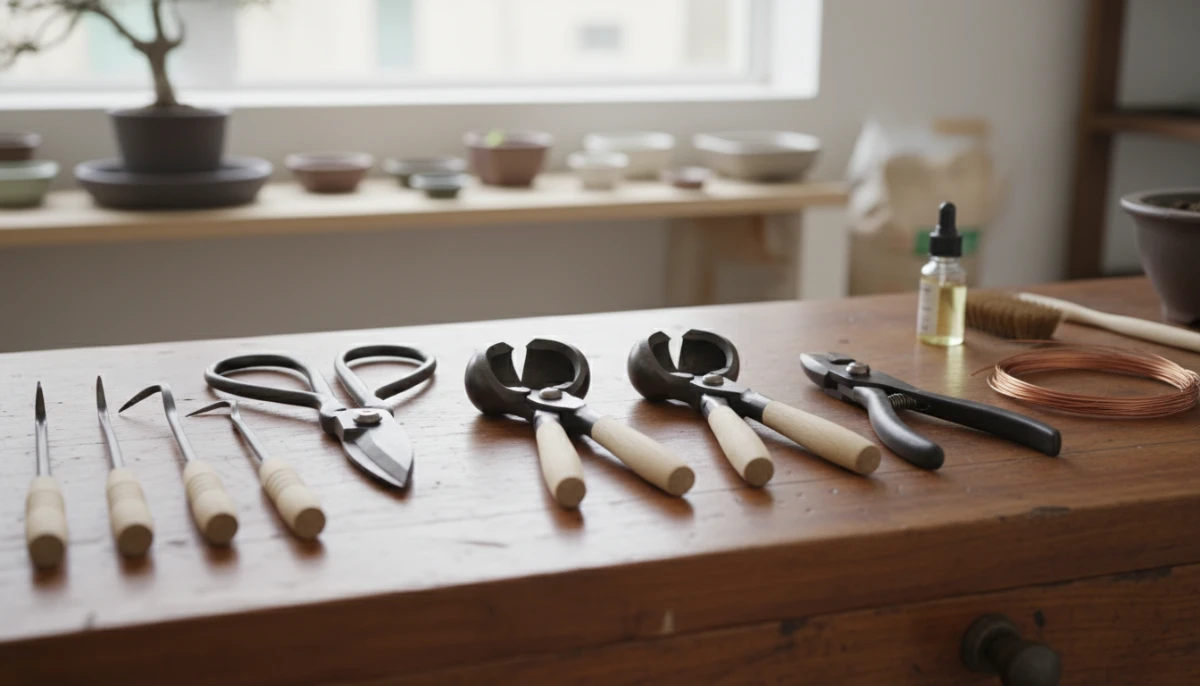
Having the right tools makes the root pruning process easier and ensures clean cuts that promote healing. Investing in quality bonsai tools is highly recommended for any serious enthusiast. These tools are specifically designed for delicate work on fine root systems.
Selecting the Right Root Pruning Tools
Before you begin your bonsai root pruning, gather these indispensable items. Each tool serves a specific purpose, contributing to the overall health and success of your root work.
- Root Hook: Used to gently tease out and untangle the root ball. This is critical for assessing the root system and preparing it for pruning without causing excessive damage.
- Root Scissors/Shears: Specifically designed for cutting roots, these are sharper and more robust than typical branch shears. Choose a size appropriate for the thickness of the roots you anticipate cutting.
- Concave Cutter: While primarily used for branches, a smaller concave cutter can be useful for removing thicker roots cleanly at the base, especially those that are causing structural issues.
- Chopsticks or Bamboo Sticks: Excellent for gently working soil out of the root ball and untangling finer roots without tearing them.
- Wire Brush (Optional): For removing stubborn soil from thick roots, though care must be taken not to damage the delicate feeder roots.
- Watering Can with Fine Rose: For re-watering the tree after repotting to settle the soil around the newly pruned roots.
- Sterilizing Agent: Keep a bottle of rubbing alcohol or a flame ready to sterilize your tools between trees, or even between major cuts, to prevent the spread of diseases. Proper tool maintenance is crucial for the longevity of your instruments and the health of your bonsai; learn more in our Bonsai Tool Care and Maintenance Guide.
To protect your hands during this delicate work, consider wearing gardening gloves that offer both dexterity and protection. Selecting high-quality soil is also paramount, as it provides the foundation for new root growth. Our comprehensive article on Bonsai Soil Mixes: Components, Recipes, and Tips details everything you need to know.
Step-by-Step Bonsai Root Pruning Techniques
Once you’ve gathered your tools and determined the optimal timing, you’re ready to begin the actual bonsai root pruning process. Approach this task with patience and precision.
A Detailed Guide to Root Pruning Your Bonsai
- Preparation: Water your bonsai thoroughly a day or two before pruning. This ensures the roots are hydrated and the soil is easier to work with. Prepare a clean workspace and have your new soil mix ready.
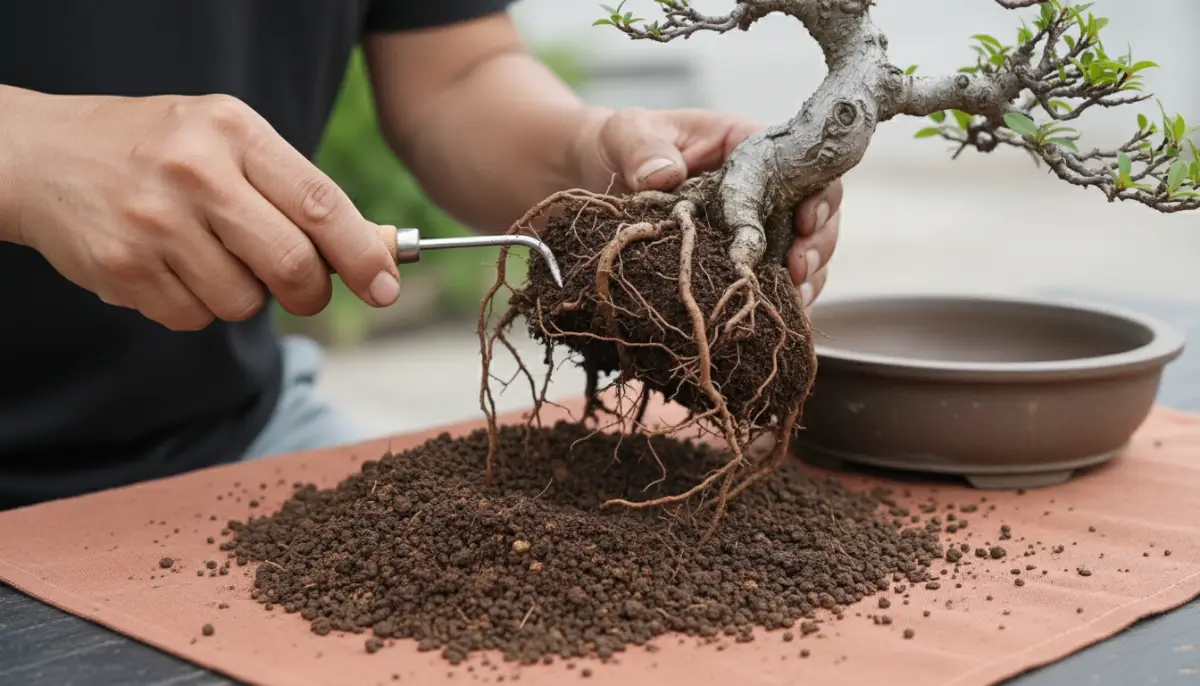
- Remove from Pot: Gently remove the bonsai from its pot. You may need to use a root hook or a thin trowel to loosen the root ball from the pot’s sides. Be careful not to damage the trunk or main roots.
- Examine the Root Ball: Use a root hook or chopstick to carefully remove old soil from the outer edges and bottom of the root ball. Work slowly, untangling the roots to expose their structure. Identify any thick, circling, or damaged roots.
- Prune the Bottom: Begin by pruning a significant portion from the bottom of the root ball, typically 1/3 to 1/2 of the depth, depending on how root-bound the tree is and its species. Use sharp shears to make clean cuts.
- Prune the Sides: Next, prune roots from the sides of the root ball. Aim to remove about 1/4 to 1/3 of the radial growth. Focus on removing thick, woody roots and those circling the pot. Encourage a more radial spread of finer roots.
- Remove Damaged/Dead Roots: Cut away any roots that are dead, diseased, or damaged. These can be identified by their dark, brittle appearance.
- Balance with Canopy: While a general rule of thumb is to remove a similar proportion of the canopy as you do roots, this is not always strictly necessary for health, but rather for aesthetic balance and vigor. If you heavily prune roots, consider reducing some top growth or leaves to lessen the burden on the compromised root system while it recovers.
- Repotting: Place a layer of fresh bonsai soil in the bottom of the cleaned pot (or a new pot). Center the tree and spread its roots radially over the soil. Fill the pot with new soil, working it gently into all gaps with a chopstick to remove air pockets.
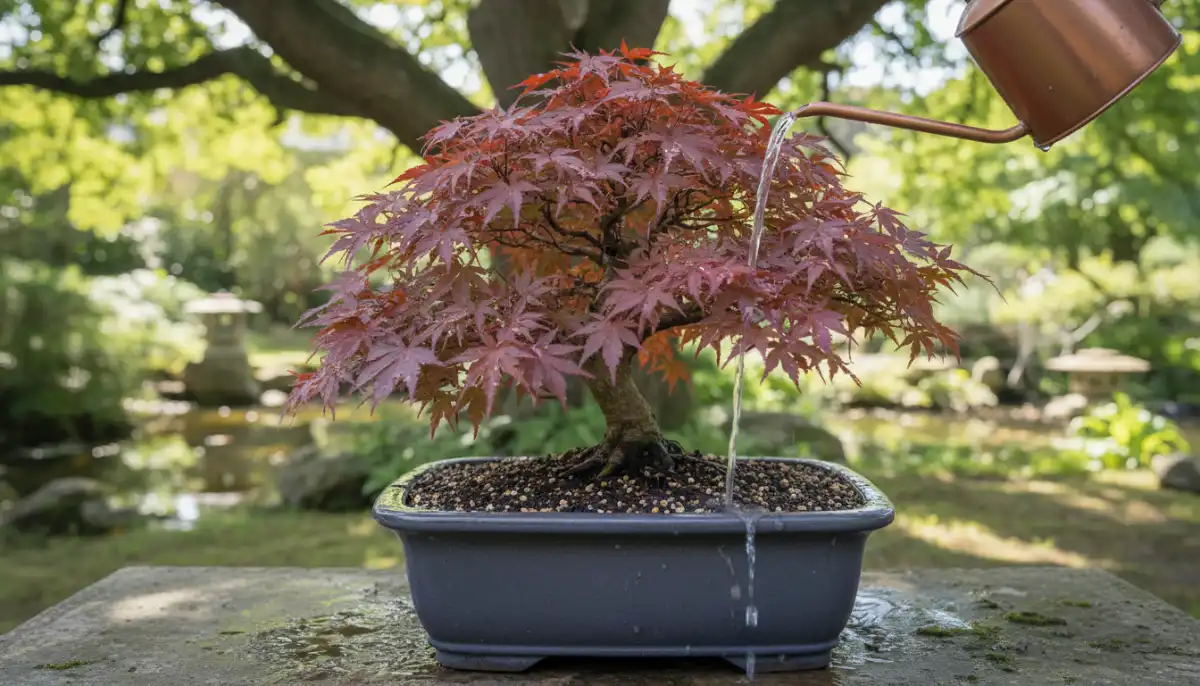
- Watering In: Water thoroughly until water drains from the bottom. This settles the soil around the roots. You may need to add a bit more soil after the first watering.
The delicate art of wiring is another advanced technique to consider for shaping your bonsai. Our guide on Bonsai Wiring Techniques: A Beginner’s Guide can help you master this skill. For those seeking to introduce dramatic, aged characteristics, delve into Shari and Jin: Deadwood Artistry in Bonsai to learn about creating stunning deadwood features.
Best Practices for Healthy Bonsai Root Development
bonsai root pruning is more than just cutting roots; it’s about nurturing the entire root system for the tree’s long-term health and vitality. Following best practices ensures your efforts yield the best results.
Ensuring Success Post-Pruning
- Post-Pruning Care: After repotting and root pruning, place your bonsai in a sheltered location, out of direct sun and strong winds, for several weeks. This allows the tree to recover without additional stress.
- Careful Watering: Maintain consistent moisture, but avoid overwatering. The newly pruned roots are sensitive and prone to rot if kept too wet. Allow the topsoil to dry slightly between waterings. Should you encounter signs of dehydration, our resource on Underwatering Bonsai Recovery offers crucial advice.
- No Fertilizing Immediately: Do not fertilize for at least 4-6 weeks after root pruning. The tree needs time to develop new feeder roots before it can effectively absorb nutrients. When you do resume, use a diluted, balanced fertilizer, and for detailed guidance on nourishing your tree, consult our essential guide on Bonsai Soil, Fertilization & Nutrition.
- Monitor for Pests and Diseases: A stressed tree is more susceptible to pests and diseases. Regularly inspect your bonsai for any signs of trouble and address them promptly. For identification and solutions, refer to our guide on Common Bonsai Pests and Diseases: Prevention and Treatment.
- Gradual Reintroduction: Slowly reintroduce the bonsai to its normal growing conditions as it shows signs of vigorous new growth.
- Record Keeping: Keep a record of when you pruned your bonsai, what changes you made, and how the tree responded. This information is invaluable for future maintenance cycles.
Understanding different bonsai styles can also inspire how you approach your tree’s development. Explore the various aesthetic principles on our Explore Traditional Bonsai Styles and Shapes page. Furthermore, to refine your aesthetic vision, discover detailed insights into Advanced Bonsai Carving & Shaping Methods.
Conclusion: Nurturing Your Bonsai Through Root Health
Root pruning is an indispensable practice for anyone serious about bonsai cultivation. It’s a testament to the dedication required to maintain these living art forms. By understanding bonsai root pruning, its timing, tools, and techniques, you equip yourself with the knowledge to ensure your miniature trees remain healthy, vibrant, and beautiful for generations.
Remember, each bonsai is unique. Observe your tree closely, learn from its responses, and adjust your techniques accordingly. With proper care and timely root maintenance, your bonsai will not only survive but truly flourish, bringing endless joy and a connection to nature’s profound artistry. To explore the broader evolution and regional significance of bonsai, including its rich History of Bonsai in NZ: From Early Imports to Native Excellence, consider The Future of NZ Native Bonsai: Innovation, Sustainability & Global Recognition. Continue to deepen your knowledge with our comprehensive resources at Bonsai Care Guide.