History of Bonsai in NZ: From Early Imports to Native Excellence
What You Will Learn
Explore the rich NZ bonsai history, from its early introductions and international influences to the unique rise of native New Zealand bonsai and its key figures. Discover the evolution of this refined art form in Aotearoa.
The art of bonsai, a timeless practice of cultivating miniature trees, has found a unique and vibrant home in Aotearoa New Zealand. Far from its Asian origins, the History of Bonsai in NZ: From Early Imports to Native Excellence is a fascinating narrative of cultural exchange, horticultural innovation, including essential aspects like Spring Care for Bonsai SH, and a profound connection to the country’s unparalleled native flora. This journey, from early imports to the emergence of a distinctive native bonsai style, reflects the dedication of enthusiasts who have shaped a thriving community. Join us as we explore the roots and growth of bonsai in New Zealand, celebrating the pioneers and the unique aesthetic refinement that defines Kiwi bonsai today.
Table of Contents
Early Introductions of Bonsai to NZ
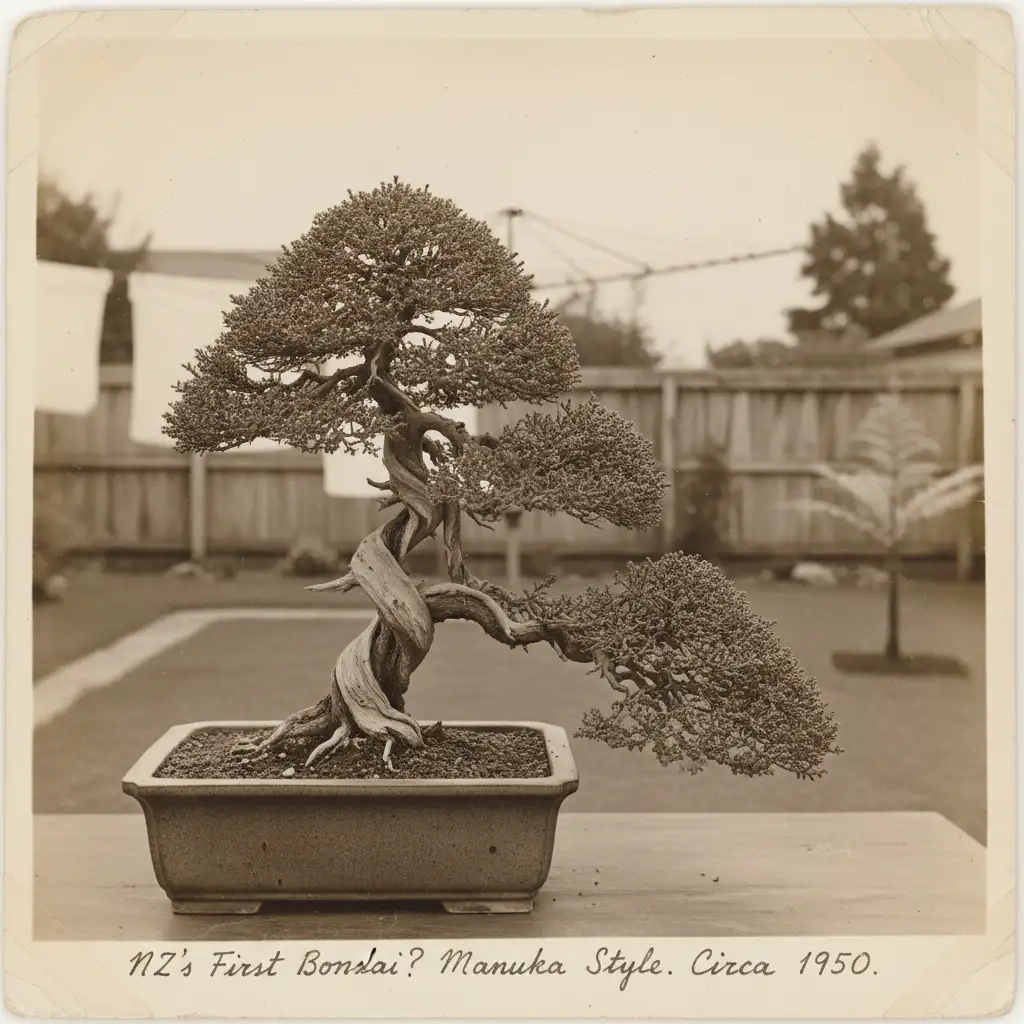
The precise moment bonsai first arrived on New Zealand’s shores is difficult to pinpoint, but it likely began in the mid-20th century. Returning servicemen from WWII, immigrants, and intrepid travelers are credited with bringing the first examples and seeds of this ancient art form to a land far removed from its traditional epicenters. Initial attempts often involved imported species such as Junipers, Pines, and Maples, mirroring the styles prevalent in Japan and the Western world at the time.
These early practitioners faced considerable challenges. Access to specialized tools, suitable nursery stock, and comprehensive educational resources was scarce. Beyond the lack of tools and resources, managing the delicate balance of moisture for various species often presented a significant challenge, sometimes necessitating Underwatering Bonsai Recovery efforts, and exploring Advanced Bonsai Watering Systems & Tips. The isolated nature of New Zealand meant that enthusiasts had to be resourceful, often self-taught or relying on the limited books and journals that made their way across oceans. Despite these hurdles, a small but passionate community began to form, laying the groundwork for what would become a thriving national interest. The early days of NZ bonsai history were characterized by a spirit of pioneering experimentation and a deep respect for the established traditions.
Influences from International Masters
As the New Zealand bonsai community grew, so did its desire for deeper knowledge and connection to the global bonsai world. The late 20th century saw a significant increase in international exchange. Visiting masters from Japan, the United States, and Europe played a pivotal role in elevating the standard of bonsai practice in NZ. Workshops, demonstrations, and exhibitions led by these esteemed figures brought advanced techniques, design principles, and a broader understanding of bonsai aesthetics to local enthusiasts.
“The arrival of international masters was a turning point for NZ bonsai, injecting new energy and expertise that helped professionalize the art.” – Renowned NZ Bonsai Artist.
These influences were not merely imitative; they provided a foundation upon which a distinctly New Zealand approach could be built. Practitioners learned about root pruning, wiring, styling, and species-specific care, integrating these global insights with their local environmental understanding. The New Zealand Bonsai Association (NZBA), formed in the late 1970s, became a central hub for organizing these international interactions, fostering a sense of national community and shared learning. This period was instrumental in shaping the early direction of New Zealand bonsai history.
The Rise of NZ Native Bonsai
Perhaps the most defining chapter in NZ bonsai history is the emergence and proliferation of native bonsai. Early practitioners, having mastered techniques on imported species, naturally began to look towards the country’s unique and diverse indigenous flora. New Zealand’s isolation has resulted in a fascinating array of endemic trees and shrubs, many of which possess characteristics highly suitable for bonsai cultivation – small leaves, interesting bark textures, and natural contorted growth habits.
Pioneering Native Species
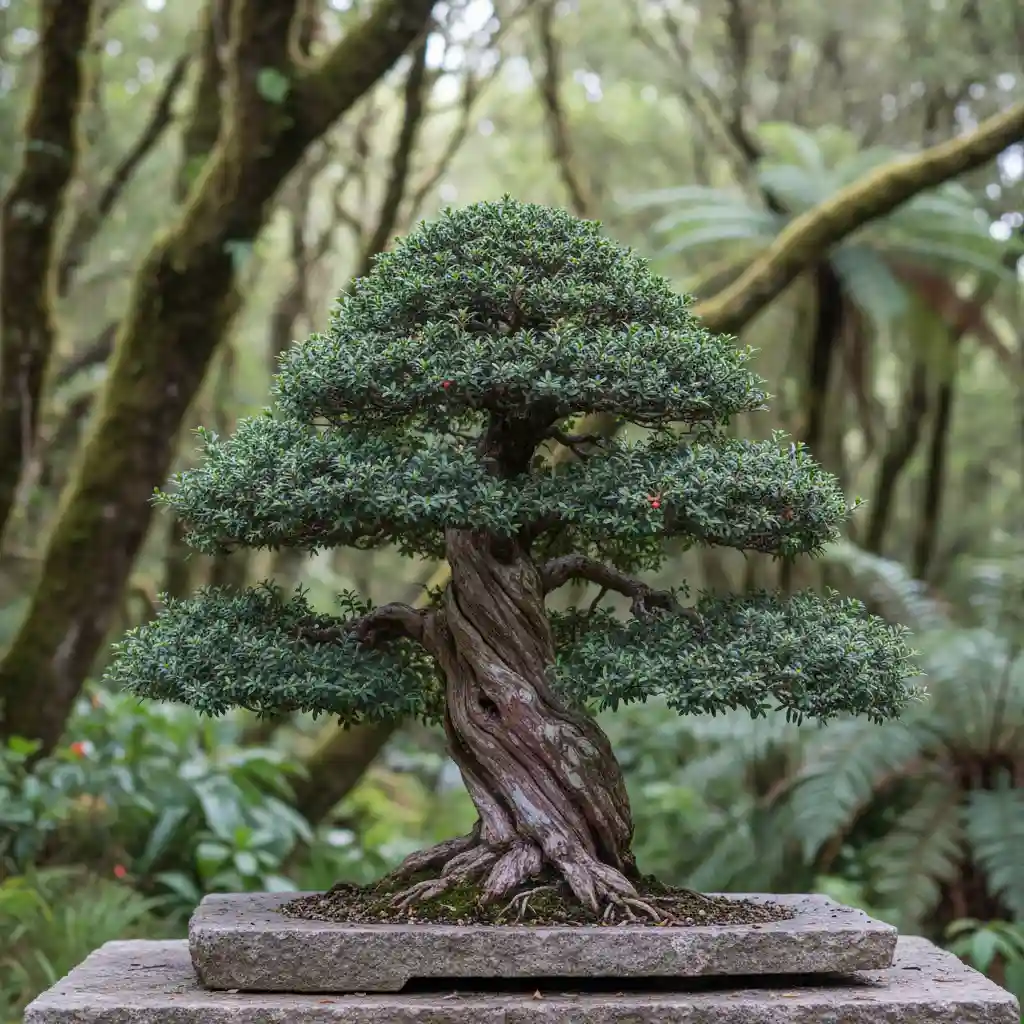
Experimentation with species like the ancient Podocarpus totara (Totara), the vibrant Metrosideros excelsa (Pohutukawa), the delicate Kunzea ericoides (Kanuka), and the iconic Cordyline australis (Cabbage Tree) began to yield stunning results. Just as these native plants require specific attention, other popular species demand tailored approaches, such as understanding the nuances of Elm Bonsai Care: Indoor vs. Outdoor Growing to ensure their health and development. This shift wasn’t without its challenges; understanding the specific physiological needs of native plants for miniaturization required new approaches to soil mixes, watering regimes, and pruning techniques, including mastering skills like How To Wire Totara Bonsai, as well as Choosing Bonsai Pots for NZ Natives: Function & Form. Enthusiasts embraced the learning curve, sharing their findings and developing a body of knowledge unique to New Zealand, particularly concerning Bonsai Soil, Fertilization & Nutrition for native flora.
A Distinctive Aesthetic
The cultivation of native bonsai not only offered a new palette of plant material but also fostered a distinctive aesthetic. Kiwi bonsai artists began to interpret traditional Japanese styles through a distinctly New Zealand lens, often reflecting the rugged beauty of the country’s landscapes. The focus shifted to capturing the essence of the wild, windswept coastlines or the dense, ancient forests within a miniature form. This move towards native species cemented New Zealand’s unique contribution to the global bonsai community.
Key Figures and Milestones in NZ Bonsai
The rich tapestry of New Zealand bonsai history is woven with the contributions of countless dedicated individuals. While it’s impossible to name every pioneer, certain figures have stood out as educators, innovators, and champions of the art form. These individuals often travelled extensively, brought back knowledge, and tirelessly taught others, sometimes establishing the first clubs and exhibitions.
Milestones include the formation of regional clubs in major cities like Auckland, Wellington, and Christchurch in the 1970s and 80s, which then led to the establishment of the NZBA. National conventions and exhibitions became regular features, providing platforms for artists to showcase their work, learn from peers, and inspire new generations. The development of distinct regional styles, influenced by local climate and available native species, also marks a significant milestone.

Significant publications by New Zealand authors, dedicated to cultivating native species for bonsai, further solidified the local expertise and provided invaluable resources for burgeoning artists. These books often combined traditional bonsai wisdom with practical advice tailored to the unique conditions of New Zealand, reinforcing the identity of NZ native bonsai.
Documenting the Local Legacy
Preserving the legacy of NZ bonsai history is an ongoing effort. Local clubs and the NZBA continue to play a crucial role in documenting the evolution of bonsai in New Zealand, from archiving historical photographs and records to publishing newsletters and online content. Workshops by senior practitioners ensure that invaluable traditional and native-specific techniques are passed down.
Educational initiatives are key to engaging new enthusiasts and ensuring the continuity of the art. School programs, public demonstrations, and online forums are expanding the reach of bonsai, encouraging a new generation to connect with nature through this meditative practice. The emphasis on high-end aesthetic refinement, particularly with native species, ensures that New Zealand continues to carve out its unique place in the global bonsai landscape, celebrated for its innovation and deep respect for its indigenous environment.
The future of bonsai in New Zealand looks bright, with a continuing focus on sustainability, ethical collection, and the artistic development of native species. This commitment ensures that the rich history of bonsai in Aotearoa will continue to evolve, inspiring beauty and connection for generations to come.
Frequently Asked Questions About NZ Bonsai History
When did bonsai first arrive in New Zealand?
Bonsai likely began to arrive in New Zealand in the mid-20th century, primarily brought by returning servicemen, immigrants, and travelers who had encountered the art form abroad.
What are some challenges early NZ bonsai practitioners faced?
Early practitioners faced challenges such as limited access to specialized tools, suitable imported nursery stock, comprehensive educational resources, and a lack of established local expertise.
What is unique about New Zealand’s contribution to bonsai?
New Zealand’s most unique contribution is the extensive development and refinement of native bonsai, utilizing indigenous species like Totara, Pohutukawa, and Kanuka, which has led to a distinctive Kiwi aesthetic.
How have international masters influenced NZ bonsai?
International masters from Japan, the USA, and Europe have significantly influenced NZ bonsai by conducting workshops, demonstrations, and exhibitions, introducing advanced techniques and design principles that elevated local standards.
How is the legacy of NZ bonsai being preserved?
The legacy is preserved through the efforts of local clubs and the New Zealand Bonsai Association (NZBA), which archive records, publish content, organize workshops by senior artists, and engage in educational initiatives for new enthusiasts.