Disease Management for NZ Bonsai: Fungal, Bacterial & Viral Threats
What You Will Learn
Master bonsai disease management in the NZ climate. Learn to identify, prevent, and treat fungal, bacterial & viral threats to your native bonsai with expert tips.
The serene beauty of a meticulously crafted NZ native bonsai is a testament to patience and artistry. Yet, even these miniature marvels face formidable challenges, particularly from diseases common in the unique NZ climate. Understanding how to identify, prevent, and treat bonsai disease is paramount for any enthusiast aiming to cultivate healthy, thriving specimens, including through dedicated Spring Care for Bonsai. This comprehensive guide equips you with expert strategies to combat fungal, bacterial, and viral threats, ensuring your precious bonsai flourishes.
New Zealand’s diverse weather patterns, from humid summers to cool, damp winters, create ideal conditions for various pathogens. Without proper care and vigilance, even resilient native species like Totara, Pohutukawa, or Manuka can fall victim. Dive into expert methods for protecting your living works of art.
Understanding Bonsai Diseases in NZ
Bonsai, by its very nature, is a tree cultivated under specific, often somewhat stressful, conditions. This stress, combined with the distinct environmental factors of the NZ climate, makes them susceptible to a range of diseases. Early detection is your most powerful weapon against any bonsai disease. Regularly inspecting your plants for subtle changes in leaf colour, texture, growth patterns, or the presence of unusual spots can prevent irreversible damage.
Understanding common culprits is crucial. While pests cause harm, diseases are often more insidious, attacking internal systems. Factors such as prolonged dampness, insufficient airflow, contaminated tools, or poor nutrition can predispose your bonsai to infection. Recognising these vulnerabilities is key for effective prevention and treatment in the unique `New Zealand bonsai` environment.
Fungal Infections: Causes and Cures
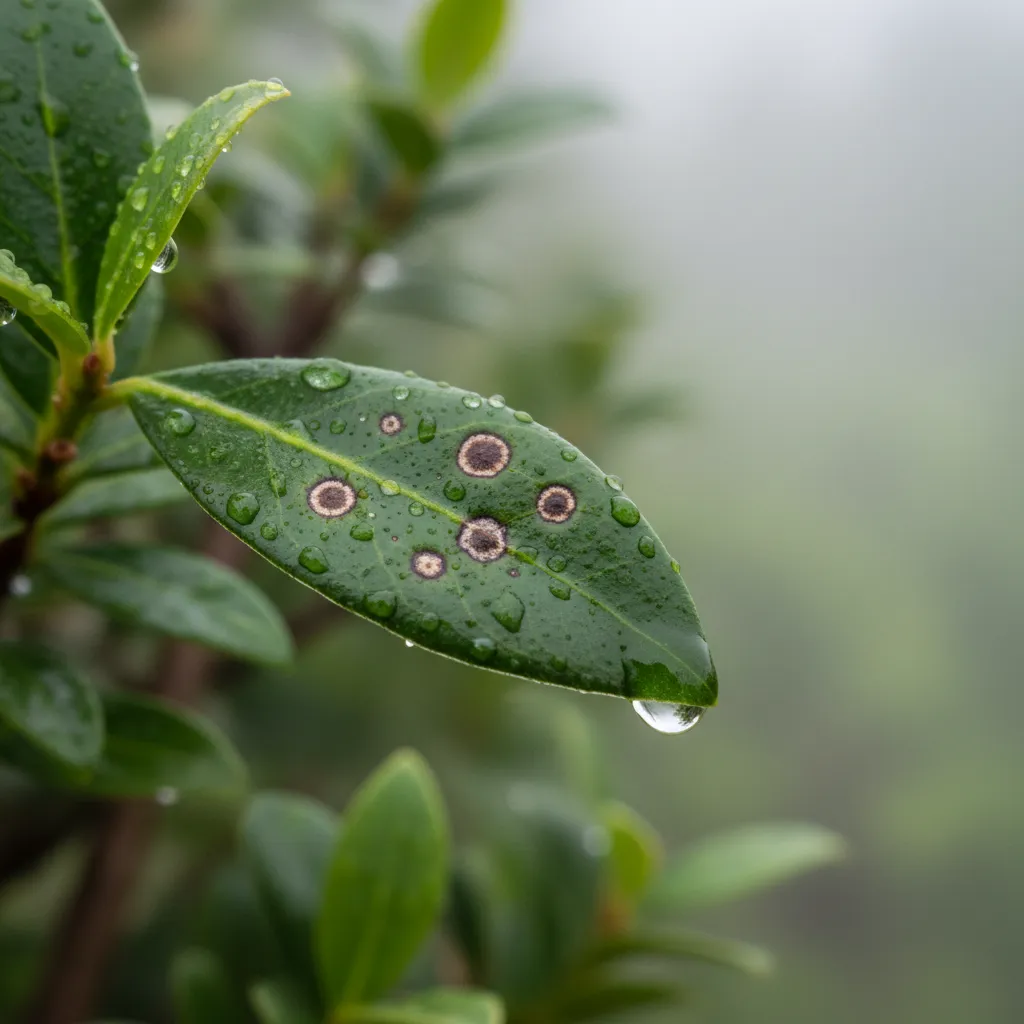
Fungal infections are perhaps the most prevalent threat to bonsai health in NZ, thriving in humid conditions. They manifest as leaf spots or deadly root rot. Common fungal diseases include powdery mildew (white coating), black spot, rust (orange/brown pustules), and root rot from excessive moisture.
Prevention is always better, but swift action is key when infection strikes.
1. Isolate Infected Plants
Immediately move any suspicious bonsai away from healthy specimens to prevent spore spread. This contains outbreaks and protects your collection.
2. Prune Affected Areas
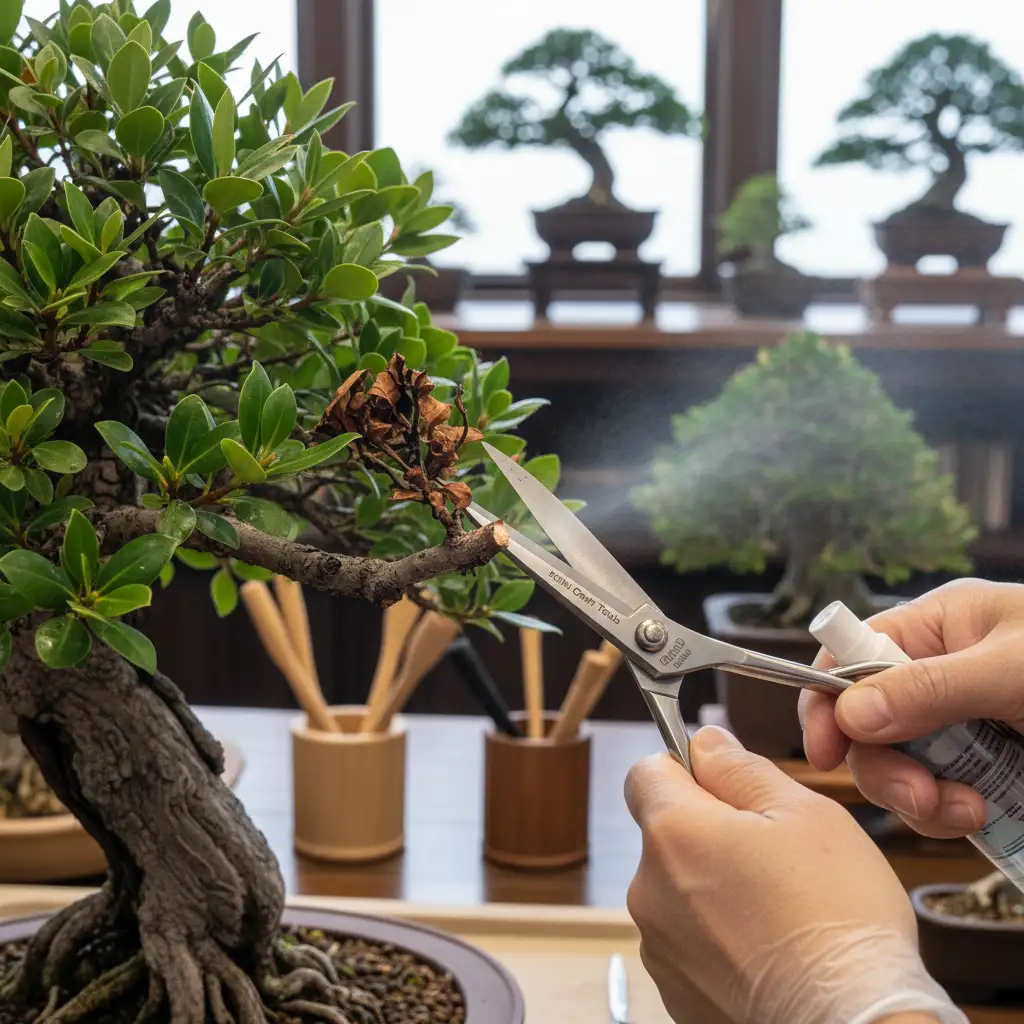
Carefully remove all visibly diseased leaves, branches, or roots using sterilised tools. Dispose of infected material away from your bonsai area; do not compost it. Cut back to healthy tissue.
3. Improve Air Circulation
Fungi thrive in stagnant, humid air. Space bonsai adequately, ensure good ventilation, and consider moving them to a breezier spot. Pruning dense foliage also helps.
4. Adjust Watering Practices
Overwatering causes root rot. Ensure potting mix drains well and water only when topsoil is dry. Water in the morning to allow foliage to dry before nightfall, reducing dampness that encourages fungal growth.
5. Apply Fungicides
For persistent infections, a fungicide may be necessary. Opt for organic solutions like neem oil for mild cases. For aggressive fungi, consider a systemic or contact fungicide from garden centres, always following product instructions and ensuring suitability for `NZ native bonsai` species.
Bacterial & Viral Issues: Identification & Management
While less common than fungal infections, bacterial and viral diseases are often more challenging due to their insidious nature and lack of direct chemical cures for many viral types. Early identification and rigorous hygiene are your best defence against these specific `bonsai diseases in NZ climate`.
“Vigilance in observation and strict sanitation are the cornerstones of preventing bacterial and viral spread in any bonsai collection.”
1. Confirm Diagnosis
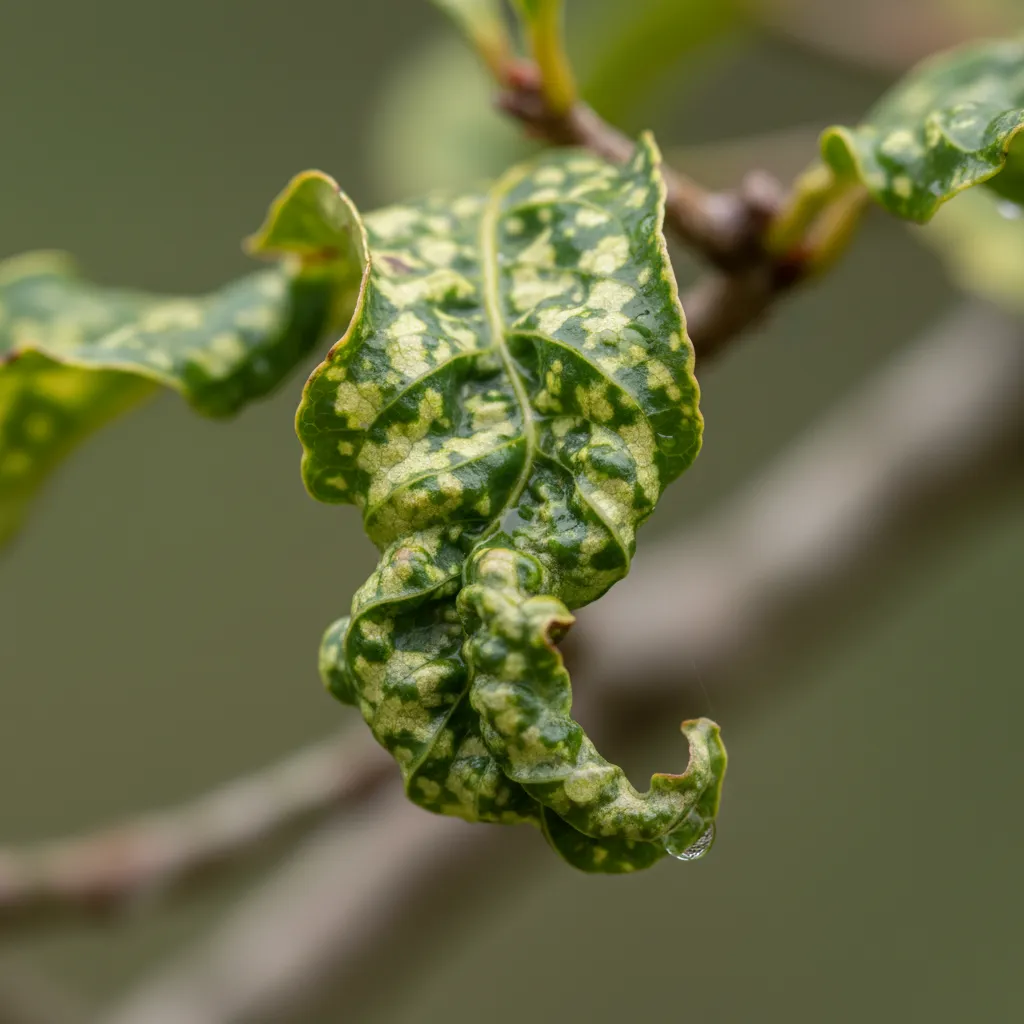
Bacterial infections present as water-soaked lesions, slimy decay, or galls. Viral symptoms include distorted leaves, mosaic patterns, stunted growth, and yellowing. Consult a local expert if unsure; misdiagnosis leads to ineffective treatments.
2. Isolate Immediately
Prompt isolation is crucial. Bacterial and viral pathogens spread via water splash, insect vectors, or contaminated tools. Keep affected plants far from healthy specimens.
3. Prune Severely Affected Parts (Bacterial)
For bacterial diseases, careful pruning of infected branches can halt spread. These techniques are vital for all species, including specialized needs like Ficus Bonsai Care: Indoor Growing and Shaping, or mastering Creating Cascade and Semi-Cascade Bonsai Styles. Cut well into healthy tissue, and sterilise your tools after every cut to prevent re-infection or spread.
4. Sterilize Tools Rigorously
Tool sterilization is paramount. Always sterilise shears and equipment with rubbing alcohol or a bleach solution (1:9) before and after each plant, especially with known infections. Rinse tools thoroughly after bleach.
5. Consider Plant Removal (Viral)
Unfortunately, most viral bonsai diseases have no cure. If a bonsai is confirmed to have a virus, destroying the plant may be the most responsible action to prevent spread to your entire collection. This is a difficult decision but essential for long-term health of your `NZ native bonsai` hobby.
Environmental Factors Contributing to Disease
A bonsai’s environment plays a critical role in its susceptibility to disease. The specific `bonsai disease NZ climate` presents unique challenges. Optimal growing conditions strengthen a tree’s natural defences.
- Humidity: High humidity, common in NZ, encourages fungal growth if foliage and soil remain damp.
- Watering: Both overwatering (leading to root rot) and underwatering (weakening the tree) increase disease susceptibility.
- Light: Insufficient light weakens the plant’s immune system. Ensure appropriate light for its species, crucial for `New Zealand native bonsai` varieties.
- Air Circulation: Stagnant air around foliage is a fungal breeding ground. Good air movement helps dry leaves quickly.
- Nutrition & Soil Health: Balanced fertilisation and free-draining soil are fundamental. Deficiencies or poor soil structure invite disease.
- Temperature Fluctuations: Drastic temperature changes stress bonsai, making them more vulnerable to infection.
Sterilization & Hygiene Practices
Maintaining impeccable hygiene is arguably the single most effective preventative measure against the spread of `bonsai disease in NZ climate`. A clean environment and sterilised tools dramatically reduce the chance of pathogens jumping from one plant to another.
Action Checklist for Bonsai Hygiene:
- Tool Sterilization: Always clean and sterilise tools (shears, cutters) before and after each use, especially between plants. Use rubbing alcohol, flame, or bleach solution.
- Pot & Media Sterilization: When repotting, thoroughly clean and sterilise old pots. Use fresh, clean potting mix; avoid reusing unsterilised soil.
- Quarantine New Plants: Quarantine any new additions for 4-6 weeks. Observe closely for pests or disease before introducing to your main collection.
- Environmental Cleanliness: Regularly remove fallen leaves, dead branches, and debris from around bonsai and benches to prevent pathogen build-up.
- Hand Washing: Wash hands thoroughly with soap and water before and after handling bonsai, especially after touching other plants.
- Water Source: Ensure your watering source is clean and free from contaminants.

Frequently Asked Questions (FAQ)
What are the most common bonsai diseases in NZ climate?
In the NZ climate, fungal infections like powdery mildew, black spot, rust, and various forms of root rot are most common due to humidity. Bacterial blight and galls can also occur, though viral diseases are less frequent but pose a significant threat.
Can native NZ bonsai species get unique diseases?
While many bonsai diseases are universal, native NZ bonsai species (e.g., Totara, Pohutukawa, and for more specific guidance, Kauri Bonsai: Challenges and Long-Term Care of a Majestic Native) can be susceptible to endemic pathogens or react differently to common diseases based on their natural immunities and adaptations to the local environment. Understanding these unique aspects is also vital for topics such as The Future of NZ Native Bonsai: Innovation, Sustainability & Global Recognition.
How do I differentiate between fungal, bacterial, and viral bonsai diseases?
Fungal diseases often appear as visible growths (mildew, rust spots) or discolouration. Bacterial issues typically involve water-soaked lesions, slimy decay, or galls. Viral diseases usually manifest as distorted growth, mosaic patterns on leaves, or overall stunted development with no obvious external pathogen.
Are there organic treatments for bonsai disease in NZ climate?
Yes, for many fungal issues, organic treatments like neem oil or diluted baking soda sprays can be effective. Good cultural practices, such as improving air circulation and proper watering, are also key organic preventative measures. For severe issues, chemical options may be considered.
When should I seek professional help for my diseased bonsai?
If you’ve tried common treatments without success, cannot identify the disease, or if the disease is rapidly spreading, it’s wise to seek professional advice. Local bonsai clubs, horticultural experts, or plant diagnostic labs in NZ can provide tailored guidance.