Crafting the Perfect Bonsai Soil Mixes
bonzai.co.nz
Customizing your bonsai soil mix is crucial for plant health, providing the right balance of drainage, aeration, and water retention essential for strong root development and nutrient uptake in these miniature trees.
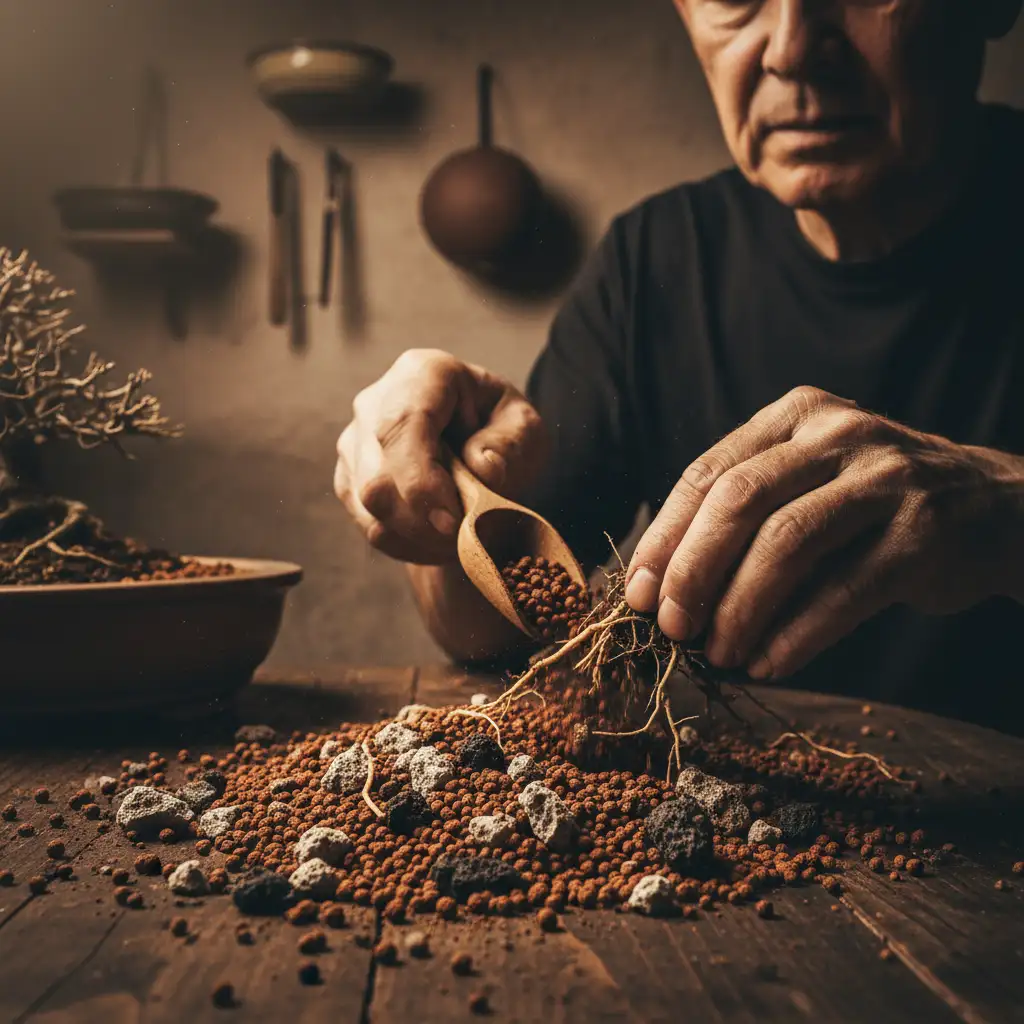
Creating the perfect bonsai soil mix is fundamental to cultivating healthy, vibrant miniature trees. A well-chosen bonsai soil mix provides optimal conditions for root growth, ensuring proper drainage, aeration, and water retention, which are vital for nutrient absorption and overall tree vigor. Unlike garden soil, bonsai substrates are specially formulated to meet the unique needs of container-grown trees, preventing Root Rot Treatment Bonsai and promoting a stable environment for long-term health.
Your journey to a thriving bonsai begins beneath the surface. Standard garden soil or potting mix often compacts too easily. This leads to poor drainage and a lack of oxygen for the roots. Bonsai trees need a different approach to ensure their delicate root systems can flourish in a confined space. This guide will help you understand and create the ideal environment for your miniature masterpiece.
Table of Contents
- Why a Specialized Bonsai Soil Mix is Essential
- Understanding the Key Components of Bonsai Soil
- Akadama: The Foundation
- Pumice: For Drainage and Aeration
- Lava Rock: Structure and Trace Minerals
- Organic Matter: A Nutrient Boost
- General Bonsai Soil Mix Ratios
- Customizing Your Bonsai Soil Mix for Specific Species
- Conifer Bonsai Soil Mix
- Deciduous Bonsai Soil Mix
- Tropical Bonsai Soil Mix
- The Art of Mixing Your Bonsai Substrate
- Repotting and Long-Term Soil Care
- Fertilization and Soil pH
- Common Bonsai Soil Mix Issues and Solutions
- Sources
Understanding the Key Components of Bonsai Soil
A superior bonsai soil mix is built upon a foundation of specific granular components. These materials work together to create an environment that encourages strong root development. They ensure water can drain freely while still providing enough moisture and air for the roots.
Akadama: The Foundation
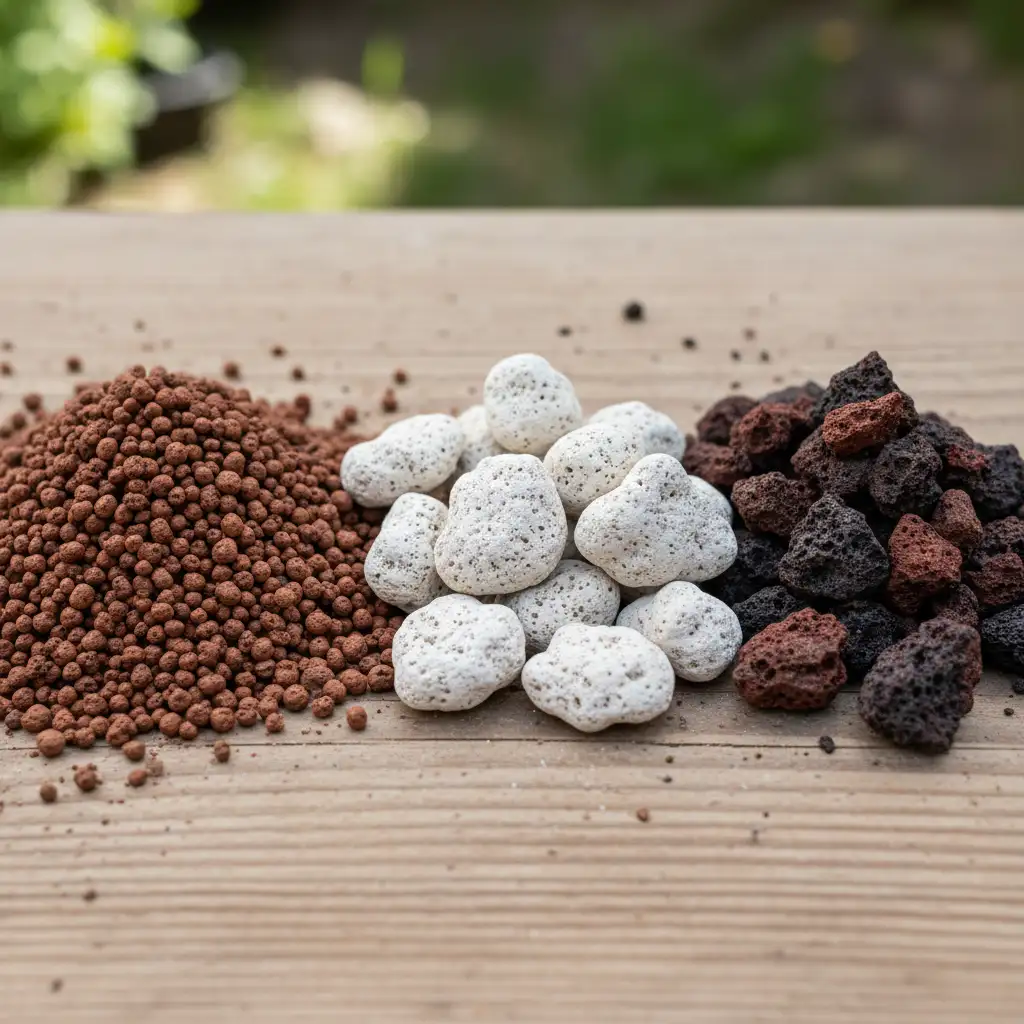
Akadama is a type of granular clay specially mined in Japan. It is often the backbone of many bonsai soil mixes. Its porous nature allows it to absorb water and nutrients, then slowly release them to the roots.
This clay also helps create good aeration. As it ages, Akadama can break down, reducing drainage over time. This is why regular repotting is important for bonsai trees, typically every few years depending on the species and age.
Pumice: For Drainage and Aeration
Pumice is a lightweight, porous volcanic rock. It is excellent for improving drainage and aeration within the soil mix. Its irregular shape creates tiny air pockets that are vital for root respiration.
Adding pumice helps prevent the soil from compacting. This ensures roots have constant access to oxygen. It also aids in water distribution, preventing soggy spots while allowing excess water to drain away.
Lava Rock: Structure and Trace Minerals
Like pumice, lava rock is a volcanic material, but it tends to be denser and more irregularly shaped. It provides excellent structural stability to the bonsai soil mix, preventing compaction and improving drainage.
Lava rock also offers trace minerals that can benefit your bonsai. Its rough surface provides a good anchor for roots, encouraging them to spread and strengthen within the pot. It is a long-lasting component that does not break down easily.
Organic Matter: A Nutrient Boost
While inorganic components form the bulk of bonsai soil, a small amount of organic matter is beneficial. Materials like pine bark or composted wood chips provide essential nutrients as they slowly decompose.
Organic matter also helps retain some moisture and supports beneficial microbial activity. However, too much organic matter can lead to poor drainage and excessive water retention, which can harm bonsai roots. Balance is key in any custom bonsai soil mix.
General Bonsai Soil Mix Ratios
A good starting point for a general-purpose bonsai soil mix is a blend of Akadama, Pumice, and Lava Rock. A common ratio is 2 parts Akadama, 1 part Pumice, and 1 part Lava Rock. This ratio offers a balance of water retention and excellent drainage.
For younger trees that need more moisture to grow, you might slightly increase the Akadama. For mature trees or those prone to root rot, you might increase the pumice or lava rock for better drainage. Always adjust based on your climate and watering habits.
Customizing Your Bonsai Soil Mix for Specific Species
Different bonsai species have distinct needs. Understanding these differences allows you to tailor your bonsai soil mix for optimal growth and health. This tailoring extends to emerging practices and native species, as explored in articles like The Future of NZ Native Bonsai: Innovation, Sustainability & Global Recognition. For a comprehensive look at how tree form influences care, explore Bonsai Styles Explained: Upright, Slanting, Cascade. A conifer, for instance, will thrive in a different mix than a tropical fig.
Conifer Bonsai Soil Mix
Conifers like pines, junipers, and spruces generally prefer a faster-draining soil. They are more susceptible to root rot in overly wet conditions. A good mix would emphasize inorganic components.
Try a mix of 1 part Akadama, 1 part Pumice, and 2 parts Lava Rock. You can add a tiny amount of pine bark for slight acidity and moisture retention. This blend mimics their natural, often rocky, mountainous habitats.
Deciduous Bonsai Soil Mix
Deciduous trees such as maples, elms, and oaks often require a soil that retains a bit more moisture. They have a higher demand for water during their growing season. The goal is good retention without sacrificing drainage.
A common ratio for deciduous trees is 2 parts Akadama, 1 part Pumice, and 1 part Lava Rock. You might slightly increase the organic component if your climate is very dry. This ensures they have access to water when they need it most.
Tropical Bonsai Soil Mix
Tropical species like Ficus or Portulacaria afra thrive in warm, humid conditions. They can be more forgiving but still need excellent drainage to prevent fungal issues. For a comprehensive guide, see Ficus Bonsai Care: A Complete Guide. They often benefit from a slightly richer mix.
Consider a mix of 1 part Akadama, 1 part Pumice, 1 part Lava Rock, and 1 part high-quality composted pine bark or coco coir. This provides good drainage while holding enough moisture and nutrients for their active growth.
The Art of Mixing Your Bonsai Substrate
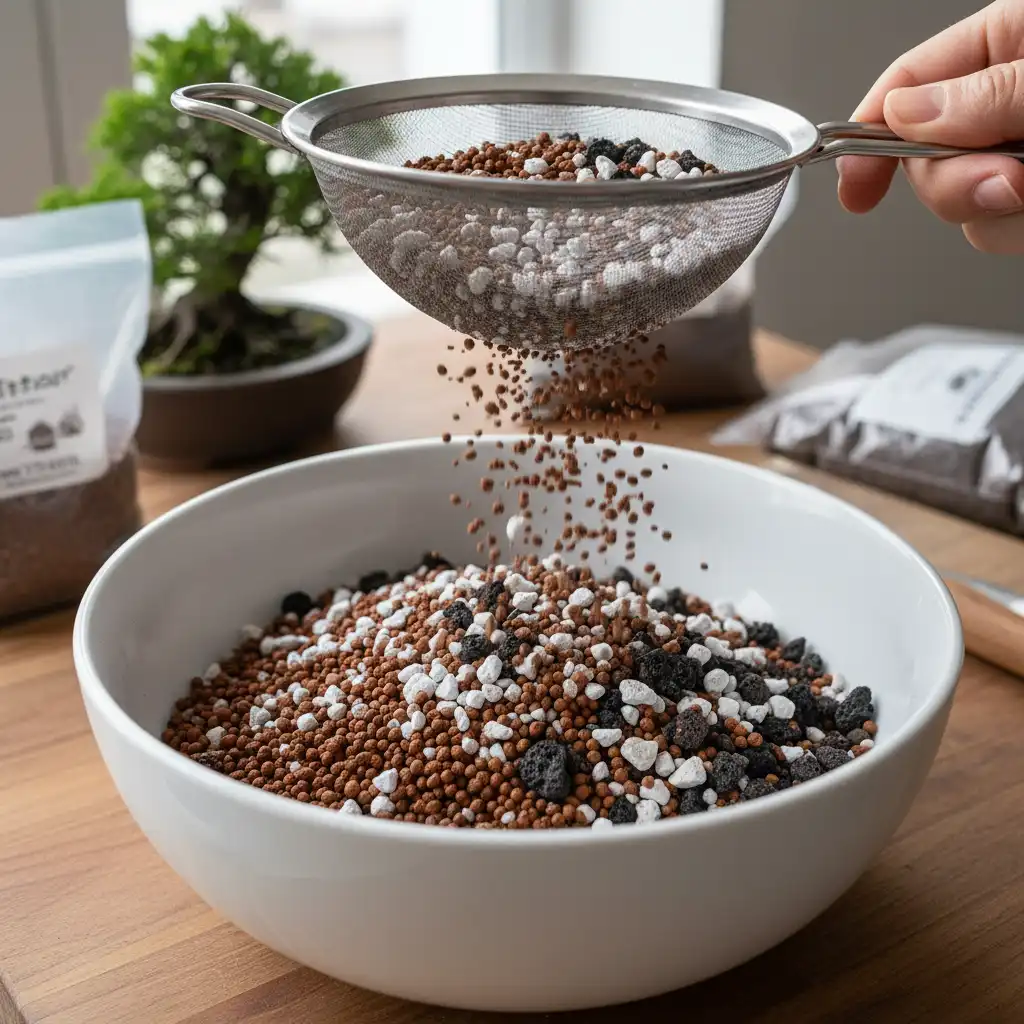
Once you have your components, the mixing process is straightforward. First, sieve all your materials to remove fine dust and any oversized particles. Dust can clog drainage, and large pieces can disrupt root growth.
Combine your chosen components in a large mixing container. Stir thoroughly until the mix is uniform. This ensures that each component is evenly distributed, creating a consistent environment throughout the pot for healthy root development.
Repotting and Long-Term Soil Care
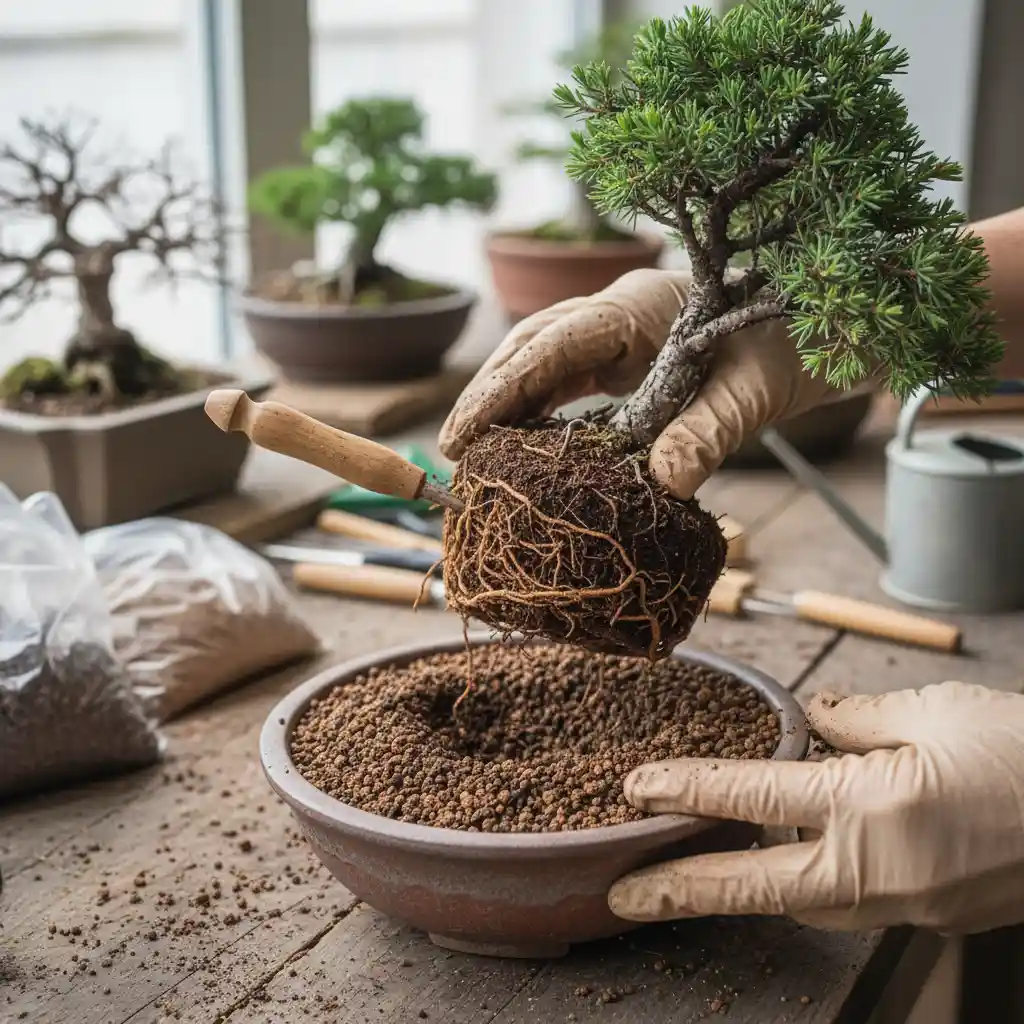
Even the best bonsai soil mix will degrade over time. Akadama will break down, and organic matter will decompose. This reduces drainage and aeration, leading to compacted soil. Regular repotting is essential for long-term bonsai health. Alongside proper soil management, understanding seasonal needs, such as Spring Care for Bonsai SH, is crucial for maintaining vigor. It also allows you to prune circling or unhealthy roots. This process encourages new root growth and revitalizes the tree’s vigor. Such techniques are also vital for propagation, including methods like Air Layering for New Bonsai Trees.
Fertilization and Soil pH
Since inorganic bonsai soils are low in nutrients, regular fertilization is crucial. Use a balanced, slow-release fertilizer or a liquid feed during the growing season. Always follow the product instructions to avoid over-fertilizing.
The pH of your bonsai soil mix is also important. Most bonsai prefer a slightly acidic to neutral pH (6.0-7.0). Akadama naturally helps buffer pH. If you use tap water, check its pH as it can impact the soil’s acidity over time.
Common Bonsai Soil Mix Issues and Solutions
Despite careful preparation, issues can arise. If your soil retains too much water, indicated by constantly wet soil or yellowing leaves, increase the pumice or lava rock in your next mix. This boosts drainage and aeration.
If the soil dries out too quickly, especially in hot climates, increase the Akadama or organic matter slightly. This improves water retention. Regularly assessing your tree’s health and soil moisture is key to making timely adjustments.