Designing Bonsai Compositions and Plantings
bonzai.co.nz
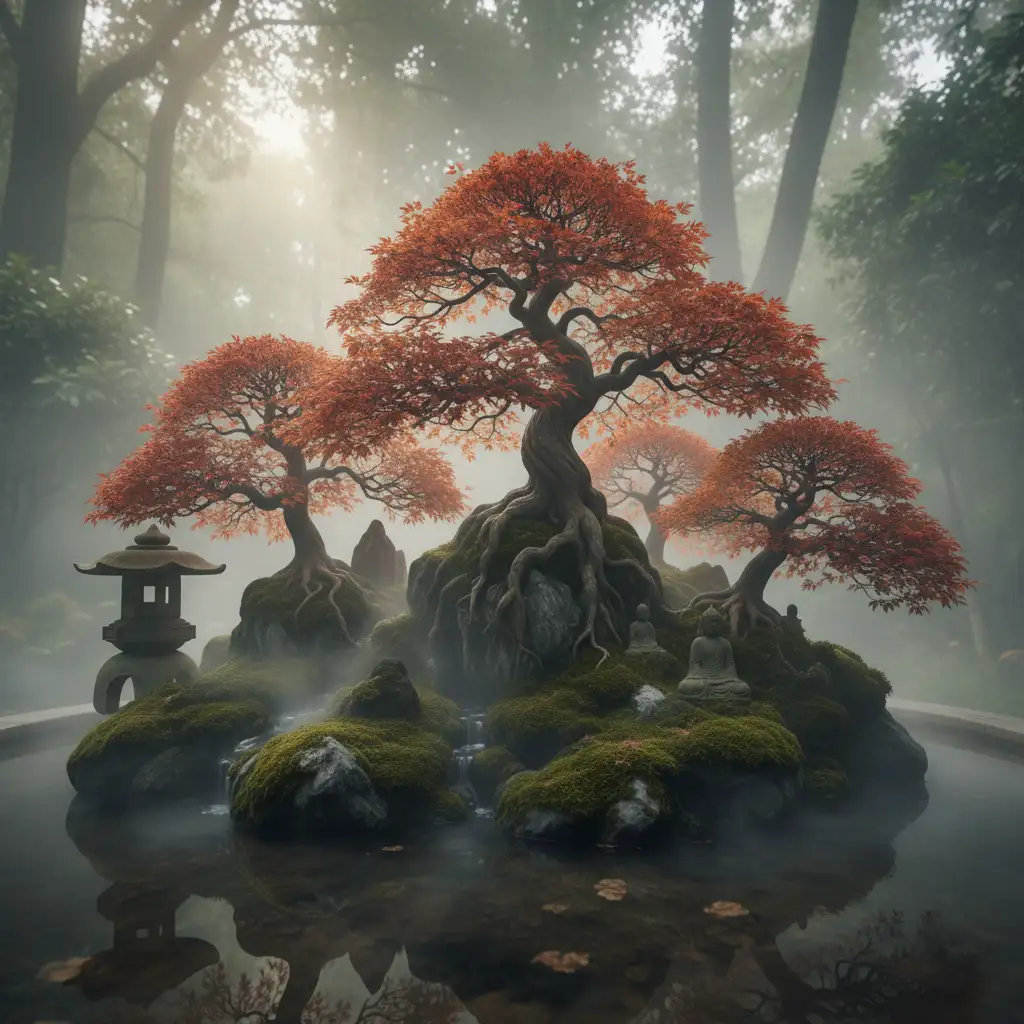
Bonsai compositions and plantings are the artful arrangements of one or more bonsai trees, rocks, and sometimes viewing stones within a single container. These designs aim to create harmonious, scaled-down miniature landscapes that evoke the beauty, drama, and resilience found in nature.
The ancient art of bonsai extends far beyond simply growing a tree in a pot. It’s about crafting living sculptures that evoke nature in miniature. Understanding effective bonsai composition ideas is crucial.
These ideas transform individual trees into breathtaking scenes that tell a story. Whether you’re a beginner or experienced, mastering composition principles elevates your work from horticulture to fine art. This artistic journey reflects both patience and a profound artistic vision.
Table of Contents
- The Art of Bonsai Composition: Principles and Philosophy
- Exploring Dynamic Rock Plantings (Ishitsuki)
- Crafting Serene Forest Group Plantings (Yose-Ue)
- Integrating Viewing Stones (Suiseki) into Elegant Compositions
- Essential Considerations for Any Successful Bonsai Composition
- References and Further Reading
The Art of Bonsai Composition: Principles and Philosophy
At its heart, bonsai composition aims for harmony, balance, and scale. These fundamental principles guide every choice you make, from selecting the right tree to carefully placing an accent stone.
A truly successful composition doesn’t just look good. It deeply evokes emotion and invites the viewer to imagine a rich, natural landscape. The ultimate goal is to create a compelling sense of age, drama, and depth within the miniature scene.
This is often achieved through deliberate asymmetry and natural placement. Always consider the visual weight of each element. An off-center placement, known as asymmetry, often feels more natural and dynamic than perfect symmetry.
Visual appeal is paramount in any bonsai composition. Carefully consider the elegant lines of the trunk, the graceful spread of the branches, and the overall silhouette. Each element must contribute positively to the scene without overpowering any others.
This thoughtful arrangement transforms simple plants into intricate, living works of art. They capture nature’s enduring beauty in a profound way. The concept of wabi-sabi often influences these designs, adding character and depth through imperfection and impermanence.
Effective use of negative space is also vital. These are the empty areas around the tree that help highlight the main subject and create a crucial sense of openness and tranquility.
Exploring Dynamic Rock Plantings (Ishitsuki)
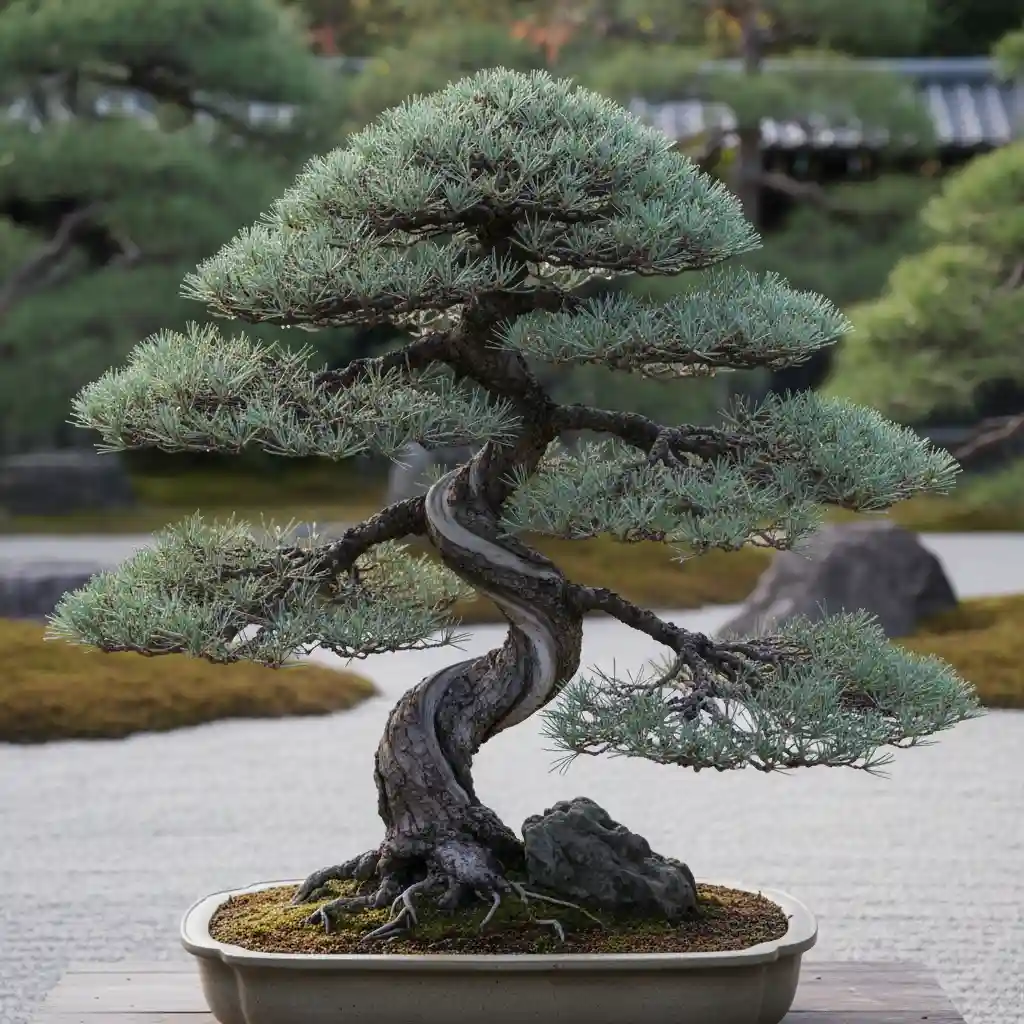
Rock plantings, known as Ishitsuki, are among the most dramatic bonsai composition ideas. These unique compositions feature trees growing directly on, in, or around a carefully selected rock.
They skillfully mimic the powerful image of trees clinging to rugged cliff faces in nature. The rock itself becomes an integral part of the tree’s visual identity. It powerfully suggests resilience and a profound connection to the earth, truly speaking to nature’s enduring power.
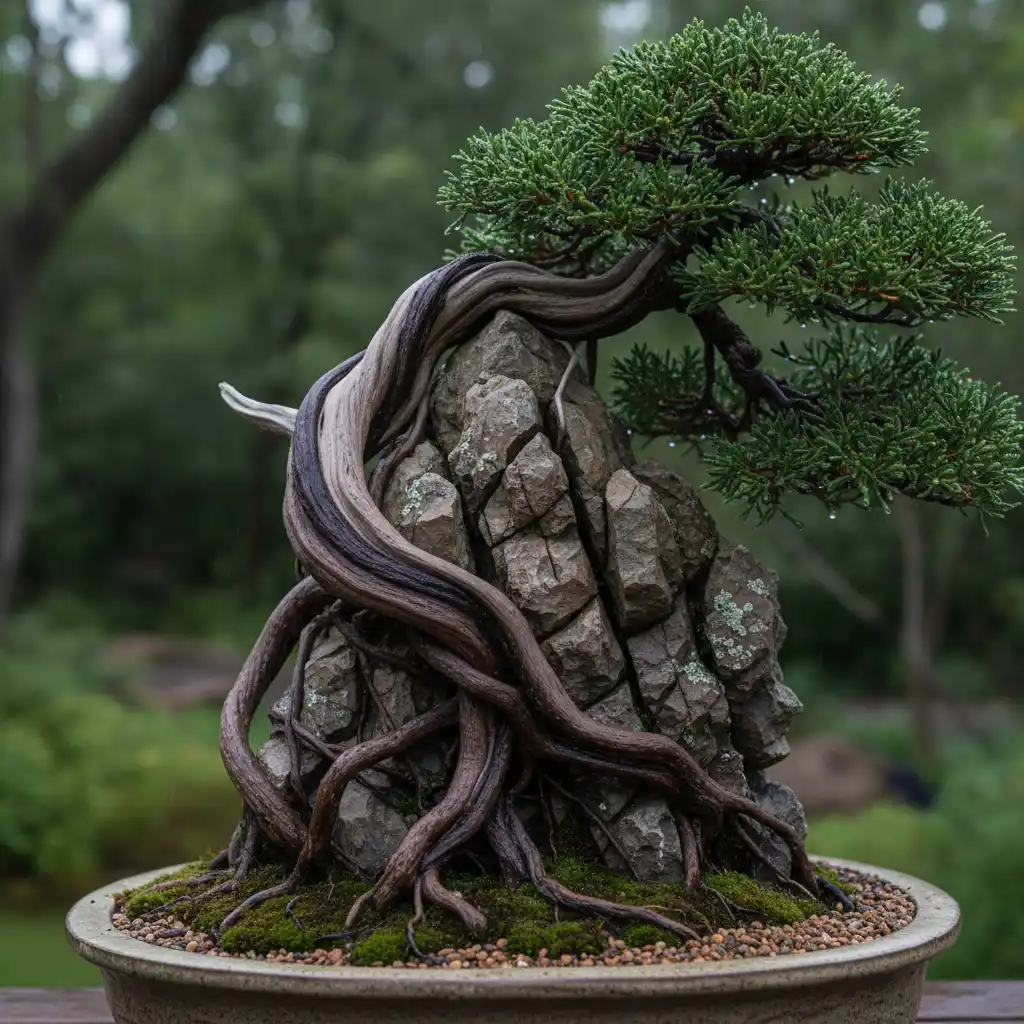
There are two primary Ishitsuki styles: root-over-rock and clinging-to-rock. In the root-over-rock technique, the tree’s surface roots are gracefully trained to grow over the rock’s contours, then descend into the soil beneath.
This creates an impressive display of strength and tenacity, suggesting a tree that has weathered many storms over countless years. For the clinging-to-rock style, roots are encouraged to penetrate deep into natural crevices within the rock itself.
Here, they find purchase in tiny soil reservoirs. This style often highlights the stark, beautiful struggle of survival, showcasing the tree’s incredible tenacity in harsh, unforgiving environments.
Creating an impactful rock planting demands careful planning and artistic foresight. Begin by selecting a rock with distinctive textures and a shape that truly complements your chosen tree species.
Excellent choices include sturdy Japanese maples, resilient pines, or elegant junipers. Next, prepare the tree by gently exposing some of its feeder roots. Securely attach the tree to the rock using appropriate wire or raffia, allowing the roots ample time to grow and anchor naturally.
Fill any crevices with a high-quality, free-draining bonsai soil mixture. This ensures the composition provides both essential stability and vital nutrients for the tree. Over time, the developing roots will form a powerful, natural grip, creating a stunning visual testament to nature’s perseverance.
Aftercare is vitally important for the long-term health of your Ishitsuki. Due to the inherently limited soil volume on rocks, you must ensure consistent moisture. This often requires frequent watering, sometimes several times a day in warm weather or during dry periods. Regular applications of a balanced liquid fertilizer and careful, artistic pruning help maintain the tree’s health and desired shape. These practices integrate the tree seamlessly with the rock structure. Protecting the exposed roots from extreme temperatures, both hot and cold, is also crucial, as they are far more vulnerable than roots in typical pot plantings. This makes Winter Protection for NZ Bonsai: Ensuring Health Through Colder Months an especially vital consideration.
Crafting Serene Forest Group Plantings (Yose-Ue)
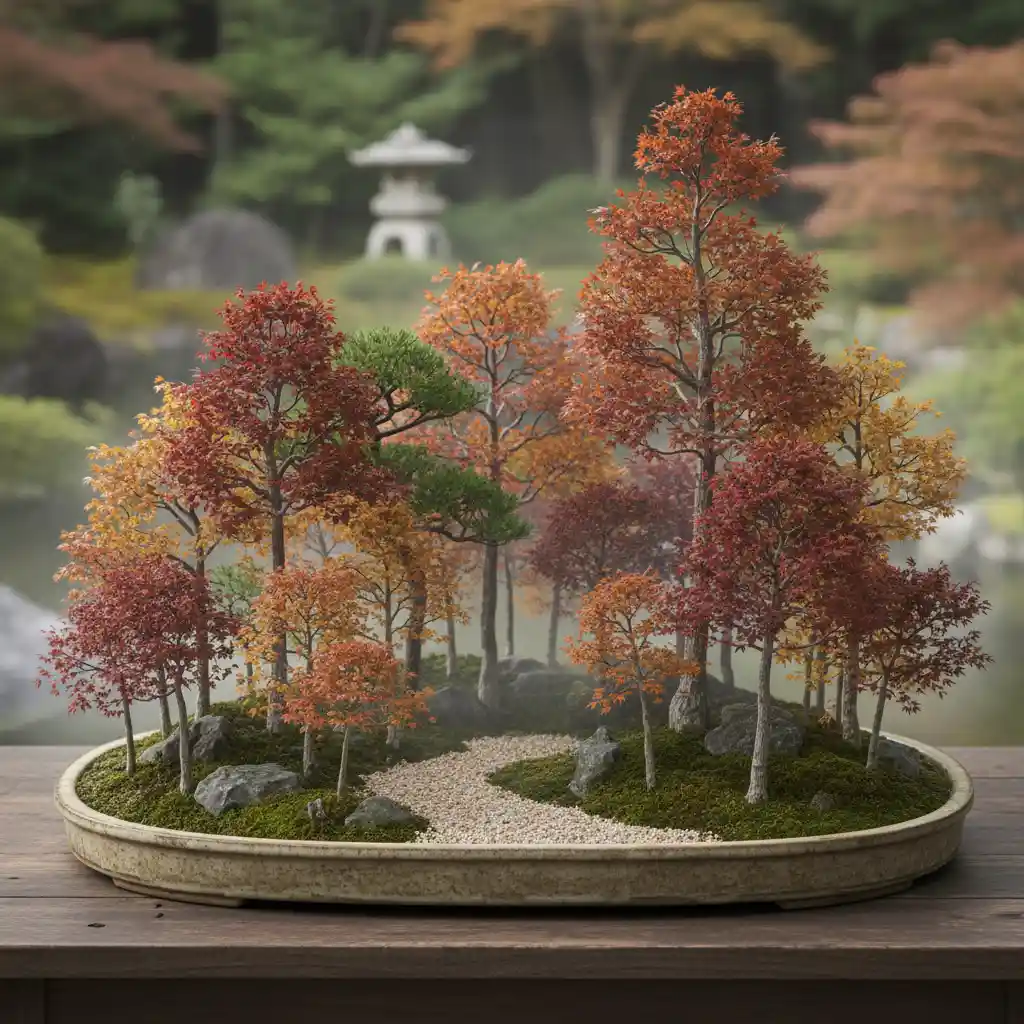
Forest group plantings, known as Yose-Ue, represent another captivating approach among diverse bonsai composition ideas. These arrangements consist of multiple individual trees, meticulously planted together within a single, often wide and shallow, container.
The primary design goal is to faithfully recreate the serene beauty of a miniature forest or woodland scene. The illusion of a vast, tranquil landscape, perfectly scaled down, is truly remarkable. This style inherently offers a profound sense of peace and visual depth.
The essence of a successful forest group lies in thoughtful selection and meticulous arrangement. For a cohesive and natural look, always choose trees of the same species. However, be sure to vary their heights, trunk thicknesses, and apparent ages to mimic natural forest diversity.
Using an odd number of trees—typically three, five, seven, or even more—creates a more natural and dynamic composition. This avoids the static, less interesting feel that even numbers can often produce. Popular species for Yose-Ue include resilient pines, stately junipers, graceful elms, and vibrant maples.
The arrangement of the trees within the container is paramount. Always position the tallest, thickest tree slightly off-center; this serves as the main focal point, much like an ancient sentinel in a real forest.
Carefully arrange the remaining trees around this central point, working to create both depth and perspective. Imagine a triangular shape guiding your placement, with smaller trees situated at the edges and progressively larger ones towards the center or back of the composition.
Crucially, ensure adequate open space within the composition to suggest natural clearings or distant views. This significantly enhances the naturalistic impression. Proper, varied spacing prevents the trees from appearing cluttered and allows each individual tree to contribute meaningfully to the overall serene forest scene.
When potting, consider creating subtle undulations in the soil surface. This technique enhances the overall landscape effect, expertly mimicking natural terrain variations.
After the initial planting, consistent care is absolutely essential. This includes regular and appropriate watering, judicious feeding with suitable fertilizers, and meticulous artistic pruning. Thinning out inner branches and removing lower foliage helps maintain the vital forest illusion.
It also crucially promotes vital air circulation within the dense planting, which helps prevent disease. Finally, rotating the composition regularly ensures even growth and uniform light exposure for all the trees in your miniature forest.
Integrating Viewing Stones (Suiseki) into Elegant Compositions
Viewing stones, known as Suiseki, are natural stones revered for their profound aesthetic beauty. They possess an incredible ability to evoke vast natural landscapes in miniature form.
While not always directly planted within a bonsai’s container, these stones can profoundly enhance the impact of many bonsai composition ideas. This occurs when they are thoughtfully displayed alongside a tree. Suiseki can represent majestic mountains, serene islands, cascading waterfalls, or even abstract figures, adding another rich layer of artistic meaning and narrative to a complete display.
The thoughtful integration of a viewing stone and a bonsai creates a truly harmonious bonsai display. In such an arrangement, both elements complement each other beautifully without ever competing for attention.
Choose a stone whose form, texture, and color naturally harmonize with your bonsai’s specific style, apparent age, and species. For instance, a rugged pine might pair exceptionally well with a dark, craggy mountain stone, powerfully symbolizing endurance and resilience.
Conversely, a delicate flowering bonsai could be elegantly enhanced by a smoother, river-worn stone, gently suggesting tranquility and refined grace.
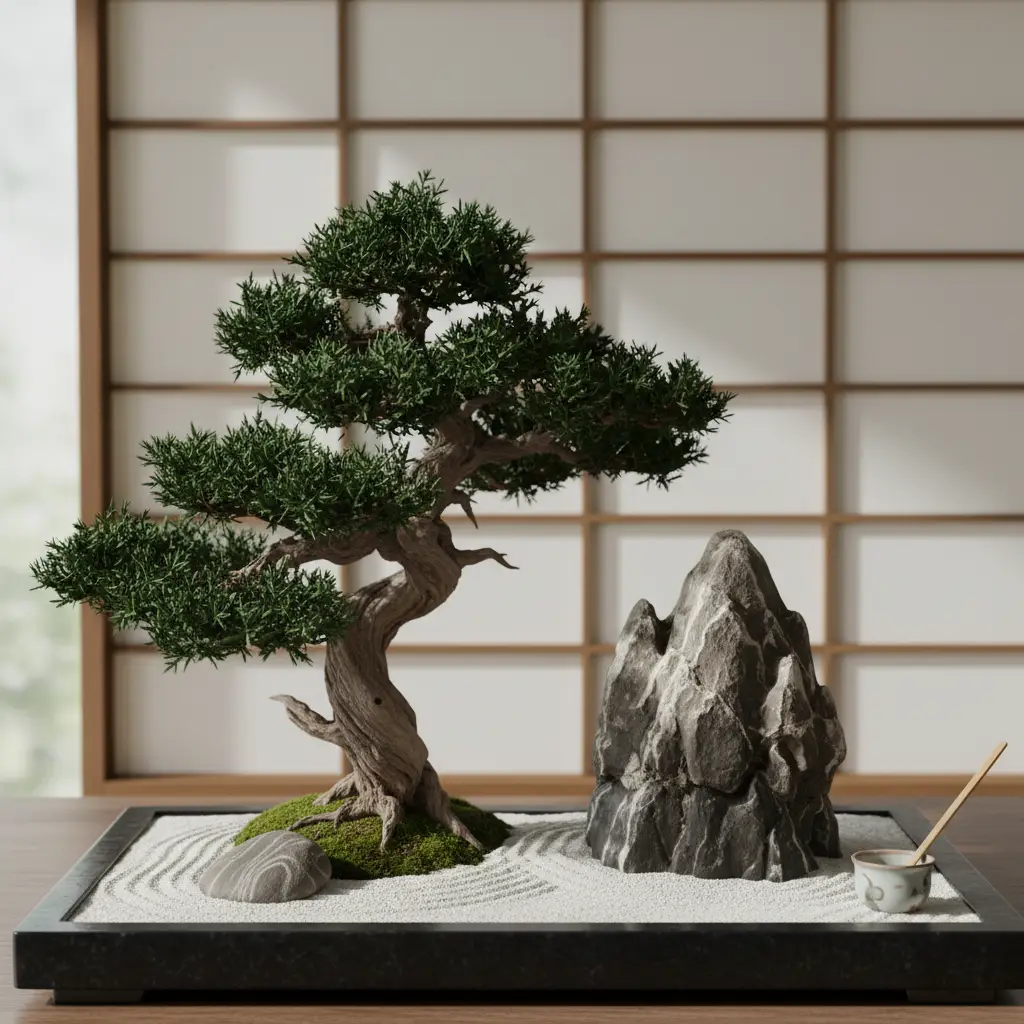
When creating such a display, the Suiseki is typically placed on a custom-fitted wooden stand, known as a daiza. Alternatively, it can be set within a shallow tray, a suiban, often filled with fine sand which can be artfully raked to mimic water.
Position the stone thoughtfully next to the bonsai, usually slightly behind or to one side. This arrangement allows both elements ample visual space and critically ensures the stone doesn’t overshadow the tree.
The ultimate goal is to create a complete miniature landscape. In this landscape, the bonsai represents vibrant plant life, and the Suiseki embodies the earth’s timeless features. This thoughtful, balanced pairing culminates in a powerful aesthetic statement that beautifully invites contemplation and appreciation.
Essential Considerations for Any Successful Bonsai Composition
Regardless of the specific composition style you choose, several core elements remain crucial for both the immediate success and long-term longevity of your living artwork.
Thoughtful Container Selection
The choice of container is a critical aesthetic decision that profoundly impacts the overall visual harmony of your bonsai composition. The pot must physically accommodate the trees and perfectly complement the composition’s style, colors, and intended scale.
For grander compositions, such as extensive forest groups or dramatic rock plantings, wider and shallower pots are often preferred. These enhance the landscape effect and provide crucial ample root space for multiple trees or rock structures.
The pot’s texture, finish, and color must harmonize subtly with the tree and any rock elements. It should never distract from the intricate beauty of the arrangement. Ultimately, a good pot provides a stable, elegant foundation and expertly completes the entire visual narrative of your bonsai.
Optimizing Soil and Drainage
A proper soil mix and impeccable drainage are absolutely foundational to any bonsai’s health and long-term vitality. Bonsai trees thrive in specialized, well-draining soil formulations. These mixes allow excess water to escape quickly while still retaining sufficient moisture and essential nutrients.
A favored mix often includes components like akadama, pumice, and lava rock. This combination provides excellent aeration, which is vital for roots, and helps prevent soil compaction. Superior drainage is paramount to prevent the dreaded root rot.
Simultaneously, adequate moisture retention ensures the tree receives necessary hydration without ever becoming waterlogged. Regularly checking soil moisture levels is a key practice for sustained success in bonsai care.
Mastering Lighting and Watering Regimes
Every bonsai demands appropriate light and water to truly flourish and maintain its aesthetic. Most bonsai species, particularly those cultivated outdoors, prefer several hours of bright, indirect sunlight daily for optimal growth.
However, specific lighting needs vary significantly by species, so it is crucial to research your particular tree’s requirements diligently. Watering should always be done thoroughly until water flows freely from the drainage holes, indicating full saturation.
Crucially, only water again when the topsoil feels dry to the touch. Consistent and attentive care in both lighting and watering, including diligent Spring Care for Bonsai SH, is non-negotiable for the sustained health and beauty of your living art. Always adjust watering frequency based on climate, the current season, and the specific pot size.
Precise Pruning and Wiring for Artistic Shaping
Pruning is a fundamental technique used to meticulously shape the tree, refine its intricate branch structure, and encourage vigorous, healthy growth. This ultimately helps in creating the desired artistic silhouette for your bonsai.
Wiring, another essential technique, allows for the precise bending and positioning of branches and even the main trunk. This process guides the tree into its desired artistic form, often mimicking aged, windswept shapes found in nature. Advanced techniques like Shari and Jin: Deadwood Artistry in Bonsai further enhance this sense of age and natural drama.
These intricate techniques are absolutely essential for both initiating and maintaining the aesthetic integrity of your chosen bonsai composition ideas over many years. Regular, skilled maintenance through pruning and wiring is the secret to keeping a bonsai alive, continually evolving, and perpetually beautiful. It ensures both its long-term health and the realization of your artistic vision.
References and Further Reading
For a more detailed academic perspective on the history and cultural significance of bonsai, you can consult resources such as Wikipedia. Exploring specialized bonsai forums and local clubs can also provide invaluable insights and community support for your artistic journey.
The journey of creating beautiful bonsai compositions is a deeply rewarding endeavor. It cultivates patience, fosters artistic creativity, and builds a profound connection with the natural world, actively contributing to The Future of NZ Native Bonsai: Innovation, Sustainability & Global Recognition. Each arrangement you create, whether a solitary masterpiece or an elaborate miniature landscape, offers a unique opportunity to express your personal artistic vision. This ultimately yields a highly rewarding and enduring piece of living art.
Experiment confidently with these diverse bonsai composition ideas. Allow your creative spirit to flourish beautifully in miniature form, bringing your artistic visions to life.