Shari and Jin: Deadwood Artistry in Bonsai
bonzai.co.nz
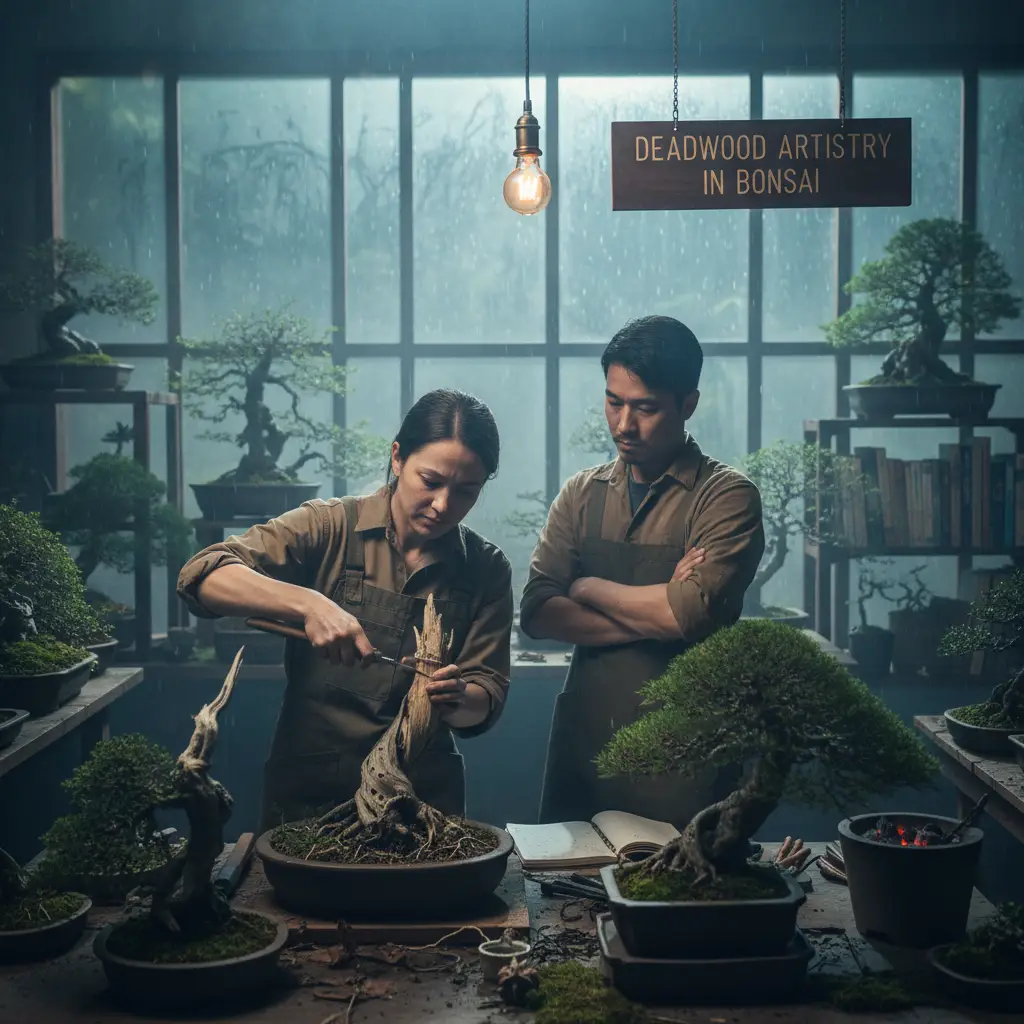
Bonsai deadwood techniques involve the artistic creation and preservation of non-living wood features like Jin (dead branches) and Shari (dead trunk sections) on a living bonsai tree. These methods enhance a bonsai’s aesthetic, conveying age and a sense of struggle, mimicking nature’s powerful forces.
The art of bonsai extends far beyond simply growing miniature trees. It involves a deep understanding of horticulture, artistic styling, and a profound appreciation for nature’s raw beauty. Key to this horticultural understanding are elements such as Bonsai Soil, Fertilization & Nutrition. Among the most striking and expressive elements in advanced bonsai styling are deadwood features, known as Jin and Shari. These elements tell a story of resilience, age, and survival against harsh conditions.
Creating natural-looking deadwood is a skill that takes patience and practice. It transforms ordinary bonsai into living sculptures. By carefully carving and preserving dead sections of a tree, artists highlight the passage of time and the tree’s enduring spirit.
Understanding Jin and Shari
Jin refers to a dead branch that has been stripped of its bark and often bleached by the sun and elements. It represents branches that have withered and died naturally due to environmental stress or competition. A well-executed Jin should look ancient and weathered, blending seamlessly with the tree’s overall design.
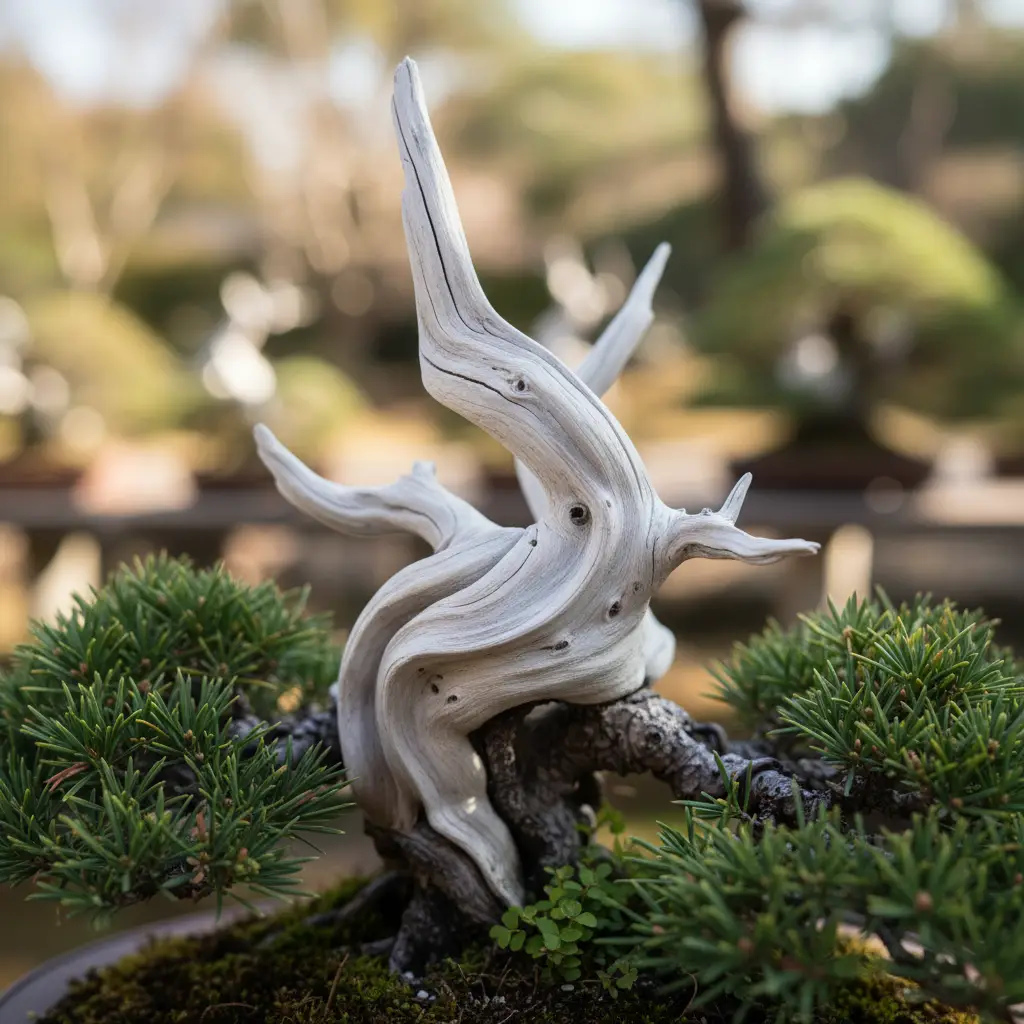
Shari, on the other hand, is a dead section of the trunk. It often appears as a bark-less strip running down the trunk, exposing the bleached wood underneath. Shari usually results from lightning strikes, falling rocks, or severe disease in nature. In bonsai, it conveys a dramatic sense of age and struggle, revealing the tree’s inner structure.
These bonsai deadwood techniques are not merely decorative. They serve to create a sense of drama and history. They highlight the tree’s battle for survival, making it appear older and more majestic than its actual age or size might suggest. The contrast between the living, vibrant parts and the stark, white deadwood is truly captivating.
Essential Carving Techniques Explained
Creating realistic deadwood starts with selecting the right material and using appropriate tools. Not all branches or trunks are suitable for deadwood. Healthy trees with strong growth are usually preferred, as the process can stress the tree.
Tools for Deadwood Creation
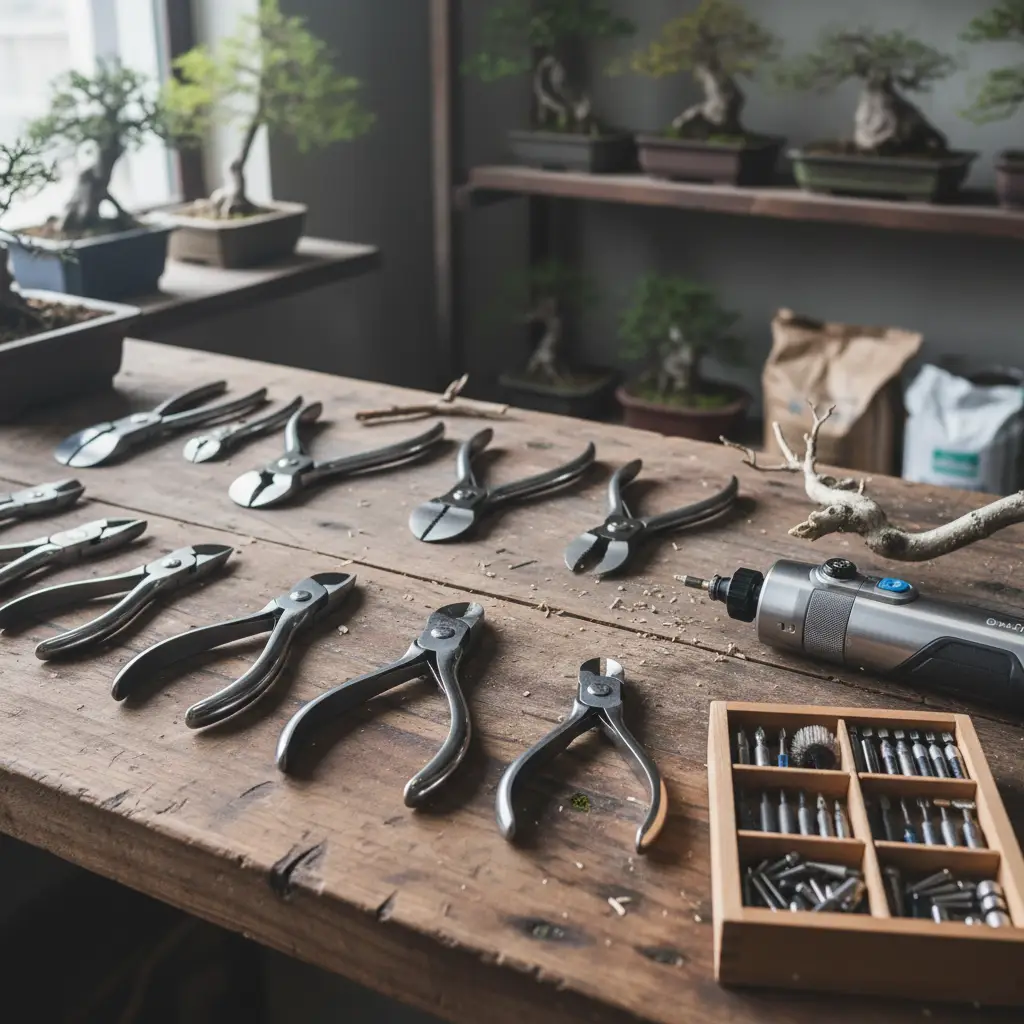
- Jin Pliers: Used for stripping bark from branches to create Jin.
- Concave Cutters: Essential for clean cuts that heal well, especially when removing larger branches near the trunk.
- Carving Tools: Rotary tools with various bits (like Dremel) are popular for shaping wood, creating grooves, and hollowing out sections. Hand tools like chisels and gouges also offer precision and control for finer details.
- Wire Brushes: Used to clean and refine the carved surfaces, giving them a more natural, weathered look.
Creating Jin (Dead Branches)
To create a Jin, first select a branch that you wish to make appear dead. It should contribute to the tree’s overall aged aesthetic. Using jin pliers, gently strip the bark from the branch, starting from the base and moving towards the tip. You can twist and pull to create a natural, torn effect, rather than a clean cut. The exposed wood is then carved and shaped to mimic the effects of wind and erosion.
Refine the Jin by using carving tools to add texture and detail. The aim is to make it look like it has been weathered for decades. Consider the direction of imagined wind or water flow to guide your carving. This attention to detail, much like the advanced techniques in Bonsai Pruning for Refinement and Ramification, is what elevates basic deadwood to true artistic styling.
Creating Shari (Dead Trunk Sections)
Shari creation is a more delicate process as it involves the main trunk. A strip of bark is removed from the trunk, exposing the cambium layer. This live vein must be carefully preserved along the edges of the Shari to ensure the tree’s survival. The exposed wood is then carved and shaped.
The edges of the Shari should flow naturally, often following the natural lines of the tree’s movement. Avoid straight or unnatural lines. Carve grooves and undulations into the wood to replicate the rugged texture found on ancient trees in nature. This requires a keen eye and steady hand.
Advanced Styling Elements: Uro and Sabamiki
Beyond Jin and Shari, other deadwood elements add further character. An Uro is a hollow or cavity in the trunk or a branch, often suggesting decay or insect damage over many years. Sabamiki is a split or hollowed-out trunk, giving the impression of severe damage or old age. These advanced techniques require even greater skill and understanding of tree physiology to ensure the bonsai’s health.
Preserving Deadwood for Longevity
Once deadwood features like Jin and Shari are created, they must be preserved. Without proper treatment, exposed wood can rot, especially in humid environments, leading to insect infestation and fungal decay. Preservation is crucial for maintaining the beauty and structural integrity of the deadwood for years to come.
The Role of Lime Sulfur
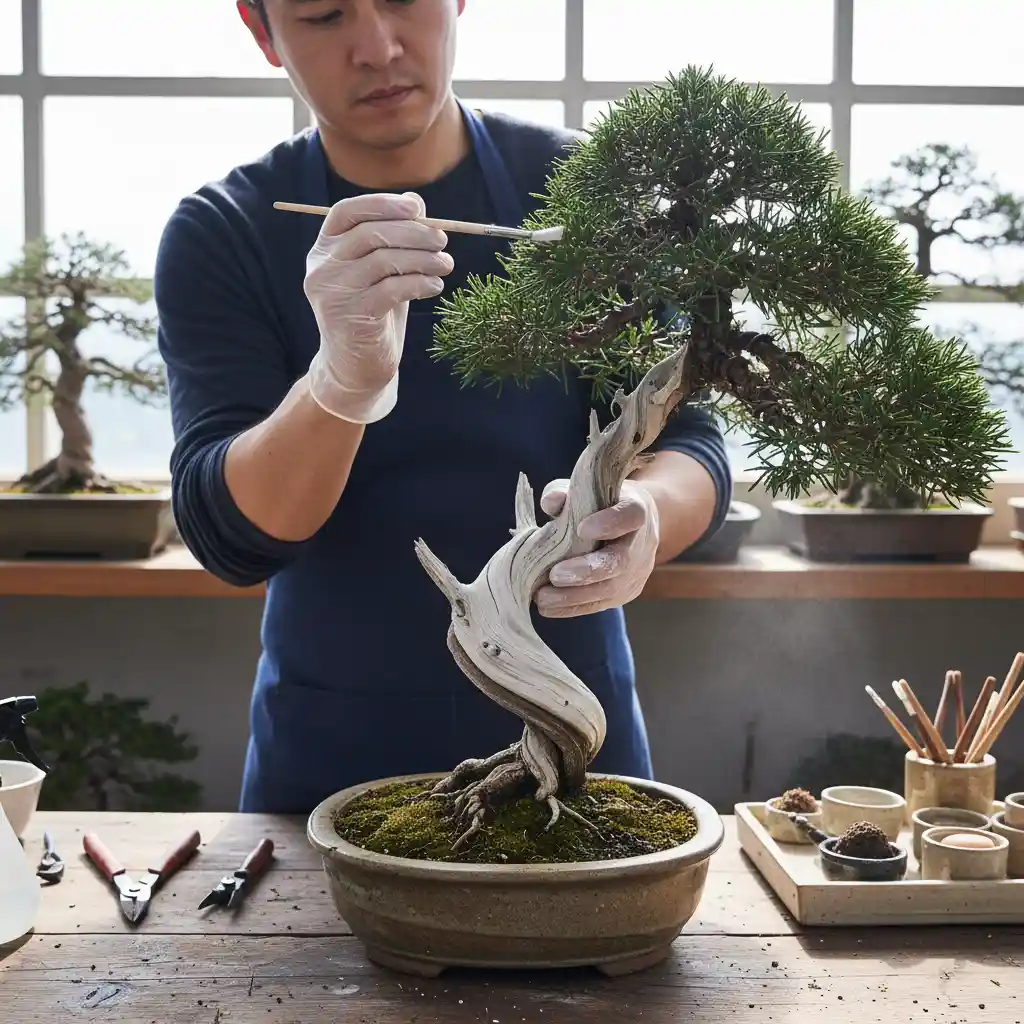
The primary agent for deadwood preservation in bonsai is lime sulfur. This chemical solution bleaches the wood to a stark white, mimicking the effects of sun and wind exposure in nature. More importantly, it acts as a fungicide and insecticide, protecting the wood from decay and pests. Applying lime sulfur correctly is a vital step in these bonsai deadwood techniques.
Application and Maintenance
Lime sulfur should be applied sparingly and carefully, usually with a small brush, avoiding contact with the live bark and foliage. It’s often applied once or twice a year, typically in early spring, a crucial time for Spring Care for Bonsai SH, or late autumn when the tree is dormant. For those in specific climates, understanding strategies like Winter Protection for NZ Bonsai: Ensuring Health Through Colder Months can be vital.
Ongoing maintenance involves cleaning the deadwood with a stiff brush to remove algae or dirt. Reapplication of lime sulfur as needed will keep the deadwood bright and protected. Beyond deadwood care, mastering Bonsai Watering Techniques and practicing Bonsai Pruning for Shape and Health are equally crucial for the overall health and vitality of your tree.
Integrating Deadwood with Live Veins
The true artistry of deadwood comes from its harmonious integration with the living parts of the tree. The contrast between the stark white deadwood and the lush green foliage or vibrant bark of the live veins creates a powerful visual statement. It tells a story of survival and transformation.
When designing, ensure the deadwood flows naturally with the tree’s movement and overall silhouette. It should appear as if nature itself created the features, not the hand of an artist. The living veins should appear to gracefully wrap around or emerge from the dead sections, symbolizing life persisting through adversity.
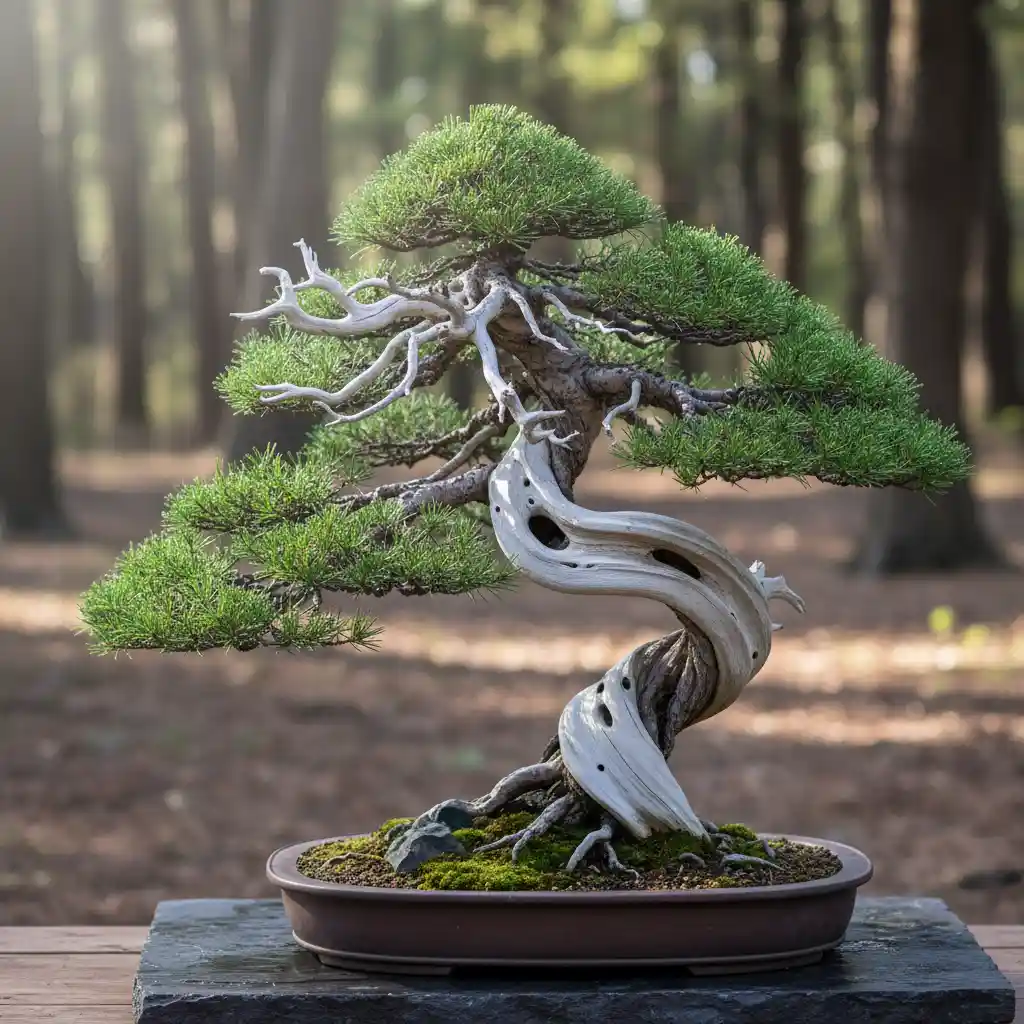
Different bonsai species respond uniquely to deadwood styling. Conifers like Junipers and Pines are particularly well-suited for extensive deadwood, as their wood is naturally durable and they often display dramatic deadwood in their natural habitats. Deciduous trees can also feature deadwood, though it is generally less extensive and requires careful consideration of the species-specific cultivation needs, such as specialized Ficus Bonsai Care: Indoor Growing and Shaping.
Cultural Significance and Ethical Sourcing
The use of deadwood in bonsai reflects a profound appreciation for natural processes and the passage of time. In Japanese garden aesthetics, deadwood is revered as a symbol of endurance, wisdom, and the beauty of imperfection. It embodies the concept of wabi-sabi, finding beauty in transience and imperfection.
Ethical sourcing of bonsai material, whether collected from nature (yamadori) or propagated, encourages respect for the environment. Learning from naturally occurring deadwood in forests and mountains inspires the most authentic and powerful deadwood designs. For more details on the history and various styles of bonsai, you can visit Source.
Mastering bonsai deadwood techniques is a journey that enriches the artist and captivates the viewer. It’s about bringing the grandeur of ancient trees and harsh landscapes into a miniature form, creating a piece of living art that inspires awe and contemplation. With careful study, practice, and respect for the tree, anyone can begin to unlock the dramatic beauty of Shari and Jin. For those looking to deepen their engagement, consider Starting Your Own Local Bonsai Study Group.