Choosing Your First Bonsai Tree
bonzai.co.nz
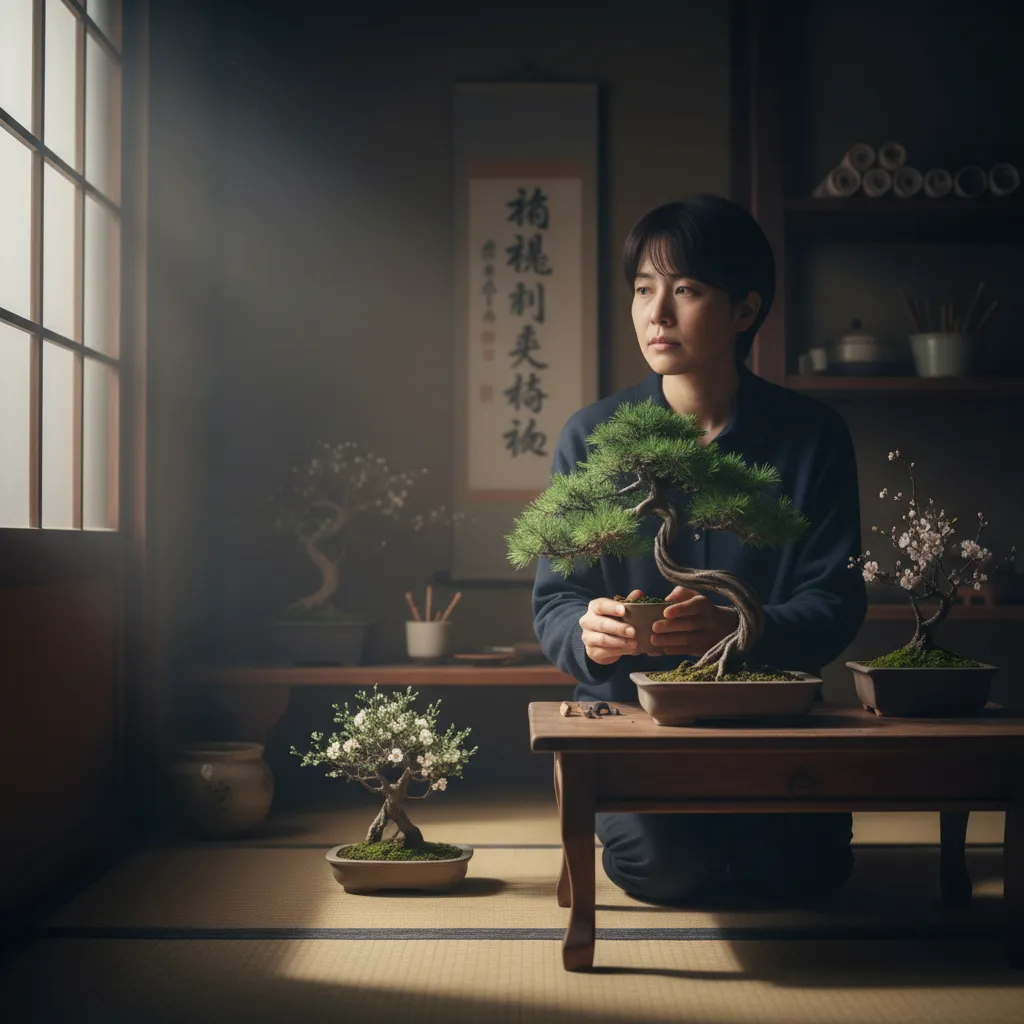
The best beginner bonsai tree is often a resilient species like the Ficus, Chinese Elm, or Juniper. These trees are forgiving, adapt well to different environments, and require less specialized care, making them perfect for new enthusiasts eager to learn the art of bonsai.
Starting the journey into bonsai cultivation can feel daunting. However, choosing your first bonsai tree simplifies the learning process. With proper guidance, even a beginner can grow a beautiful miniature tree. This guide focuses on helping you find the best beginner bonsai tree.
Top Resilient Species for New Bonsai Growers
Selecting a hardy tree is crucial for beginners. These species are more tolerant of common mistakes. They allow you to learn basic bonsai care without constant worry.
Ficus (Ficus retusa or Ficus microcarpa)
Ficus trees are arguably the most forgiving indoor bonsai species. They are tropical plants that thrive in warm, humid conditions. They can tolerate inconsistent watering better than many other trees. Ficus bonsai are known for their aerial roots, which add character over time. They are also easy to prune and shape.
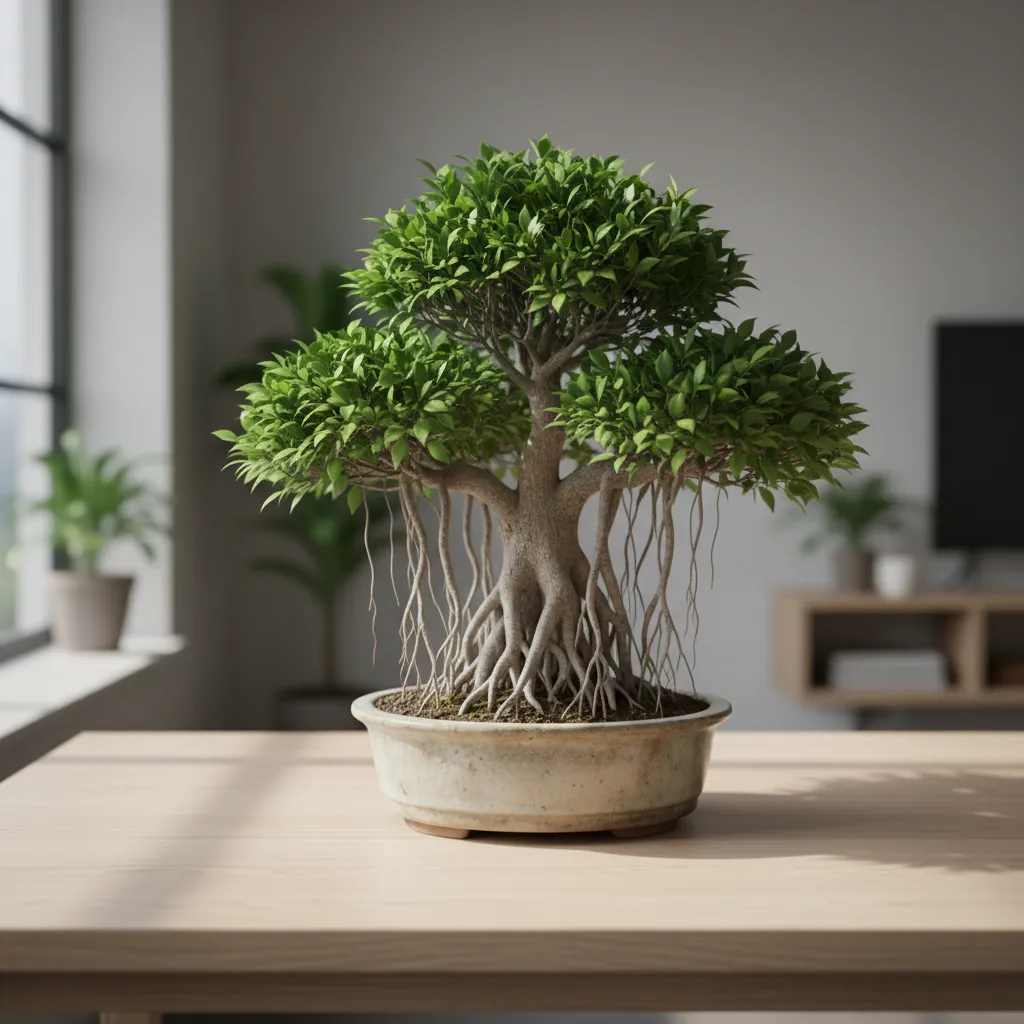
These trees bounce back quickly from defoliation or heavy pruning. This resilience makes them an ideal choice for learning styling techniques. You can experiment with wiring and shaping without fear of permanent damage. A Ficus is an excellent candidate for the best beginner bonsai tree. For a deeper dive into their specific needs, explore our Ficus Bonsai Care: A Complete Guide.
Chinese Elm (Ulmus parvifolia)
The Chinese Elm is another fantastic choice, suitable for both indoor and outdoor growing in many climates. It features small leaves and fine branching, which are perfect for creating realistic miniature landscapes. These trees grow quickly, allowing beginners to see progress sooner.
Chinese Elms are highly adaptable. They can handle a range of temperatures and light conditions. This flexibility makes them forgiving if your environment isn’t perfectly consistent. They are also quite resistant to pests and diseases, adding to their beginner-friendly appeal.
Juniper (Juniperus procumbens nana)
Juniper bonsai are classic outdoor trees, loved for their evergreen foliage and rugged appearance. They are often chosen for their naturalistic, ancient aesthetic. While they require careful watering and good drainage, Junipers are sturdy and can endure various weather conditions. Styling Junipers is a rewarding process, often involving wiring to create dramatic shapes. They are slower growing than Ficus or Chinese Elms, but their longevity makes them a worthwhile investment. If you have a suitable outdoor space, a Juniper can be the perfect starting point. For more detailed guidance, see our Caring for Juniper Bonsai: A Comprehensive Guide.
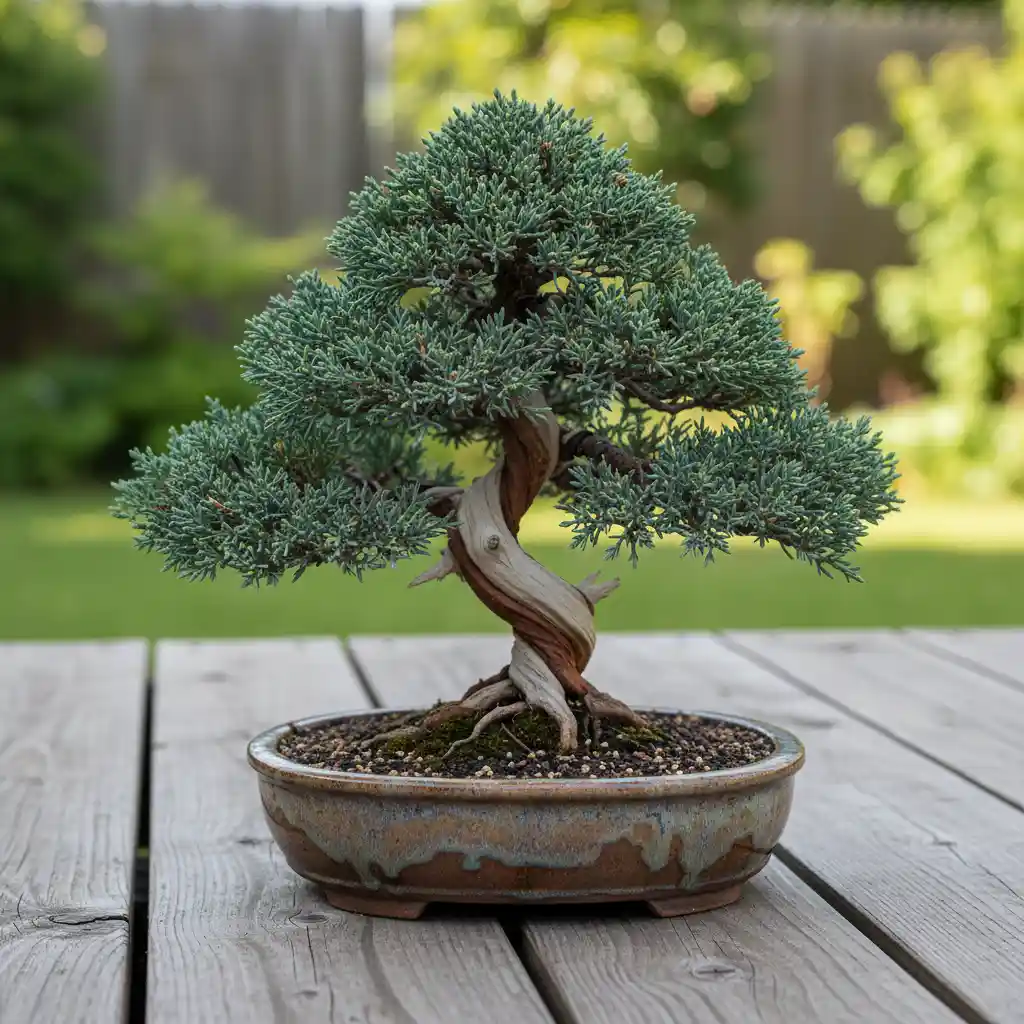
Styling Junipers is a rewarding process, often involving wiring to create dramatic shapes. They are slower growing than Ficus or Chinese Elms, but their longevity makes them a worthwhile investment. If you have a suitable outdoor space, a Juniper can be the perfect starting point.
Jade (Crassula ovata)
Often considered a succulent, the Jade plant can be cultivated as a bonsai. Its thick, fleshy leaves and trunk give it a robust, tree-like appearance. Jade is incredibly drought-tolerant, making it almost impossible to kill by underwatering. Overwatering is the main pitfall.
Jade bonsai are best kept indoors in bright light. They grow relatively fast and respond well to pruning. Their unique aesthetic offers a different entry point into bonsai. For those worried about constant watering, a Jade plant might be the ultimate best beginner bonsai tree.
Dwarf Schefflera (Schefflera arboricola)
Similar to Ficus, the Dwarf Schefflera is a tropical indoor tree known for its resilience. It has distinctive umbrella-like leaves and can develop interesting trunk structures. Scheffleras tolerate lower light conditions than some other species, though they prefer bright indirect light.
They are forgiving of irregular watering and adapt well to average indoor humidity. Their rapid growth allows for quick learning and experimentation with styling. This makes the Dwarf Schefflera another strong contender for new enthusiasts looking for an easy start.
While these species are excellent starting points, as you grow in confidence, you might explore more challenging options. This includes popular deciduous species, with dedicated Maple Bonsai Care Tips often sought after. Additionally, native options like the majestic Kauri Bonsai presents unique challenges and rewards for long-term care, representing a significant step in your bonsai journey.
Factors to Consider When Choosing Your First Bonsai
Beyond species resilience, several factors influence your choice. Thinking about these elements helps ensure your bonsai thrives and matches your lifestyle.
Indoor vs. Outdoor Environment
This is perhaps the most important decision. Most trees are either strictly indoor (tropical) or outdoor (temperate, subtropical). Know where your bonsai will live before buying it. Tropical species like Ficus need consistent warmth and humidity. Temperate trees like Juniper require distinct seasons to thrive.
An indoor bonsai needs bright, indirect light and protection from drafts. An outdoor bonsai needs proper sunlight and protection from extreme temperatures. Consider your local climate and available space carefully. Understanding these needs is key to long-term bonsai health.
Light and Watering Requirements
All bonsai need light, but the amount varies. Ficus and Jade prefer bright, indirect light. Junipers need several hours of direct sunlight each day. Research the specific light needs of your chosen species.
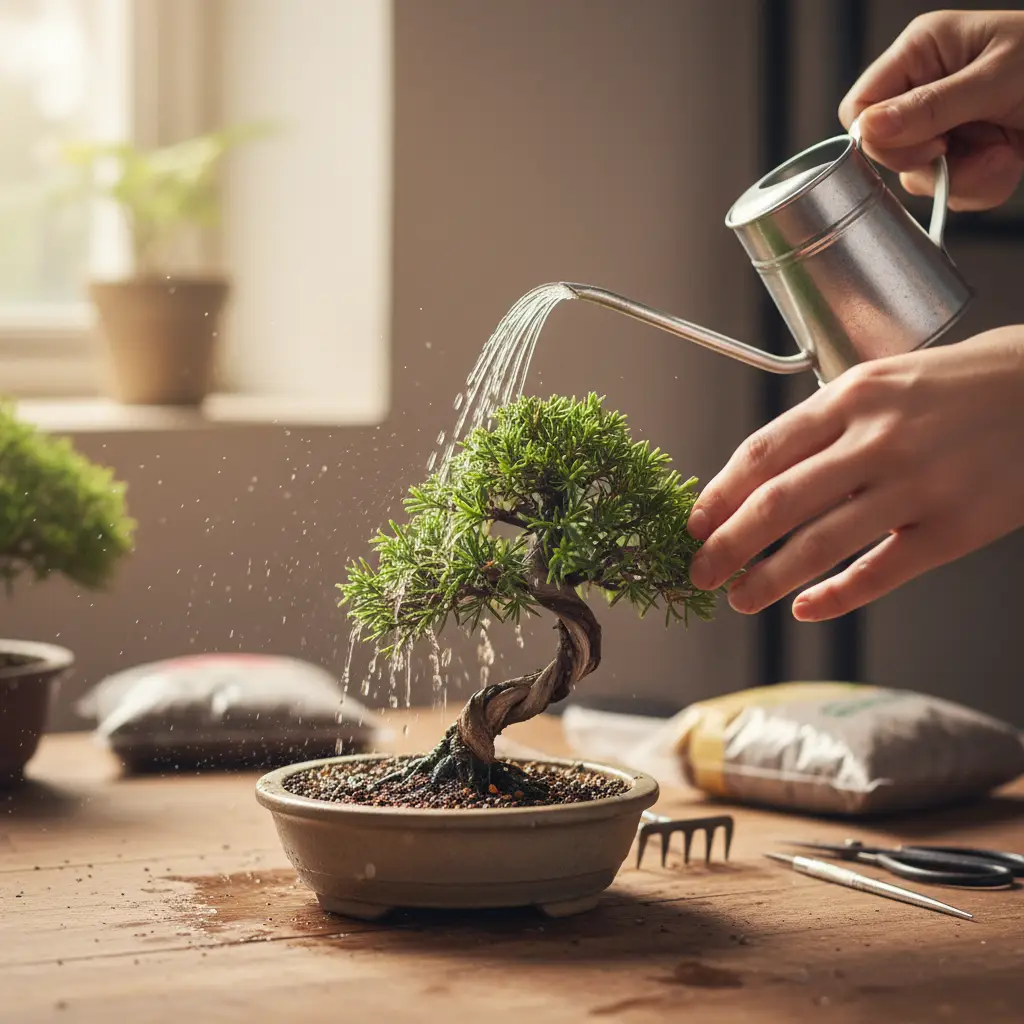
Watering is the most frequent task in bonsai care. Each species has different water preferences. Some prefer consistently moist soil, while others like to dry out between waterings. Proper drainage in the pot is always essential. Learn to feel the soil and understand when your tree needs a drink.
Maintenance and Styling Goals
Some trees require more frequent pruning or wiring than others. Fast-growing species need more regular attention. Slower-growing trees allow for a more relaxed approach. Think about how much time you can dedicate to your new hobby.
Consider the aesthetic you want to achieve. Do you like strong, dramatic forms? Or a softer, more natural look? Different species lend themselves to various styling techniques. Research common bonsai styles like informal upright, slanting, or cascade, and think about Companion Plants & Display Elements for a True NZ Bonsai Scene, or even Flowering Bonsai Trees: Cultivation & Bloom Tips to enhance your display. This helps you select a tree that fits your artistic vision.
Budget and Availability
The cost of a bonsai can vary greatly. A small, young tree from a local nursery might be affordable. A mature, pre-styled specimen from a specialized retailer will cost more. Start with a smaller, younger tree to save money and learn the basics.
Check local nurseries and garden centers for available species. Online retailers also offer a wide selection, but consider shipping costs and the health of the tree upon arrival. Remember that your first tree is a learning tool. You don’t need to break the bank for it.
Where to Buy Your First Bonsai
Finding a good source for your bonsai is just as important as choosing the right species. A healthy starting plant makes your journey much easier.
Local Nurseries and Garden Centers
Your local nursery or garden center is often the best place to start. You can see the tree in person, inspect its health, and ask questions. Look for a plant with vibrant foliage, no visible pests, and firm branches. Avoid trees with yellowing leaves or weak growth.
Staff at these locations might offer valuable local advice. They can guide you on suitable species for your climate and provide basic care tips. However, ensure they have experience with bonsai, as general plant care differs. This is a great place to find your best beginner bonsai tree.
Specialized Bonsai Retailers
These stores focus solely on bonsai. They typically offer a wider selection of species and higher-quality, often pre-styled, trees. The staff are usually experts and can provide in-depth advice on care, styling, and specific tree needs.
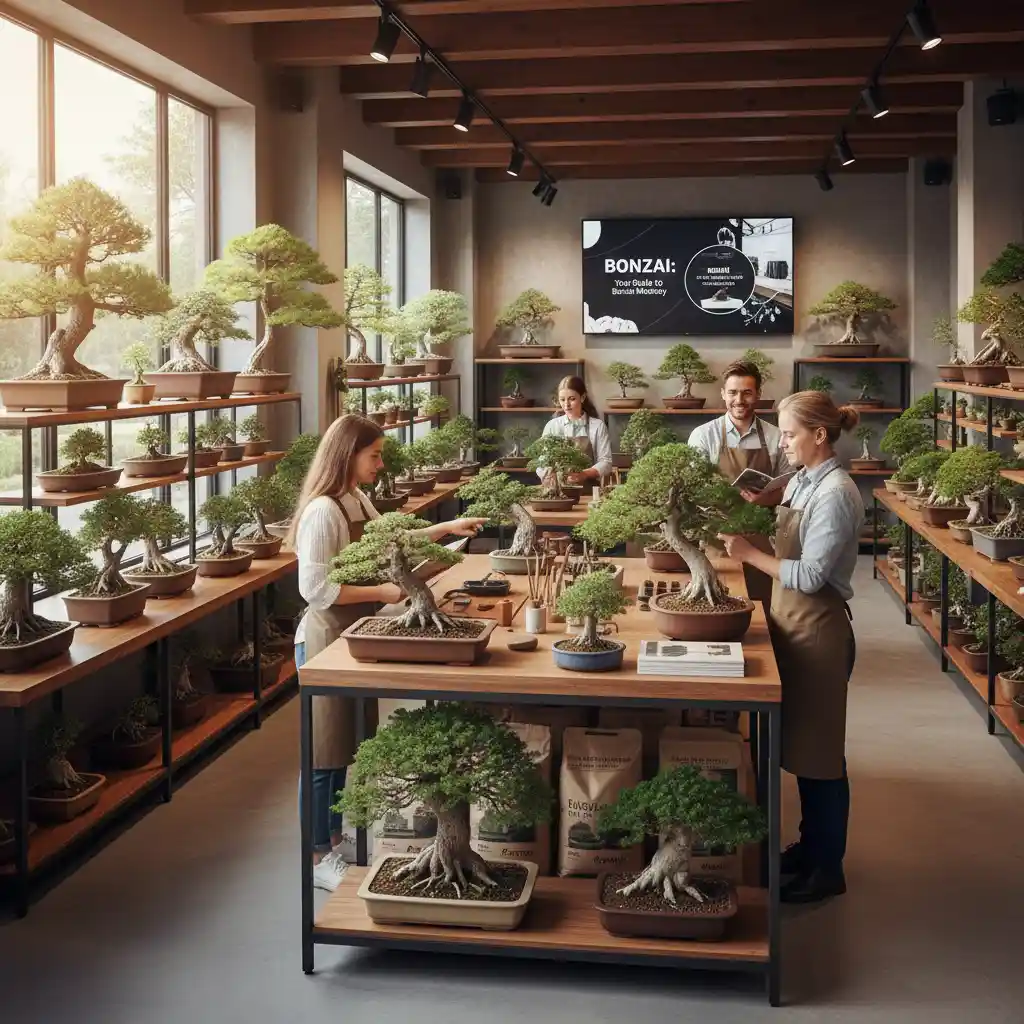
While often more expensive, the expertise and quality can be worth the investment. They also carry specialized tools, pots, and soil. Visiting one of these stores can be a learning experience in itself, even if you don’t buy your first tree there.
Online Stores and Forums
Online retailers offer convenience and an extensive variety. You can find rare species or specific styles not available locally. However, buying online means you cannot inspect the tree before purchase. Choose reputable sellers with good reviews and clear return policies.
Bonsai forums and communities are excellent resources. Experienced growers often sell or trade trees. They also provide valuable insights and support. Just be sure to verify the seller’s credibility. Shipping a live plant requires careful packaging to ensure it arrives safely. Learn more about the history of bonsai at Wikipedia.
Caring for Your First Bonsai
Bonsai need nutrients. Use a balanced liquid or slow-release fertilizer during the growing season. Understanding seasonal adjustments, like dedicated Spring Care for Bonsai, is crucial for optimal health. For in-depth guidance on this vital period, refer to our comprehensive article on Spring Care for Bonsai. Repotting, typically every 2-5 years, helps refresh the soil and prune the root system. This encourages new root growth and keeps the tree healthy in its confined pot. It also presents opportunities for Developing Nebari: The Root Flare, an essential aesthetic element. Learn more about Bonsai Soil, Fertilization & Nutrition to ensure your tree’s health.
Watering Techniques
The most common mistake for beginners is improper watering. Water thoroughly until water drains from the bottom holes. Then, wait until the topsoil feels dry before watering again. This prevents both overwatering and underwatering. The exact frequency depends on the species, pot size, and climate.
Light and Placement
Place your bonsai where it receives adequate light. Rotate it regularly to ensure even growth. For indoor bonsai, supplement natural light with grow lights if needed. Outdoor bonsai should be protected from harsh afternoon sun in summer and severe frost in winter.
Pruning and Wiring
Pruning is essential for maintaining the tree’s shape and encouraging dense foliage. Use sharp, clean tools. Wiring helps to bend and train branches into desired positions. Be gentle and check wires regularly to prevent them from biting into the bark as the tree grows.
Fertilization and Repotting
Repotting, typically every 2-5 years, helps refresh the soil and prune the root system. This encourages new root growth and keeps the tree healthy in its confined pot.
Conclusion
Choosing your first bonsai tree is an exciting step into a rewarding art form. By selecting a resilient species like a Ficus, Chinese Elm, or Juniper, you set yourself up for success. Consider your environment, available time, and aesthetic goals. With the right choice and consistent care, your first bonsai will become a source of peace and beauty in your life. Embrace the learning process, and enjoy watching your miniature tree flourish.