Mastering Bonsai Watering Techniques for Thriving Miniature Trees
bonzai.co.nz
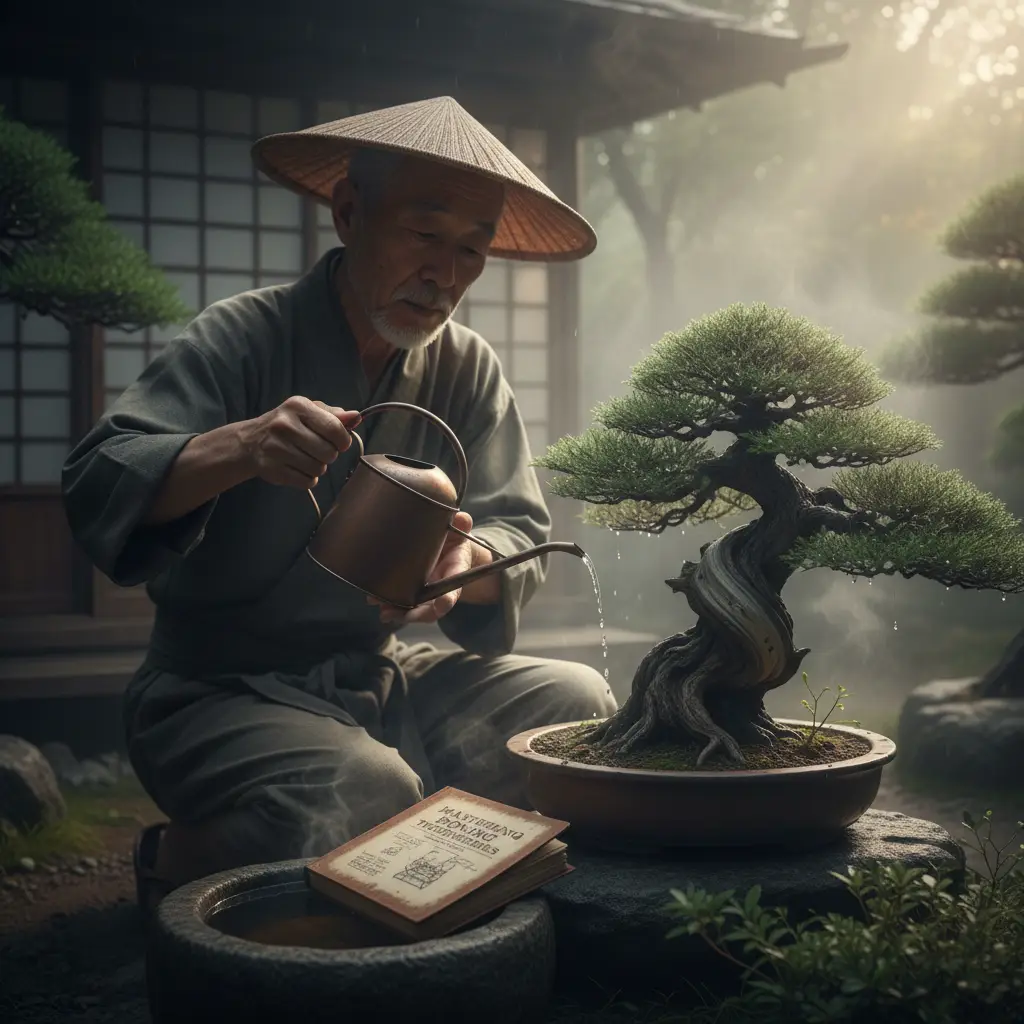
Bonsai watering techniques involve regularly assessing soil moisture using methods like the finger test or chopstick method. Water thoroughly until drainage, adjusting frequency for bonsai species, pot size, climate, and season. This prevents root rot from overwatering and dehydration.
At Bonzai.co.nz, we believe that practical, easy-to-understand advice empowers every enthusiast. This comprehensive guide will walk you through the essential steps, from checking soil moisture to adapting to seasonal changes, ensuring your bonsai flourish for years to come.

Table of Contents
- Understanding Bonsai Watering Techniques: Frequency and Amount
- Essential Soil Moisture Checks for Optimal Health in Bonsai Watering Techniques
- Adapting Bonsai Watering Techniques to Seasonal Changes and Environment
- Common Mistakes in Bonsai Watering Techniques to Avoid
- Specialized Bonsai Watering Techniques for Different Species
- References and Further Reading
Understanding Bonsai Watering Techniques: Frequency and Amount
Determining the right frequency and amount for your Bonsai Watering Techniques is crucial. It’s not a fixed schedule but rather a response to the tree’s current needs. Overwatering can lead to root rot, while underwatering causes stress and eventual death. The goal is a balanced approach that promotes healthy growth without causing harm. Consistency in observation is key.
When to Water: The Finger Test
The simplest and most reliable method for deciding when to water is the “finger test.” Insert your finger about an inch or two into the soil. If the soil feels dry, it’s time to water. If it’s still damp, wait. This method accounts for variations in climate, pot size, and bonsai species, making it a core aspect of effective Bonsai Watering Techniques. This direct approach helps you understand your tree’s individual needs better than any rigid schedule.
For very small pots, or if you prefer not to disturb the soil, you can lift the pot. A dry pot will feel significantly lighter than a watered one. Over time, you’ll develop an instinct for this crucial aspect of bonsai care, recognizing the weight difference as an indicator of soil moisture.
How Much Water: Drench and Drain
When you do water, it’s important to do so thoroughly. The “drench and drain” method ensures that all the soil particles are moistened. Water your bonsai until water begins to flow freely from the drainage holes at the bottom of the pot.
Repeat this process a second or even a third time, waiting a few minutes between applications. This helps to flush out any accumulated salts and ensures that the entire root ball is saturated. Never just give your bonsai a small sip of water; a deep, thorough watering is always best for promoting root health and preventing the buildup of harmful minerals in the soil.
Factors Affecting Watering Needs
Several elements influence how often your bonsai needs water. Understanding these will refine your Bonsai Watering Techniques routine and help you avoid common mistakes.
- Species: Some trees, like Ficus, prefer more consistent moisture, while others, like pines, tolerate drier conditions. Research your specific bonsai species to understand its unique needs.
- Pot Size: Smaller pots dry out much faster than larger ones due to less soil volume. This means miniature bonsai in tiny pots might need daily attention.
- Soil Mix: Fast-draining bonsai soil (often containing akadama, pumice, lava rock) requires more frequent watering than heavy, water-retentive soil. A good soil mix is foundational for proper Bonsai Watering Techniques. For a foundational step in your bonsai journey, particularly when setting up a new tree, understanding Repotting a New Bonsai for Beginners is essential.
- Climate: Hot, windy, or very sunny weather will dry out soil quickly. High humidity slows evaporation. Your local climate plays a huge role in how often you water.
- Time of Year: Active growing seasons (spring/summer) demand more water than dormant periods (winter). Adjusting for the season is vital for tree health.

Essential Soil Moisture Checks for Optimal Health in Bonsai Watering Techniques
Beyond the finger test, various methods can help you determine soil moisture levels accurately. These checks are vital for preventing both over and underwatering, ensuring your bonsai receives exactly what it needs to thrive. Consistent monitoring is key for anyone serious about mastering Bonsai Watering Techniques effectively.
Visual Cues and Soil Color
Your bonsai’s soil can offer visual clues. Dry soil often appears lighter in color, sometimes even powdery or cracked. Wet soil will be darker and might have a healthy sheen. Over time, you will learn to recognize the subtle differences in your specific soil mix. Pay attention to the top layer, but remember that the soil deeper down can still be moist even if the surface appears dry. This visual assessment is a fundamental part of refined Bonsai Watering Techniques.
The Chopstick Method
For a more accurate reading of moisture deeper in the pot, the chopstick method is excellent. Insert a wooden chopstick (or a bamboo skewer) into the drainage hole, or gently into the soil away from major roots, to about two-thirds of the pot’s depth. Leave it for 10-15 minutes.
When you pull it out, if the chopstick feels damp, looks darker, or has soil particles clinging to it, the soil is still moist. If it comes out clean and dry, it’s time to water. This provides a clear picture of the root zone’s moisture level and is a highly recommended practice in advanced Bonsai Watering Techniques, especially for larger pots.
Advanced Moisture Meters
While not strictly necessary, soil moisture meters can be helpful, especially for beginners or those with many trees. These devices use probes inserted into the soil to give a digital or analog reading of moisture levels. They offer an objective measurement, which can build confidence as you learn the nuances of Bonsai Watering Techniques. To further optimize your watering regimen, consider delving into Advanced Bonsai Watering Systems & Tips.
However, remember that meters measure moisture at the point of insertion. It’s best to check several spots around the pot. Always use these as a guide rather than a strict rule, and combine them with other methods like the finger test for best results, as relying solely on a meter can sometimes be misleading.
Adapting Bonsai Watering Techniques to Seasonal Changes and Environment
The dynamic nature of seasons profoundly impacts your bonsai’s watering requirements. What works in summer will be detrimental in winter. Mastering these seasonal adjustments is a key aspect of understanding Bonsai Watering Techniques successfully year-round and ensuring the long-term health of your miniature trees.
Spring and Summer: Growth Spurts
During spring and summer, your bonsai trees are actively growing. New leaves emerge, branches extend, and roots develop. This period demands more frequent watering. High temperatures and increased sunlight also accelerate evaporation from the soil and transpiration from the leaves.
You might find yourself watering daily, or even twice a day, during peak summer heat. Always monitor closely and water when the top inch or two of soil becomes dry. Ensure good drainage to prevent waterlogging, even with frequent applications, as part of your refined Bonsai Watering Techniques. Active growth phases require vigilance. For a deeper dive into preparing your trees for the vigorous growth period, consider our guide on Spring Care for Bonsai SH.
Autumn: Preparation for Dormancy
As autumn approaches, growth slows down, and deciduous trees begin to shed their leaves. Watering frequency should gradually decrease. The cooler temperatures and shorter days mean less evaporation. Continue to check the soil, but expect longer intervals between waterings.
This transition period is important. Too much water can lead to root problems as the tree’s metabolic rate slows. Too little water, especially for evergreens, can cause dehydration before winter fully sets in. A gentle reduction in watering prepares the tree for its rest period.
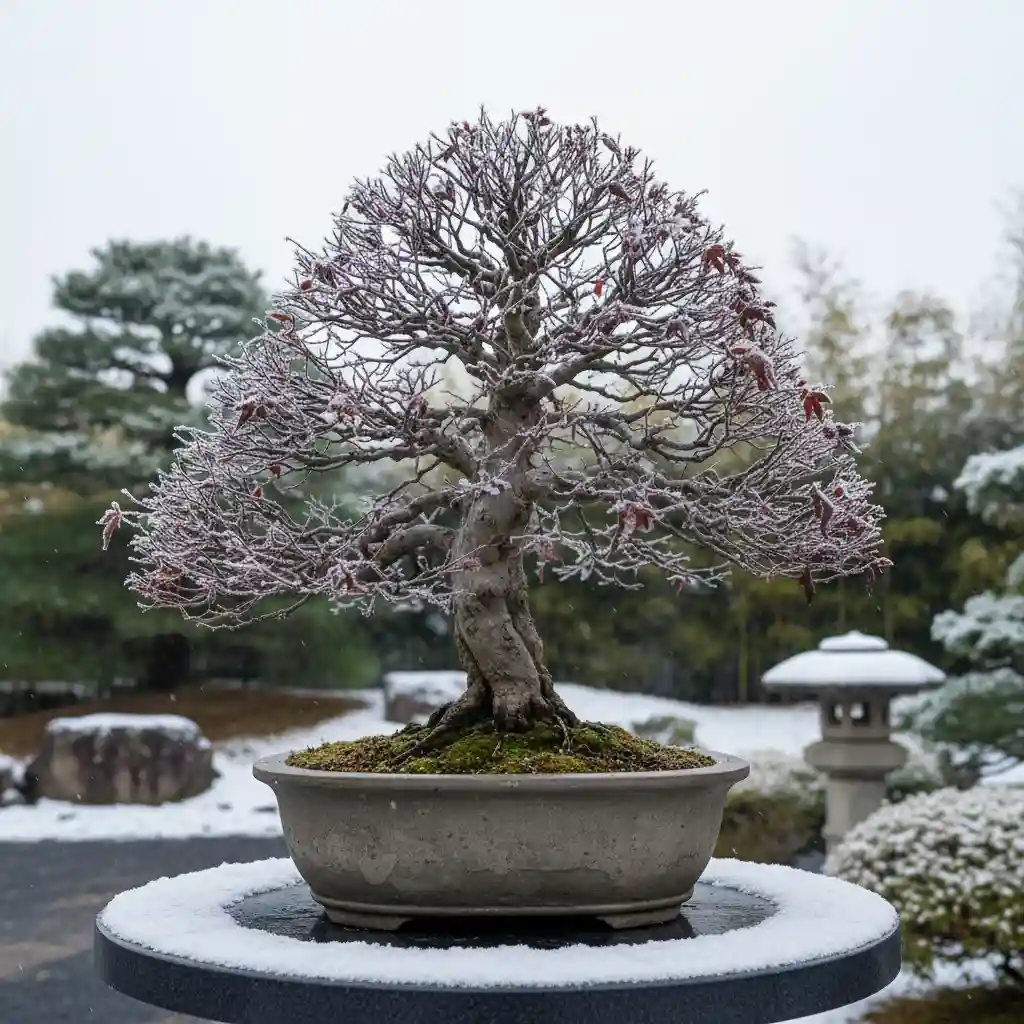
Winter: Reduced Needs and Protection
Winter is a period of dormancy for most temperate bonsai species. Growth ceases, and water requirements drop significantly. Outdoor bonsai need very little water, perhaps once a week or even less, depending on precipitation and temperature. For indoor bonsai, even with central heating, the reduced light and cooler temperatures (ideally) mean less water.
Always ensure the soil isn’t completely dry for extended periods, as this can still cause damage. Consider protecting outdoor bonsai from freezing and thawing cycles that can damage roots. For more in-depth information on winter care, consult resources like Wikipedia’s Bonsai page.
Common Mistakes in Bonsai Watering Techniques to Avoid
Even with the best intentions, mistakes happen. Being aware of these pitfalls can help you avoid serious problems for your miniature trees. Understanding effective Bonsai Watering Techniques also means understanding what not to do, and how to identify warning signs early.
Overwatering: The Silent Killer
The most common mistake is overwatering. Constantly wet soil deprives roots of oxygen, leading to root rot. Symptoms include yellowing leaves, soft bark, and general decline. Ensure your pot has adequate drainage holes and use a fast-draining bonsai soil mix. Proper Bonsai Soil, Fertilization & Nutrition is integral to good Bonsai Watering Techniques, as it allows water to pass through without suffocating the roots.
Underwatering: Visible Stress
While less common for beginners, underwatering also causes stress. Leaves might wilt, crisp, or turn brown at the edges. The tree may drop leaves prematurely. Regular soil checks and prompt watering when dry will prevent this. A good soak is often needed to rehydrate severely dry soil, correcting this common error in Bonsai Watering Techniques. Never let the soil become bone dry for too long.
Inconsistent Watering Habits
Bonsai prefer consistency. Erratic watering – long periods of dryness followed by drenching – stresses the tree. Aim for a routine where you check the soil daily (or every other day) and water as needed, rather than following a strict calendar schedule. This consistent vigilance is a cornerstone of successful Bonsai Watering Techniques, helping your tree maintain stable internal conditions.

Specialized Bonsai Watering Techniques for Different Species
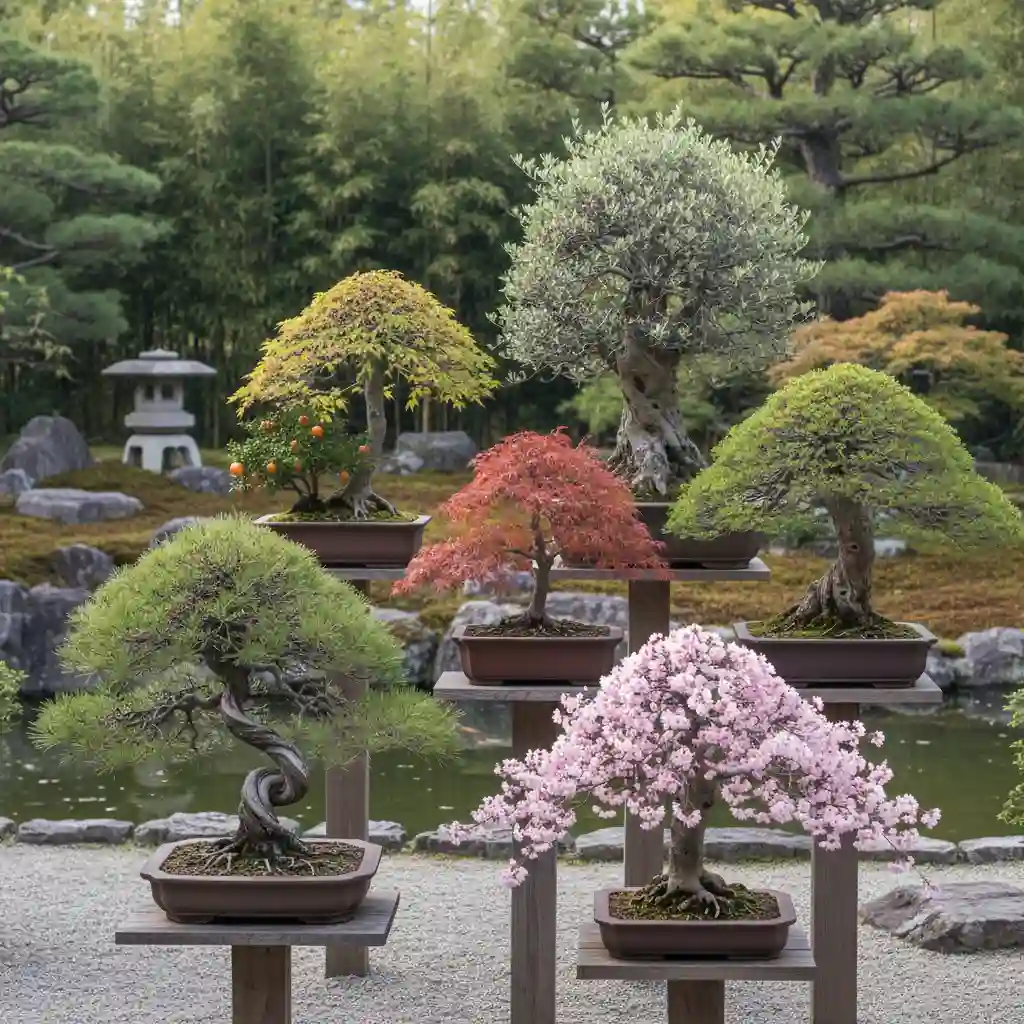
While the core principles of effective Bonsai Watering Techniques remain consistent, some species have unique preferences. Adapting your approach slightly for broadleaf, coniferous, and deciduous trees can make a significant difference in their health and vitality. Bonzai.co.nz provides detailed care guides for specific species, such as Bonsai Pruning & Wiring Techniques, but here’s a general overview.
Broadleaf Evergreens (e.g., Ficus, Serissa)
Many broadleaf evergreens, especially tropical and subtropical varieties, prefer consistently moist soil. They don’t like to dry out completely. Water them thoroughly when the top layer of soil just begins to feel dry, often more frequently than deciduous species. These particular Bonsai Watering Techniques ensure their tropical nature is accommodated, reflecting their natural habitat’s humidity.
Coniferous Bonsai (e.g., Pines, Junipers)
Conifers generally prefer slightly drier conditions between waterings. Allow the top inch or two of soil to dry out before watering again. Overwatering pines and junipers can quickly lead to root rot and needle browning. Good drainage is paramount for these species, and a cautious approach to Bonsai Watering Techniques is advised, mimicking their preference for well-drained, often rocky soils. For a deeper dive into one such species, consider our guide on Caring for Juniper Bonsai: A Comprehensive Guide.
Deciduous Bonsai (e.g., Maples, Elms)
Deciduous trees need more water during their vigorous spring and summer growth. As they head into autumn and winter dormancy, their water needs drastically decrease. Adjust watering frequency significantly with the seasons for these trees, making seasonal adaptation a critical part of their Bonsai Watering Techniques. They are very responsive to environmental changes.
Your Bonsai Watering Journey
Mastering Bonsai Watering Techniques is a skill that develops with observation and practice. There’s no single watering schedule that fits all trees in all situations. Instead, learn to read your tree and its environment. By consistently applying the techniques outlined here, from the finger test to seasonal adjustments, you’ll ensure your bonsai remains a vibrant and healthy masterpiece for years.
Bonzai.co.nz is dedicated to providing you with the best resources to nurture your passion, including insights into The Future of NZ Native Bonsai: Innovation, Sustainability & Global Recognition and understanding the History of Bonsai in NZ: From Early Imports to Native Excellence. Keep practicing, keep observing, and enjoy the rewarding journey of bonsai cultivation. For those also interested in the aesthetic aspects, explore our guide on Professional Bonsai Styling Tools and Their Use. Your dedication will be rewarded with beautiful, healthy miniature trees.