Winter Protection for NZ Bonsai: Ensuring Health Through Colder Months
What You Will Learn
Learn essential tips for winterizing bonsai NZ native species. Protect your precious trees from frost, manage watering, and ensure health through colder months with this expert guide.
Winter Protection for NZ Bonsai: Ensuring Health Through Colder Months
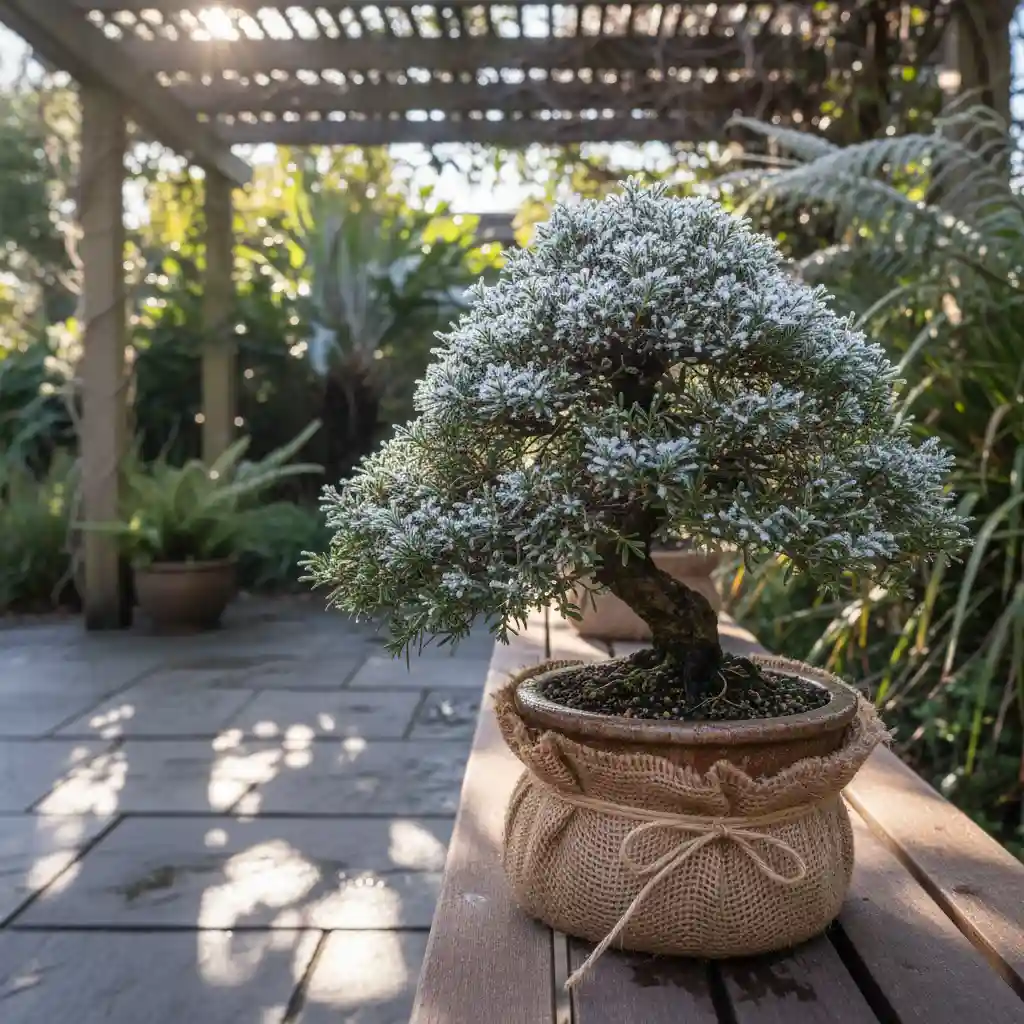
As the vibrant greens of a New Zealand summer fade, the cooler, damper breath of winter approaches, bringing with it unique challenges for bonsai enthusiasts. While our native flora is inherently resilient, the confined environment of a bonsai pot makes even the hardiest species vulnerable to winter’s bite. Proper Winterizing Bonsai Trees: Protecting from Cold techniques are not merely an option; they are a critical act of preservation, safeguarding your living art through dormancy and ensuring a spectacular resurgence in spring.
This comprehensive guide will equip you with the expert knowledge to protect your precious NZ native bonsai, translating the ‘how-to’ into practical, actionable steps for a thriving collection.
Table of Contents
- The Crucial Importance of Winter Care for NZ Native Bonsai
- Identifying Cold-Hardy vs. Sensitive NZ Native Species
- Step-by-Step Strategies for Frost Protection & Shelter
- Reduced Watering & Feeding in Winter
- Monitoring Health During Dormancy
- NZ Bonsai Winterizing Checklist
- Frequently Asked Questions about Winterizing NZ Bonsai
The Crucial Importance of Winter Care for NZ Native Bonsai
Even for species native to New Zealand, the winter months pose significant threats when cultivated as bonsai. Unlike their counterparts in the wild, which benefit from the insulating mass of the earth and expansive root systems, bonsai are constrained by shallow pots. This limitation makes their roots exceptionally vulnerable to freezing temperatures, excessive moisture, and strong winds.
“The small soil volume in a bonsai pot offers minimal thermal mass, making careful winter preparation essential for the survival and health of the root system.”
Proper winterizing bonsai NZ ensures that your trees enter and emerge from dormancy in optimal health, preventing root damage, branch dieback, and the weakening that can lead to pest and disease susceptibility in spring. It’s about respecting the natural cycles of the tree while mitigating the artificial stresses of its cultivated form.
Identifying Cold-Hardy vs. Sensitive NZ Native Species
The first step in effective winter care is understanding the specific needs of your bonsai. Learning about various species, like those detailed in Juniper Bonsai Care: Styling & Maintenance, can broaden your expertise. New Zealand’s diverse flora means varying tolerances to cold. Knowing whether your species is inherently cold-hardy or more sensitive will dictate your protection strategy.
- Cold-Hardy Natives: Species like Totara (Podocarpus totara), Miro (Prumnopitys ferruginea), and some varieties of Kahikatea (Dacrycarpus dacrydioides) can generally withstand light frosts and colder temperatures. They still benefit from shelter but might not need the intensive protection of more delicate species.
- Sensitive Natives: Many coastal species or those from warmer northern regions, such as Pōhutukawa (Metrosideros excelsa), Kauri (Agathis australis – especially young specimens), and Rewarewa (Knightia excelsa), are more susceptible to frost damage. These require significant protection, potentially even temporary indoor relocation during severe cold snaps.
- Semi-Hardy: Species like Lacebark (Hoheria populnea) and Ngaio (Myoporum laetum) fall in between, needing good overhead cover and pot insulation.
Always research the specific temperature tolerance of your bonsai species. When in doubt, err on the side of caution with protection.
Step-by-Step Strategies for Frost Protection & Shelter
Implementing a robust frost protection strategy is key to successful winterizing bonsai NZ. Follow these steps to ensure your trees are well-prepared for the colder months.
Step 1: Select the Right Location
Move your bonsai to a sheltered spot before the first heavy frosts. This could be against a south-facing wall (in the Southern Hemisphere) of your house, under the eaves, or in a carport. The goal is to shield them from prevailing cold winds and direct frost.
- Wind Protection: Strong, cold winds can desiccate branches and foliage, even if temperatures aren’t freezing. Choose a spot with natural windbreaks.
- Sunlight: While growth is minimal, some winter sun can still be beneficial, particularly for warming the pots during the day.
Step 2: Provide Overhead Shelter
Direct rain, hail, and heavy frost falling onto the foliage can cause significant damage. An overhang, polycarbonate sheeting, or a cold frame can provide excellent protection.
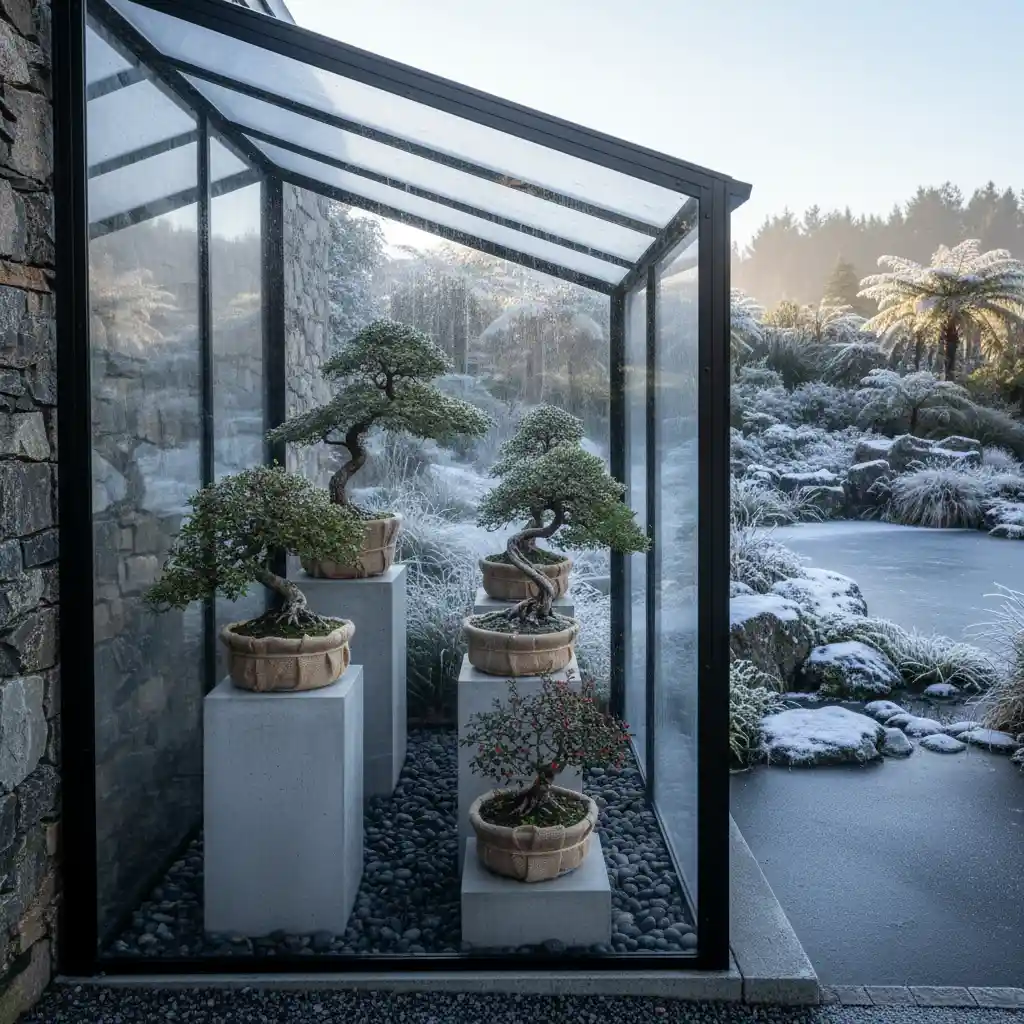
- Rain Management: Excessive winter rain can lead to root rot if the soil remains waterlogged. Overhead cover helps regulate moisture.
- Frost Cover: For unexpected severe frosts, consider covering individual trees with horticultural fleece or old blankets at night, removing them during the day.
Step 3: Insulate Your Pots
The roots are the most vulnerable part of your bonsai. Insulating the pot is paramount to protect them from freezing and thawing cycles.
- Burying: For very cold areas, burying the pot up to the rim in the ground, sawdust, or sand provides excellent insulation.
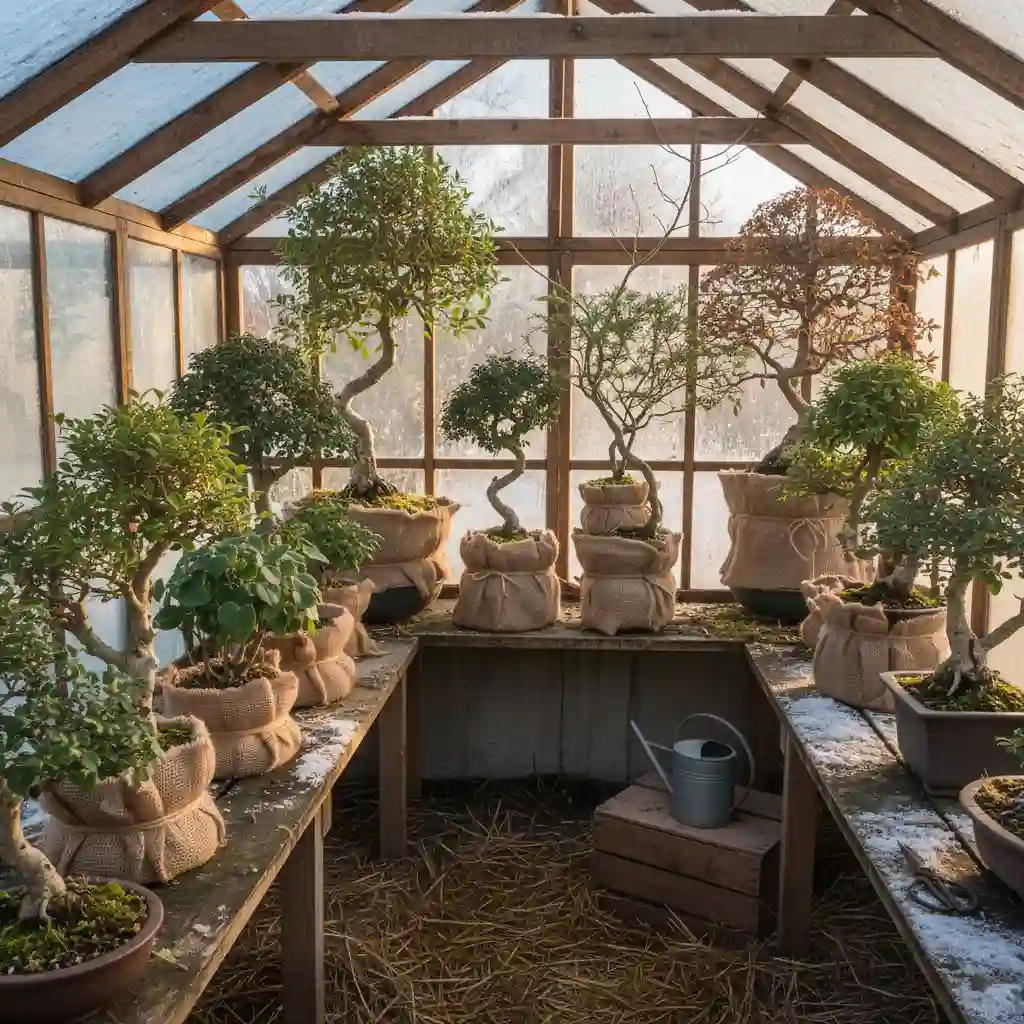
- Wrapping: Wrap pots with burlap, bubble wrap, old towels, or straw. Secure with string or tape.
- Grouping: Huddle your bonsai pots together tightly. The combined mass of soil and pots creates a warmer microclimate.
Step 4: Create Microclimates
Beyond general shelter, consider specific arrangements that enhance warmth and protection.
- Cold Frames: A simple cold frame made from timber and clear sheeting can elevate temperatures significantly.
- Greenhouses: Unheated greenhouses offer fantastic protection from wind and severe frost, while still providing light. Ensure good ventilation on warmer winter days.
Step 5: Consider Temporary Indoor Relocation
For truly sensitive species or during extreme cold snaps, a brief move indoors might be necessary. This is a temporary measure, as most native bonsai need a dormant period with cooler temperatures.
- Cool, Bright Spot: If indoors, choose the coolest, brightest room available, away from heating vents.
- Duration: Only bring them indoors for the duration of the extreme cold (e.g., 2-3 days), then return them to their sheltered outdoor spot.
Reduced Watering & Feeding in Winter
As your bonsai enters dormancy, its metabolic rate slows dramatically. This impacts its need for water and nutrients.
Watering
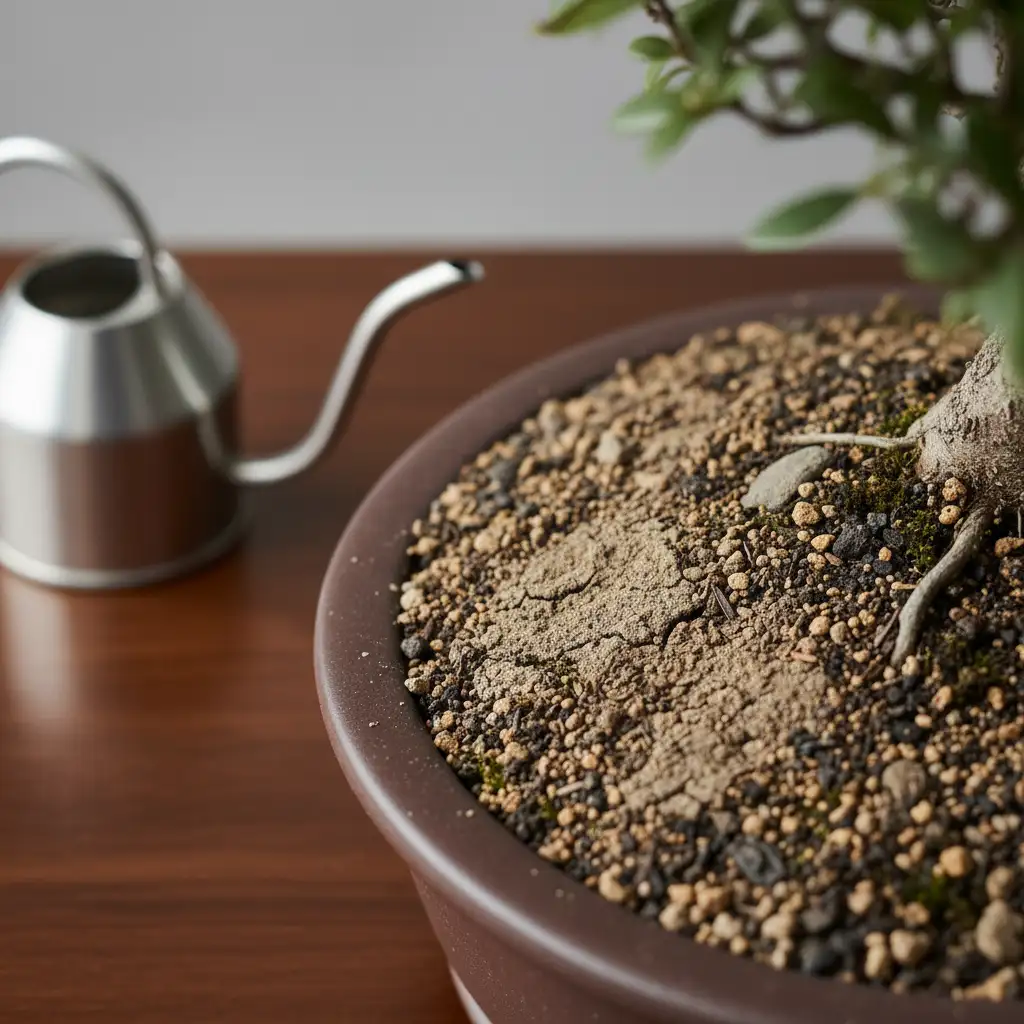
Overwatering is a leading cause of winter demise for bonsai. Water only when the top inch or two of soil feels dry to the touch. The goal is to keep the soil slightly moist, not saturated. Understanding the nuances of individual species, much like following a specific Pine Bonsai Watering Schedule, is crucial for optimal health.
- Timing: Water on warmer winter days, preferably in the morning, so any excess moisture can evaporate before evening temperatures drop.
- Method: Ensure good drainage. Lift the pot to feel its weight – a lighter pot indicates a need for water.
Feeding
Stop fertilizing entirely during winter dormancy. The tree is not actively growing and will not utilize the nutrients, which can instead build up and burn the roots.
Monitoring Health During Dormancy
Even in dormancy, your bonsai requires periodic checks. Early detection of problems can prevent significant damage.
- Pest & Disease Checks: Regularly inspect branches and trunks for signs of pests (e.g., scale, aphids hiding in crevices) or fungal infections. Dormant oil sprays can be applied in late winter before buds swell, if necessary.
- Root Health: While you shouldn’t disturb roots, be mindful of any unusual odors from the soil, which could indicate rot.
- Bud Swell: As winter progresses into late August/early September, observe buds for swelling – a sign that spring is approaching and your tree is ready to emerge from dormancy.
NZ Bonsai Winterizing Checklist
- ✅ Move sensitive species to a sheltered location (e.g., under eaves, carport).
- ✅ Ensure overhead protection from heavy rain, hail, and frost.
- ✅ Insulate all bonsai pots with burlap, bubble wrap, or by burying.
- ✅ Group bonsai together to create a warmer microclimate.
- ✅ Monitor weather forecasts for severe frosts and provide additional cover (fleece).
- ✅ Reduce watering frequency; water only when the topsoil is dry, on warmer days.
- ✅ Cease all fertilization until spring.
- ✅ Periodically check for pests, diseases, or signs of stress.
- ✅ Provide good ventilation, even in sheltered spots, on milder days.
Frequently Asked Questions about Winterizing NZ Bonsai
- Q: Can all NZ native bonsai stay outdoors in winter?
A: While many are cold-hardy, sensitive species (e.g., Pōhutukawa, young Kauri) and all bonsai in extremely cold or exposed conditions will need significant protection, potentially a temporary move to an unheated greenhouse or very sheltered spot. - Q: How do I know if my bonsai is dormant?
A: Deciduous natives (fewer in NZ) will lose leaves. Evergreens show reduced growth, duller foliage, and a general cessation of new shoots. Their water and nutrient demands drop significantly. - Q: What happens if I overwater my bonsai in winter?
A: Overwatering during dormancy is a common cause of root rot, as the roots are less active and the soil dries out slower. This can lead to the death of the tree. - Q: When should I start winter protection for my NZ bonsai?
A: Begin preparations when night temperatures consistently drop below 10-12°C, usually late autumn (April-May in NZ), and definitely before the first hard frosts are predicted. For a more comprehensive overview, consult our Seasonal Care Calendar for NZ Bonsai: A Month-by-Month Guide. After winter, ensuring proper Spring Care for Bonsai SH is equally vital. - Q: Is it safe to prune my NZ bonsai in winter?
A: Heavy structural pruning is best done in late winter/early spring just before bud swell. For specific details on subterranean care, explore Bonsai Root Pruning Techniques for Health. Minor aesthetic pruning can sometimes be done, but avoid removing too much foliage during cold periods.
Conclusion
Mastering the art of winterizing bonsai NZ is a rewarding aspect of bonsai cultivation. By understanding the unique needs of your native species and diligently applying these protective strategies, you not only ensure their survival but set them up for robust health and stunning growth when spring arrives. Embrace the challenge of winter care, and your New Zealand native bonsai will continue to be a testament to nature’s resilience and your dedicated artistry.